Article
What should buyers know first?
Short answer: A yarn can be both combed and ring-spun. Separate preparation from spinning, then turn an incomplete cotton description into a usable garment specification.
Combed vs ring-spun cotton is usually the wrong either-or question. Combing concerns fibre preparation; ring spinning concerns how yarn is formed. A cotton yarn can be both combed and ring-spun. Neither term, by itself, tells a garment buyer the fabric's finished weight, construction, fibre origin, organic status or suitability for a particular style.
Yinshan Fashion connects material selection, sample making and production review for custom and private-label garments. A buyer can bring a cotton preference together with the intended fit, artwork, labels and packing, so the material discussion stays connected to the finished product. For combed or ring-spun requests, the first job is to clarify the fabric specification and what the sample needs to demonstrate. Our role is garment development and manufacturing support, not an unrestricted ready-stock offer or a claim that a spinning label guarantees quality.
This guide shows how to fill those gaps without turning a clothing brief into a spinning-machine manual. The objective is an identifiable fabric and a repeatable garment, supported by the evidence needed for any claim. Photographs illustrate product and sample review; they do not prove yarn preparation, spinning technology or ownership of spinning equipment.
Why is combed vs ring-spun cotton not a choice between two cotton types?
The terms sit at different points in the yarn-making process. Combing is a preparation step, while ring spinning is a yarn-formation method. That is why both descriptions can appear on the same material. The CottonWorks Textile Yarns guide describes combing as an additional preparation process and discusses ring-spun yarns, including combed ring-spun yarns. There is no contradiction in that combined description.
For a buyer, the immediate correction is simple: put preparation and spinning method in separate fields. Do not ask suppliers to choose one word when the enquiry needs information about both. If an offer says only “ring-spun cotton”, ask whether the relevant yarn is carded or combed and what supporting specification is available. If it says only “combed cotton”, ask which spinning method and yarn specification the fabric uses. An unanswered field is a question, not permission to make an assumption.
An illustrative comparison shows the problem. Supplier A offers “combed cotton jersey”; Supplier B offers “ring-spun cotton jersey”. A buyer might assume A is softer and B is stronger, then compare their prices as competing quality grades. But the descriptions are incomplete. Both fabrics could use combed ring-spun yarn, or they could differ in several other ways. Until the missing information is supplied, the labels do not establish the contrast the buyer thinks is being priced.
Keep the cotton identity separate as well. Neither combing nor ring spinning identifies a growing region or named variety. Neither automatically means organic. If the brand wants a specific origin or cultivation claim, request the relevant evidence independently. The cotton types overview is useful here because it separates origin names, fibre descriptions and production-related terms before they are combined in a product story.
This does not make the terms unimportant. They can be useful parts of a material specification and help a technical supplier understand the requested yarn programme. The mistake is asking them to describe everything about the fabric. A buyer still needs composition, construction, finished specifications, sample approval and a clear connection to the proposed order. The more specific the marketing language becomes, the more important that connection is.
In everyday buying communication, a small change in wording helps: ask for “the preparation and spinning details of the proposed yarn” rather than “which cotton is better”. The first question has an answer a supplier can document. The second encourages a general sales response that may leave the practical sourcing decision untouched.
What does combing add to the preparation discussion?
Combing follows earlier preparation and can remove short fibres and other unwanted material while improving fibre alignment. CottonWorks also notes that the resulting yarn characteristics depend on the incoming fibre and the degree of combing. The term therefore describes a process choice; it is not a complete promise that every fabric carrying the word will feel identical or perform better in every garment. A buyer should ask what the proposed material actually is.
Carded and combed descriptions should be recorded accurately, without treating carding as something a combed yarn somehow avoids. The process sequence matters to understanding the terminology, but the buyer usually does not need to prescribe machine settings. Ask the mill or material supplier for the appropriate preparation description and the fabric reference to which it applies. If a promotional sheet uses a broad term, request the technical wording needed for the order.
Suppose a brand is developing a smooth-looking top for a close-up product shoot. The designer may believe that requesting combed cotton will solve a visible surface issue. It may be a relevant material direction, but the buyer should first describe the actual problem: what is visible, under which conditions, and on which sample? The supplier can then propose a complete fabric solution. Without that description, a process word risks becoming a substitute for an appearance standard.
Retain a reference for the desired surface and handle, with notes about the sample's colour and treatment. Compare representative candidates rather than relying on one supplier's descriptive vocabulary. If the buyer likes one sample, ask which material and finishing details need to remain fixed to reproduce it. A later sample labelled “combed” is not automatically equivalent if the yarn, knit or finish has changed.
Avoid invented environmental conclusions. The word “combed” does not, on its own, establish a lower environmental impact, recycled content or organic cultivation. If the brand wants to make those claims, define them separately and obtain applicable evidence. A process explanation should not expand into a sustainability promise simply because the finished cloth feels refined. Keep the language tied to what the supplier can actually support for the order.
There is a commercial question too: what does the requested preparation mean for the proposed material's availability and quotation? Ask for the actual offer and its conditions rather than assuming a standard premium or minimum. The buyer may decide that a specific combed programme is appropriate, or may choose another fabric after sample review. Either decision should be based on the product need and complete proposal, not an automatic judgement that one process label settles quality.
What does ring spinning explain, and what does it leave open?
Ring spinning is a method of forming yarn by drawing the prepared material and inserting twist. Rieter's overview of its spinning-process model separates fibre preparation, spinning preparation and end spinning, and identifies several end-spinning routes. This is useful context for understanding a supplier's vocabulary. It is not evidence that a garment factory owns a spinning mill or that a particular garment uses one route.
When “ring-spun” appears in an offer, ask which yarn in the fabric it describes. A fabric may involve more than one yarn or component, and a garment may combine several fabrics. The buyer needs the scope of the statement, not just confirmation that the supplier has used ring-spun yarn somewhere in its product range. Put that scope beside the fabric code and composition in the material record.
Ask for the yarn specification in a form the technical team can interpret, including the count system and arrangement where relevant. Do not compare isolated count numbers or assume that a spinning method determines the finished fabric weight. If the supplier proposes a compact-spun variant or another technology, request a separately identified alternative and its specification. Additional terminology should make the proposal clearer, not merely lengthen the list of premium-sounding words.
The finished fabric still needs assessment. A ring-spun description does not settle knit or weave construction, finishing, coverage, stretch behaviour or the way a neckline is assembled. Those decisions belong to the actual fabric and garment programme. If a top looks different after the agreed care procedure, investigate the complete approved specification rather than concluding that the spinning label must have been the wrong choice.
For a new brand, the appropriate level of detail is enough to control the material and support the claim. The buyer should not attempt to run the mill remotely. Ask the responsible supplier to explain what is needed for consistency, what can be documented and what changes would require a new sample. This keeps the enquiry proportionate while avoiding a vague instruction such as “use any good ring-spun cotton”.
Do not turn the process into a consumer performance guarantee. Words such as “never pills”, “will not shrink” or “always softer” need applicable evidence and careful scope; they do not follow automatically from ring spinning. A more useful product description states supported material facts, while the technical file records the approved garment checks. That separation allows clear communication without making the yarn method responsible for every outcome in a finished style.
What is still missing from a quote for premium combed cotton?
Start by checking whether the quotation identifies a fabric or only a broad material category. A usable fabric proposal needs a reference code and enough information to connect the quoted material with the sample. Ask for composition, relevant yarn details, construction, finished weight, usable width, colour and finish. Agree the level of specification and tolerances with the technical parties; do not invent universal values for all tops or lounge garments.
Then check the meaning of the commercial number. Is the offer for fabric, a cut-and-sewn garment, or a development service? Which quantities, colours, trims, decoration and packing assumptions are included? A price beside “combed cotton” cannot be compared fairly with another offer if the scope differs. Request a structured quotation with alternatives and exclusions clearly identified. Material terminology should not obscure what the buyer is actually purchasing.
Ask which sample the quote represents. A showroom swatch, a development sample and the proposed bulk fabric may not be the same reference. The supplier should explain the relationship. If a readily available sample is being used only to discuss fit or construction, mark that limitation on the review sheet. Do not approve its handfeel as the bulk standard unless the intended material has been identified and reviewed accordingly.
For a blended fabric, ask for the component proportions and the yarn or fabric arrangement relevant to the description. “Combed cotton blend” can leave several questions open. Which cotton share is described? What are the other fibres? Which properties are expected from the complete fabric? Keep the answer tied to the sample rather than assuming the cotton term describes the entire garment. The same caution applies to a separate rib or lining.
Check the claim requirements before they become a late packaging problem. If the buyer wants “combed ring-spun cotton” in the consumer description, ask what supports that wording for the actual material. If organic content or a named origin is also intended, open separate evidence questions. A composition label stating cotton content does not, by itself, establish preparation, spinning method, origin or organic status.
Finally, establish what happens when the exact fabric is not available. Ask the supplier to propose alternatives explicitly, with differences identified. A substitution that preserves colour and weight may still change the process claim, surface or handle. The buyer should choose whether to sample and approve it, not discover the change through a revised invoice. A complete quote makes those boundaries visible before the programme becomes dependent on an incomplete material description.
How can the brief separate fibre, yarn, fabric and finishing?
Build the material brief in layers. The fibre layer covers composition and any supported origin, variety or cultivation requirement. The yarn layer covers preparation, spinning method and the relevant yarn specification. The fabric layer covers construction and finished physical specifications. The finishing layer records the treatment or agreed finished state needed for the product. The garment layer then adds pattern, seams, trims, decoration and care expectations.
This is a practical filing structure, not a demand for five different documents. A single clear sheet can hold the fields. Its value is that a supplier can see which decisions are fixed and which remain open. A buyer may have a firm organic-content requirement but be open to fabric constructions; another may have an approved fabric and need only garment development. Those enquiries should not be treated as identical just because both mention cotton.
Distinguish a desired result from a prescribed process. “A smooth surface appropriate for this artwork” describes an objective; “combed ring-spun yarn” specifies part of a proposed route. The buyer may need both, but should not assume the second automatically achieves the first. Ask the relevant specialists to review the combination and provide representative samples. If a different route is proposed, assess it as an alternative rather than allowing the specification to drift informally.
Use the fabrics and trims page to frame a material conversation with the actual garment requirements. If the buyer has nominated a fabric, include its reference and supplier information through the agreed channel. If sourcing is still open, identify the intended use, appearance, quantity range and evidence requirements. Those inputs help the team assess feasibility without implying that every named yarn programme is already available.
Keep finishing visible because a buyer approves the cloth in a particular state. When two samples feel different, ask whether their finishing and treatment histories are comparable. Do not attribute the whole difference to combing or spinning. Record the approved finished reference and the care procedure used in assessment. A supplier should know which version the buyer expects to see again, not simply which adjectives appeared in the enquiry.
A layered brief also makes changes easier to review. If only a garment trim changes, the main fabric claim may be unaffected, but construction or care checks may still need attention. If the yarn programme changes, evidence and sample approval may need a broader review. The point is not to make every change expensive. It is to identify the affected decisions accurately so that the right checks are repeated and unrelated approvals are not needlessly reopened.
How should decorated tops and lounge styles be sampled?
Use the intended application to set the sample plan. A plain relaxed top, a printed tee and an embroidered lounge set ask different questions of their fabrics. Start with the actual artwork, placement, garment construction and care expectations. Do not approve a material for a decorated programme solely because an undecorated swatch feels soft. The finished combination needs to be reviewed by the relevant garment and decoration specialists.
For a printed top, provide the artwork in a usable form and identify the intended placement and appearance. Ask for a representative application on the proposed fabric. Review the surface, edges, coverage and hand of the decorated area against agreed expectations. If the fabric or print process changes, ask which approvals must be repeated. This is a sample-development task, not a reason to claim that combed or ring-spun cotton guarantees a particular printing result.
For embroidery, review the design with the actual fabric, backing and placement arrangement. Consider how the area sits on the garment, how the reverse feels in use and whether the construction supports the intended appearance. Record the approved combination. A buyer may need a different solution for a lightweight top than for a heavier garment, even when both use the same broad cotton description. The process words alone do not define that solution.
For lounge styles, bring the fit and contact surfaces into the review. Assess the neckline, seams, waistband where relevant, and the relationship between the body and any different trims. Use the planned care procedure and examine the sample afterwards. The loungewear category can help the buyer communicate a product direction; it should not be read as proof that every displayed item uses combed ring-spun cotton or any other specific yarn programme.
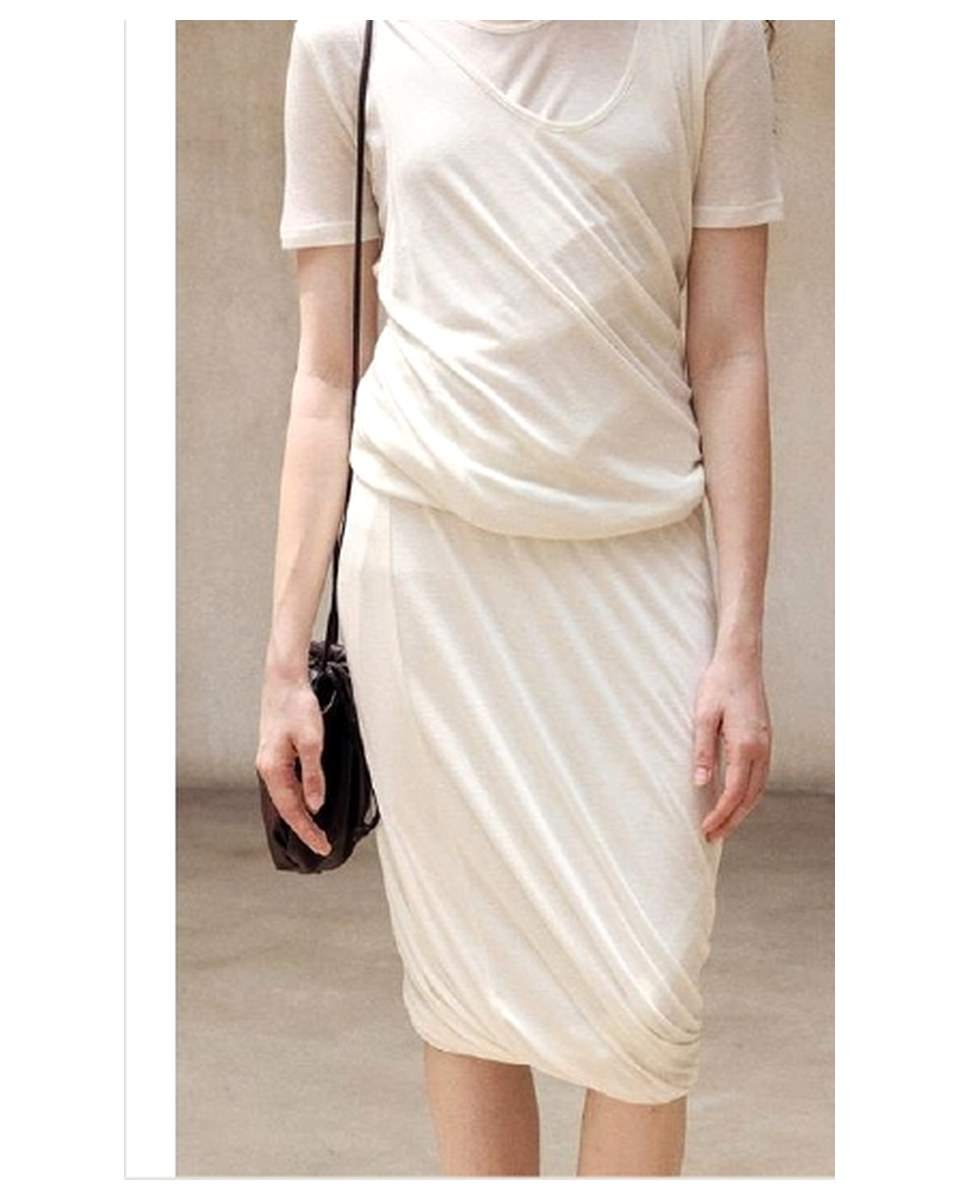
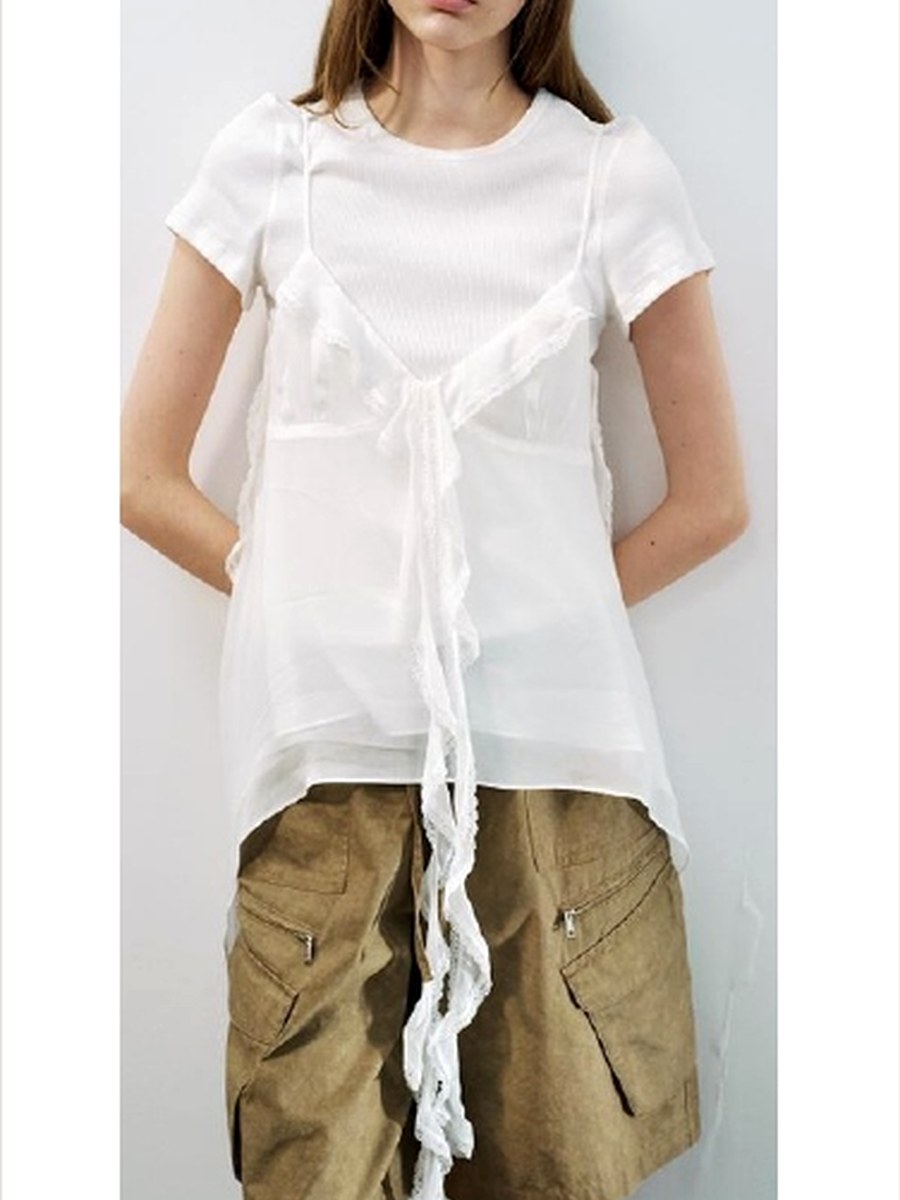
Keep a clear distinction between a visual reference and a material standard. A photograph may communicate shape, proportion or an artwork idea. It cannot establish yarn preparation or tell a supplier exactly how the approved fabric feels. Send a physical reference when available, identify what the buyer wants to retain and explain where changes are acceptable. If only a picture is available, acknowledge the limits and use sampling to resolve the material questions.
Review samples with specific notes. “Neckline edge loses the intended shape after the agreed treatment” gives the team a problem to investigate. “The cotton is not premium enough” does not identify whether the concern is yarn, construction, finishing or sewing. Precise observations allow the material and garment teams to respond together. The objective is a satisfactory finished style, not simply a sample that repeats the requested terminology on its label.
What should a complete factory enquiry say?
Lead with the product, not a string of material adjectives. State the garment type, target market, intended fit, construction references and quantity range. Explain whether the buyer is asking for fabric sourcing, development using a nominated fabric, or an alternative to an existing material. Then list the cotton, preparation and spinning requirements separately, distinguishing firm requirements from preferences that can be discussed.
Include the decision behind the request. A buyer might be trying to improve the appearance of a printed surface, retain a particular washed handle or support a documented material description. Say which of those matters. The supplier can then explain what information and samples are needed. Without that context, a quotation may answer the literal phrase “combed cotton” while leaving the real product problem unresolved.
An illustrative enquiry could say: “We are developing a women's relaxed top for our private label. Please propose an identifiable cotton fabric suitable for the attached construction and artwork. Confirm composition, whether the relevant yarn is combed, its spinning method, fabric construction, finished weight and width, finish, and the evidence available for any process wording. Please identify assumptions and alternatives separately.” This is a structure to adapt, not a finished specification or a promise of availability.
Add colour direction, care expectations and any required approval stages. If the buyer has target measurements or a reference sample, identify the version and explain its purpose. A sample used for fit may not be the desired material; an approved fabric swatch may not define the garment construction. Stating those roles avoids a common misunderstanding in which the factory faithfully reproduces a detail that the buyer only meant as an example.
Ask for a response that separates feasibility, open questions, commercial assumptions and next sample actions. The manufacturing discussion can connect the enquiry with the relevant garment-development steps. Quantities, timing, costs and testing arrangements need to be confirmed for the programme. Do not use a general article to promise a fixed minimum or lead time that has not been quoted for the specific materials and style.
Assign someone to consolidate the answers. When design, sourcing and marketing each send separate cotton requests, the material brief can accumulate contradictions. One current version should show what is required, what is under review and who can approve a change. That keeps the supplier from having to guess whether a new email replaces the technical sheet or merely asks a question. A tidy enquiry is not bureaucracy; it is a way to reduce avoidable sample rounds.
How can approval and change control preserve the intended cotton fabric?
Approve an identified combination of material and garment, not just a phrase. The record should connect the fabric code and revision, composition, relevant yarn descriptions, construction, finish, colour and physical reference with the garment sample version. Attach the applicable review results and agreed claim wording. If some information remains outstanding, mark the approval as conditional and identify what must happen before release.
Keep the physical standard accessible. Record where the approved swatch and garment are held and which treatment each has received. If washed and unwashed references are retained, label them clearly. A future reviewer should not have to guess why two samples look different. Photographs can support the record, but they should not silently replace a physical handle standard or the technical information needed to identify the cloth.
Define substitutions before there is a shortage or deadline pressure. Ask which changes to yarn preparation, spinning method, composition, source, construction or finish need buyer review. A supplier should present an alternative with the differences stated, not describe it as “equivalent” without explanation. The buyer may accept the alternative, request another sample or retain the original requirement. The decision should be documented before the change reaches bulk production.
At reorder, use the retained specification as the starting point and confirm the current proposal. Do not assume that an unchanged commercial article name means every underlying detail is unchanged. Ask what the supplier can confirm about the new material and which evidence remains applicable. Reconfirm the commercial conditions as well. A previous order does not establish permanent availability, identical pricing or an unlimited commitment to a particular yarn programme.
The approved product wording must follow the actual material. If a substitution removes support for “combed ring-spun cotton”, do not leave that phrase on the product listing while the technical file records something else. Conversely, do not add a more specific claim merely because a new sample feels smoother. Route wording changes through the responsible review and retain the evidence that supports them. This is especially important when several styles share a template description.
The final test of the paperwork is whether another buyer could place the next order without reconstructing the development conversation. They should be able to identify the material, understand why it was chosen, find the sample and see which changes need approval. Once that is possible, combed and ring-spun stop being competing labels. They become useful, accurately scoped details within a garment specification that the team can actually maintain.
How can Yinshan Fashion turn cotton terminology into a workable garment brief?
A short enquiry saying "combed ring-spun cotton top" leaves much of the product undefined. Yinshan Fashion's fabric and trim review helps bring the material discussion back to the intended garment. Provide the fit reference, desired handfeel, construction, colour and weight direction. Keep the yarn-preparation and spinning requirements as separate fields. The benefit for the buyer is a more usable brief: material options can be discussed against the style instead of being compared only by a premium-sounding label.
The garment may also need a print, embroidery, neck finish or branded trim. These details belong in the same development conversation. Yinshan Fashion's sample and decoration workflow connects sample making and fit comments with artwork placement, trims and approval records. Bringing the actual artwork and intended fabric direction early gives the team a chance to review how the details work together before bulk. The agreed sample remains the reference; a process term alone cannot approve the decoration or fit.
Once the buyer has settled those choices, the manufacturing checkpoints carry the discussion into fabric, garment, label and packing approval. This is where coordinated development has practical value. The production brief can describe the cotton fabric together with the construction and branded details the buyer selected, rather than leaving different teams to interpret the same short material phrase differently. Inspection scope and any required testing still need to be agreed for the order.
For repeat styles, Yinshan Fashion's workflow includes retaining material, production and packing records. These give the next order a starting reference and help frame questions about changes to the fabric or finish. They do not guarantee identical future supply. Ask for the supporting information appropriate to any combed or ring-spun claim, and confirm how a proposed substitution will be reviewed. The buyer gets a connected development and production route without confusing garment-making support with independent verification of a mill's spinning process.
What to send for a combed or ring-spun cotton garment enquiry?
Send Yinshan Fashion the drawing or reference sample, fit requirements, artwork, colours and quantity range. Add any existing fabric code and state whether combing, ring spinning or both are required, preferred or still open for discussion. Include label, packing and care requirements where known. Ask the team to review the material direction with the sample and decoration needs, then clarify what must be approved before bulk. Supply, process evidence, testing arrangements, pricing and timing must be confirmed for the actual programme.
Cotton sourcing checklist
Three steps from cotton brief to garment approval
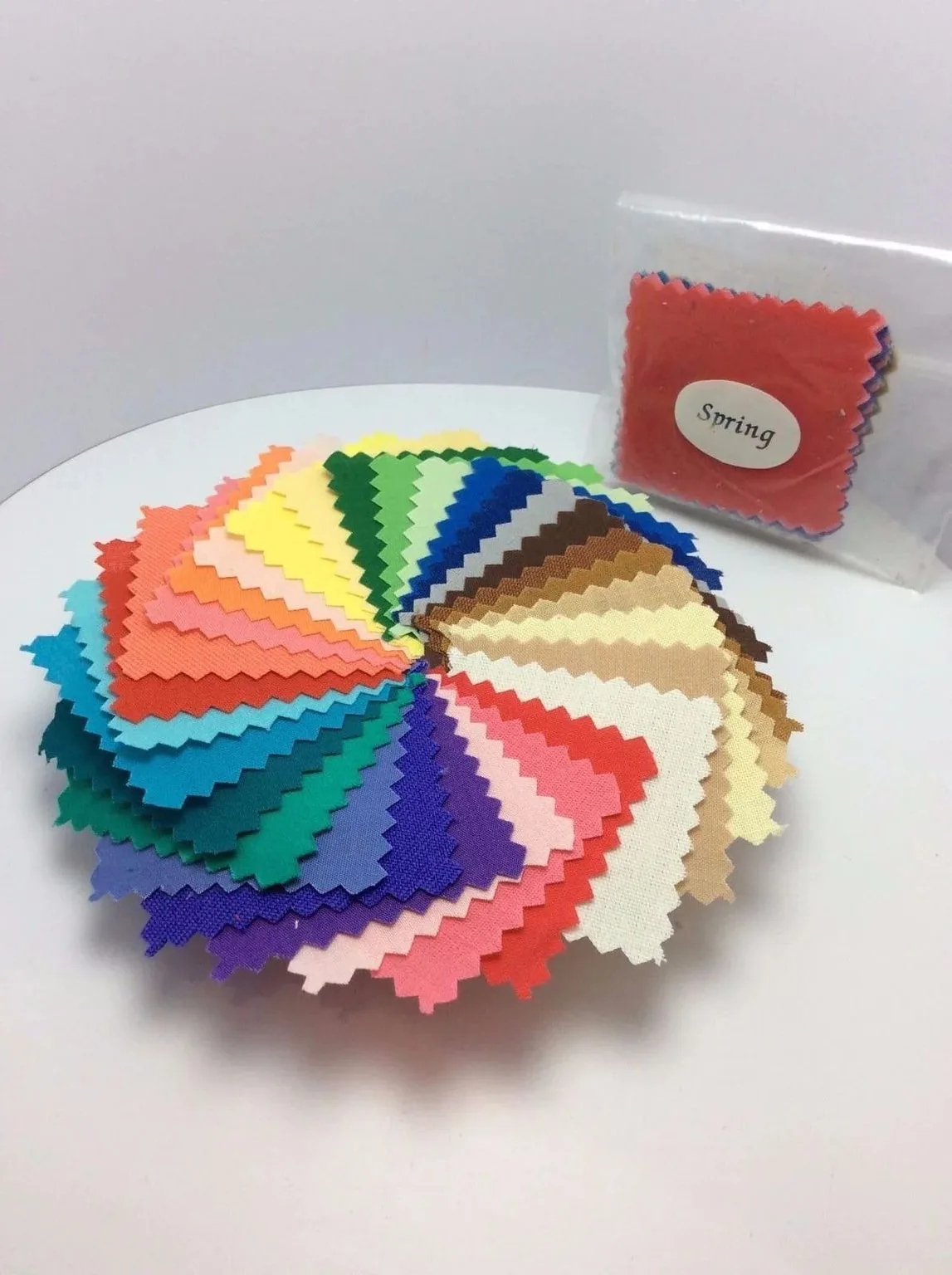
Use Yinshan Fashion's material, sampling and manufacturing discussions to resolve the finished product, not just the yarn description. The swatch photograph does not verify preparation or spinning methods.
Clarify the material fields
Share the style and handfeel reference. Discuss fabric options with Yinshan Fashion while recording combing, spinning, composition and construction as separate requirements.
Bring branding into the sample
Provide the artwork, trims and placement requirements alongside the fabric direction. Review these with fit and construction before approving the garment.
Connect sample and production
Confirm the selected fabric, garment details, labels and packing through the manufacturing review. Keep process-claim evidence and any testing requirements explicit.
Buyer and factory confirmation checklist
Resolve each requirement for the specific component, material reference and programme before releasing bulk production.
| Decision area | What the buyer should prepare | What to ask the factory |
|---|---|---|
| Product use | Explain the style, wearer needs and decoration | Which fabric proposal suits this construction? |
| Cotton content | Define component scope and any origin requirements | What composition and supporting information apply? |
| Preparation | Ask about combing separately | Is the relevant yarn carded or combed, and how is it specified? |
| Spinning | Record the actual method without assumptions | Which spinning route and yarn specification are proposed? |
| Fabric standard | Identify construction, finish and physical reference | Does this sample represent the intended bulk material? |
| Garment approval | Review the actual decoration and care procedure | Which changes require a revised sample or repeat check? |
| Repeat order | Retain the approved specification and wording | What differs in the current proposal and what needs approval? |
Continue the production conversation
Cotton specification: separate the process and product fields
| Term or field | What it describes | What a buyer still needs |
|---|---|---|
| Cotton composition | Fibre content of a defined component | Origin, process descriptions and complete fabric specification |
| Combed | A fibre-preparation description | Applicable yarn reference, spinning method and representative fabric |
| Ring-spun | A yarn-formation method | Preparation, yarn specification, fabric construction and finish |
| Combed ring-spun | Two compatible descriptions of a yarn | Evidence and scope linked to the proposed material |
| Finished fabric weight | Mass per area of the finished fabric | Construction, usable width, finish and agreed tolerances |
| Approved garment sample | A reviewed product version | Identified material, recorded checks and change-control conditions |
Buyer FAQs
Is combed vs ring-spun cotton a meaningful either-or comparison?
Not usually. Combing describes preparation, while ring spinning describes yarn formation. A yarn can be both. Ask for the two details separately before comparing complete fabric proposals.
Is combed cotton a cotton variety?
No. It is a preparation description, not a growing-origin or variety name. Any origin, variety or organic-content claim needs separate information and support.
Does ring-spun mean the cotton is organic?
No. A spinning method does not establish organic cultivation or certified organic content. Define and verify any intended organic claim independently.
What does a 100% cotton description leave unanswered?
It does not by itself specify combing, spinning method, yarn details, origin, fabric construction, finish or garment performance. Ask for the information relevant to the product and intended claims.
Can a soft cotton sample still be unsuitable for the style?
Yes. Handle is only one part of garment review. Check coverage, construction, decoration, fit and the agreed care procedure using a representative sample of the proposed material.