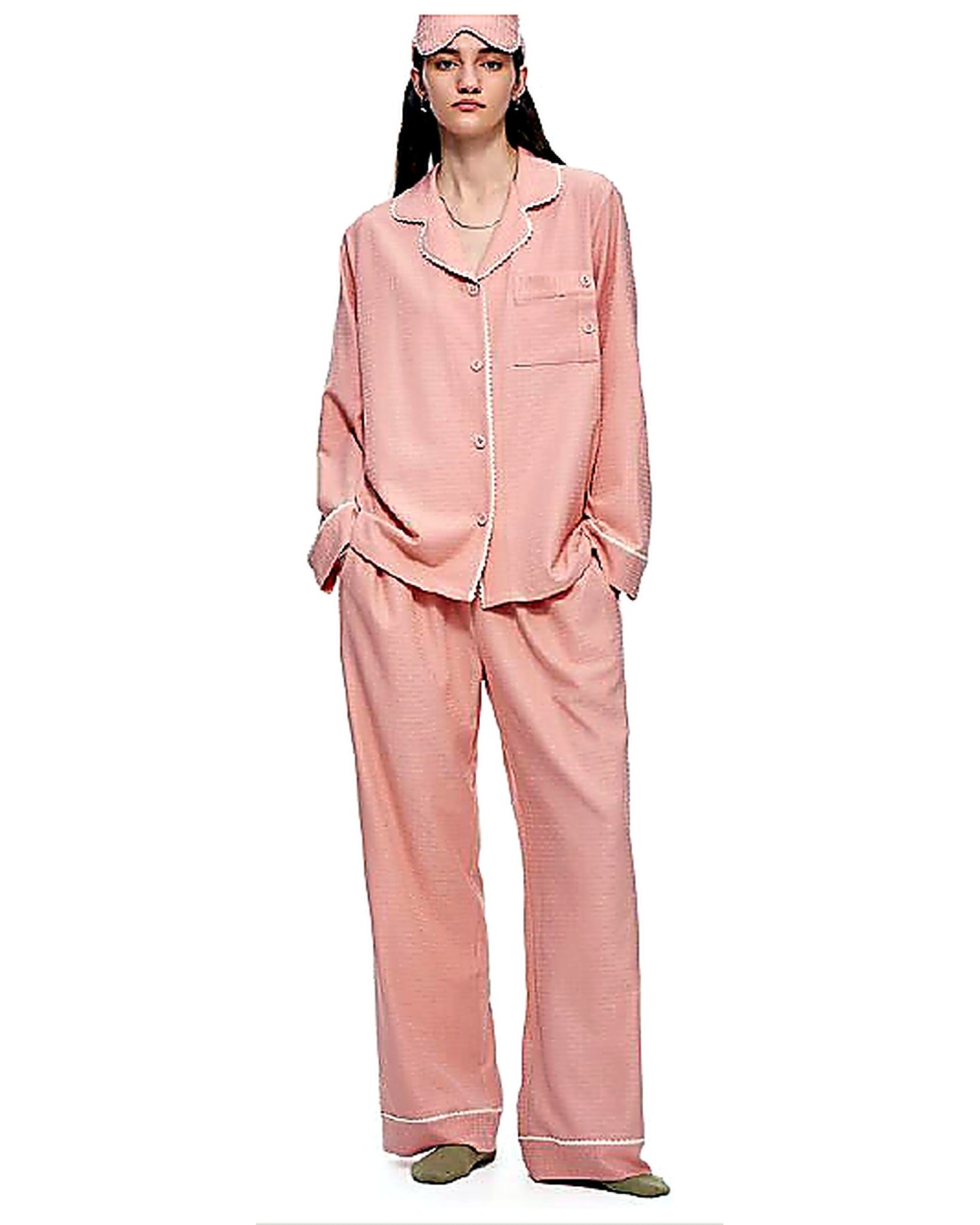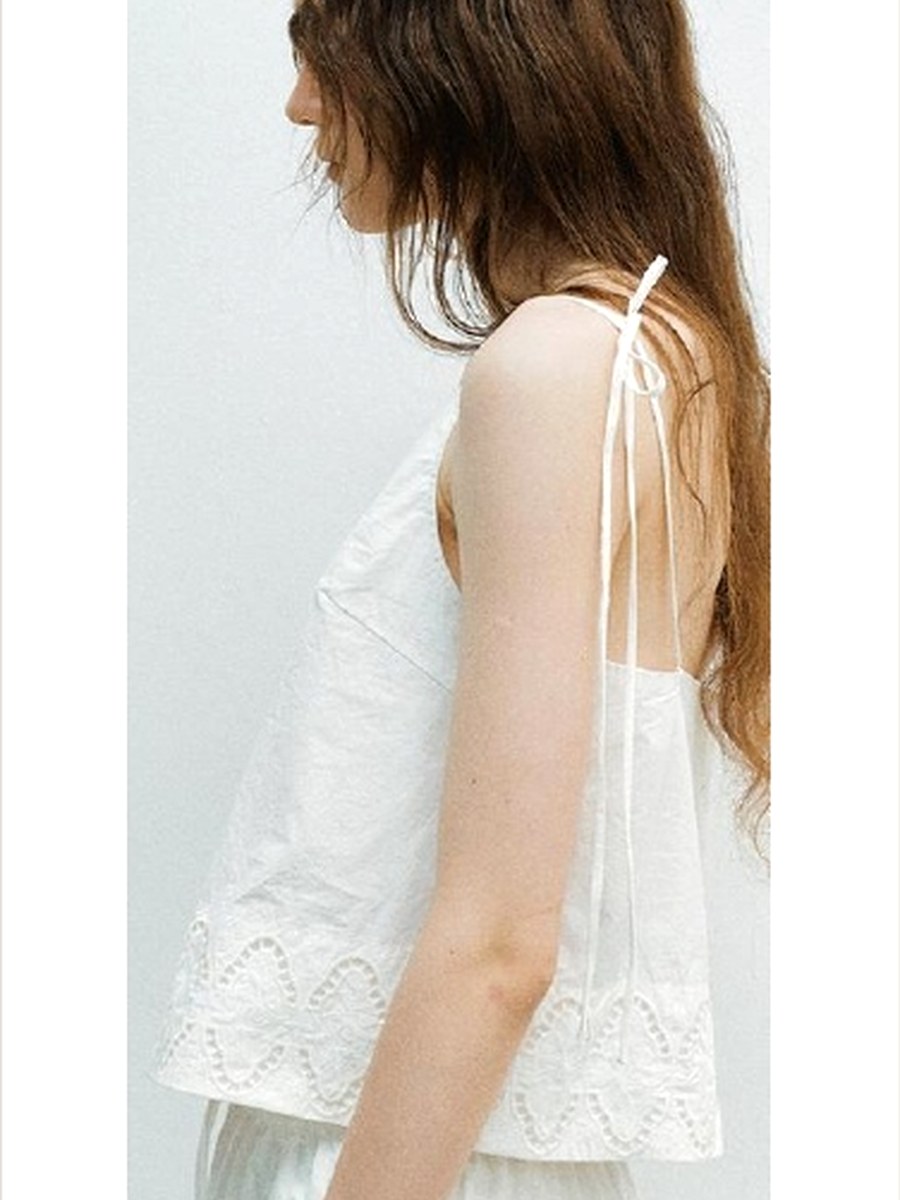
Article
What should buyers know first?
Short answer: Prepare a camisole top development brief with neckline, straps, length, materials, outfit reviews and private-label records for a going-out collection.
Camisole top development begins by defining how the top is intended to be worn, then translating that use into neckline, strap, back, body-length and material decisions. A going-out cami designed to sit over a skirt needs a different review brief from one intended to tuck into trousers or layer beneath a jacket. A product photograph can start that conversation, but it cannot provide a complete specification for the garment.
Yinshan Fashion supports custom and private-label bulk programmes for fashion brands. Enquiries for camisole tops and small-batch evening collections are assessed around the actual design, materials, sizes, proposed quantities and sample needs; they are not unrestricted ready-stock wholesale offers. This guide helps buyers prepare a first-sample brief and connect its findings to an order discussion, without assuming fixed commercial terms or claiming that one construction works for every wearer.
Define the Use of the Camisole Top Development Brief
Start by distinguishing outerwear, layering and other intended uses. A camisole is not automatically underwear simply because it has narrow straps. The brand should state the product's intended role and the appearance expected when it is worn. Include whether the top is meant to be tucked, worn loose or used in both ways. These decisions give context to the sample review and help prevent a factory from resolving a detail according to a different use than the buyer has in mind.
Describe the outfit rather than relying on a style label alone. Name the intended bottom, its waist position and any outer layer that matters. You do not need to prescribe every accessory, but the key garment relationships should be visible. If the customer is expected to wear the top with several bottoms, identify the combinations the brand wants to review. Do not assume that a successful photograph with one skirt establishes compatibility with every trouser rise, waistband or jacket shape in the collection.
Define what the first sample must answer. It may be intended to establish body length, compare a neckline shape or assess a material and edge-finish combination. List the design priorities and distinguish essential features from options. “Elegant satin cami” is a direction, not a review question. “Assess whether the neckline, side coverage and hem relationship match the marked reference when worn untucked” gives the sample team a concrete task and gives the buyer a basis for accepting or revising the result.
The Blouse Collection provides a relevant starting point for discussing women's top development with Yinshan Fashion. Identify a reference only for the features it actually demonstrates. If your cami differs in straps, back or length, include those changes in the drawing. A collection example should support the conversation without being treated as proof that every requested variation is already available or that its order conditions have been confirmed.
Describe Neckline, Bust Shape and Coverage
Choose the neckline direction in terms that can be drawn and reviewed. A V, square, straight or draped neckline is only the beginning of the specification. Mark the intended centre position, side relationship and relevant measurement points. Add front and side references where coverage is part of the design decision. A neckline can appear acceptable from the front while the side view raises another question. The brief should tell the reviewer which relationships are important rather than asking for a single overall impression.
State the intended fit through the bust and body without using tightness as the only criterion. A close-fitting top and a looser cami can both require a careful coverage review, but their targets differ. Identify the brand's fit reference and size system. Where wearer information is recorded, use an appropriate consent-based process and keep it separate from public imagery. The sample comments should describe the relationship between the garment and that reference, not claim suitability for every person who may purchase the size.
Clarify underlayer expectations. If the top is intended to be worn over a particular type of underlayer, include that condition in the review. If it is intended without one, do not infer built-in support merely from the drawing. Any proposed internal structure needs an explicit development discussion. Avoid phrases such as “works for everyone” or “no extra support needed” unless the brand has evidence appropriate to the claim. The sample process should identify what is being assessed and what remains outside its scope.
Use the first fitting to separate design preference from a discrepancy against the brief. A buyer may decide that a neckline drawn correctly is still lower than desired when worn. That is a valid reason to revise the design, but it differs from a sample that does not match the agreed drawing. Record the actual observation, desired result and proposed next step. This helps the factory understand whether to correct execution, reconsider the specification or investigate a relationship that the original brief did not fully resolve.
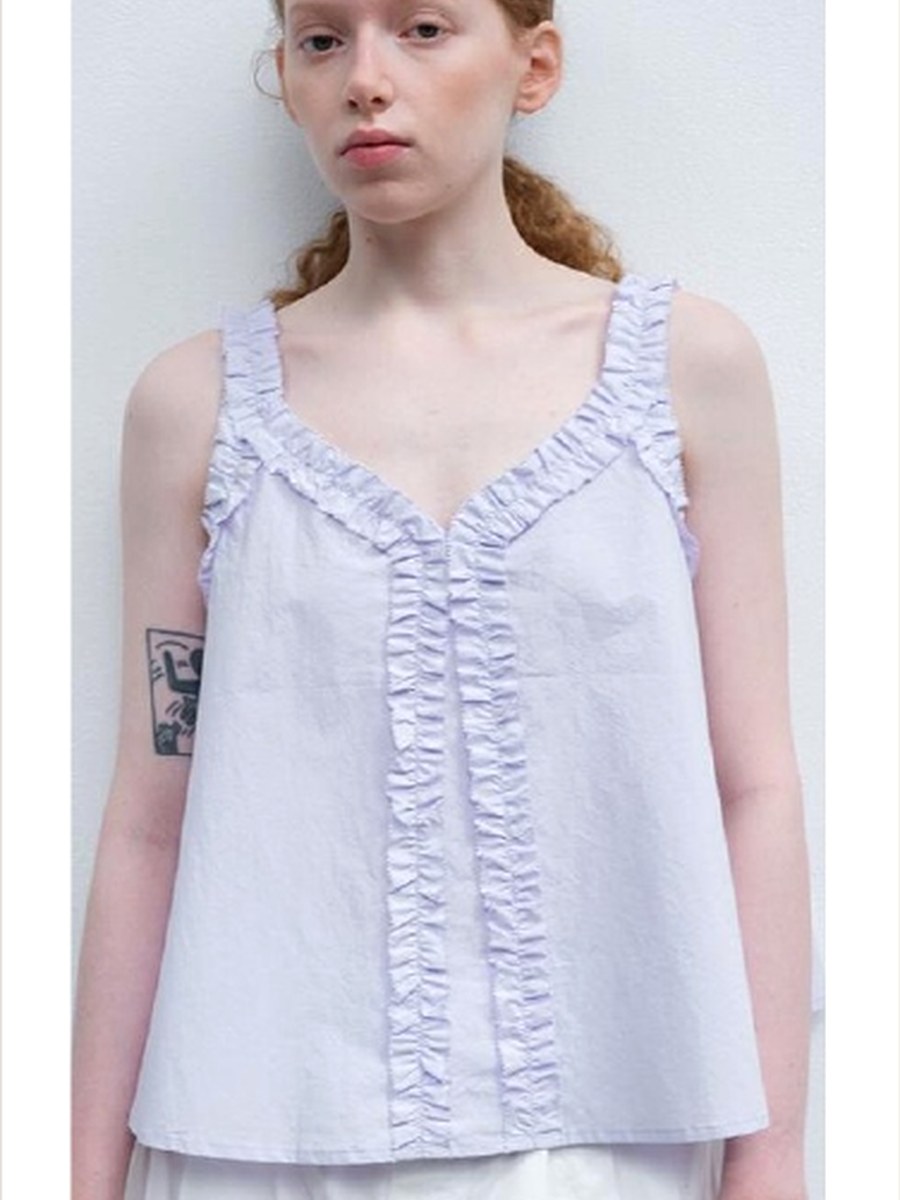
Alternative design reference: a wider, ruffled strap route changes the neckline brief. Compare it with narrow or tied straps using the intended garment, rather than assuming the same construction.
Specify the Straps and Back Detail
Document strap width, front and back attachment locations, intended adjustment and visible finish. Identify whether hardware is required and whether its appearance is a design priority or an open option. A narrow strap shown in a photograph does not reveal its complete construction or connection. Ask the factory to review the proposed combination for the selected material. Keep the component reference with the sample once chosen, so a later replacement does not enter the project under a generic label such as “same strap.”
Show the back view at the same level of detail as the front. A low back, straight upper edge or shaped back changes the overall design relationship. Mark where straps connect and what coverage the buyer intends. If a closure is involved, show it and explain how the wearer is expected to use it. The sample team should not need to assemble a back from an unrelated reference because the mood board contains only front views. Missing design information should remain a visible question until it is resolved.
For adjustable straps, record the review setting before evaluating neckline and length. If the wearer changes the setting, note the change and observe the rest of the top again. An adjustment can alter several visible relationships at once. It should not be treated as a universal remedy for a neckline, armhole or body-length concern. Where the desired appearance requires an impractical or unintended adjustment, return the question to the technical reviewer rather than accepting a setup that does not reflect the intended product use.
Inspect attachment areas and hardware in the actual sample, including the inside view. Record any concern through clear photographs and a location reference. This is a sample observation, not proof of a particular durability result. If the brand requires formal testing, define that separately and seek appropriate evidence. The development record should distinguish appearance, function observed in the review and any unperformed assessment. That distinction keeps product claims within the information available and gives later technical checks a clear scope.
Set Body Length and the Bottom Hem Relationship
Do not let “cropped” or “regular” stand in for an agreed length. Identify the measurement start and end points, garment condition and intended wearing position. Include the front and back relationship where relevant. A measured length answers only part of the question: the sample also needs to be reviewed with the intended waistband or outfit. A top can match its written dimension and still create an overlap or gap that the brand did not anticipate when looking at the garment alone.
When the cami is intended to be tucked, observe it in that use with the agreed bottom. Record the appearance at the waist and what happens during the selected movements. If it is intended to be worn loose, review the hem position and its relationship to the waistband and hip area. Do not imply that one successful combination establishes compatibility with all bottoms. Keep the actual outfit reference with the comments so the factory knows which relationship the buyer wants to preserve or change.
The Pant & Dress Collection can support a discussion of bottom proportions and coordinated development. Use it to identify relevant directions, then specify the actual bottom used for the cami review. If a matching skirt or trouser is also being developed, give it a separate style record and connect the two records through an outfit reference. Separate identities make revisions easier to track while preserving the reason the pieces are being considered together.
Review the hem finish as part of that relationship. Note whether the edge sits as intended, whether the front and back settle consistently with the design and whether the selected finish produces the desired appearance in the sample. Avoid choosing a finish solely because it is shown on another garment made from an unidentified fabric. State the visual and use requirements, ask for a suitable proposal, and record the accepted sample. A material change later in development should trigger a review of the affected hem decisions.
Review Fabric, Lining and Edge Finishes
Start with material identity, not a marketing adjective. A satin appearance does not establish silk content, and a soft-looking image does not identify weight, composition or construction. Ask for the material reference and the supplier's stated information, then review the actual candidate. The silk versus satin buyer guide offers further terminology. For the cami brief, connect the material to the intended neckline, body shape and use so the discussion remains about the garment being developed.
Specify whether lining is proposed and which areas it covers. If the lining decision is open, say what problem the sample should help resolve: appearance, coverage, finish or another defined concern. Do not assume that adding a lining automatically improves every design. Review the complete layers together, particularly at the neckline, armhole and hem. Where a lining is visible or changes how the top sits, record the observation and ask the factory to review the combination rather than prescribing an unsupported universal solution.
Lace, binding and other edge treatments need identifiable references. A photograph can communicate scale or visual direction, but it may not establish composition, width, edge shape, colour or availability. Request a candidate reference or sample and show where it belongs on the garment. Mark whether the trim is intended to follow the neckline, extend beyond it or form another visible detail. Those distinctions matter to the development discussion and should not be left to an assumption based on a distant styling image.
The custom womenswear development route is appropriate for reviewing these combinations with Yinshan Fashion. Send the outer-material direction, proposed trim, lining question and marked construction areas together. Ask which alternatives can be assessed and what sample evidence would support selection. Keep the final component identifiers in the specification. If a trim or binding changes later, check the garment again where that component affects the accepted appearance rather than treating the replacement as an administrative substitution.
Prepare a Measurable First-Sample Brief
Consolidate the design into one current document set. Include front and back sketches, style code, revision, reference size, measurement points, material candidates and strap details. Mark any missing information as an open question with an owner. The fashion product brief guide explains the wider handover. For a camisole, pay particular attention to the relationship between neckline, straps, side coverage and length, because isolated comments can otherwise describe several incompatible versions of the same top.
Agree measurement methods before comparing results. The record should show where each measurement starts and ends and whether the garment is laid flat or reviewed in another defined condition. Avoid importing numbers from an unrelated top without explaining the intended fit. A familiar size label or body measurement does not directly specify every finished garment point. The technical team should review the buyer's targets and identify where clarification is needed before a difference is treated as a sample fault.
Put design priorities beside the measurements. If a draped neckline is the central feature, the factory should know which visual reference it needs to protect while assessing dimensions. If the top must coordinate with a particular high-waisted bottom, make that relationship prominent. A list of measurements without the intended appearance can encourage technically tidy changes that undermine the product idea. Conversely, an image-only brief can leave the factory guessing about the size and coverage expectations. The two forms of information should support each other.
Define the sample response expected from the factory. Ask it to identify substitutions, unresolved points and any proposed changes to the brief. When the sample arrives, compare it with that response before fitting. This prevents the review from spending time on a difference already explained as temporary, while ensuring temporary choices do not become permanent by silence. Issue consolidated comments after the review, naming the accepted points and the questions requiring another sample or a specific form of confirmation.
Approve Layering and Outfit Compatibility
Review the cami as part of its intended outfit rather than only on a hanger. For an outer layer, observe the neckline and strap relationship when the jacket or other garment is worn as planned. For a bottom, look at the waistband, tuck or overlap and how the garments settle together. Record the exact companion garment. The purpose is not to promise compatibility with all wardrobes; it is to check the combinations the brand has identified as important to the product's use and presentation.
Use a consistent sequence of relevant movements, such as sitting, returning to standing and moving the arms comfortably. Record changes in neckline, side opening, strap position and hem relationship. Stop if the review creates discomfort or an unwanted exposure concern. A practical fitting can reveal useful questions without being described as certification or a guarantee. Keep the observations attached to the sample version, strap setting and outfit, because changing any of those conditions can change what the next photograph appears to show.
Distinguish the top's own issue from a coordination issue. If a waistband pushes or catches the hem, the team may need to review the relationship between garments rather than altering the cami in isolation. If the cami is intended for independent sale, decide which combinations its approval needs to cover and which are merely styling suggestions. This is a brand decision that should be explicit. It prevents a single outfit photograph from quietly becoming the standard for a product intended to work in a broader range.
Before closing the review, compare the accepted product with its proposed description. Words such as adjustable, lined, cropped and matching should reflect the actual garment and selling unit. A photograph may include a bottom that is not supplied with the top; make that distinction clear in customer-facing information. Keep the sample-review record separate from marketing claims, and avoid stating that one fitting proves all-day comfort or universal coverage. The final description should help a buyer understand what is being sold without extending beyond the evidence.
Resolve a Tucked-versus-Untucked Design Conflict
Consider an illustrative brief that asks for a cami to be both visibly cropped and easy to tuck into a particular skirt. Those requests may need discussion rather than automatic acceptance. The sample can show how the selected length and waistband relate, but the brand must decide which use takes priority if the desired appearances conflict. This is a planning example, not a reported result from a Yinshan project. It demonstrates why a brief should name the intended use before requesting a pattern correction.
Review both uses under recorded conditions. Photograph the untucked position and then the agreed tucked arrangement, noting any adjustment made between them. Observe the selected movements and record the actual concern without promising a universal outcome. If the buyer wants a change, state the target relationship: perhaps more overlap in one use or a different visible length in another. Ask the technical team to review options. Avoid selecting a length simply by splitting two conflicting numbers without checking what the resulting garment looks like.
The commercial team then decides whether one version can serve the intended role, whether two distinct styles are justified or whether one use should be removed from the product description. Each option affects the range record differently. Two styles need separate identifiers and quantities; one revised style needs a new design version; a narrower use claim needs updated presentation. Keep the decision with the sample evidence so a later marketing or sales colleague does not reintroduce the rejected promise through an old reference image.
Close the issue by updating the active brief and preserving the earlier discussion as history. The final sample record should identify its approved length, outfit reference and intended use. If the brand later changes the companion bottom, reopen the relevant coordination review. This keeps development practical: a resolved question stays resolved within its defined conditions, while a genuinely new condition receives attention. The result is a more coherent product decision than a top described as suitable for every tuck, waistband and styling preference.
Connect the Sample to a Private-Label Order
Once the garment direction is accepted, align the branding and product records. Identify labels, size designations, material information, care information and packaging requirements through the buyer's responsible review process. Do not copy them from a similar garment or infer composition from appearance. Where destination-specific requirements matter, the brand should supply verified instructions or obtain appropriate specialist input. The sample package should name the current artwork and approval owner, making clear which information is settled and which remains open before release.
Prepare quantities by style, colour and size. If the top coordinates with another piece, state whether it is sold separately, as a fixed set or with mixed-size options. That decision affects identification and packing and should not be inferred from a styling photograph. Proposed quantities are enquiry inputs; they do not establish a factory minimum or confirm material availability. Ask Yinshan Fashion to review the actual allocation with the selected design and components so the response can identify its commercial and production assumptions.
Keep approval stages separate. A sample accepted for design appearance is not automatically authorization for bulk production, and an internal preview is not a published product page. Identify the documents that must be complete for the next decision and the person who will release them. Where a change remains, state whether another sample, revised artwork or a specific confirmation is required. This prevents a general positive comment from being interpreted as approval of details the buyer has not actually checked.
To discuss camisole top development, send Yinshan Fashion your current brief with front and back sketches, intended outfit, neckline and strap requirements, length references, material direction, sizes and proposed quantities. Include the questions the first sample should answer and the target arrival window for planning. The objective is a reviewable next step: a garment whose use, details and outstanding decisions are understood by both sides, with commercial terms and release conditions confirmed for the actual programme.
Review sequence before the next sample
- Define wearing use and the intended outfit.
- Draw neckline, straps, back and measurement points.
- Review the complete sample with materials and trim identified.
- Consolidate approval, quantities and private-label requirements.
Occasionwear development checklist
Actions before the next sample
Use the current brief and the identified garment to close the next development decision.
Name the wearing use
State whether the top is tucked, loose or layered, and identify the companion garments used in review.
Make the edges reviewable
Show neckline, armhole, strap and hem requirements. Use trim references that can be identified beyond a photograph.
Connect fit to the offer
Align the approved sample with the product description, selling unit, sizes and private-label records.
Buyer action and factory confirmation
Use these questions with the identified garment and current programme brief.
| Decision area | What the buyer should prepare | What to ask the factory |
|---|---|---|
| Use and outfit | Supply the intended bottom, outer layer and wearing position. | Which relationships should the first sample demonstrate? |
| Neckline and bust | Define coverage, fit reference and underlayer expectations. | What information is missing from the design target? |
| Straps and trim | Identify attachment, adjustment and trim candidates. | Which combinations require feasibility or sample review? |
| Length and hem | Provide measurement methods and the intended waist relationship. | How should the revised sample be compared with the target? |
| Private-label order | Submit size/colour quantities, label direction and selling unit. | What assumptions apply to the proposed programme? |
Continue the production conversation
Camisole brief choices before the first sample
| Decision | Buyer direction | Record to retain |
|---|---|---|
| Intended use | Choose outerwear, layering and tuck requirements explicitly. | Outfit references and a written use statement. |
| Neckline | Define shape, location and coverage rather than a style name alone. | Marked front and side views with the fit target. |
| Straps and back | Specify connections, adjustment and any closure question. | Front/back drawings and identified component candidates. |
| Length | Connect measurement points to the intended waistband relationship. | Flat measurements and combined outfit observations. |
| Trim and lining | Select identifiable candidates and review the complete edge. | Material references and the accepted sample finish. |
Buyer FAQs
What should a camisole top development brief include?
A camisole top development brief should include intended use, front and back sketches, neckline and coverage targets, strap details, length references, material direction and the reference size. Add the intended outfit, proposed quantities and the questions the first sample should answer.
Is a cami top necessarily underwear?
No. A cami can be developed as outerwear, a layering piece or for another specified use. The brand should state its intended role and review the garment accordingly. Narrow straps alone do not determine the product's use, coverage expectations or customer description.
Are satin camisoles necessarily silk?
No. Satin is not proof of silk fibre content. Request the candidate material's stated composition and reference, then connect it to the actual sample. Keep fibre claims in the product information tied to verified material records rather than shine or a styling photograph.
Can lace trim be specified from a photo alone?
A photo can communicate a visual direction, but it may not establish the trim's width, composition, colour, edge shape or availability. Obtain an identifiable candidate or sample and specify where it belongs. Review the trim with the garment edge before accepting the combination.
Should the top be sampled with its intended bottom?
When outfit compatibility is an important design requirement, review the top with the intended bottom and record that reference. Check the waistband, tuck or overlap during the agreed movements. The result applies to the reviewed combination and should not be generalized to every possible bottom.