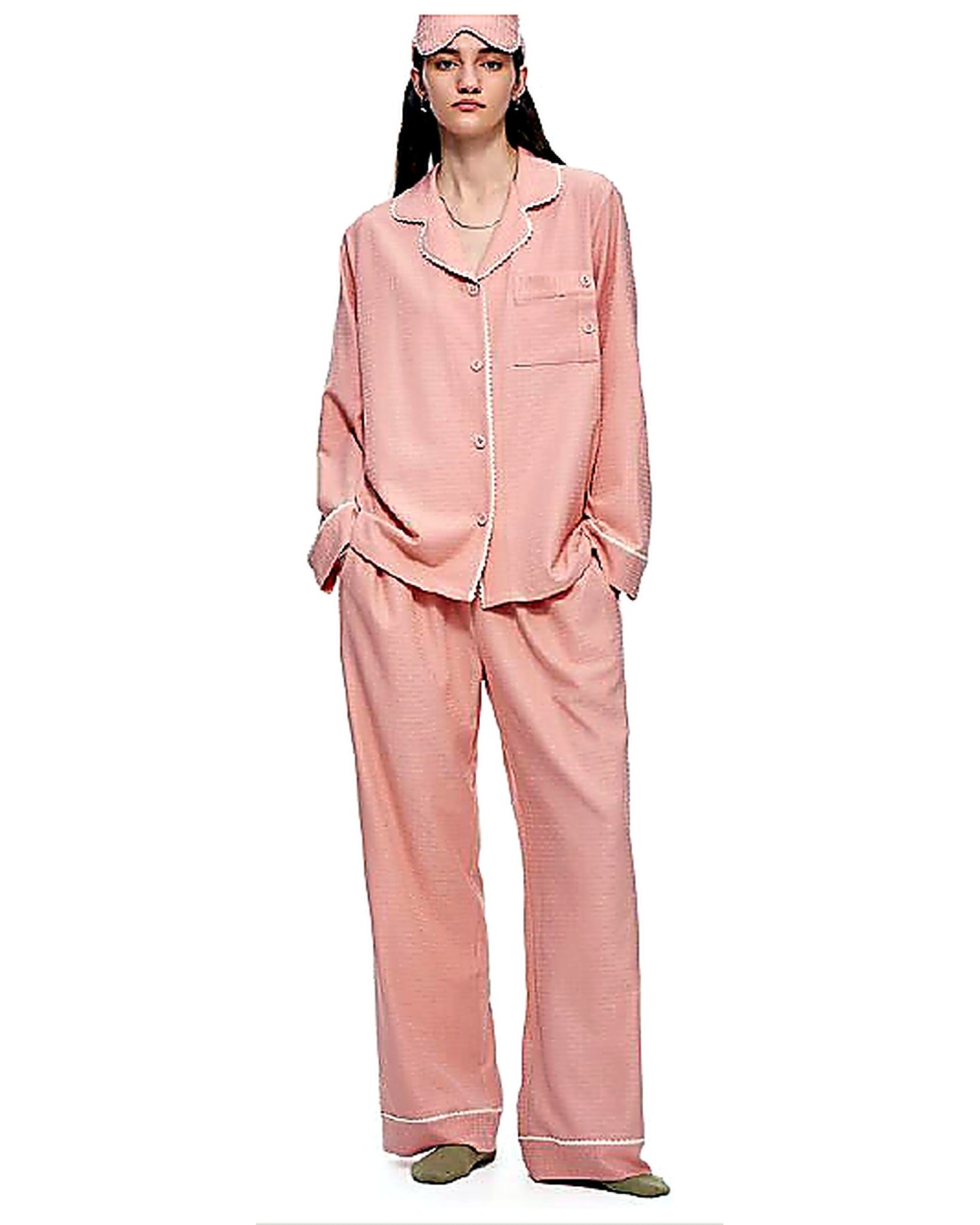
Article
What should buyers know first?
Short answer: Build a boutique clothing buying plan around customer occasions, stock commitments, style roles, size depth, sample approval, delivery windows, and reorder decisions.
This guide presents a practical planning method for a focused boutique range. The examples use occasion dresses, camisoles, blouses, and coordinating bottoms, but the same questions apply to other categories. All quantities and calculations are illustrative, not recommended order levels or Yinshan minimums. The aim is to make each buying decision explainable: who needs the garment, what role it serves, how much exposure it creates, and what evidence would justify repeating it.
How should buyers start the boutique clothing buying plan with a customer occasion?
Write a specific shopping situation before selecting silhouettes. A customer preparing for a dinner followed by dancing has different priorities from someone replacing an everyday office blouse. Both may want an elegant appearance, yet their needs for movement, coverage, layering, and styling are different. Describe the situation in plain language, including the environment and the garments the customer already owns.
For an evening capsule, the working brief might be an understated outfit that can be styled with familiar shoes and a light jacket. This is a proposed customer use case, not evidence of a market trend. The buyer still needs to check whether the boutique's own customers ask for that combination and whether their price expectations fit the intended construction. Avoid turning a visual mood into an assumed demand forecast.
Collect the evidence behind the brief. Useful inputs can include dated customer requests, sales by comparable style, returns with recorded reasons, and staff observations about missing outfit pieces. Keep observation separate from interpretation. A shopper asking for a longer hem does not prove that every customer wants a midi dress; it identifies a question worth checking across more interactions.
Give the first buying cycle a clear boundary. State the selling window, channels, intended customer, price positioning, and primary occasions. If a proposed style cannot be explained within those boundaries, place it in a later review list. This lets the collection develop a recognizable purpose without requiring every appealing idea to enter the same purchase order.
How should buyers reconcile stock and outstanding commitments before adding new products?
Begin with what the business already owns and has already ordered. Separate saleable units from damaged goods, display samples, reserved stock, and items awaiting return inspection. A warehouse total can exaggerate the stock a customer can actually purchase. Where records are uncertain, resolve the discrepancy before using the number as a buying input.
List open purchase orders by expected receipt window and current status. An order awaiting production approval is different from goods already dispatched, but both can affect future commitments. Record deposits paid, balances expected, and the basis for cancellation or revision where relevant. Do not assume an unreceived order is uncommitted simply because its goods have not reached the boutique.
Shopify's explanation of open-to-buy planning describes an inventory budget that considers planned sales, stock, and existing orders. It also distinguishes retail-value, cost-value, and unit-based views. For this buying worksheet, the practical lesson is to label the basis of every number and deduct existing commitments consistently before treating any budget as available for new decisions.
Keep the merchandise plan and payment calendar connected but separate. A category may have room for additional units while the business has insufficient cash available on the required payment date. Conversely, available cash does not prove another style is needed. The buyer should be able to see the inventory reason and the payment consequence of each proposal without switching between incompatible totals.
What should buyers consider about assign a distinct role to every style in the range?
A style role explains why a garment earns its place. One dress may provide the simplest complete evening outfit; a camisole may connect with existing trousers; a blouse may offer more coverage for customers who decline narrow straps. Roles help identify duplication before the collection becomes expensive to sample. Different photographs do not necessarily mean different customer functions.
Use a short sentence for each role, followed by the evidence or hypothesis supporting it. For example, a clean midi dress could be a candidate for customers seeking an outfit with few styling decisions. A shorter slip dress might serve a different occasion or fit preference. Review these as alternatives until the boutique can explain why both deserve inventory rather than treating every length variation as automatically necessary.
Yinshan's dress collection can support a discussion of silhouette direction. Select references according to their intended role, then document the changes needed for the boutique's own customer. A reference page does not establish current stock availability, order quantity, fabric, or price. Those details belong in the specific development enquiry.
Remove styles whose only justification is that the range looks larger with them included. A small collection can still offer meaningful choice through fit, coverage, and outfit compatibility. If two products compete for the same use, price point, and customer, compare their development effort and evidence of demand before committing to both. This makes the buying decision more concrete than a general preference for variety.
How should buyers allocate units by style, colour, and size rather than by appearance?
A range board shows visual breadth; an order matrix shows exposure. Expand every proposed style into its actual colours and sizes, including deliberate exclusions. Six styles do not represent six inventory decisions when each style contains multiple variants. The buyer needs to see how the total order breaks down into the combinations a customer can choose.
Consider an illustrative plan with four styles, two colours per style, and four sizes in every colour. That creates thirty-two variants. A hypothetical allocation of three units to each variant would total ninety-six garments. This arithmetic describes the plan only; it says nothing about supplier feasibility or the correct buying depth. A different size mix can change the allocation without changing the number of variants.
Avoid allocating equal units to every size merely because the spreadsheet makes it convenient. Where comparable history exists, examine size sales alongside availability and return reasons. A size that was absent for much of the selling period had less opportunity to sell. Where history is weak, document the uncertainty and the reasoning used, then design the review so later decisions can improve.
Separate the desired retail allocation from the supplier's confirmed production conditions. Fabric, colour, trim, and style quantities may each impose constraints. Ask which constraint applies and whether changing the design or grouping compatible materials would help. Do not multiply units silently to satisfy an assumed minimum. Show the revised exposure to the buyer before the order is approved.
What should buyers consider about reserve room for development and operational costs?
The garment quotation is one part of the launch commitment. Record sample work, pattern revisions where charged, labels, packaging, inspection, transport, receiving, photography, and channel preparation according to the actual project. Distinguish confirmed costs from estimates and unknowns. A blank field should prompt a question rather than being interpreted as zero.
Build the first comparison at a consistent scope. If one quote includes a lining and another excludes it, the apparent difference is not yet a meaningful price comparison. The same applies to packaging units, delivery terms, and material assumptions. Ask suppliers to identify what is included and what remains subject to approval before deciding which option fits the buying plan.
Set aside an explicitly recorded allowance for unresolved development work if the business chooses to carry that uncertainty. The allowance is a planning decision, not evidence that every project will incur extra charges. Assign an owner to update it as quotations and sample results become available. Otherwise, old estimates can survive long after the facts have changed.
Keep the collection discussion practical when a target cannot be met. A buyer may reduce the number of colours, simplify a decorative detail, postpone a style, or revise the selling concept. Each choice has a different effect on the customer offer. Record which feature is essential to the garment's role before cost reductions begin, so savings do not remove the reason the product was selected.
How should buyers test coordination through complete outfits?
A capsule should be evaluated as a set of wearable combinations, not only a row of isolated products. Put the intended tops, bottoms, and layers together in the planned colours. Check proportion, coverage, neckline interaction, and whether the customer needs an unavailable piece to make the look work. A strong individual sample can still be a poor fit for the boutique's particular range.
For example, a narrow-strap top may need an option for customers who prefer arm coverage. A blouse collection reference can help discuss an alternative or a light coordinating layer, depending on the actual design. The buying plan should state the intended use rather than assuming any blouse can serve as an outer layer over every camisole.
Review the bottom half with the same care. A casual pants programme can provide a starting point for proportion discussions, but the selected waist height, rise, pocket shape, and fabric still need confirmation. Photograph the actual proposed combinations during review so that styling intentions can be compared with sample reality.
Count useful combinations honestly. A mathematical combination of every top with every bottom may exaggerate what the customer would wear. Identify the outfits the team would actually show, explain where fit or colour limits a pairing, and remove weak combinations from the sales story. This gives photography and store staff a clearer brief while exposing gaps before bulk units are purchased.
How should buyers use sample approval to protect the buying decision?
A buying plan should identify the questions a sample must answer. For a small evening dress, these may include neckline stability, lining coverage, hem position, closure access, and movement while sitting or walking. For a camisole, strap adjustment and the relationship between neckline and armhole may matter. Define the review according to the specific garment rather than copying a generic approval label.
Record sample identity, size, material, and revision before the review. A fit decision made on a substitute fabric may not transfer unchanged to the intended production material. If a substitution is necessary, describe what the sample can establish and what remains unresolved. The buyer should not interpret approval of the silhouette as approval of every material and construction detail.
Use the product brief before sampling guide to organize the information handed to the factory. Bring the buying assumptions into that brief: intended customer, selling window, target quantities, variant plan, and priority features. This helps the development discussion address commercial constraints before the sample becomes the basis of an order.
Close comments with a clear decision. Each issue should be accepted, revised, deferred with an identified consequence, or removed from scope. If a style is dropped, update the unit plan and any shared material commitments. A rejected sample does not automatically cancel fabric already authorized elsewhere. Keep product approval and purchasing authorization visibly connected so neither team works from an outdated assumption.
How should buyers plan receipts around the selling window?
Work backwards from the date the boutique needs saleable goods, with each milestone described precisely. Factory completion, dispatch, arrival, receiving inspection, and readiness for photography are different events. A single delivery date can hide those distinctions. Confirm which event a supplier's estimate refers to before using it in a launch calendar or customer announcement.
Separate the preferred date from the latest useful receipt date. A garment designed for a particular local event may lose part of its intended role if it arrives afterwards. A more flexible coordinating piece may retain a longer selling window. Record that difference when prioritizing styles, while avoiding any assumption that flexible styling makes inventory risk disappear.
Ask what the proposed schedule depends on. Fabric confirmation, sample approval, colour decisions, packaging information, and order authorization can all remain open. The plan should show those dependencies and their owners. Do not treat an early estimate as a confirmed production reservation, and do not promise a customer date based only on an incomplete enquiry.
If split deliveries are being considered, calculate their operational effect before approval. Separate shipments may change transport cost, receiving work, display completeness, and the timing of outfit photography. They may also be unavailable for the proposed order. Compare the actual options with the supplier, then record the agreed quantities and dates for each release so the boutique can plan around a coherent range.
How should buyers define what would justify a reorder?
Write the reorder question before the first delivery. The purpose is to distinguish strong demand from an attractive sales headline that hides an uneven size or colour result. Decide which records the buyer will review, when they will review them, and how they will account for stock availability, returns, promotions, and channel differences. A reorder should respond to evidence at the relevant variant level.
A hypothetical dress may sell twelve units while another sells eight, but that comparison alone is incomplete. The first may have been available for twice as long, supported by a promotion, or stocked in more sizes. Record the context before ranking performance. Small samples can be informative without supporting precise forecasts, so the buyer should preserve uncertainty instead of presenting an early result as a durable demand pattern.
Check replenishment feasibility separately from sales interest. The original material, colour, trim, and production slot may need reconfirmation. A successful first order does not guarantee identical commercial conditions for a later order. Ask whether the planned repeat quantity and timing are workable, and identify any changes that would require another sample or customer-facing description update.
Keep a record of why a reorder was approved, reduced, postponed, or declined. Include the proposed variant quantities and the person responsible for the decision. This turns each buying cycle into a useful reference for the next one. It also prevents a broad statement such as “the black style sold well” from becoming an unexamined instruction to repeat every black variant at the original depth.
How should buyers prepare an exit decision for slow-moving stock?
A buying plan is incomplete if it describes only successful products. Set a review date for items that remain below the boutique's expectations and identify the information needed before acting. Weak sales can reflect a poor product choice, but they can also reflect missing photographs, unavailable sizes, confusing descriptions, or a mismatch between the product and the way it was presented.
Check those explanations before ordering replacements. Read customer questions and return comments, inspect the product page, and review the actual garment against its description. If the item was described as lined but the supplied specification was unlined, the issue requires correction rather than a new colour. If styling images conceal a useful feature, clearer presentation may be a more relevant next step than another purchase.
Any markdown, transfer, bundle, or carryover decision should be evaluated using the boutique's actual costs and commercial rules. This guide does not prescribe a discount percentage or profitability threshold. Record the expected effect, the period covered, and the resulting inventory commitment. Avoid using a promotion to create a sales spike that is then mistaken for full-price demand in the next buying cycle.
Feed the findings back into the range plan. A dropped style may reveal that the intended customer needs different coverage, that a fabric was unsuitable for the selling environment, or that the boutique already offered a stronger alternative. Preserve the specific lesson with the style record. “Did not sell” is too broad to guide the next supplier brief or to distinguish a design problem from an execution problem.
How should buyers keep one controlled buying worksheet?
Use one current worksheet to connect the range board, technical briefs, quotations, and order records. Each style should have a stable identifier, a defined role, approved variants, proposed units, cost status, sample status, and delivery assumptions. Link supporting records rather than copying conflicting versions into multiple documents. Assign one owner to maintain the current buying view.
Make status labels specific. “Interested,” “sample requested,” “sample approved,” “quotation confirmed,” and “order authorized” describe different decisions. A style can be visually approved while its cost or delivery remains unresolved. The worksheet should make that visible so a merchandising discussion is not mistaken for permission to purchase materials or begin production.
Before release, reconcile totals by style, colour, size, and receipt window. Check that every approved order line has a matching product definition and that quantities use the same unit, whether individual garments, sets, or packs. Review any late substitutions as actual changes to the plan. A different lining, closure, or colour may affect the customer promise even when the supplier considers it a practical alternative.
Finish the review with an explicit next action for every open line. The buyer might request a revised quotation, approve a sample correction, remove a colour, or postpone an item until more evidence is available. The factory can then respond to a concrete brief rather than an expanding mood board. A useful boutique plan remains small enough to understand and detailed enough to support the commitments it authorizes.
How should buyers review one complete purchase before releasing the rest?
Choose a representative style and follow it through the entire worksheet before approving the collection. Start with the customer role, open the technical brief, locate the latest sample comments, and compare the quotation with the intended variants. Then check the proposed order line and receipt window. This small rehearsal can expose missing links that a review of total units alone would overlook.
For an illustrative camisole order, the buyer might discover that the range board shows two colours while the quotation covers only one, or that the sample has adjustable straps while the costing assumes fixed straps. Neither discrepancy proves that the project cannot proceed. It identifies a decision that must be resolved before the documents can describe the same garment and the same commercial commitment.
Ask a colleague who did not prepare the plan to explain what would be purchased from that record. Their questions can reveal ambiguous size labels, unmarked alternatives, or a delivery date whose meaning seems obvious only to the author. Correct the source record rather than adding an informal explanation that will disappear when the purchase is handed to another person.
Finally, confirm that the approval process matches the size of the business. A small boutique may have one person responsible for buying and payment, while a larger team may divide those responsibilities. In either case, record the authorized version and the specific commitment. A clear decision trail allows the factory and boutique to resolve later questions using the same evidence rather than relying on memory.
Check channel allocation before finalizing the purchase. If the boutique sells online and in a physical store, establish whether both channels draw from the same stock and how reservations are handled. A unit should not appear available in two independent records without a reconciliation process. Where quantities are allocated separately, show the allocation and who may authorize a transfer. This is particularly useful for a shallow size range, where moving one garment can change whether a customer can buy a complete outfit. Review the plan using the business's actual stock system and explain any manual steps to the people receiving and selling the goods.
How should a boutique clothing buying plan separate Core, Test and Seasonal styles?
A small collection becomes easier to buy when every proposed style has a job beyond “it looks good on the rail.” A practical boutique clothing buying plan can group styles into Core, Test and Seasonal roles before the buyer asks a factory to turn a mood board into a sample or quotation discussion. These are buying roles, not promises that one product will sell, repeat or remain available.
A Core style is a product the boutique expects to explain repeatedly through its customer need, fabric route, fit, colour direction and selling context. It may still need sample approval, current materials and programme-specific production confirmation. A Test style is an intentional learning choice: the buyer names what it wants to learn, the smaller decision it can support and what evidence would justify a revised next step. A Seasonal style is tied to a defined campaign, occasion, colour story or delivery window; the plan should state what makes it time-sensitive and what happens if the relevant window changes.
| Style role | Buying question | Evidence to retain | Decision that must stay open |
|---|---|---|---|
| Core | Does this style solve a persistent customer or outfit need strongly enough to justify a controlled repeat review? | Comparable sales context, customer requests, approved product record, colour-size history where available | Whether the current material, colour, packing and commercial terms can be repeated |
| Test | What specific customer, fit, colour, price-position or styling assumption is this style testing? | Test hypothesis, sample comments, product-page version, customer observations and review date | Whether an early result is enough to change the next purchase |
| Seasonal | Which dated occasion, campaign or collection story gives this style its role? | Selling-window context, presentation plan, delivery assumptions and exit-review owner | Whether the window, receipt route or product presentation remains useful |
Use the role to control development effort. A Core dress programme may deserve a deeper review of size continuity, outfit compatibility, approved material and repeat-order record. A Test item should not be presented internally as a fully proven replenishment line simply because it carries the same collection name. A Seasonal product can be attractive and still require a defined exit decision if the relevant occasion passes or a key launch input remains unresolved.
Yinshan Fashion can use these roles to clarify the factory-facing part of the brief: the style identity, sample purpose, material direction, construction, branded components, packing scope and quantity context. The boutique retains responsibility for its customer evidence, channel plan, financial model, promotion, return policy and final purchase decision.
How should buyers set colour and size depth without inventing certainty?
Colour and size depth are separate decisions. A range can carry too much inventory because every style received every colour and size by default, even when the boutique has no reason to expect the same demand pattern. Start with a style-colour-size matrix that makes every option visible. Record the intended role, customer fit context, comparable evidence held, proposed depth, stock owner and the question that could change the plan.
Use history carefully. A colour that sold quickly may have been available for a short period; another may have had incomplete size availability, different imagery or a promotion. A return reason may relate to the garment, size guidance, product page or fulfilment context. Mark those limits next to the observation instead of turning a single sales number into a blanket instruction for every future colourway.
For a Core route, the buyer can ask whether a colour needs enough depth to support the intended size promise and a later review. For a Test route, the buyer can set a learning boundary: which colour or size question is being explored, when it will be reviewed and what counts as insufficient evidence. For a Seasonal route, identify whether a colour belongs to the event story, an adjacent product or a broader year-round need. A blouse collection reference can help distinguish silhouette or coverage roles, but it cannot establish a boutique's correct colour or size allocation.
Build a small variant card for every proposed order line:
1. Customer-fit card
Name the style, colour, size range, intended wearer, product role and any evidence that applies to the actual variant. State what remains unknown rather than copying demand assumptions from a different garment.
2. Factory-feasibility card
Name the current sample or technical reference, material, colour route, trim, label, packing and quantity context. Ask Yinshan Fashion which facts are needed before it can assess the product-specific manufacturing route; do not silently increase quantities to match an assumed minimum.
3. Stock-and-review card
Name the proposed receiving route, selling channel, owner, review date, open customer or product questions and the next decision. This card keeps a single unit plan from appearing simultaneously as store stock, online stock and an uncommitted future order.
The cards make shallow depth visible before it becomes a customer-service problem, while avoiding a universal size curve or colour rule. The boutique can compare evidence and risk; the factory can assess the physical programme it is actually asked to develop or produce.
What should a first order test prove before a boutique considers replenishment?
A first order should have a declared learning purpose. “See whether it sells” is too vague to guide a sample, product page, size plan or later reorder. A buyer can instead state whether it is testing a dress silhouette, a particular coverage option, a price-position hypothesis, a colour direction, a styling combination, a new channel, a product-page description or the relationship between a garment and its available sizes.
Keep the test record connected from development through selling. The record should identify the approved sample or production reference, variant matrix, product-page version, customer-facing photos and measurements, selling start context, availability periods, promotions, returns or customer questions, stock movements, known fulfilment issues and reviewer. This does not create certainty from small numbers. It stops a later decision from treating an incomplete story as a demand forecast.
For example, a boutique may test whether a casual pants programme works as the lower half of several planned outfits. The relevant observation is not simply total units sold. The buyer might compare which sizes were available, which pairings were actually shown, whether length questions appeared, whether a product-page change happened during the selling period and whether the next brief needs a fit, styling, colour or inventory response. The factory should receive only the product conclusions that belong in the next sample or order brief.
Use a test decision note with four fields: observed, limited by, next question and decision owner. “Observed: customer interest in the named colourway; limited by: incomplete size availability; next question: whether a revised size depth or product-page clarification is required; decision owner: named buyer” is a more useful record than “best seller.” It also keeps commercial conclusions separate from claims about factory capacity, material availability or future terms.
Which reorder triggers should be written before the first delivery?
Set reorder triggers as review conditions, not fixed sales percentages. A boutique might require a review when a defined style-colour-size combination shows sustained customer requests, when stock availability changes the usefulness of the current comparison, when returns or fit questions point to a product record issue, when a campaign window remains active, or when a shared outfit has a clearly documented gap. Each trigger needs an owner, evidence source and next action.
The reorder conversation has two parallel tracks. The commercial track asks whether the buyer's current evidence supports another inventory commitment. The production track asks whether the current material, colour, component, specification, packing route, quantity context and timing can be assessed again. A positive answer to one does not answer the other. A style may show customer interest while the buyer still needs a revised product brief; a factory may be able to discuss a route while the boutique decides not to carry more risk.
Before asking Yinshan Fashion about a repeat, share the current style-colour-size matrix, approved or amended product record, difference list, requested material and component route, private-label files, packing needs, proposed quantity split and desired receiving context. Ask which assumptions need confirmation. The answer should become a controlled next step, not an automatic repeat of the previous order.
The final boutique decision can be replenish, rebalance, extend the test, carry forward with a revised brief, pause pending evidence or exit. Record why. This gives a small buying team a usable memory for the next collection without turning a previous order into a guarantee about customer demand, production conditions or business results.
How can buyers discuss next steps with Yinshan Fashion?
Send Yinshan Fashion your intended customer occasion, proposed styles, colour and size matrix, estimated quantities, target market, and useful receipt window. Include references and identify which costs or product details remain open. Contact the team to discuss the development and quotation questions for your custom or private-label bulk programme.
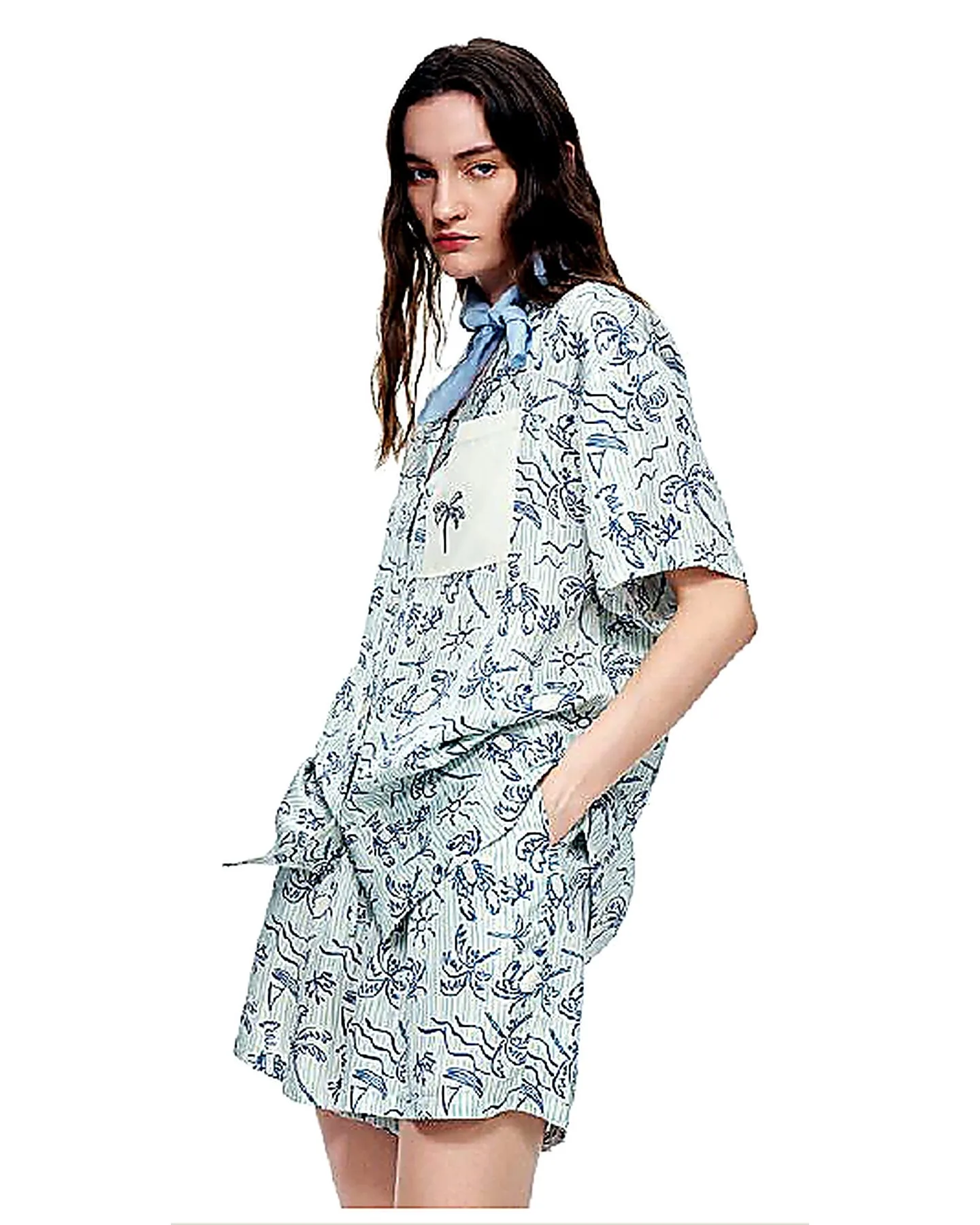
Sourcing Guide buyer guide
Boutique Clothing Buying Plan: Build a Small Collection Without Overbuying
Build a boutique clothing buying plan around customer occasions, stock commitments, style roles, size depth, sample approval, delivery windows, and reorder decisions.
Reconcile existing exposure
Count saleable stock, identify incoming orders, and label the valuation basis. Keep payment dates visible beside the proposed new commitment.
Challenge every style role
Explain the customer occasion and useful outfit combinations. Remove duplication that lacks a clear reason to hold inventory.
Release only a defined order
Connect approved samples, variants, quantities, quotation scope, and receipt assumptions. Assign an owner to every unresolved detail.
Buyer and factory handover checklist for boutique clothing buying plan
Use these prompts to make the current product decision reviewable. Confirm market requirements and commercial details for the specific programme.
| Decision area | What the buyer should prepare | What to ask the factory |
|---|---|---|
| Approval point 1 | Customer occasion, channel, selling window, and price positioning recorded. | Costs use comparable scope and clearly labelled estimates. |
| Approval point 2 | Existing stock and outstanding orders reconciled. | Sample comments and substitutions have named decisions. |
| Approval point 3 | Each style has a distinct role and stable code. | Delivery milestones and dependencies are understood. |
| Approval point 4 | Colours, sizes, units, and exclusions are explicit. | Reorder and slow-stock review questions are documented. |
Continue the production conversation
Decision table: connect buying questions to evidence
| Buying question | Record to review | Decision to make |
|---|---|---|
| Who needs the garment? | Customer occasion and dated observations | Keep or revise the style role |
| What is already committed? | Saleable stock and open orders | Establish the remaining buying scope |
| How many variants exist? | Style, colour, and size matrix | Allocate units deliberately |
| What will the project cost? | Comparable quotations and launch expenses | Confirm scope or simplify |
| Is the garment ready? | Identified sample and closed comments | Approve, revise, or stop |
| Will it arrive usefully? | Defined milestones and dependencies | Confirm the receipt window |
| Should it be repeated? | Variant results, availability, and returns | Reorder with a documented reason |
Buyer FAQs
What belongs in a boutique clothing buying plan?
Include customer occasions, style roles, current stock, open orders, variant quantities, cost assumptions, sample status, receipt windows, and review decisions. The plan should connect product choice with the commitments required to supply it.
How many styles should a small boutique buy?
There is no universal number. Start with distinct customer needs, then examine how styles expand into colours, sizes, development work, and inventory. Confirm supplier conditions for the actual programme.
Should every size receive the same quantity?
Equal allocation is an assumption, not a rule. Review comparable sales alongside availability and returns. When evidence is limited, record the reasoning and uncertainty so later allocations can improve.
Can a boutique reorder the same garment automatically?
A repeat order still requires confirmation of material, colour, specification, quantity, price, and schedule. Review any substitution before assuming it preserves the original product offer.
When should a buying plan be updated?
Update it when sample results, quotations, orders, receipt dates, stock counts, or customer evidence change. Keep a current version and record which decisions were authorized.