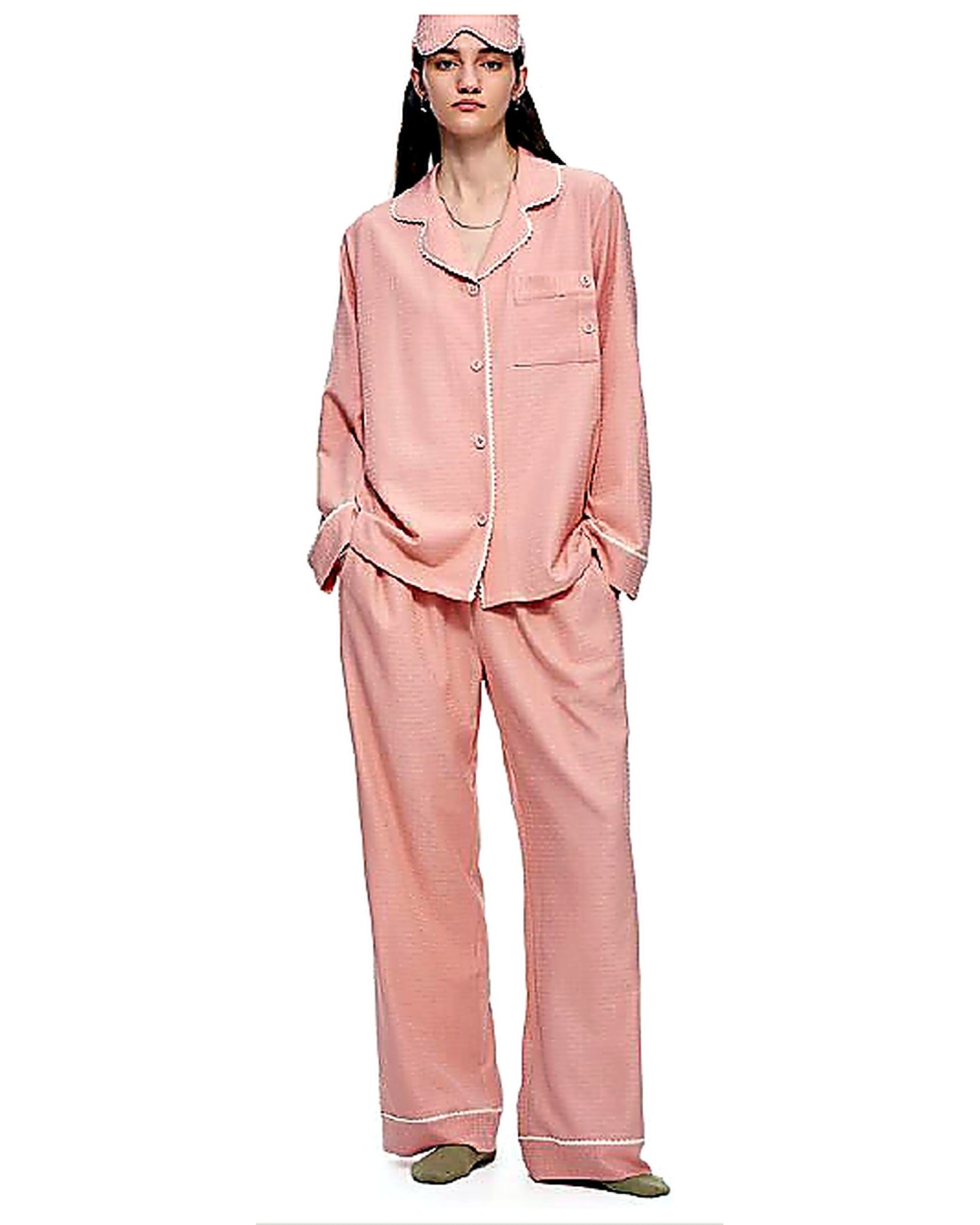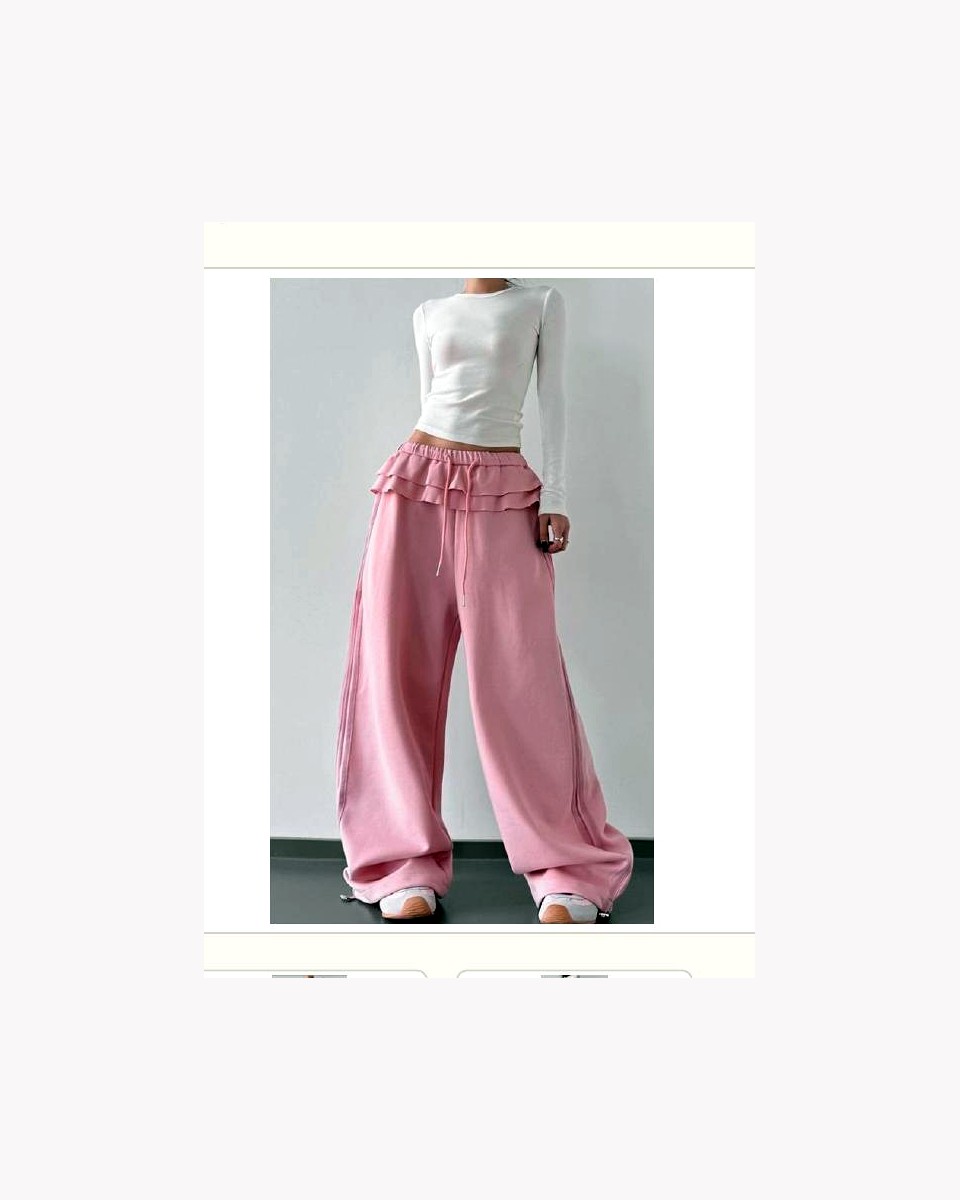
Article
What should buyers know first?
Short answer: Use womens trouser fit approval to connect waist, rise, seat and leg observations with the current pattern, material and brand measurement basis.
Womens trouser fit approval needs more than an acceptable waist measurement and a neat front photograph. The buyer must evaluate how the waistband, rise, seat, crotch, leg and hem work together on the intended wearer. A sample can match individual measurements while missing the desired shape or wearing function. It can also look promising while differing from the specification that later production would follow.
A useful review keeps those findings separate. First establish what the sample represents, then compare it with the current instruction and the brand's fit objective. For a custom or private-label enquiry with Yinshan Fashion, provide the trouser reference, body and garment measurement information held, proposed material, size range and sample questions. The specific development and production scope should be confirmed for the project.
The pant and dress collection provides product context for discussing silhouettes. It is not a universal fit chart or evidence that a pictured garment uses the buyer's size basis. This guide proposes a structured sample review; it does not supply a verified brand-specific pattern, fit result or fixed correction for every body type.
Womens trouser fit approval starts with the intended wearing position
State where the waistband should sit and how the trouser should fit through the waist, seat and leg. Describe the silhouette with a drawing and selected reference images. Terms such as high rise, relaxed or tailored need context because different teams may interpret them differently. Mark the body landmarks and garment relationships that matter to the design.
Identify the intended wearer and the brand's measurement basis. Keep body measurements separate from finished-garment measurements. The difference includes ease, shaping, construction and the intended wearing position; one chart should not be copied into the other without technical interpretation. If the fit basis is provisional, state that clearly before the sample is made.
Record the purpose of the garment and the activities relevant to its use. A trouser for seated work, a loose occasion style and a casual drawstring design may create different review priorities. The team should understand the product task before choosing the fitting observations. An undefined requirement for comfort is difficult to evaluate consistently.
Agree which design features are fixed and which can change. A wide leg, pleated front or particular waistband may be central to the product. The technical team should know those priorities when proposing a correction. Otherwise, a fit issue may be solved by changing the very feature the brand wanted to preserve.
Identify the sample before diagnosing its fit
Record the style, revision, sample size, material, components and date received. State whether the sample uses the proposed bulk inputs or temporary substitutes. A different fabric, lining or waistband component can limit what the sample demonstrates. Keep that limitation visible beside the review rather than relying on a reviewer to remember an earlier conversation.
Measure the sample against the current specification using the agreed methods. Note any discrepancy before drawing a conclusion about the pattern or size chart. A sample that differs from the instruction raises a different question from an instruction that produces the wrong fit. The next action should address the actual finding rather than combine the two issues.
Keep the previous sample and consolidated comments available where relevant. The new version should identify the changes it is intended to test. A reviewer can then assess whether the correction worked while checking that accepted details remain intact. Without that comparison, each fitting can become a new set of opinions unrelated to the previous decision.
Label temporary alterations made during the session. Pinning, clipping or adjusting the waistband may help explore a possible change, but the altered appearance should not be recorded as approval of the original sample. The technical team needs to know what the garment did before the intervention and what the demonstration suggests for the next proof.
Make measurement points and preparation consistent
Give each measurement point a clear name and diagram. Identify the path used for waist, hip, rise, inseam, outseam and leg openings, as appropriate to the product. State how the garment is laid out and whether elasticated areas are measured relaxed or under another agreed condition. Similar labels can conceal different methods unless the pack explains them.
Check units and the relationship between measurements. A specification assembled from several styles can carry old values or conflicting conventions. Review the whole document for internal consistency before asking the factory to interpret it. Where a value is a development target, mark it as such and identify the technical owner who can resolve questions.
Agree any tolerance for the actual point, material and review stage. Do not insert a universal number from another trouser or an online chart. A tolerance is meaningful only when both parties understand the measurement and the product requirement. The first development review may need a different decision structure from a later bulk inspection.
Keep the preparation conditions in the sample record. If the garment has been pressed, washed, worn or supported differently from another sample, note that difference. The buyer needs enough context to interpret a comparison and decide whether a change belongs to the garment, the method or the sample's handling history.
Review the waistband as a functional assembly
Assess the waistband in its intended position, with the closure and adjustment features used as designed. Look at how it sits around the body and how it relates to the trouser below. Record slipping, pressure, gaping or unwanted movement as observations, including the posture or activity in which they occur. Avoid assuming every waistband issue can be resolved by changing one circumference.
Identify the construction and components used in the sample. A shaped waistband, elasticated section, facing, closure or drawcord can create different product questions. Ask the technical team to review the complete arrangement. The buyer should specify the intended appearance and function, while a proposed correction should explain what it changes and what evidence will confirm it.
Check the practical use of fastenings and adjustment features. A closure that looks neat in a photograph may still need review in use. Record whether the wearer can operate it as intended and whether a temporary workaround was used during the fitting. That feedback should be connected to the sample version and the agreed wearing context.
If the waistband changes, assess the effect on the rise, pocket position and overall length relationship. These decisions are connected. The sample comments should preserve the accepted silhouette where possible and identify which related areas require another review, instead of treating the waistband as an isolated strip attached to an otherwise fixed garment.
Distinguish rise measurements from the rise experience
A rise measurement describes a defined path on the garment. The wearer's experience also depends on the pattern shape, material, waist position and surrounding fit. Keep both forms of information in the review. A number that matches the specification does not by itself establish the desired comfort or appearance, while a feeling of restriction does not identify a universal numerical correction.
Observe the front and back relationships in a natural standing position, then during the agreed activities. Record where pulling, excess or displacement appears and whether it changes with movement. Use clear views and factual notes rather than a single posed image. The technical team needs enough information to investigate the connected garment structure.
Avoid prescribing a pattern change from a symptom alone. Similar visible issues can arise from different combinations of fit, construction or sample execution. Ask the responsible technical person to assess the current pattern and measurements alongside the observation. The proposed adjustment should be reviewed in the complete garment rather than accepted because it changes a familiar point.
Keep the intended waistband position consistent during comparison. Moving the trouser higher or lower can change the apparent rise and leg relationship. If the wearer adjusts the garment because it is uncomfortable or unstable, record that as useful evidence. Do not quietly reposition it for a photograph and lose the observation the fitting was meant to capture.
Assess the seat and hip through shape and movement
Review the distribution of fit through the hip and seat, including side views and the relationship with pockets and seams. Note areas of unwanted pulling, excess or distortion, and identify the conditions in which they appear. A single overall width does not describe every aspect of how the garment's volume is distributed around the body.
Ask the wearer for specific feedback during relevant activities, such as sitting or walking, using a review plan appropriate to the product. Combine that feedback with visible evidence. The objective is to understand the garment's intended function, not to make an unrestricted performance claim or compare bodies against a universal ideal shape.
Check that the sample represents the current material and construction before deciding on a pattern correction. A substitute fabric or different component may affect the observation. The buyer should know whether the next step is to review the intended input, correct sample execution or revise the garment specification. Those choices should not be blurred together.
For a wider collection, the casual-fashion category can help explain the intended relationship between trousers and tops. Use that context to communicate proportion and styling, while keeping the trouser's fit approval based on its own specification and evidence. A coordinated outfit should not conceal an unresolved technical issue in one piece.
Evaluate crotch comfort without an automatic adjustment rule
Use precise, respectful language to record pressure, restriction, excess or movement concerns. Identify where the wearer reports the issue and which activity reveals it. Pair the feedback with the current measurements and relevant views, while sharing only the information needed for the technical task. The fitting record should be useful without exposing unnecessary personal details.
Ask the technical owner to review the pattern relationship across the front, back, inseam and surrounding areas. A crotch concern is not reliably solved by a single generic instruction taken from an article. The appropriate correction depends on the actual garment and fit basis. This guide therefore describes the evidence to collect rather than a universal alteration formula.
If an exploratory adjustment is made, record it as a trial. Explain what was changed, what the wearer observed and what remained unresolved. The trial may help the technical team propose a revised pattern, but it should not become an undocumented production instruction. The next sample needs to demonstrate the selected correction in the intended construction.
Recheck related areas after a change. A correction may affect the seat, rise, leg balance or waistband relationship. The approval decision should consider the complete trouser and preserve accepted details where possible. Closing one comment is not enough if the revised sample introduces a new issue elsewhere in the garment.
Read leg balance from several views
Observe how the legs fall from the upper trouser through the knee and hem. Review front, back and side views under the agreed fitting conditions. Note twisting, uneven fall or an unexpected seam position as observations to investigate. Do not assume that one diagonal fold provides a complete diagnosis of the pattern or sewing process.
Compare the sample with the intended silhouette. A wide leg, tapered leg and shaped trouser can create different visual lines. The buyer should state which lines are design features and which are unwanted departures. A technical reviewer needs that distinction to avoid correcting an intentional shape or preserving a distortion because it resembles a fashion reference.
Check the garment's preparation and material orientation where relevant to the investigation. Ask the technical team which records and measurements will help explain the finding. The response should connect the visible issue with the actual sample basis. A generic request to make the legs straight may be insufficient when the intended design itself includes shaping.
Retain a consistent viewing setup for revised samples. Similar posture, support and camera angle make comparison more useful, while any necessary differences should be noted. The goal is not a perfect studio image. It is evidence that helps the buyer and factory determine whether the latest change improved the intended garment relationship.
Review pockets and openings in use
Inspect pocket position, shape and appearance on the wearer. Then evaluate the intended function, including access and the effect of ordinary use where relevant to the design. A pocket can look balanced while flat but behave differently when the trouser is worn. Record the observation instead of assuming pocket construction is a minor finishing matter.
Check how pocket bags and internal components interact with the shell. Note visible outlines, pulling or unwanted bulk under the agreed conditions. The technical team should assess the material and construction together before proposing a change. A different pocket method may affect the garment's appearance or function and therefore needs an explicit buyer decision.
Review openings and closures as part of the wearing sequence. State whether the sample allows the intended access and whether any adjustment was needed. A first sample may use a temporary fastening for a limited purpose, but its status should be clear. The buyer should not approve an untested final closure by implication.
For tops intended to be worn with the trouser, the blouse collection can help discuss the visible waistband and pocket relationship. Keep those styling decisions separate from technical acceptance. A long top may conceal a feature in a photograph without resolving whether the trouser itself meets the agreed requirement.
Connect fabric choice with the fit decision
Identify the sample's material, lining and key components. Explain whether they are intended bulk inputs or temporary substitutes. A substitute may answer a narrow construction question while leaving fit, drape or care behaviour open for the final cloth. Record that limitation so the buyer does not extend the approval beyond the evidence.
Compare candidate materials in the actual garment where the decision depends on shape, movement or seam appearance. A small swatch can narrow options but cannot show every relationship in a trouser. Ask which proof is needed for each unresolved point and keep the sample plan focused on the choices that could change the product route.
Do not assume stretch compensates for an unsuitable pattern or that a heavier cloth always creates a better silhouette. The relevant question is how the identified material supports the intended fit. Where a measurable property matters, agree the method and acceptance basis with the responsible parties rather than inventing a performance claim from handling alone.
A material change after fit approval should trigger an impact review. The fabric decisions guide explains how to connect a new input with the garment release. The technical team should identify which earlier observations remain useful and which require a new sample or test before the buyer proceeds.
Include the intended care route in the review plan
State the care requirement the brand wants to evaluate and identify the evidence needed for the complete garment. Fabric, lining, components and finishing all belong in that discussion. Do not derive the final care instruction from a broad material name alone. The responsible parties need an appropriate basis for the product and intended market.
Where an agreed care or other procedure forms part of the review, record baseline measurements and appearance first. Compare the relevant points afterward using the defined method and preparation conditions. Report only observations and results actually obtained. A sample that looks acceptable initially has not thereby passed an unperformed test.
Review the shape relationships that matter to the trouser, including waistband, rise, leg and hem as appropriate. A single length figure may not capture every relevant change. Ask the technical owner to interpret the findings against the agreed requirement and propose the next action. Avoid applying an automatic correction from one isolated observation.
Keep the evidence tied to the material and garment version tested or reviewed. A later substitution may affect whether the result still applies. The final label and product-information record should follow the approved product basis, not an earlier sample that happened to use the same style name.
Plan size-set approval around the intended customer range
Treat base-size fit and range validation as separate decisions. Once the initial shape is resolved, agree which additional sizes need physical review and what each must demonstrate. The plan should reflect the brand's body basis, product structure and range. There is no universal sample-size sequence supplied by this article.
Review proportions across the selected sizes, including the relationships between waist, hip, rise, leg and length. A graded specification describes the intended values, but the constructed samples provide evidence of the resulting garment. Keep the measurement and wearing observations together so the team can understand whether a concern comes from execution or the intended instruction.
If one size needs a change, ask how the proposed correction affects the rest of the range. Avoid creating an undocumented exception that later becomes difficult to reproduce. The pattern and grade revisions should remain connected to the current specification and sample comments, with a clear owner for the final technical decision.
Check size labels and the quantity matrix against the technical references. A mismatch between commercial names and sample sizes can create confusion even after good fit work. If different systems are used, record the mapping explicitly. The buyer should be able to identify exactly which physical sample and specification represent each approved size.
Compare two findings before choosing the correction
In an illustrative fitting, one sample has a restricted seated feel and also measures below the current specification at a relevant point. First ask whether a correctly executed sample is needed to evaluate the intended design. Changing the specification immediately could compensate for a sample error and create a different problem when the next garment follows the revised instruction accurately.
In another review, the sample matches the agreed measurements but still misses the intended fit. That finding points toward a technical review of the specification, pattern, material and wearing objective. The same complaint therefore does not always lead to the same action. Recording the measurement evidence alongside the wearer observation helps the team decide which question the next sample must answer.
Turn fit comments into a controlled next sample
A useful comment names the sample, location, observation, supporting evidence and requested outcome. An illustrative note might report that the waistband shifts below the intended position during the agreed sitting review, while the standing leg silhouette is accepted. Ask the technical team to investigate the connected cause and propose the next proof while retaining the accepted shape.
Separate that observation from a prescribed correction unless the buyer has a justified technical instruction. The factory should respond with its interpretation, proposed action and related effects. Consolidate the agreed decision into the next revision. A chat acknowledgement alone does not establish that a correction has been made or validated.
Keep accepted details visible throughout the process. The next sample should identify what changed and what was intended to remain. Review both. A successful correction to one area can still require further work if it changes a previously accepted pocket, rise or leg relationship. The decision concerns the complete garment that will be released.
Close the review with a precise status: accepted for the stated scope, revised sample required or further evidence needed. Name the decision owner and any conditions. Before contacting Yinshan Fashion, assemble the current brief and open questions, then use the contact page to confirm the feasible next step, sample route and commercial basis for the actual programme.
Womens Trouser Fit Approval worksheet
Three actions before the next sample
Use womens trouser fit approval to connect waist, rise, seat and leg observations with the current pattern, material and brand measurement basis.
Fix the wearing reference
State waistband position, fit basis and relevant activities before evaluating the sample.
Diagnose from evidence
Compare actual measurements with wearer observations before choosing a correction.
Review connected effects
Recheck rise, seat, leg and pockets when a pattern or material changes.
Buyer inputs and factory questions
Use the current garment and material references. Confirm the actual development scope and evidence required for this programme.
| Decision area | What the buyer should prepare | What to ask the factory |
|---|---|---|
| Wearer | Provide the brand’s body basis and intended fit. | Which information is needed before selecting a sample basis? |
| Measurements | Define point diagrams, units and preparation. | Does the sample match the current instruction? |
| Use | Record specific observations during relevant activities. | Which pattern, material or execution question should be investigated? |
| Construction | Identify waistband, closures, pockets and components. | Which proposed adjustment affects another accepted area? |
| Range | Keep size labels, specifications and quantity mapping aligned. | Which sizes and proofs are required before range approval? |
Continue the production conversation
Womens Trouser Fit Approval: decision worksheet
| Review point | Buyer input | Evidence to review | Decision before progression |
|---|---|---|---|
| Fit basis | Wearer, waist position and silhouette | Current body and garment references | Is the intended fit defined? |
| Sample execution | Version, material and measured results | Comparison with current specification | Does the sample represent the instruction? |
| Waist and rise | Position, access and movement requirements | Standing and relevant use observations | Which connected relationship needs technical review? |
| Leg and pockets | Intended line and functional details | Front, back, side and use review | Does the complete garment meet the design? |
| Range release | Size-set plan and consolidated comments | Approved sizes, revisions and conditions | Which scope is ready for the next step? |
Buyer FAQs
What makes womens trouser fit approval useful?
It combines the current specification, actual sample measurements and wearer observations across waist, rise, seat and leg, with a clear next action for each finding.
Does a correct waist measurement prove good trouser fit?
No. Wearing position, shape, material and the relationship between garment areas also matter. Review the complete trouser under agreed conditions.
Should every crotch concern receive the same pattern adjustment?
No. Record the observation and ask a qualified technical reviewer to assess the actual pattern, measurements, material and construction before proposing a correction.
Does a base-size sample approve the full size range?
No. Agree a size-review plan appropriate to the brand’s fit basis and product, then record the scope of each accepted sample.
What should a buyer send Yinshan Fashion for trouser development?
Provide the silhouette, wearer basis, body and garment measurement information, material direction, size range and specific sample questions. Confirm the feasible scope for that enquiry.