Article
What should buyers know first?
Short answer: Choose a wide-leg pants manufacturer with a clear brief for drape, rise, waistband, lining, inseam options, and size-set approval.
A wide leg can disguise an uncomfortable rise when a model stands still. It can also exaggerate a small balance error because long, uninterrupted fabric surfaces make twisting and uneven hems visible. Buyers should therefore judge the sample as a moving garment, a graded product, and a repeatable construction. Those are related questions, but they need separate evidence. A photograph can support the first impression; it cannot replace measurements, movement notes, or an agreed record of the fabric used.
How should buyers give your wide-leg pants manufacturer a defined retail use?
Start with the intended situation. A fluid evening trouser, a tailored office style, and an elastic-waist holiday pant may share a wide outline but require different choices. Evening dressing may prioritise drape and a clean front. Office wear may need pockets that remain tidy while seated. A relaxed travel style may prioritise easy dressing and compatibility with the intended care routine. State the priority instead of asking the factory to make one style excel at every use without a tradeoff.
Describe the wearer and the proposed merchandising context without treating a single fit model as the whole customer base. Include the intended waist position, the tops expected to accompany the trousers, and the footwear height used during fitting. A full-length style fitted barefoot can appear unexpectedly short with the heel shown in campaign imagery. Conversely, fitting exclusively with high heels can leave customers wearing flats with unwanted fabric near the floor. Choose the reference condition deliberately and carry it into the product information.
The casual pants programme offers a useful category starting point for discussing a custom trouser brief. Use the consultation to establish which details need development rather than assuming every reference construction already exists. Prepare a front, side, and back reference, then identify exactly what each image contributes. One may explain the waistband; another may show the desired sweep. This prevents an apparently simple reference board from hiding incompatible instructions.
How should buyers separate silhouette width from wearing ease?
Leg opening is only one part of the silhouette. Width at the upper thigh, knee level, and hem determines whether the garment falls straight, expands gradually, or looks full from the hip. Two styles with the same hem circumference can have noticeably different proportions. Mark these measurement locations on a flat sketch, and define whether a recorded value is a flat width or a full circumference. Do not allow a spreadsheet heading such as “leg” to carry several different meanings.
Wearing ease belongs to a different conversation. A large hem does not create room at the abdomen or seat. If the sample pulls across the front when the wearer sits, increasing the bottom width may change the look without addressing the cause. Ask the technical team to diagnose where the garment restricts movement and how that relates to rise, crotch shape, hip allowance, and fabric behaviour. Avoid prescribing a pattern correction from a photograph alone when a fitting session could clarify the problem.
Record the approved silhouette with both measurement evidence and photographs taken under consistent conditions. Keep stance, camera angle, and waistband position comparable. When one review photograph shows the model pulling the waistband upward and another shows it resting lower, apparent length and crotch differences become difficult to interpret. A short fitting protocol saves more time than an extended email argument about two images that do not show the same condition.
How should buyers evaluate drape using the actual proposed fabric?
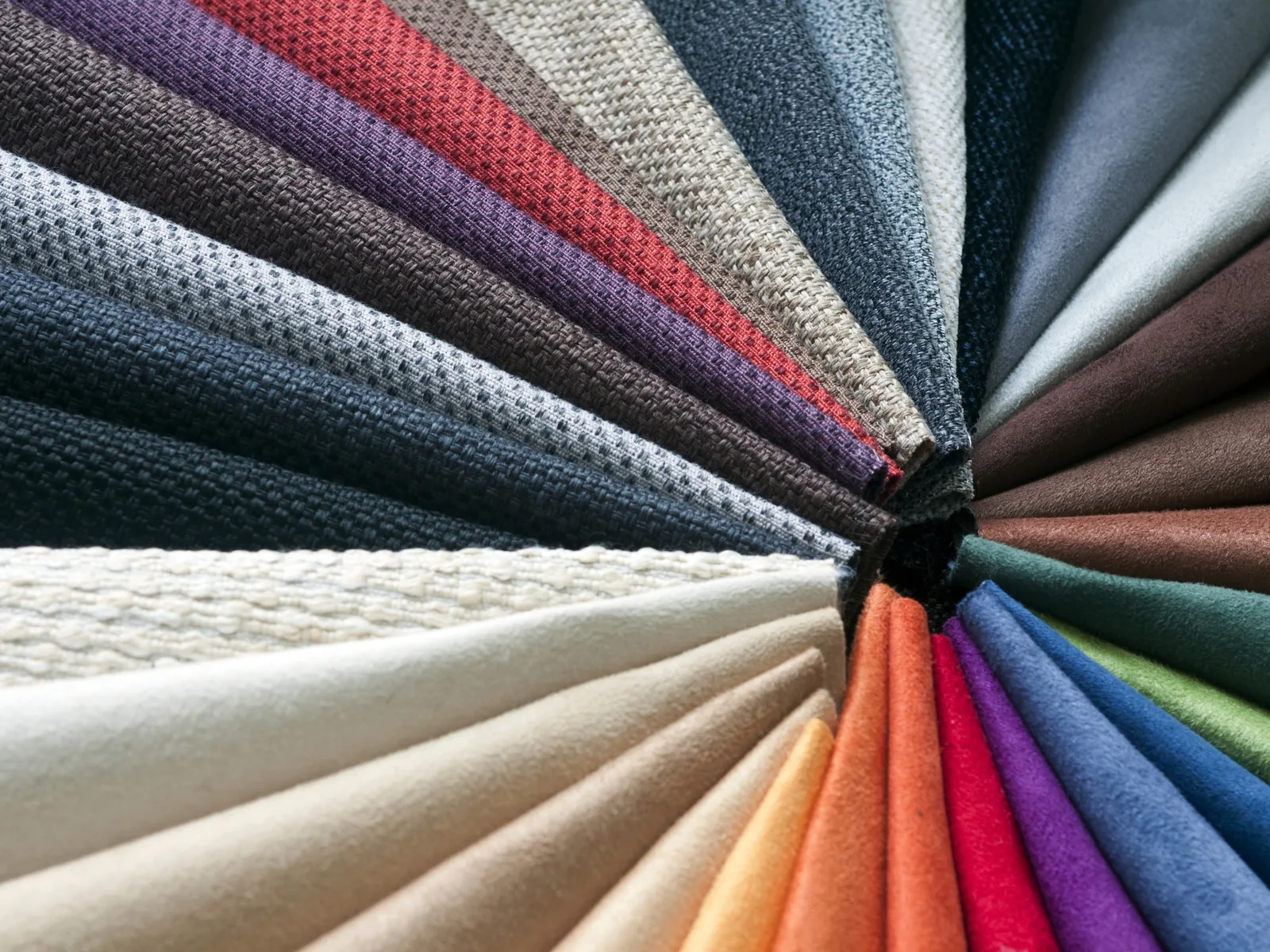
“Fluid,” “structured,” and “soft” are useful starting words, but they do not specify a fabric. Request the available composition, construction, weight, width, finishing information, and intended care direction for each candidate. Compare fabric in a piece large enough to show a fall, rather than judging only a small swatch held flat. Note whether the proposed trouser depends on a crisp crease, a soft fold, or a rounded volume. The right choice follows the design purpose.
A development sample made in substitute fabric should be labelled accordingly. It may answer a question about pocket placement or overall shape while leaving the final drape unresolved. Write down what the team is allowed to approve from that sample. Otherwise, a buyer may sign off the fit believing the final material will behave identically, while the factory understands approval as provisional. This misunderstanding is especially costly when the intended bulk fabric has a different stretch, surface, or recovery response.
For a collection that pairs trousers with related pieces, compare the pant and dress collection with the proposed wardrobe direction. A coordinated appearance does not require identical fabrics in every product. It does require an intentional explanation of colour, texture, and volume. Ask whether the trouser should complement a crisp shirt, a fine knit, or an evening camisole, and evaluate the sample with the actual type of top rather than in isolation.
How should buyers resolve rise and balance before polishing the hem?
The front rise and back rise should be recorded as separate measurements with a defined method. State where measurement starts, how the waistband is treated, and whether the tape follows the seam. A measurement is only comparable when the method remains consistent. Include the intended waistband position in the fitting notes because a wearer lowering the garment can make a tight crotch feel temporarily easier while creating a different silhouette.
Review balance from front, side, and back. Ask the wearer to stand naturally, sit, take a normal step, and reach into the pockets. Observe where fabric gathers and whether the waistband changes position. These observations are prompts for technical review, not automatic diagnoses. A horizontal fold can have several causes; the pattern team should connect the observation with measurements, fabric behaviour, and the sample construction before agreeing a correction.
Do not shorten the hem to compensate for a garment that is hanging incorrectly from the waist. First settle the upper fit sufficiently to establish how the legs hang. Then confirm the intended length under the agreed footwear condition. Record whether the approved hem is level to the floor, shaped to the design, or intentionally different at front and back. The fitting report should make that distinction explicit so inspection does not classify a design feature as a defect.
How should buyers choose a waistband that supports the product concept?
A fixed waistband, a partly elasticated waistband, and a fully elasticated waistband create different appearance and fitting expectations. A fixed construction needs a clear fastening position and an agreed waist measurement. Elasticated sections need relaxed and extended measurement methods, as well as a practical check of how the band feels during wearing. “Comfort waist” is an outcome to evaluate, not a substitute for a construction drawing.
Show where elastic starts and ends, whether it is secured against turning, and how the casing or internal finish is constructed. For a flat front with an elasticated back, ask the sample room to show the transition clearly. Gather distribution at the side seam can affect the appearance even when the overall relaxed circumference is correct. Include photographs of the inside because the external view may conceal a bulky join or an awkward edge against the wearer.
Confirm the waistband’s relationship with belt loops, fastening, and pockets. A belt loop should not accidentally interfere with a closure or create an uncomfortable stack of seam allowances. If a decorative belt is included, specify whether it is part of the sale unit and how its material and colour will be approved. Treat a change from self fabric to a purchased belt as a sourcing and costing decision, with its own sample and packaging implications.
How should buyers make pockets part of the fit review?
Pocket openings can look tidy on a hanger and spread when the garment is worn. Evaluate the sample both empty and with the kinds of small items expected in ordinary use. Avoid claiming a pocket is suitable for a particular device merely because the opening looks generous. Check the proposed pocket bag, placement, and attachment, and document the item or condition used during the review so the observation can be repeated.
Pocket bag colour and opacity matter, especially in pale trousers. Examine the garment under ordinary indoor lighting and a brighter condition relevant to retail presentation. The aim is not to promise invisibility in every possible light, but to identify whether the actual combination meets the brand’s intended appearance. If the pocket outline remains visible, compare a revised bag material, a different shape, or another construction with the technical team rather than requesting an undefined “better lining.”
Discuss whether the pocket arrangement should remain identical across the size range. A graded pocket opening may need a different rule from the trouser body. The position should be useful and visually coherent on more than the base size. If a smaller size becomes difficult to access or a larger size places the opening awkwardly, capture that issue during size-set review instead of relying on customer feedback after delivery.
How should buyers decide whether lining solves the actual problem?
Lining is sometimes proposed whenever a trouser looks transparent or clings. It may be appropriate, but it changes the garment’s construction, feel, cost, and care considerations. Identify the problem first. Is it pocket show-through, surface friction, seam visibility, or overall opacity? Different problems may call for different responses. Ask for a sample in the proposed combination rather than approving a lining swatch separately and assuming the assembled garment will behave as expected.
Specify lining extent and attachment. A partial lining ending at an obvious point can create a visible transition in some fabrics. A full lining can affect how the legs move and how the garment hangs. Discuss how the lining is finished at the crotch, side seams, and hem, and whether its length and ease are appropriate for the outer trouser. Avoid applying the outer measurement table mechanically to the lining without technical review.
When the range includes a coordinating top, use the blouse collection as a separate development conversation about the complete outfit. The trouser’s lining choice may influence what can be tucked into the waist comfortably. Try the outfit as intended: a smooth top tucked into a lined trouser can feel different from a bulky knit worn outside it. Record the relevant combination in the fitting report.
How should buyers specify length options as separate commercial decisions?
Petite, regular, and tall options should not be treated as labels added after the pattern is complete. Decide whether the programme uses multiple inseams, adjusted proportions, or both. Ask the pattern team what changes are proposed and why. The position of the knee reference, pocket, or shaped leg may matter alongside finished length. Keep the retail naming aligned with the actual technical differences so customers are not promised an adjustment the product does not contain.
Multiple lengths also affect order planning. Quantities spread across colours, sizes, and inseams create a more complex matrix than a single-length style. Before confirming a selling plan, ask how fabric availability, cutting organisation, labelling, and packing will be handled for the proposed distribution. Do not assume one quoted minimum applies independently to every combination. The actual arrangement must be confirmed for the programme.
Define how each length will be identified inside the garment and on the pack. A warehouse should not have to measure every pair to distinguish two visually similar variants. Match the identifiers in the purchase order, measurement chart, label artwork, carton plan, and retail data. A correct physical product can still become a fulfilment problem if the size name used by the factory differs from the one used by the brand’s inventory system.
How should buyers review grading beyond the base size?
Ask for the proposed grade rules and a size-set review plan that reflects the range being offered. The buyer should understand which measurements change, by how much, and under what measurement method. A rule that produces an acceptable waist progression may not automatically preserve the intended wide-leg character. Discuss thigh, seat, rise, and hem together with the technical team rather than treating grading as a single percentage enlargement.
Fit selected sizes on appropriate wearers or forms using the agreed review method. Pay attention to whether the intended waist position and movement allowance remain consistent. Do not require every size to produce exactly the same folds; different bodies and dimensions affect appearance. The goal is an intentionally developed range with documented acceptance criteria, not identical photographs achieved through styling adjustments that hide differences.
If the brand introduces an extended size range after base-size approval, treat that as additional development work. Confirm the required samples and the decision schedule before promising availability to retail partners. Record whether the new range uses the existing block with revised rules or needs another approach. Unclear ownership of this decision can lead to a factory applying a convenient rule while the buyer expects a separately considered fit.
How should buyers build a practical care and movement assessment?
The proposed care instruction should be considered alongside the fabric and construction, then reviewed against appropriate evidence for the finished product and selling market. Do not borrow a care statement from a similar-looking garment. The outer fabric, waistband components, trims, and lining form one product, and changes in any of them can make an earlier assumption unsuitable. Ask which assessments are needed and who will review the results.
For development comparisons, record measurements and photographs before and after the agreed care procedure. Identify the exact sample, method, and conditions. Examine length, waistband appearance, twisting, seam puckering, and the general drape. If the procedure differs from the intended customer instruction, state that difference. An informal observation can identify an issue, but it should not be presented as a certified result or as proof of a universal performance claim.
Repeat the basic movement review after the agreed care assessment where relevant. A trouser that still measures close to target may feel different if its surface or handle changes. Conversely, a visible change may be acceptable for a deliberately relaxed product if it is understood and reflected in the brand’s requirements. The buying decision should combine measurement evidence and intended use, with unresolved issues recorded before bulk release.
How should buyers compare quotations against the same specification?
A useful quotation identifies the fabric, construction, colour plan, size range, quantity allocation, trims, labels, and packaging assumptions. Ask suppliers to flag substitutions instead of hiding them inside a lower number. Two prices are not directly comparable when one includes lining and another does not, or when one assumes a stock trim while the other includes a custom component. Keep a short comparison sheet with the unresolved differences visible.
Wide-leg proportions may influence fabric consumption, but buyers should request a calculation for the actual pattern, usable fabric width, size mix, and cutting assumptions rather than applying a universal allowance. Directional surfaces, matching requirements, and length options can also affect the proposal. Ask what is included in the costing and what would trigger a revision. This makes a later design change easier to evaluate without treating every adjustment as an unexpected surcharge.
Set a decision deadline for changes that affect sourced materials. For example, changing from an unlined dark trouser to a lined pale version should reopen the relevant specification, costing, and sample checks. It should not pass as a simple colour change. Make the commercial approval refer to the current technical version so purchasing does not issue an order against an outdated description that no longer matches the approved sample.
What should buyers consider about turn the final sample into a usable reference?
Before bulk approval, identify the physical reference sample and its revision. Attach a measurement report, approved fabric and colour references, construction notes, trim details, and the resolved fitting comments. Photographs help remote teams locate details, but the factory also needs an unambiguous statement of what was approved. If the sample contains an accepted temporary substitution, list it explicitly and describe the final replacement that still needs confirmation.
Keep the approval record concise enough to use on the production floor. Separate critical unresolved issues from optional future improvements. A comment such as “improve overall fit” does not tell a production team what to do; a specific open issue with an owner and a required decision does. Where a change has been approved without a new full sample, document exactly what evidence supported that choice and which related checks remain necessary.
Plan the first production review around the risks found during sampling. If pocket gaping required several corrections, include that construction in the review. If pale fabric made seam allowances visible, examine the actual bulk combination early. This is more useful than treating every style as an identical inspection exercise. The approved trouser becomes a practical reference when the record connects its design intention with the details most likely to affect the buyer’s acceptance.
How should buyers work through a realistic two-colour development example?
Consider a brand developing one trouser in dark navy and pale stone for a coordinated retail capsule. The first navy sample has a pleasing fall and an acceptable standing fit. The team should resist copying that approval directly to stone. Request the pale material combination, inspect pocket visibility, and review whether the chosen seam finish remains appropriate. The two colours may share a pattern while requiring different decisions about internal appearance. Keep any approved difference visible in the bill of materials.
During sitting, the model reports pressure at the waistband and the pocket opening lifts away from the body. Record both observations without assuming they have one cause. Ask the technical team to assess the waist, rise, pocket arrangement, and wearing position. The next sample should identify which changes address which observations. If the revised waistband feels better but the pocket still gapes, the review can then focus on the remaining issue instead of reopening every decision.
The brand later requests an additional short length. Before accepting the change, build the revised quantity matrix and ask how the new version will be identified. Confirm whether the design requires only a finished-length change or a wider proportion review. Update the cost comparison, sample requirements, label references, and packing instructions together. This prevents the apparently minor request from appearing in the commercial order while remaining absent from the technical file.
At final review, keep a navy reference, the approved stone material evidence, and the relevant length records linked to the same style version. The production team should be able to tell which details are shared and which vary. The buyer should be able to trace a received garment back to that decision. This example illustrates the central discipline of wide-leg development: preserve the design intention while making every meaningful variant specific enough to produce, inspect, and sell consistently.
What should buyers consider about three actions for your next sample request?
Action 1: Describe one intended outfit
Name the top, footwear condition, waist position, and wearing situation. Ask the sample team to assess the trouser within that combination.
Action 2: Separate three approvals
Record silhouette, fit, and material approval individually. A useful substitute-fabric sample should not accidentally approve the final drape.
Action 3: Close the variant matrix
Confirm which colour, size, and length combinations will be ordered, how they will be labelled, and which remain subject to feasibility review.
How can buyers discuss next steps with Yinshan Fashion?
For the sourcing decisions behind a trouser fabric comparison, read the fabric sourcing guide.
Prepare the reference outfit, measurement methods, proposed variant matrix, and a short list of unresolved material decisions. Contact Yinshan Fashion to discuss the development scope for a custom wide-leg trouser programme and the evidence needed before sampling and bulk approval.
Sourcing Guide buyer guide
Wide-Leg Pants Manufacturer: Fit, Fabric Drape, and Size Grading
Choose a wide-leg pants manufacturer with a clear brief for drape, rise, waistband, lining, inseam options, and size-set approval.
Confirm the product brief
Connect wide-leg pants manufacturer, intended use, materials, fit, quantities and approvals in one current product record.
Review the next proof
Use the next sample, material swatch or applied component to answer a named buyer question.
Record release decisions
Keep approved scope, open conditions and changes connected to the current product version.
Buyer and factory handover checklist for wide-leg pants manufacturer
Use these prompts to make the current product decision reviewable. Confirm market requirements and commercial details for the specific programme.
| Decision area | What the buyer should prepare | What to ask the factory |
|---|---|---|
| Approval point 1 | Supply intended use, reference outfit, waist position, footwear condition, and priority fit concerns. | Confirm fabric availability, construction proposal, measurement methods, and development assumptions. |
| Approval point 2 | Confirm colours, sizes, length variants, order allocation, branding, and packaging requirements. | Explain proposed grade rules, lining arrangement, and variant identification. |
| Approval point 3 | Approve the identified sample and maintain one current comment record. | Flag unresolved substitutions and confirm what evidence is needed before bulk release. |
Continue the production conversation
Decision table: what to settle before ordering
| Decision | Evidence to request | Release condition |
|---|---|---|
| Wide-leg silhouette | Front, side, and back fit views plus leg measurements | Width distribution and wearing ease agreed separately |
| Drape and opacity | Sample in proposed fabric and colour | Actual material combination reviewed |
| Waist construction | Inside photographs and relaxed or fixed measurements | Closure and waistband operation accepted |
| Length range | Defined inseams and any proportion adjustments | Retail identifiers match technical variants |
| Size grading | Grade rules and selected size-set checks | Range concerns resolved or explicitly held |
| Bulk reference | Identified sample and current specification | All required approvals traceable |
Buyer FAQs
What should I send a wide-leg pants manufacturer first?
Send a clear silhouette reference, intended wearer and use, waist position, fabric direction, size and length range, and initial quantity allocation. Include an existing measurement chart if available, with methods defined.
Does a wider hem automatically improve comfort?
No. Comfort also depends on the waist, rise, seat, thigh allowance, construction, and material. Review movement and upper fit separately from the leg opening.
Can one approved size represent the whole range?
It establishes a reference, but it does not demonstrate that all proposed sizes retain the intended fit. Agree grade rules and an appropriate size-set review plan.
Should pale wide-leg trousers always be lined?
Decide from the actual material combination and intended appearance. Lining may help some issues but introduces its own construction, feel, and care considerations.
Are minimum quantities and development schedules fixed?
They depend on the proposed fabric, colours, sizes, length options, construction, and production arrangement. Request a programme-specific confirmation rather than relying on a general figure.