Article
What should buyers know first?
Short answer: Build a wholesale fashion line sheet with clear style IDs, images, variants, pricing basis, quantities, availability, terms, and a reliable route to ordering.
This guide explains a practical information structure for fashion brands preparing a line sheet for wholesale buyers, and for buyers organizing a custom production discussion. It does not supply universal prices, minimums, lead times, or contractual terms. Any examples are illustrative. The goal is a document whose product and commercial details can be traced to current approved records, so a buyer can move from interest to a specific, reviewable request without guessing what the offer includes.
How should buyers define the purpose of the wholesale fashion line sheet?
State who the document is for and what the reader can do with it. A brand presenting finished styles to retailers may use the sheet to collect an order request. A custom production programme may use it to summarize developed options and identify what still needs quotation. Those purposes require different status wording. The document should make its intended stage clear at the beginning.
Identify the collection or programme, issue date, revision, contact, and applicable commercial context. If the document is intended for a particular buyer group or market, make the scope visible. A reader receiving a forwarded copy should be able to determine whether the information is current and relevant without relying on the message that originally accompanied it.
Shopify's B2B terminology guide describes a purchase order through its products, prices, and quantities. A line sheet helps organize the product information that precedes that specific order record. In the buyer's workflow, keep the product presentation, enquiry, quotation, and accepted order distinguishable so each stage has a clear identity and review purpose.
Avoid presenting development possibilities as confirmed stock or a fixed offer when they are not. Yinshan's custom and private-label context requires the actual specification and order conditions to be reviewed. A useful sheet can clearly label proposed options and invite a precise enquiry while keeping confirmed information separate from decisions that remain open.
How should buyers give every style a stable identity?
Use a style code together with a descriptive product name. The code should remain consistent across the line sheet, technical brief, sample records, quotation, and order documents. A display name can help buyers understand the garment, but it should not be the only identifier when several similar designs or revisions exist within the collection.
Distinguish a style from its colour and size variants. Provide the approved naming or coding convention and make it easy to connect each option with the intended product. If a garment is part of a set, identify the component styles as well as the commercial set reference. The buyer should know whether the listed item is one garment, a fixed combination, or a separately selectable piece.
For example, a dress collection direction can contain several different silhouettes. The line sheet should give each actual developed design its own identity rather than use a category name as though it identifies one orderable product. The same principle applies when a design has a similar neckline or fabric to another style.
Keep revision control separate from style identity where appropriate to the brand's records. If a sample changes during development, indicate the version represented in the document and update related information. A buyer should not order from an image of an earlier prototype while the quotation refers to another garment under the same familiar name without explanation.
How should buyers use images that identify the actual product?
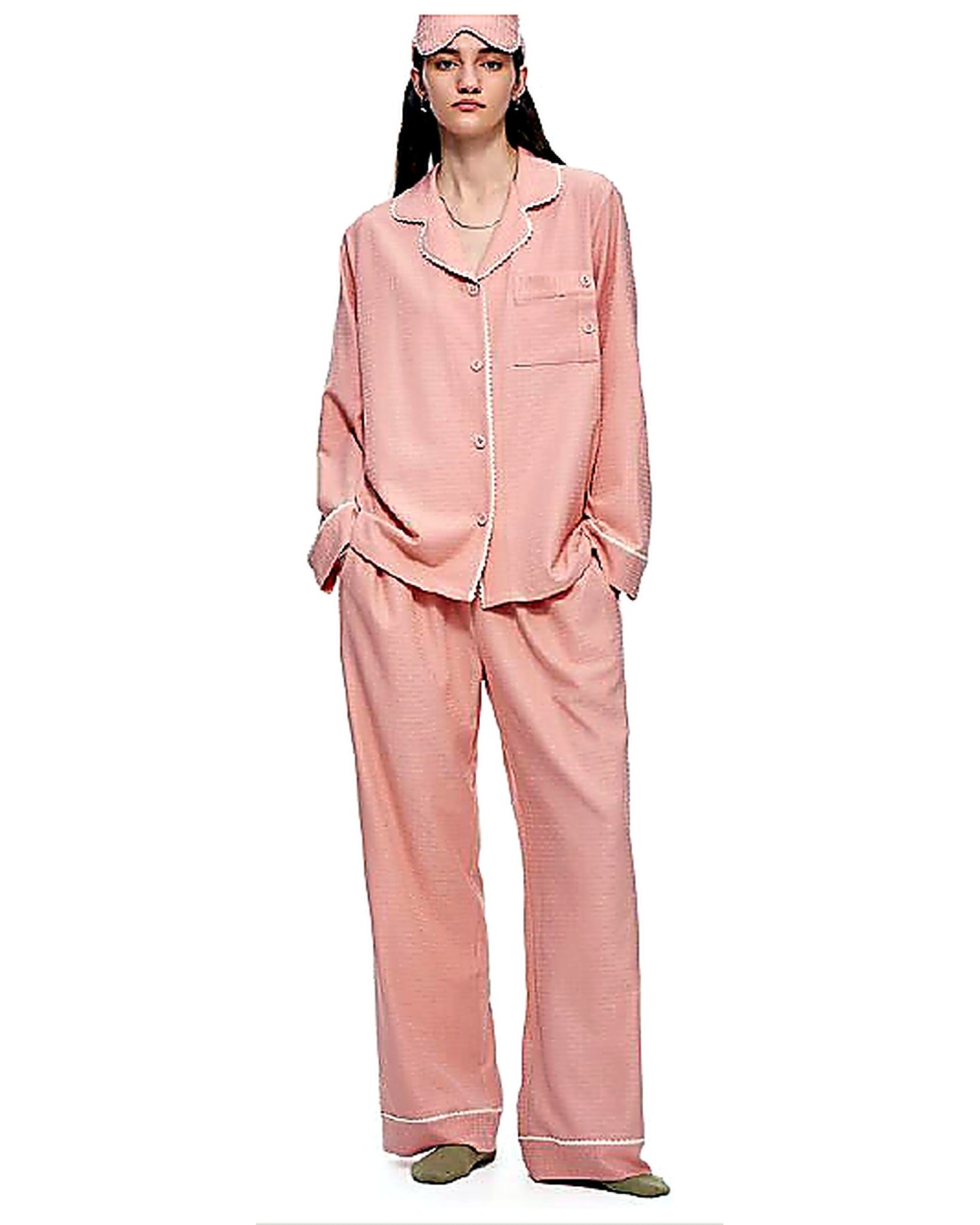
Choose clear views that show the silhouette and the details needed for selection. A front view may establish the overall garment, while a back or detail view may be necessary for an open back, closure, print placement, or other defining feature. The number of images should follow the product information need rather than a fixed decorative template.
Identify what each image represents. If it shows a development sample, a proposed colour visualization, or a styled combination, make that status clear in the relevant context. The buyer should be able to distinguish the actual garment included in the offer from accessories or other pieces used to present it. A beautiful outfit image can create confusion if the ordering unit is unclear.
Keep images connected with their style and variant records. When several colours appear on a page, label them consistently with the order information. If a sample image uses one colour while other approved options are listed, show the relationship clearly. Do not rely on a tiny swatch or an informal filename to tell the buyer which product the photograph represents.
Review the document at the sizes in which buyers will actually read it. Check whether garment details, codes, and captions remain legible on a screen and in any intended print format. A line sheet should be easy to use during a buying conversation. The design should help readers connect the image with the commercial facts rather than force them to jump between distant pages to identify one item.
How should buyers describe the garment through facts relevant to buying?
Write a concise description that identifies silhouette, material information, construction details, and other features relevant to the product. Use verified facts from the current specification. If a detail is still proposed, label it accordingly. The description should give a buyer enough information to compare garments without burying the practical differences under broad claims about luxury or quality.
For a blouse collection, useful distinctions might include the actual neckline, sleeve, closure, length, and material direction of the selected style. The line sheet should describe that garment, not repeat a generic paragraph that could apply to every top. Keep any functional or material claim within the scope of the evidence the brand actually holds.
Connect fit information with the appropriate size reference. If the sheet uses words such as fitted, relaxed, or cropped, ensure they correspond with the approved product direction. Provide a route to the relevant size chart or fuller specification where the buyer needs it. A short commercial description does not replace the technical measurements used to develop the garment.
Review descriptions after product changes. A different lining, removed pocket, or revised closure can make an earlier sentence inaccurate even if the main image looks similar. The person responsible for issuing the line sheet should reconcile it with the current product records. This makes the document a reliable buying reference rather than a polished snapshot that quietly diverges from the actual programme.
What should buyers consider about show colours and sizes as an explicit option matrix?
List the colour and size options for each style, including deliberate differences between colourways where relevant. Avoid a general collection-wide size statement if individual products have different ranges. The buyer should be able to determine which combinations are offered and which remain proposed without interpreting ambiguous symbols or assumptions from another page.
Use stable colour identities and explain the mapping to any customer-facing names. A retail shade name may be useful for presentation, while the factory uses a technical reference. Keep both connected in the underlying records. The line sheet should not introduce a new colour name that cannot be traced back to an approved garment or material option.
For a casual pants programme, the size chart and actual garment specification may be especially relevant to a buyer's evaluation. Provide a clear reference to the applicable chart and identify its revision. Do not let a shorthand size range imply a universal fit standard or technical approval beyond the actual development record.
If products are sold in defined packs, explain how the option matrix relates to those packs. If buyers can choose individual variants, show the information needed to make that selection. The sheet should distinguish available choices from ordering constraints so a buyer does not prepare an impossible combination that only becomes apparent when the order is processed.
What should buyers consider about present price with its basis and current status?
Label the currency, unit, product version, and commercial basis associated with any price. State whether the figure is confirmed for the listed scope, indicative pending details, or part of a specific buyer quotation. The reader should not have to infer whether a number refers to one garment, one set, a pack, or another ordering unit.
Keep wholesale prices separate from any suggested retail figures used by the brand. Identify each field clearly and avoid implying that one is the other. If the brand includes a retail suggestion, it should be presented according to its actual commercial policy. This guide does not prescribe a markup, retail price, or legal treatment; the useful line-sheet requirement is clarity about what each stated amount represents.
Show consequential conditions in a readable place. A price may depend on confirmed materials, decoration, quantity, packing, or other project details. The buyer needs to understand the scope before comparing it with another offer. Do not hide a specification change inside a price revision while leaving the product description and image unchanged.
Give the document a validity or review reference appropriate to the programme. If prices change, issue a controlled update and identify which version applies to the enquiry being discussed. A forwarded PDF can remain in circulation after the original offer has changed, so the ordering process should reconfirm the current details rather than assume that every historical copy remains applicable.
How should buyers explain minimums, packs, and quantity increments precisely?
State the level at which each ordering condition applies. A minimum might relate to an order, style, colour, material, or another defined grouping in the actual programme. A pack might contain a fixed assortment, while an increment controls the steps in which quantity can be requested. These are different pieces of information and should not be collapsed into one unexplained minimum field.
Use a worked example if the arrangement is difficult to understand. In a hypothetical six-piece pack containing a stated size mix, an order for four packs represents twenty-four garments. The sheet should show whether the displayed price is per pack or per garment and whether the quantity field asks for packs or pieces. This example illustrates notation only; it is not a Yinshan minimum or a recommended size ratio.
Describe which options can be mixed under the stated condition. If a buyer can combine certain styles or colours, identify the permitted grouping. If that arrangement remains subject to project review, say so. Do not imply unrestricted mixing merely because several products appear on the same page or share a collection title.
Check totals against the variant matrix before issuing the document. A pack description should correspond with the actual sizes and colours shown for the product. If one option is unavailable or still under development, the sheet needs a resolved explanation. Buyers should not have to discover a contradictory size mix after they have already built an order around the published pack information.
How should buyers distinguish availability from the stages of delivery?
Describe the product's current status accurately. A developed design, an approved production sample, planned production, and stock available for allocation are different situations. The sheet should use wording that reflects the actual programme and date. Do not present a custom production option as ready stock merely to make the document resemble a conventional wholesale catalogue.
Clarify what any date or window refers to. It may concern order submission, sample approval, production readiness, dispatch, or an expected arrival under stated assumptions. The buyer needs to understand the milestone before planning a selling period. A single field labeled delivery can hide different interpretations unless the document defines it clearly.
Keep estimates and confirmed commitments distinguishable. If timing depends on final quantities, material approval, payment arrangements, or another decision, identify the relevant dependency. The line sheet can provide a useful planning indication without representing it as an unconditional outcome. Confirm the actual order details through the agreed commercial process before the buyer relies on them operationally.
Update the sheet when a consequential status changes. A product that moves out of the proposed range or requires a revised schedule should not remain silently available in the current version. Maintain the relationship between the document, the quotation, and the order record. This is particularly useful when a buyer returns to an earlier selection after several weeks of internal review.
What should buyers consider about summarize terms without hiding the order process?
Include the relevant commercial information the buyer needs to decide whether to proceed, using the brand's actual approved terms. Identify payment arrangements, order submission requirements, packing assumptions, and the route for questions about other conditions. A concise summary should point to the complete current terms where needed rather than attempt to replace them with vague shorthand.
Make the next step explicit. State what the buyer should send, which reference to quote, and how the request will be reviewed. For a custom programme, this may include quantities by variant, required specification details, destination information, and the desired project schedule. The sheet should help the buyer prepare a meaningful enquiry instead of leaving the seller to recover basic information through several follow-up messages.
Do not imply that selecting a product automatically resolves all technical or commercial questions. The actual ordering process should confirm the product version, quantities, pricing basis, timing, and applicable terms. Keep the distinction clear in the workflow. The document should support accurate decisions without making unsupported legal statements about when any particular transaction becomes binding.
Ensure that the contact and routing information is usable. A buyer should know where to send product questions and where to submit the completed request. Test any links and verify that the referenced documents are accessible to the intended audience. A polished sheet becomes difficult to use if the order route depends on a missing attachment or an internal folder the buyer cannot open.
How should buyers organize the layout around comparison and selection?
Group products in a way that helps the buyer review the collection. Categories, coordinated stories, delivery groups, or another relevant structure can work when the grouping is clear. Keep the recurring fields in consistent positions so readers can compare styles without searching each page for a different arrangement of price, size, and quantity information.
Use enough space for product codes, variant labels, and conditions to remain readable. Avoid shrinking essential text simply to fit more products on one page. The sheet's purpose is selection, so a buyer should be able to match an image to its data quickly. A large decorative heading should not compete with the information needed to identify the actual ordering unit.
If the document includes an order-entry section, separate editable quantity fields from product facts and formulas. Make the unit clear and show how totals will be checked. For a PDF, provide an appropriate companion order form or a clear alternative route if direct entry is not supported. The chosen format should fit the buying workflow rather than assume that every reader uses the same software.
Review the final output in its intended forms. Check screen reading, printing if relevant, links, page breaks, and the connection between product and terms pages. A document can look attractive at full size while becoming unusable when printed or viewed on a smaller screen. Verify the actual exported file rather than relying only on the design view used to create it.
How should buyers check product facts against the current approval records?
Use the published fashion product brief guide to connect the line-sheet information with the underlying garment records. Confirm style identities, materials, construction details, colours, sizes, images, and the status of the samples represented. The commercial summary should reflect the product that has actually been developed or is accurately described as proposed.
Assign owners for the different information types. Product development may confirm specifications, the commercial team may approve prices and terms, and another responsible person may check the final document version. The process can be simple, but someone needs to reconcile the complete sheet before release. Independent approval of separate fields does not automatically catch contradictions between them.
Perform a sample order exercise using the sheet. Choose an illustrative style and variant combination, enter quantities according to the stated rules, and verify that another team member can interpret the request. Check whether the total, product identity, and intended packing can be understood without verbal explanation. This practical review can expose a missing unit or unclear pack description before buyers encounter it.
Keep the result and release record concise. Identify the version checked, the issues corrected, and the person authorizing the current document. Archive earlier versions clearly enough that the team does not accidentally resend them as current. The buyer should be able to quote a revision when discussing an item, giving both parties a reliable reference for resolving a discrepancy.
How should buyers carry the buyer's selection into a specific order record?
When a buyer responds, preserve the line-sheet version and identify the exact styles, variants, quantities, and questions in the request. Reconcile the selection with the current product and commercial information. If something has changed since the sheet was issued, explain the difference and resolve it before treating the request as a fully specified production instruction.
Keep requested changes visible. A buyer may ask for another colour, a private-label detail, different packaging, or an adjusted size scope. Those are development or quotation questions to review, not automatic extensions of the listed offer. Give each change a clear identity and confirm the effect on the product, quantity conditions, price, and schedule for the actual enquiry.
Use the final quotation and order documents to record the resolved scope. The line sheet remains a useful product reference, while the order record identifies what the parties have actually selected through their agreed process. The factory should receive the current technical specification and authorized quantities rather than be expected to infer a custom garment from a marked-up catalogue image alone.
After the order, retain the mapping for future enquiries. The buyer may refer to a familiar product name months later, while the underlying material or commercial conditions require reconfirmation. A clear link between line-sheet version, style identity, sample, and order makes that conversation easier. It allows the next discussion to begin from the actual prior product instead of an ambiguous image or outdated price field.
How should buyers use a short example to test the document's clarity?
Imagine a buyer selecting a camisole-style top and a coordinating trouser from a hypothetical sheet. The top is sold individually, while the trouser is shown in a defined pack. If both quantity fields are simply labeled quantity, the request can be misread. Adding the actual unit and the pack composition makes the intended selection reviewable before pricing or fulfilment proceeds.
Now suppose the buyer requests another top colour that appears only in a development image. The sheet should make that option's status clear and route the request for confirmation. The example illustrates the standard to aim for: a reader can identify what is offered, what is being requested, and which decisions remain open. Good presentation supports that understanding through consistent data, legible layout, and a clear next step.
How can buyers discuss next steps with Yinshan Fashion?
Send your candidate styles or existing line sheet, product references, colour and size choices, quantities, customization needs, and intended project schedule through Yinshan Fashion's contact page. The team can review the custom or private-label enquiry and identify the specifications and commercial details needed for a clear proposal.
Sourcing Guide buyer guide
Wholesale Fashion Line Sheet: What Buyers Need to See Before Ordering
Build a wholesale fashion line sheet with clear style IDs, images, variants, pricing basis, quantities, availability, terms, and a reliable route to ordering.
Reconcile the product facts
Match codes, images, descriptions, colours, sizes, and sample status with the current garment records.
Test one example order
Use the stated units, packs, quantities, and price basis to confirm that another reader can interpret the selection accurately.
Control the version
Issue a dated revision, provide a usable order route, and make consequential updates visible when the product or commercial information changes.
Buyer and factory handover checklist for wholesale fashion line sheet
Use these prompts to make the current product decision reviewable. Confirm market requirements and commercial details for the specific programme.
| Decision area | What the buyer should prepare | What to ask the factory |
|---|---|---|
| Approval point 1 | identify the line-sheet version, styles, variants, quantities, destination context, and requested changes. | confirm the applicable product specification, quantity conditions, quotation basis, and project status. |
| Approval point 2 | distinguish listed options from new customization or development requests. | flag differences between the selection and the current approved production references. |
| Release and repeat | Record the current requirement, reference and approval owner for this product decision. | Which proof or record should confirm the decision before the next stage? |
Continue the production conversation
Decision table: information a fashion buyer needs
| Field group | What to show | What to verify before issue |
|---|---|---|
| Document identity | Collection, date, revision, audience, contact | Current scope and usable order route |
| Product identity | Style code, name, set or component status | Match with current product records |
| Images and description | Actual garment and relevant features | Correct variant, revision, and factual claims |
| Options | Colours, sizes, deliberate exceptions | Complete approved or clearly proposed matrix |
| Pricing | Currency, unit, basis, status | Matched specification and current conditions |
| Quantities | Minimum level, packs, increments | Clear units and consistent combinations |
| Availability | Product status and defined milestones | Accurate date context and dependencies |
| Ordering | Required information and review process | Traceable selection and resolved order scope |
Buyer FAQs
What is the main purpose of a wholesale fashion line sheet?
It helps a buyer identify products, compare relevant options, and prepare an accurate selection or enquiry using clear product and commercial information.
Should it contain only images and prices?
No. Include stable product identities, variants, ordering units, quantity conditions, current status, relevant terms, and a clear next step.
How should a custom production option be described?
State its development and quotation status accurately, identify what remains to be confirmed, and request the information needed for the actual programme.
What is the most important detail for pack orders?
Show the pack composition, the unit used for price, and the unit requested in the quantity field so packs and individual garments cannot be confused.
Can a line sheet replace the final technical specification?
It summarizes product choices. The factory still needs the current technical records and the resolved, authorized scope for the actual order.