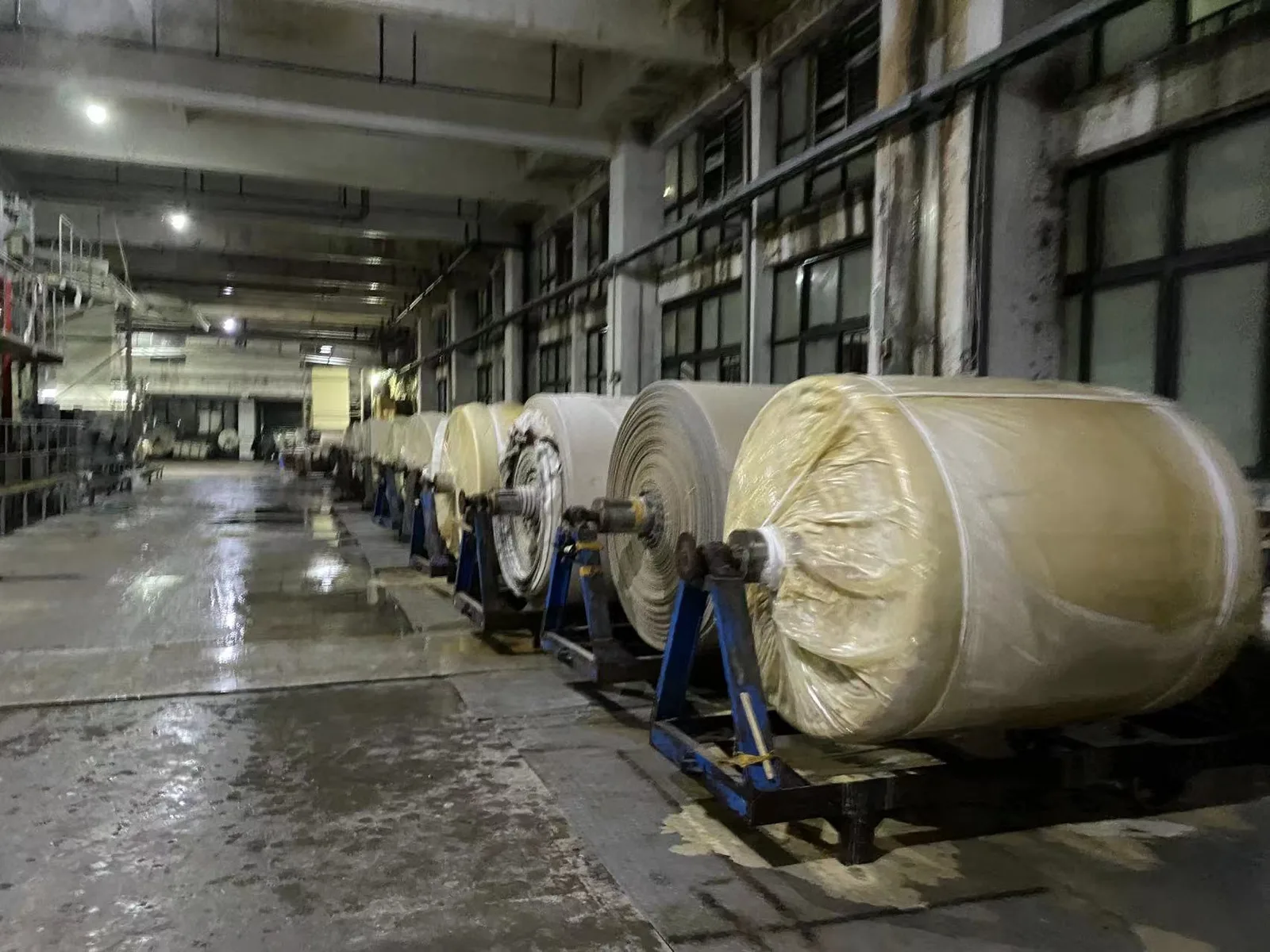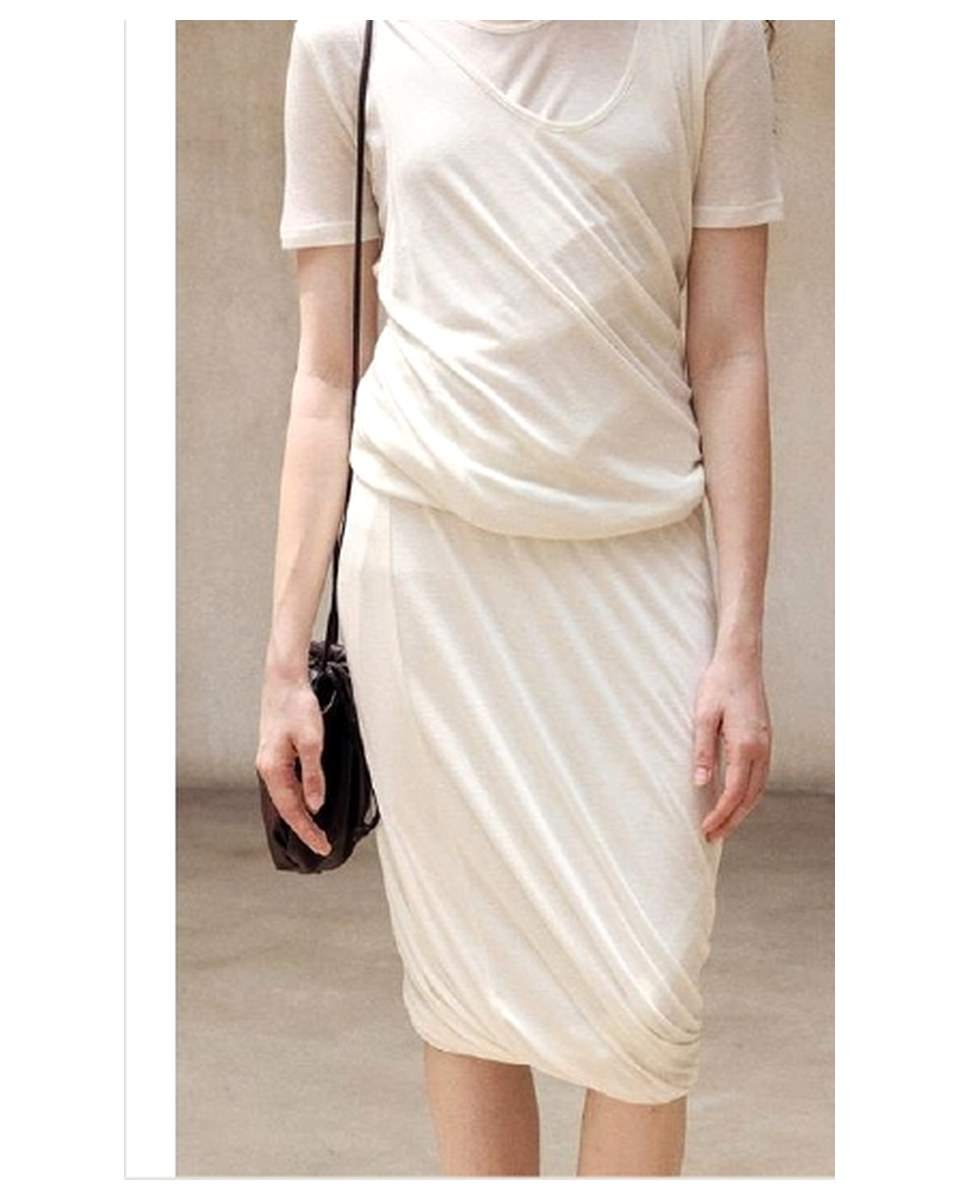
Article
What should buyers know first?
Short answer: A B2B buyer guide to framing microfiber-shedding questions around a specific synthetic garment, documented samples, care wording and controlled production handover.
Start with the product, not a universal material claim
Microfiber shedding synthetic clothing questions should begin with a specific garment and a specific decision. A women’s active legging, lightweight blouse, sleepwear set, lined party dress and fitted top can each use a synthetic-fibre fabric, yet they do not create the same material, construction, wear or care questions. It is not accurate to promise that a fibre label by itself predicts how much material a finished style will release in use or laundering. The candidate construction, yarn route, surface treatment, garment pattern, seams, trim, lining and care conditions are part of the product context.
For a B2B buyer, the first useful output is therefore a clear brief. State the style, target market, intended wearer and use context; identify the candidate fabric reference and its current construction description; name the colour and finish under review; and describe the part of the garment that creates the open question. A record that says “reduce shedding” is too vague to guide sampling. A record that says “compare two body-fabric candidates for the current long-sleeve active top, including the proposed side seam and intended care wording” gives the factory and brand a decision they can investigate without implying a guaranteed outcome.
Yinshan Fashion supports custom and private-label bulk programmes rather than an unrestricted ready-stock catalogue. A buyer can provide the reference style or tech pack, component list, sample objective, quantity context and proposed customer language. The factory can then help organise the material and sample conversation around what is known, what can be compared and what still needs separate technical, legal or market review.
Separate fibre content from construction and garment use
A composition line may be essential for a label or material record, but it is not a complete garment brief. Fibre content, yarn, knit or weave construction, weight, surface finish, colour, pattern placement, lining and sewing method describe different aspects of a candidate. A change to one of these inputs can change what needs to be reviewed. Two candidates that both contain polyester or nylon are not automatically interchangeable for a specific skirt panel, fitted sleeve or activewear seam.
Keep the material record layered. First, note the supplier reference and current composition. Next, write the reported construction and finish. Then record the garment area, sample version, colour condition and intended customer wording. Finally, name the decision owner and the limitation of the evidence held. This makes it possible to distinguish a fabric proposal from a production-ready material decision and to see when a later substitution must reopen the review.
The fabrics and trims process is useful for keeping the shell, lining, elastic, zipper tape, labels and other components in the same product conversation. It does not make a general material route a measured shedding result. It helps a buyer see which component is under consideration and which changes require a new sample or copy review.
Build a sample question that can actually be answered
A flat swatch can help a team assess surface, colour direction, thickness or initial handfeel. It usually cannot show every result of a finished garment. Construction at a seam, a lined panel, an elastic edge, a high-movement zone or a printed surface may create a different product condition from the swatch. When the buyer’s concern relates to a constructed style, decide whether a sewn panel or representative garment sample is more appropriate than a material cutting alone.
Write a narrow exit criterion before the sample is made. Examples include: “select a body-fabric candidate for the current side-seam construction,” “review the revised sleeve panel with the intended binding,” or “decide whether the material wording remains accurate after the proposed finish changes.” Each statement identifies a subject, a condition and a next decision. It does not claim that one sample proves every future colourway, pattern change or care route.
The active fashion range can help a buyer describe the type of garment area that needs a sample—such as a leg panel, waistband, sports-bra seam or fitted top—but it is not proof of a universal composition or performance level. The proposed material and current sample remain the relevant references.
Keep care wording within the evidence held
Care information should be treated as customer communication connected to the current garment version. A brand may have a target market, a preferred care route and a view of its customer’s use case, but those inputs do not support a broad promise that a certain wash setting, detergent or accessory eliminates fibre release. If care language is being considered, attach it to the product record and document what it is intended to communicate, which version of the garment it applies to and which assumptions remain outside the scope of the current evidence.
This is especially important when the brand changes fabric, lining, finish, colour or construction after sampling. A product-page sentence, hangtag or marketplace listing might need a new review even when the silhouette looks unchanged. The goal is not to make ordinary care communication complicated. It is to ensure that a simple phrase is not accidentally expanded into an unsupported environmental or performance claim.
Use change control before bulk handover
At bulk handover, put the current fabric reference, colourway, pattern or sample version, components, proposed care wording, packaging inputs and open conditions in one accessible record. Assign an owner to each unresolved point. If the factory proposes an alternate construction, finish, lining or component, the buyer can decide whether it affects the physical sample, customer copy, commercial assumptions or production release.
The custom womenswear manufacturing route offers a practical way to connect fabric direction, pattern work, fit samples, labels and packing to production handover. It is not a promise of fixed material behaviour, testing results, price, MOQ or lead time. Those details remain programme-specific and must be confirmed against the actual order.
For related sampling discipline, the recycled nylon fabric guide shows how a buyer can separate material documentation from a completed-garment decision. The subject here is different: the key lesson is to keep the candidate material, sample condition and customer wording tied to the same current product version.
Turn an environmental concern into a controlled comparison
Many teams begin this topic with a general environmental concern. That concern can be useful, but it should be converted into a question that a development programme can handle. First decide whether the buyer needs a design comparison, a care-communication review, a supplier-document request, a product-specific test discussion, or a combination of those activities. These do not produce the same evidence, and one should not be used as a substitute for another.
For example, a brand may ask whether a proposed knit, woven shell or brushed surface is appropriate for a high-use garment. The team can request candidate material records, compare representative swatches, identify a constructed sample area and document what has changed between options. If a test is proposed, the record should name the method, laboratory or responsible party, condition, sample version and limitation of the result. A result for one sample and one method should not automatically be transformed into an unconditional statement about every garment, wash routine or colourway.
The comparison record should also state what it cannot answer. It may show a material difference under a named condition, but it might not establish a whole lifecycle result, customer behaviour, municipal treatment outcome, a legal claim or a future supply guarantee. Keeping these boundaries visible helps a buyer make a practical material decision without overstating what the current evidence proves.
Review high-contact and constructed areas in a garment sample
An isolated material can be a useful starting point, yet a finished garment contains construction choices that a swatch does not show. Review the named area where the garment will be cut, joined and worn. A buyer can note whether the style has a high-movement panel, elastic attachment, lining, binding, pocket, zipper, mesh insert, applied print, gathered seam or another component that should be included in the sample conversation. This does not imply that a component causes a predetermined result. It makes the sample scope transparent.
When a full prototype is not the next necessary step, a targeted panel can keep the process focused. For a sports top, the team might review the side seam and binding. For a fitted dress, it might review the lining and a shaped panel. For sleepwear, it might review the main body fabric and a printed area. State the question before the sample is made, then record the exact candidate, colour condition, sewing specification and observation. If the next sample changes any of those items, write down what is carried forward and what must be rechecked.
This approach also supports clearer communication between a small brand, a designer and a factory. A phrase such as “use the lower-shedding option” does not identify a sample, construction or evidence standard. A more useful instruction is “retain the selected body-fabric reference for the sample, while the brand reviews care wording and the side-seam construction remains open.” The instruction communicates a current decision without presenting a blanket claim.
Decide what supplier information is relevant before requesting it
Material documents can serve different purposes. A composition record may help the brand prepare product information; a mill specification may explain the proposed construction; a supplied test report may cover a stated condition; and a certification document may have a defined scope. Ask for the document that answers the decision at hand, then retain it with the current fabric reference. Do not imply that a facility document or a broad supplier statement proves a result for a different material, component or finished garment.
Create a short document register. Include the document name or type, the fabric or component reference it covers, source, date or version, intended use in the decision and any limitation that must stay with it. If the proposal changes from one finish, yarn route or colour condition to another, decide whether the earlier document still applies. The register is useful not because it creates more paperwork, but because it stops old evidence from drifting into a new product description.
When customer copy is prepared, place it beside the relevant fabric code, sample and source record. A precise statement can be reviewed against the item it describes. A broad phrase about preventing fibre release, eliminating microplastics, improving environmental impact or guaranteeing a care outcome should be rejected or narrowed unless the brand has sufficient applicable evidence and market review. The customer-facing page should never be the place where an unreviewed development assumption becomes a public assurance.
Treat care communication as an operating instruction, not a promise
Care information is normally written to help the customer handle the garment, but it can be misunderstood when it is combined with a broad environmental message. The brand should decide what it intends to say about washing, drying, storage or product maintenance and make sure the statement matches the current garment and target market. The final text may need input from the brand’s own technical, legal or local compliance advisers.
Avoid implying that a single instruction prevents all fibre release or solves an environmental issue across every use case. The customer’s machine, load, detergent, water condition, other garments, use pattern and the exact product version can differ. A care sentence should be specific enough to be useful without claiming a measured effect that the programme has not established. If the garment material changes, put the care language back into the change-control review.
For private-label programmes, label, hangtag, ecommerce copy and product photography should all refer to the same approved version. A care instruction that is accurate for an early sample may need review after a fabric change. Yinshan Fashion can help organise labels, packing inputs and production handover, while the buyer retains responsibility for final claims and market-specific compliance decisions.
Use a material-change gate for repeat orders
Repeat orders are easier to manage when the prior decision can be read without relying on memory. Store the approved style, colourway, fabric and component references, sample version, documents reviewed, care wording, packing inputs, open conditions and named owner together. The record should not suggest that nothing will ever change; it should make a change visible when it happens.
Set a clear trigger: a changed composition, construction, finish, colour, lining, trim, pattern section or customer-facing claim requires a buyer decision. The factory can identify the proposed difference, and the brand can decide whether it changes the sample, copy, price assumptions, order timing or production release. A controlled change process helps a small label avoid transferring an old conclusion to a materially different product version.
Coordinate the product, care and claim owners
A microfiber-shedding question can cross several teams. Product development may own the fabric and construction comparison. The brand team may own labels, ecommerce copy and campaign language. A sourcing manager may own the material documents and supplier discussion. A compliance or market adviser may need to review a particular customer-facing statement. Put the named owner beside each open point so that no one assumes another team has approved a conclusion.
This is particularly important when the visible product description changes late in development. A merchandising team may want a short phrase for a launch page while a sample is still changing. The practical response is to preserve the current wording as draft, attach it to the product version and decide whether the available evidence supports it. If it does not, the team can use a factual product description or remove the claim. A useful process prevents a late marketing deadline from becoming the reason an unverified promise reaches the customer.
The same approach applies to customer-service material. If the brand plans a care FAQ, marketplace response or retailer sell-in sheet, the document should identify the garment it concerns and use the same approved wording as the label or product page. When teams work from one version record, a material change is easier to spot before it creates conflicting instructions across channels.
Use a small-batch comparison to make a focused decision
Small brands do not need to test every possible combination before a first decision. They can reduce uncertainty by choosing the one product condition most likely to change the purchase or development choice. For example, a brand developing a fitted recycled-polyamide top might compare two named body fabrics with the same side-seam treatment and the intended binding. A sleepwear programme might compare two finishes on the same main-body panel. The purpose is not to make a universal statement about synthetic garments. It is to select the next sample route for the product being developed.
Record the sample boundary in everyday language. State what was held constant, what varied, who observed the sample and what decision the comparison was designed to inform. If a sample helps the team reject one candidate for the stated construction, that is already a useful result. It need not be converted into a broad fibre claim. The selected candidate still needs its own fit, appearance, customer-copy and bulk-handover reviews as the programme moves forward.
Connect design decisions to customer communication
A buyer should decide early whether the garment needs a simple care instruction, a materials description, a retail training note or all three. Each serves a different reader. A factory material record can identify the candidate fabric and finish. A care label can give ordinary handling instructions for the approved product. A retailer brief may explain how the brand wants the product described. These documents should be consistent, but one document should not silently become evidence for a different purpose.
Before approving copy, review the exact noun that is being described. Is the statement about the shell fabric, a lining, an applied component or the finished garment? Does it refer to the sampled version, or to an earlier development option? Is the wording an observation, an instruction or a promise? The answers determine who needs to review the text and whether the brand needs further evidence. This small check makes it easier to retain useful customer communication without turning a material discussion into a universal claim.
Use a version label across the material sheet, sample comment and customer-copy draft. A style code, colourway, fabric reference and sample date may be enough for a small collection. If the fabric, finish or construction changes, mark the related wording as requiring review rather than copying it forward automatically. That gives the buyer an honest way to manage a changing product without rebuilding every document from scratch.
Review movement, seams and finishing as separate product conditions
A construction review works best when the team can say where and how the garment will be used. A close-fitting top, a wide-leg lounge trouser, a lined dress and an active legging may have different movement, rubbing and seam conditions even when the fabric brief looks similar. Name the area and condition that matters to the sample. This might be a side seam under stretch, a bound armhole, a brushed inside face, a lining edge or a printed panel. The sample does not need to prove every future use case. It should answer the specific question that governs the next development choice.
Ask the person reviewing the sample to note the material reference, construction, colour condition, pattern version and components. Capture what was observed and what remains unresolved. If the buyer changes the finishing route, binding or component after the review, the record should make that difference visible. It is better to reopen one relevant question than to carry an approval into a different construction by assumption.
This record also assists quality and production conversations. It does not set a general testing threshold or promise a performance result. It tells the team which physical reference was seen, which product condition it represented and which change would need the buyer's next decision. That is enough to make a small-batch sample route more repeatable without overstating its scope.
Keep material and order records ready for the next handover
The final release file should be usable by someone who did not attend the development review. Put the current material reference, colour, component list, sample version, approved care wording, open conditions and decision owner together. Add the quantity context and any dependencies that a confirmed quotation or order must resolve. This does not create a fixed price, MOQ, timing, certification or availability claim. It creates a clear starting point for the programme-specific discussion.
For a repeat order, compare the new proposal against the approved record rather than relying on a familiar material name. Ask whether the construction, finish, colour, component, document scope or customer wording has changed. If it has, identify whether the change affects a sample, product copy, commercial assumption or production release. A buyer can then accept, revise or pause the proposal with a documented reason.
What to send for a microfiber-shedding clothing enquiry
Send Yinshan Fashion the current style or tech pack, garment category, target wearer and use context, candidate fabric references, construction and finish information, colour and component list, sample objective, any documents already held, target market, draft care wording and quantity context. This allows the development discussion to move from a broad concern to a controlled material, sample and handover plan.
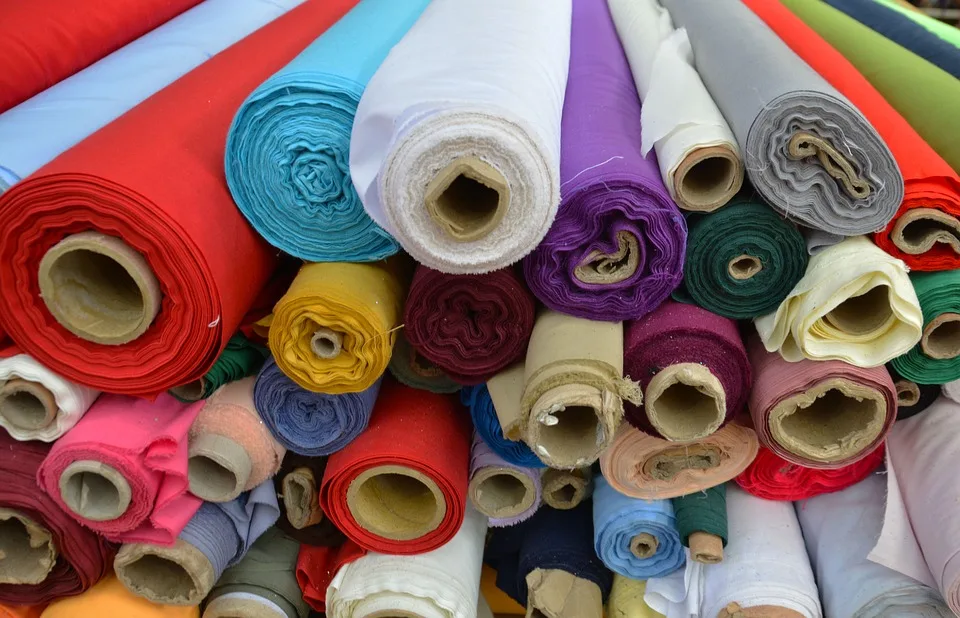
Material and claim-control kit
Three actions that keep a microfiber-shedding question tied to the current garment
Name the product condition, examine the right physical proof, and carry only evidence-backed wording into labels, ecommerce copy and bulk handover.
Name the exact garment question
Identify the style area, material candidate, construction, care context and decision the next sample must inform.
Review a proof that matches the question
Use a swatch, sewn panel or representative garment only for the seam, lining, binding, finish or use condition it can actually show.
Keep the approved wording versioned
Connect material reference, sample version, care language, open conditions and change triggers before bulk handover.
Buyer actions and factory questions for a synthetic-garment microfiber discussion
Test scope, commercial terms, availability, customer claims and market obligations remain specific to the confirmed product and the evidence held for it.
| Decision area | What the buyer should prepare | What to ask the factory |
|---|---|---|
| Product scope | State the garment, target wearer, use context, components and area creating the question. | Which candidate material and constructed condition should be compared for that product area? |
| Material record | Provide the current composition, construction, finish, colour condition, component list and document references. | Which details are confirmed for the candidate and which still need supplier or sample review? |
| Physical proof | Give the swatch, panel or garment sample one named decision and one review owner. | What can the selected proof answer, and which product condition remains outside its scope? |
| Care and copy | Keep labels, ecommerce wording and service material tied to the current product version and target market. | Does a proposed material or construction change reopen the copy review? |
| Bulk handover | Record approved references, open conditions, quantity context and change triggers together. | Which substitution could affect the sample, wording, commercial assumption or release decision? |
Continue the production conversation
Microfiber-shedding review: keep the product, evidence and wording on one record
| Decision point | Buyer record | Factory question |
|---|---|---|
| Candidate material | Fabric reference, construction, finish and colour condition | Which current sample represents the proposed order route? |
| Garment use | Movement, seam and friction areas under review | Is a swatch enough, or is a constructed panel required? |
| Care wording | Target market and proposed language | Which statements are supported by the supplied record? |
| Evidence | Method, version, condition and limitation | Does a change reopen the comparison or copy review? |
| Bulk handover | Approved reference and change triggers | Which substitute could change the current decision? |
Buyer FAQs
Does a synthetic fibre name predict microfiber shedding?
No. A meaningful review also considers the specific construction, finish, garment area, use conditions, care context and evidence held for the current product version.
Can a supplier promise that a garment will not shed microfibres?
Not from a general material description alone. If a comparison or test is relevant, document its method, condition, sample version and limitation, and keep public wording inside that scope.
Is a swatch enough for a microfiber-shedding decision?
A swatch can start a comparison, but it may not represent seams, linings, bindings, prints, high-movement sections or finished-garment use.
What should a buyer ask the factory to record?
Ask for the material reference, composition, construction, finish, colour condition, proposed garment area, sample identifier, document scope, open decision and any change that could affect wording.
Can care wording claim that a wash routine eliminates fibre release?
No. Care wording should help customers handle the current garment without becoming an unsupported universal environmental or performance claim.