Article
What should buyers know first?
Short answer: Build a skirt manufacturing brief that controls waist fit, lining, closures, slits, hem balance, grading, care review and production release records.
For a brand, a bulk-ready specification is the record that connects the desired design to an approved sample and a repeatable production instruction. It should explain what the buyer accepted, how key measurements are taken and which components belong to the style. This guide focuses on those construction decisions. It complements broader assortment or boutique fit planning by examining the details that must be resolved before an attractive skirt sample becomes a controlled production file.
What should buyers consider about tell the skirt manufacturer where the waist should sit?
Name the intended waist position and show it on the design reference. A skirt worn at the natural waist and one intended to sit lower require different relationships between waistband, hip and length. Do not assume that a size label communicates that position. Identify the body or garment reference used for development, the sample size and the underlayers expected during review. The factory needs to know the intended wearing arrangement before interpreting the measurement chart.
Describe the silhouette and occasion. A fitted evening skirt, an easy elasticated style and a pleated daytime skirt can have the same nominal length while requiring different movement and coverage decisions. Explain whether the garment is meant to work with a tucked blouse, a cropped top or a longer layer. The pant and dress collection provides lower-body product references for discussion, while the final brief should define the buyer's actual style.
Provide front, back and detail drawings that show seams, darts, pockets, closure, waistband, lining and slit positions. Mark which features are essential and which can be changed after review. A clear drawing prevents the factory from inferring hidden construction from a styled image. It also helps the buyer recognise when a proposed cost or fit adjustment would change the garment's identity rather than merely improve execution of the same design.
How should buyers connect the fabric to the intended shape?
Record the material reference, composition, construction, finished weight, width and finish. Review the actual quality in relation to the skirt's volume and movement. A fabric that creates a soft full skirt may not support a sharply shaped pencil silhouette. A firm fabric may hold pleats visually while feeling different at a gathered waist. The useful question is how the selected material behaves in this design, not whether one fibre is universally the best choice for skirts.
Check coverage and the visibility of internal construction in the relevant colour. A light shell may reveal pockets, seam allowances or lining edges. Review the material over the intended underlayer and on the actual garment where possible. If a lining or construction change is needed, identify it before final costing and approval. A darker prototype cannot establish how the pale bulk colour will look, even if the two qualities have the same nominal composition.
If the skirt belongs to a coordinated range, compare it with the intended upper-body pieces. The blouse collection can help communicate styling relationships, but an image does not prove fabric or colour compatibility. Keep the proposed shell references together and approve the actual combination. A matching set should not be defined only by giving unrelated materials the same colour name.
How should buyers choose the waistband construction for fit and comfort?
Specify waistband width, shape, internal support, closure and attachment. A straight waistband and a shaped waistband can sit differently on the body, so the pattern choice should follow the intended position and fit. Review the assembled skirt standing and sitting. Check whether the waistband rolls, digs in, slides or leaves an unintended gap. Record the observation and ask the pattern team to investigate the cause before issuing a broad instruction to tighten or loosen the entire waist.
For elasticated styles, define where elastic is used and how the customer is expected to enter and adjust the garment. A fully elasticated waist and a flat-front construction with elastic at the back create different appearances and fit behaviour. Record the intended relaxed and extended review conditions using an agreed method. Do not treat one elastic measurement as a universal indicator of comfort across all fabrics and customers.
Inspect the waistband's interaction with pleats, gathers, lining and closure. Extra layers can create bulk or unevenness at particular points. If the first sample uses temporary support material or elastic, mark it clearly and keep the affected approval open. A component that is largely hidden still influences the wearing experience. The factory should identify a proposed replacement and the buyer should review its consequences before it becomes part of the production standard.
How should buyers review hip shaping and side-seam balance in use?
Assess the skirt from front, side and back, then observe it while the wearer sits and walks. Look at side-seam position, horizontal pulling, excess fabric and the relationship between waist and hip. A waist that appears correct on a hanger does not establish the fit through the seat. Nor should the buyer assume that adding width everywhere is the best response to strain in one area. Fit comments are more useful when they describe the location and condition of the problem.
Keep the sample size, wearer reference and measurement record together. Mark photographs so the pattern technician can understand which area is being discussed. If the garment moves around the body, identify when that occurs rather than simply asking for a more balanced skirt. The cause may involve waist position, shaping, material behaviour or construction. Ask for a proposed correction and compare the revised sample with the accepted parts of the previous version.
The custom womenswear manufacturing solution is a relevant route for discussing those fit-development questions. The brand should still provide its customer and silhouette requirements. A factory can support the technical review, but it cannot infer a brand's preferred amount of ease or coverage from a generic size chart. Keep those product decisions explicit so the final sample represents the intended customer experience.
How should buyers decide what the lining must accomplish?
Start with the reason for the lining: coverage, comfort, easier movement, concealment of internal construction or another defined requirement. Then specify the lining material, shape, length and attachment. A lining chosen only because its colour looks close to the shell may restrain movement or create a visible edge. Review it as part of the assembled skirt rather than approving a swatch independently of the garment.
Check the relationship between shell and lining during sitting and walking. Look for pulling, twisting, unwanted visibility and pressure at attachment points. If the skirt has a slit, decide how the lining accommodates it and whether the opening remains practical. A lining should not silently cancel the movement allowance created by the shell design. Show the intended arrangement in the drawing and confirm it on the sample.
Care compatibility needs a separate review. The shell and lining can change differently, and trims or support materials add further variables. Agree an appropriate complete-garment review rather than assigning care from the shell fibre alone. If an alternative lining is proposed for availability or cost reasons, identify what needs to be checked again. A hidden component can still change the fit, feel and appearance the buyer originally approved.
How should buyers approve the closure as part of the waist construction?
Specify the closure type, location, length, component reference and finish. Review access and operation on the actual sample. A concealed zip should be assessed with the surrounding seam and waistband, while buttons, hooks or other fastenings should be reviewed for alignment and their effect on the opening. A loose component that operates well does not prove that it will work equally well after assembly.
Inspect the area around the closure when the wearer sits and moves. Look for pulling, uneven edges, uncomfortable bulk and unintended exposure. If the closure is difficult to use, investigate placement, construction and fit before replacing the component at random. The solution may involve more than selecting a different zip or button. Record the cause and approved response so the next sample does not repeat the same issue under a different trim reference.
Keep temporary sample components visible in the approval record. If the final closure has not been selected, do not describe the entire waist as production-approved without a condition. Before release, confirm the actual source and reference, then retain an approved example where practical. Similar appearance is not enough when a substitute affects operation, thickness or the feel of the garment against the body.
How should buyers specify slits and openings through movement and coverage?
Show the position, finished length, reinforcement and edge treatment of every slit or opening. Explain whether its main purpose is movement, styling or both. Review the sample walking, sitting and in other ordinary positions relevant to the garment. A slit that appears modest while standing can open differently in use. The buyer should approve that behaviour against the product's intended occasion and customer expectations.
Inspect the top of the opening and its relationship to nearby seams or lining. Reinforcement should be defined without creating an unwanted hard point or visible bulk. If a problem appears, ask whether the cause lies in the pattern, construction, material or intended length. Do not conceal a weak or distorted area through styling in a photograph. The production reference needs to show the actual accepted construction.
Keep the opening specification connected to size and length changes. A shorter version of the skirt may need a different slit relationship, and a wider size may change how the opening behaves in movement. The factory should follow an agreed rule rather than copying a distance from the reference sample without considering the complete garment. Record which dimensions remain fixed and which change with the approved pattern or size-range plan.
How should buyers develop pleats, gathers and wrap panels with clear rules?
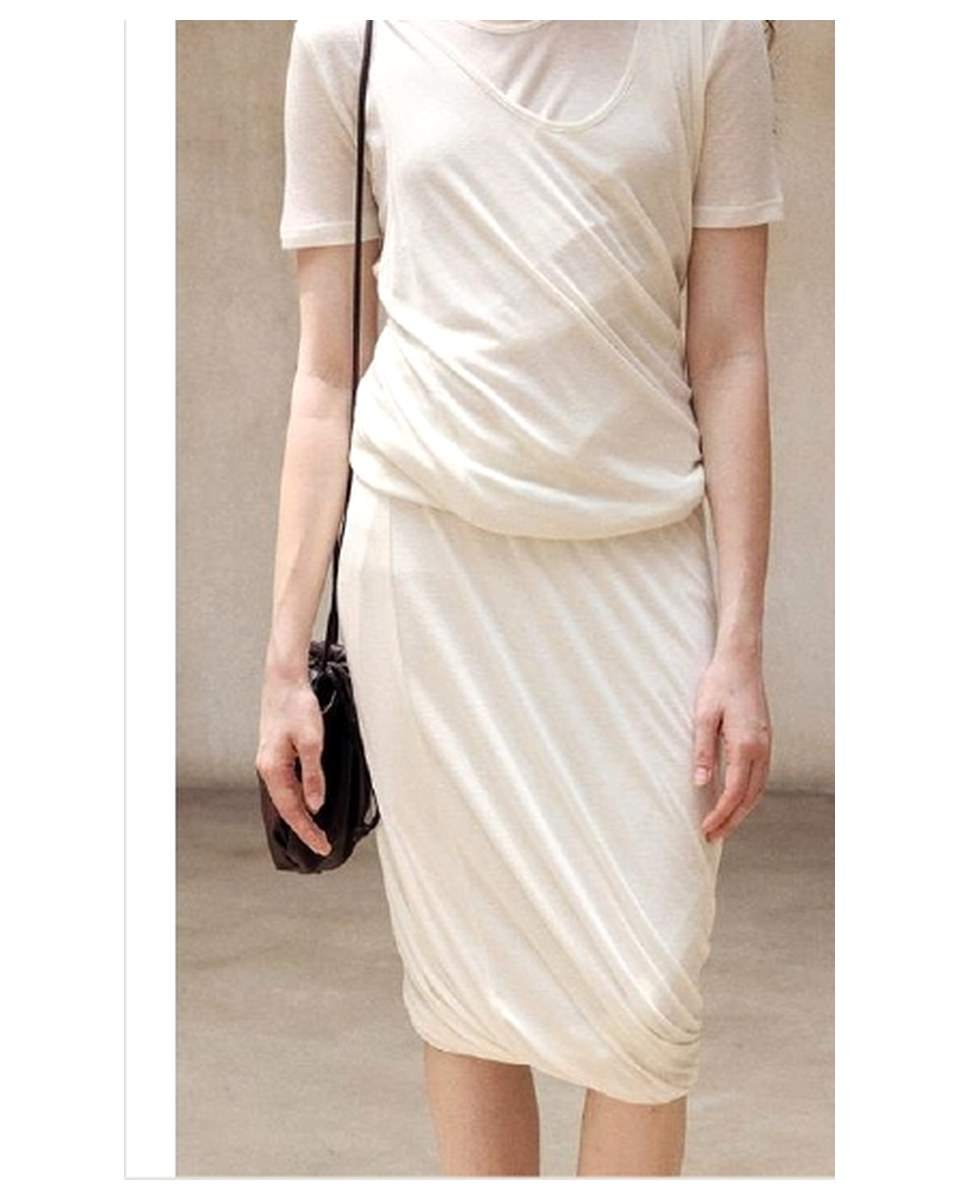
Decorative volume needs a construction reference. Show pleat direction, depth, starting point and where the shape is secured or released. For gathers, define the intended distribution and the relationship to the waistband. For a wrap skirt, show overlap, fastening and the expected coverage in use. A reference image may communicate the idea, but it does not settle how much material is needed or how the design should behave on different sizes.
Review these features after normal handling and the agreed care process where relevant. A pleat can be intentionally soft or expected to retain a particular outline; those are different product requirements. Do not use permanent-performance language without supporting evidence. A gathered area should be assessed for distribution and bulk, while a wrap panel needs movement review so the buyer understands the actual coverage rather than the most carefully arranged pose.
Ask the factory to identify construction or material alternatives when the desired effect is not working. Compare those alternatives against the garment's purpose instead of choosing only the neatest flat sample. If a revision changes fullness, overlap or fastening, update the drawing and costing assumptions as needed. An informal approval of a better-looking sample is incomplete when the production file still describes the earlier construction.
How should buyers control hem balance with the appropriate sample review?
Define the intended hem shape and how length will be measured. A straight, curved, asymmetric or layered hem needs a clear reference. Review the garment on the intended wearer or form and inspect front, side and back. If the material or cut can change how the skirt settles, agree the appropriate preparation and review with the technical team. Do not force every material into a single assumed timing or adjustment rule.
Inspect the hem finish for bulk, puckering, twisting and unwanted show-through. A narrow finish may look different on a fluid material than on a firm one, and curved areas may require particular attention. Ask the factory to explain proposed construction changes and confirm the accepted result on the actual quality. The buyer should understand whether an adjustment improves execution of the design or changes the intended appearance.
Keep length changes connected to the rest of the garment. Shortening a skirt can alter the relationship between slit, lining, pockets and pattern features. A revised hem should trigger review of those adjacent details where relevant. Record the final measurements and the accepted sample version. This gives inspection staff a stable basis for comparison rather than several photographs showing different lengths with no indication of which one controls production.
How should buyers review pockets without losing the silhouette?
Show pocket type, opening, bag dimensions, placement and reinforcement in the specification. Review access on the body and observe the effect on the skirt's shape. A pocket that is convenient in a loose skirt may create unwanted bulk in a close-fitting style. The brand should decide whether the function is essential and what visual compromise is acceptable before the factory tries to solve the issue through undocumented changes.
For light or sheer materials, examine pocket-bag visibility and colour. A lining does not automatically hide every internal component. Compare proposed materials and shapes on an assembled sample, with the intended underlayer and relevant colourway. If the buyer accepts visible pocket outlines as part of the design, record that decision. If not, identify the construction change required rather than relying on photography to make the feature disappear.
Consider pockets during grading and packing as well as initial fit. Their size and position may need an approved rule across the range. A pocket bag can also become trapped or folded in a way that distorts the skirt's presentation. Keep the accepted construction and handling instructions together. These details are small compared with the overall silhouette, but they often explain why an otherwise correct garment feels or looks different from the buyer's expectation.
How should buyers set measurement and grading instructions before the size review?
Define each point of measurement with a diagram or clear method. State the units and whether the garment is measured relaxed, extended, flat or along a specified seam. Waist and length labels can be interpreted differently unless the method is explicit. Keep body measurements distinct from finished garment dimensions so the buyer and factory are comparing like with like when they discuss ease or fit.
Agree the grading approach and selected physical size checks. A waistband, fitted hip, wrap overlap or slit can make some sizes particularly important to review. Confirm that the intended proportions and coverage remain coherent across the range. Do not assume that every detail should change by the same increment. Pattern, closure, lining and decoration rules should be aligned rather than developed independently and combined only at the end.
Discuss measurement tolerances with appropriate technical input for the actual style and material. This article does not prescribe a universal allowance. Identify the dimensions that strongly affect fit or function and the conditions under which measurements will be taken. Retain the approved chart and inspection method with the sample. A disagreement is easier to resolve when both parties can see the target, method and accepted variation that were agreed before production.
How should buyers compare cost options without hiding specification changes?
Provide the quantity allocation by style, colour and size, together with the final material and component assumptions. Ask which minimums arise from the shell, lining, closures, labels or garment production. A small order with several colours and different trims may involve separate commitments. Confirm those conditions for the actual programme rather than assuming that a general statement about small-batch production defines every material requirement.
When comparing quotations, identify whether lining, pockets, pattern matching, decoration and packing are included. A simpler unlined skirt is not a like-for-like comparison with a fully lined style using a custom closure. Ask the factory to explain meaningful cost differences and offer alternatives with the product consequences stated clearly. The buyer can then decide whether a change supports the collection or removes a feature customers are expected to value.
Keep the commercial and technical versions aligned. If the buyer approves a different lining, waistband or hem treatment, update the specification and quotation where affected. An old price attached to a new design creates uncertainty for both teams. Yinshan Fashion should receive one current basis for the order, with provisional decisions and programme-specific terms clearly identified before a production commitment is made.
How should buyers release production with a practical exception process?
Identify the approved sample and compile its measurements, materials, components, construction notes, care information, label artwork and packing instructions. List any temporary details that must be replaced and any decisions still pending. Approval of the silhouette does not automatically approve an unreviewed lining or closure. The release record should show exactly what the factory is authorised to reproduce and what remains conditional.
Review representative first production pieces at the points most likely to create a costly error: waist construction, closure, lining movement, slit, hem and key measurements. If a difference appears, record the affected style, colour, size or material where relevant. Ask for the proposed response and identify who can authorise it. A concession should have a defined scope rather than becoming an unspoken revision to the product standard.
Retain concise evidence that links the production decision to the approved reference. A photograph should show the location and scale of the issue, while a measurement should use the agreed method. Final inspection becomes more useful when it checks a coherent standard. It becomes less useful when the inspector has to decide which of several contradictory sample comments was meant to control the order.
How should buyers prepare packing and reorder information for the next team?
Review a packed sample and inspect the skirt after opening it. Look at waistband shape, pleat arrangement, lining position and any marks caused by folds or compression. The chosen method should suit the material, design and distribution channel. More packaging is not automatically better; the buyer should understand which element protects the product and which merely adds an unnecessary step or cost.
Confirm garment labels, retail identifiers and carton allocation against the order matrix. Similar skirts in different lengths or constructions should remain easy to distinguish. If a skirt is sold as part of a set, verify the top-bottom pairing and size relationship. Keep the packing list consistent with the actual retail unit. Correct product identification is part of delivering the approved garment, not a separate administrative detail that can be improvised after sewing.
For a reorder, retain the approved garment and its material, colour, component and issue records. Reconfirm availability and identify any changed input before assuming equivalence. Send the drawings, quantity allocation, fit reference and unresolved decisions through the Yinshan Fashion contact page. The strongest starting point is a clear product file that explains the skirt's intended waist position, movement, coverage and construction.
A skirt review should connect the waistband, closure, lining, pockets and intended movement to one approved size and fit reference. Check where the waistband sits while standing and sitting, then confirm that the fastening and lining do not create unwanted pulling or bulk. For a lined style, inspect how the inner layer hangs relative to the shell and whether it affects the opening or hem. Record the exact sample and any temporary construction details. If one of these elements changes after approval, identify the point that needs another fit or construction review before releasing the revised skirt.
How can buyers discuss next steps with Yinshan Fashion?
For a wider view of turning skirt sample comments into a controlled reference, read the factory sampling guide.
Complete the waist, lining and closure decisions, then review the sample in movement. Send Yinshan Fashion a skirt development brief with the current specification and quantity matrix.
Fabric Development buyer guide
Skirt Manufacturer: Waistbands, Linings, and Bulk-Ready Specifications
Build a skirt manufacturing brief that controls waist fit, lining, closures, slits, hem balance, grading, care review and production release records.
Define the wearing position
Show exactly where the waistband should sit and which underlayers are assumed during review.
Review the internal construction
Check lining, pocket bags and closure junctions on the body. Record anything that pulls, shows or limits movement.
Align the release file
Confirm the final measurement chart, component references, label text and packed sample against one approved version.
Buyer and factory handover checklist for skirt manufacturer
Use these prompts to make the current product decision reviewable. Confirm market requirements and commercial details for the specific programme.
| Decision area | What the buyer should prepare | What to ask the factory |
|---|---|---|
| Approval point 1 | provide drawings, customer reference, waist position and quantity allocation. | identify material references and explain provisional components. |
| Approval point 2 | approve fit, coverage, lining, movement and retail presentation. | record sample corrections and report proposed substitutions. |
| Approval point 3 | supply verified label artwork and retail identifiers. | Which proof or record should confirm this decision before the next stage? |
Continue the production conversation
Skirt construction decision table
| Area | Evidence | Release condition |
|---|---|---|
| Waistband | Seated and standing sample review | Position, comfort and support are accepted |
| Hip and seat | Fit observations and measurements | Balance and intended ease are resolved |
| Lining | Movement and care review | It supports rather than restricts the shell |
| Closure and slit | Assembled operation and coverage review | Function and exposure match the brief |
| Hem | Defined length method and sample | Shape and finish match the accepted reference |
| Size range | Grading rules and selected sizes | Proportions remain intentional |
Buyer FAQs
What should a skirt manufacturer receive before quoting?
Send drawings, material direction, waistband and lining requirements, fit reference, size range and quantities. Identify unresolved construction questions.
Does every skirt need a lining?
No. Decide from coverage, comfort, movement, construction and the intended customer experience. When lining is used, approve it with the shell.
Is a standing fit photograph enough?
It is useful but incomplete. Review sitting and walking where relevant, especially for fitted waists, close hips, wrap panels and slits.
Can the same slit measurement apply to every size and length?
Use an approved rule that reflects the design and coverage requirements. Review the relevant sizes and length variations rather than assuming one fixed distance is always suitable.
What makes a skirt specification bulk-ready?
It links an approved sample to identified materials, measurements, construction, components, care information, labels and packing, with unresolved conditions clearly addressed.