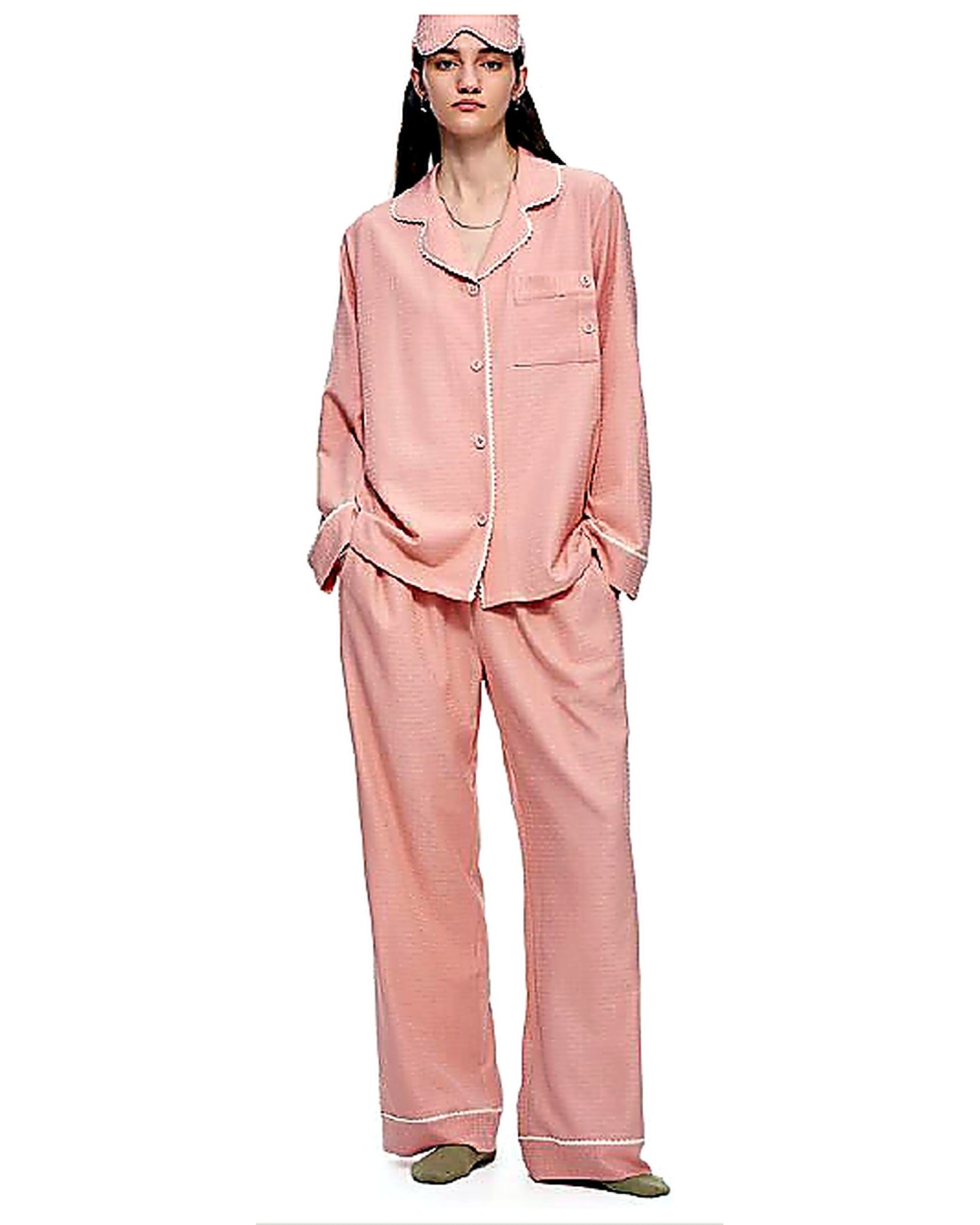
Article
What should buyers know first?
Short answer: Plan a seasonless fashion collection with defined use cases, adaptable layers, stable specifications, material continuity, carryover reviews, and clear repeat-order decisions.
For a boutique, that might mean a clean camisole, an adaptable dress, and coordinating separates that can be presented in different outfits. It does not mean every garment works in every season or that unsold inventory becomes valuable simply by calling it timeless. This guide explains how to build and review the collection as a set of practical product decisions. Examples are illustrative; quantities, prices, performance, and schedules require project-specific confirmation.
How should buyers define what seasonless fashion collection means for your customer?
Begin by naming the conditions in which the collection should work. Consider the customer's location, indoor and outdoor environments, typical occasions, and preferred way of layering. A garment suitable for an air-conditioned evening venue may not serve the same role during outdoor daytime travel. The word seasonless should summarize a defined range of uses rather than replace the work of describing them.
Write the intended selling horizon as a planning assumption. A buyer may want to present a dress across more than one campaign or retain a blouse as a recurring core option. Neither intention proves that customers will continue to buy it. State what evidence the business will review before extending the range, including sales availability, customer questions, fit feedback, and the cost of holding stock.
Set boundaries around the claim. A light woven camisole may be suitable alone in one environment and as a layer in another, but the final fabric and construction determine what customers experience. Avoid promising all-weather comfort or universal versatility without relevant evidence. More precise descriptions help customers understand how the garment is intended to be worn and help the factory develop toward that use.
Distinguish a continuing style from a continuing inventory position. The business might preserve a design while ordering it only when conditions support another production run. Alternatively, it may choose to hold stock continuously. These are different operational commitments. Define which model applies to each style before using a broad collection label to imply guaranteed availability.
How should buyers separate enduring product roles from visual repetition?
A collection can have continuity without repeating the same outfit presentation indefinitely. Identify the role each style serves: a simple evening base, a covered alternative, an easy coordinating bottom, or a light layer. The role should remain understandable when the campaign image changes. If the product exists only because of one specific styling moment, examine whether it belongs in the continuing core.
An understated slip dress can be a candidate for repeated styling, but its neckline, length, fit, and fabric still need to match the intended wearer. Use Yinshan's dress collection to begin a silhouette discussion, then record the actual design choices. The reference should guide a brief, not stand in for evidence that every similar dress has an extended commercial life.
Look for duplication between proposed core styles. Two garments may have different names while solving the same customer problem with nearly identical proportions. If both are retained, explain the meaningful difference, such as coverage, fit preference, or occasion. The buyer can then judge whether that difference deserves separate development and inventory rather than treating a larger range as automatically stronger.
Keep distinctive features where they support the brand and customer. A continuing collection does not need to be anonymous. A considered neckline, pocket detail, or proportion can provide identity without requiring a constant series of new styles. Review how those details affect manufacturing, care, and compatibility with other garments so the design choice remains useful beyond its first photograph.
How should buyers choose fabrics through use conditions and sample evidence?
Start fabric selection with the garment's job. Describe the desired drape, coverage, surface, weight range, stretch behaviour where relevant, and expected care approach. A fibre name alone does not establish these characteristics. Different constructions and finishes can produce different results, so the material discussion needs a physical reference or a sufficiently precise specification that can be checked during development.
Compare candidate fabrics on the same silhouette when possible. A fluid material may emphasize movement, while a firmer one may preserve a different shape. These are design trade-offs to examine in the actual sample, not reasons to label one material universally better. Note which parts of the garment depend on the selected behaviour, including neckline, seam placement, hem, and lining.
Ask what continuity can realistically mean for the proposed material. Is the exact article identifiable? Which supplier reference, composition, construction, colour standard, and finish are recorded? What would happen if the material became unavailable? Do not assume that a generic description such as soft satin is enough to reproduce the same product later. Record the current material identity and the conditions that would trigger a new review.
The fabric sourcing before sampling guide can help organize this handover. For a continuing style, preserve the approved reference and the reasoning behind it. If a replacement is proposed in a later order, compare the resulting garment as well as the swatch. An acceptable colour match alone does not confirm equivalent drape, fit, or coverage.
How should buyers build layering into the proportions?
Test layers as garments worn together. A blouse placed over a camisole needs compatible neckline, armhole, sleeve, and body proportions for the intended look. A dress worn under a jacket needs enough room and an appropriate surface interaction. The range board can suggest those combinations, but actual samples reveal whether the wearer can move and whether the outfit sits as intended.
Use the blouse collection as a reference for possible coverage and styling directions. Then specify whether the selected blouse is intended to be worn closed, open, tucked, or loose. These choices change the review questions. A garment designed as a standalone top should not be described as a universal layering solution simply because a photograph shows it open.
Check lower-body proportions too. A casual pants programme can provide a starting point for coordinating bottoms. Compare the waist position and top length together, including seated movement and the effect of tucking. An outfit that looks balanced on a hanger may behave differently when the wearer bends or sits.
Document the combinations that were actually reviewed. Photograph front, back, and relevant movement views, and identify the sample sizes and revisions. If the collection will serve a range of sizes, decide how the key combinations will be checked beyond the initial sample. This makes the layering claim traceable to the development work rather than relying on an untested styling suggestion.
How should buyers create a colour system with room for controlled change?
A continuing colour system should make coordination easier without assuming that one palette suits every customer. Identify the colours intended to remain in the core and the colours proposed for a limited presentation. Record their roles and the evidence behind the choice. A neutral-looking shade can still be a poor seller for a particular boutique, while an accent may become a useful repeat option.
Review colours in the actual fabrics and trims. Matching names do not guarantee matching appearance, and different surfaces may interact in ways that are difficult to judge from separate screen images. Where a coordinated outfit matters, place the actual materials together under agreed viewing conditions. Decide whether the intended result is a close match or a deliberate tonal relationship.
Keep colour expansion separate from style continuity. Adding another shade creates new variant and material decisions even when the pattern stays the same. Expand the size matrix, proposed units, colour approvals, and stock records before authorizing the addition. A familiar silhouette should not make the new commitment invisible to the buyer or exempt the colour from the normal approval process.
For later production, retain the approved colour reference and identify the new lot. If the new result differs, decide whether it is acceptable for that order and how it will be represented to customers. Avoid implying that an old photograph guarantees the appearance of every future batch. Continuity requires a controlled comparison, not only reuse of the original colour name.
How should buyers preserve fit while allowing deliberate improvement?
A continuing style needs a clear fit identity. Record the measurement specification, intended ease, size references, grading decisions, and the approved sample. The buyer should understand what customers can reasonably expect from a repeat purchase. If fit changes silently while the product keeps the same name and imagery, customer feedback becomes harder to interpret and repeat ordering becomes less reliable.
Review feedback with enough detail to identify the issue. A comment that a dress feels small could refer to bust circumference, hip ease, armhole shape, body length, or the relationship between the size chart and the actual garment. Separate these possibilities before revising the pattern. Record the sample or production version involved so a correction is not applied to an unrelated version.
An improvement may justify a new version even when the overall style remains recognizable. Define the change, review its effect across the size range, and update the technical record and customer information where necessary. The purpose of continuity is not to freeze every decision forever; it is to make changes deliberate and understandable for the people buying, making, and wearing the garment.
Retain enough history to compare versions. Archive superseded measurement sheets and comments, identify the current approved reference, and state whether old and new units may be sold together. If they differ materially, the business needs a clear handling decision. This protects the usefulness of future sales and return data, which otherwise may combine different products under one apparently stable style code.
How should buyers review durability as a set of product requirements?
A longer selling horizon makes it especially useful to define the expected use and care of the product. Identify likely stress points and appearance priorities for the specific garment. A narrow strap, fastening, pocket opening, or decorative attachment may require a different review from the main fabric. Ask which checks are appropriate for the intended use and which acceptance criteria the buyer and factory will apply.
The Ellen MacArthur Foundation's discussion of designing products for longer use distinguishes physical durability from continued desirability to the user. That distinction helps frame two separate questions here: whether the garment maintains its intended function, and whether the customer still wants to wear it. Neither outcome is established merely by choosing a simple silhouette or calling the collection seasonless.
Choose testing and review methods for the actual materials and claims. Record who performs the assessment, the sample identity, the method where applicable, and the result. Do not convert an informal wear review into a laboratory certification or promise a specific lifespan without supporting evidence. Where a property is important but unverified, keep it as an open requirement rather than a completed achievement.
Review repair access and replaceable components where they fit the design and commercial model. For example, the team may consider whether a fastening can be replaced without damaging the surrounding construction. Any service or spare-component commitment must be confirmed before it appears in marketing. A design intention can inform development while remaining distinct from an operational service the business has actually established.
How should buyers confirm care with the finished garment?
Care planning should consider the complete garment, including shell, lining, trims, print, and decoration. A recommendation suitable for one fabric may not suit every component in the finished assembly. Ask the responsible supplier or testing provider to establish the appropriate care basis for the actual product and target market. Keep the supporting record connected to the approved specification.
Evaluate the appearance after the agreed care process as well as before it. The relevant questions may include dimensional change, seam appearance, colour interaction, surface change, and the behaviour of attachments. Define what is being checked rather than recording only that the sample was washed. A useful result identifies the garment, conditions, observations, and resulting decision.
Consider the customer experience when comparing design options. If one construction requires a care routine that conflicts with the intended everyday role, the buyer should address that mismatch before bulk approval. The answer may be a different material, a revised product role, or clearer customer information. It should not be an unsupported care claim added to make the garment appear more convenient.
Update instructions when the specification changes. Replacing a trim or lining can create a reason to revisit the care decision even when the outside appearance is similar. Preserve the current approved label content with the production record and check that it matches the supplied garment. A continuing style needs continuing control of the information attached to it, not just a familiar product name.
How should buyers design the repeat-order record before the first bulk run?
Build a repeat-order reference while the first development decisions are still clear. Include the approved specification, materials, colour standards, size chart, trim identities, packaging, and sample references. Record any accepted exceptions separately from the normal standard. An exception approved for one order should not automatically become the specification for every later production run.
Identify the components most likely to require reconfirmation. A particular fabric article, closure, decorative trim, or packaging item may have a different availability pattern from the others. Ask what the supplier can confirm now and what must be checked again at reorder. Avoid describing a programme as permanently repeatable unless the underlying commitments have actually been established.
When a repeat enquiry arrives, compare the requested product with the stored reference before quoting. Confirm whether the buyer wants an exact repeat or an intentional revision. Changes to quantity, colour, size range, packaging, or destination can affect the production discussion even if the silhouette is unchanged. Keeping the enquiry specific reduces the risk that both parties use the word repeat while imagining different orders.
Use a change log to identify what moved between versions. The log should describe the reason, affected components, approval, and the order to which the change applies. It need not be complicated, but it must be readable by someone who was not present during the original discussion. This record becomes particularly valuable when the same style is revisited after a long gap or handled by a different buyer.
How should buyers manage inventory by evidence rather than by the collection label?
A seasonless position does not remove the need to review stock. Track saleable units, reserved units, incoming orders, and variants that have been unavailable. Examine sales in the context of exposure and customer feedback. A style that appears slow may have lacked the sizes customers wanted, while a high total may hide weak variants that should not be repeated at the same depth.
Define the review period and the decision it supports. One review may determine whether to improve presentation; another may decide whether to reorder or retire a colour. Keep those questions separate. Changing campaign imagery can be a useful presentation decision, but it should not automatically justify another production commitment without evidence about the stock already held.
Use a clearly labelled scenario when testing the inventory plan. Suppose a buyer holds forty units of a continuing style and expects to receive twenty more. Before approving another order, the buyer should consider the resulting sixty-unit position, the expected selling window, and uncertainty in demand. Those hypothetical numbers illustrate the reconciliation; they are not an inventory recommendation or a forecast for any Yinshan product.
Record the reason for carrying a style forward. The reason might be consistent customer interest, a role that remains relevant, or a planned presentation change supported by evidence. Also record the next review date and what would lead to a different decision. This prevents carryover from becoming an indefinite default in which unsold goods remain on the plan without anyone reassessing their purpose.
What should buyers consider about refresh presentation without obscuring the product?
A continuing garment can appear in different outfit stories, but the product description must remain accurate. New styling should show the actual current version, or clearly identify any difference from the stock being offered. Do not use campaign changes to conceal a material or fit revision. Customers need to understand what they will receive even when the surrounding visual story is new.
Plan photography around the questions customers need answered. Show relevant coverage, length, closures, and texture, alongside the intended outfit combinations. An evening camisole may benefit from both a standalone view and a view under a layer. The images should demonstrate a proposed styling option without implying that an accompanying garment is included unless it is part of the actual offer.
Keep the product identity consistent across channels. A boutique might use the same style in a dinner edit and a travel edit, but inventory records should still identify the same garment and variants. Different campaign names should not create duplicate stock or conflicting descriptions. Review how the customer moves from the campaign image to the product information and purchasing choice.
Evaluate whether new presentation changes the promise. If a garment originally developed for occasional wear is repositioned as an everyday essential, revisit the use and care assumptions behind it. A new caption can create expectations that the original development never addressed. Treat a substantial change in intended use as a reason for product review rather than assuming that marketing flexibility proves technical suitability.
How should buyers set a clear route for retiring or replacing a core style?
Define what would make a continuing style unsuitable for another order. The trigger might be weak customer relevance, unresolved fit issues, unavailable materials, an unworkable cost, or a replacement that serves the role better. A retirement decision can be sensible even when the design remains visually attractive. The collection should serve the current customer and business rather than preserve every historical choice.
Review replacement options against the original role. If the goal was a covered evening top, a new narrow-strap design may not fill the same need even if it photographs well beside the existing trousers. State which aspects of the role remain and which are intentionally changing. This helps the buyer understand whether the proposal is a replacement or an expansion into a different customer use.
Plan the transition between old and new versions. Identify remaining inventory, open orders, photography, descriptions, and any customer-facing distinctions. Do not mix different products under one record simply to preserve a familiar name. Where the same code is retained under the business's system, ensure the internal version and external information can still distinguish what was supplied.
Close the review with a concise collection record: continuing styles, limited additions, paused items, and retired items, each with a reason and next action. Share the relevant production decisions with the supplier through the approved brief and order process. A longer selling window becomes manageable when the business can explain both why a style stays and what evidence would make it change.
Consider how continuing styles are stored between presentations. Record the actual storage and handling requirements for the materials and trims, and inspect retained stock before it returns to active display. A garment held for a later campaign still needs to match its description and be saleable in its current condition. Keep damaged, altered, or display-used pieces separate from ordinary stock in the inventory record. The decision to extend a selling window should therefore include a practical receiving and condition review, not just a new campaign date. Assign that review to a named person so the responsibility remains clear when the collection changes hands.
How can buyers discuss next steps with Yinshan Fashion?
Send Yinshan Fashion your customer use cases, proposed core styles, outfit combinations, material references, colour and size plan, and expected order pattern. Identify which products are intended for repeat development and what must remain consistent. Contact the team to discuss a defined custom or private-label bulk programme.
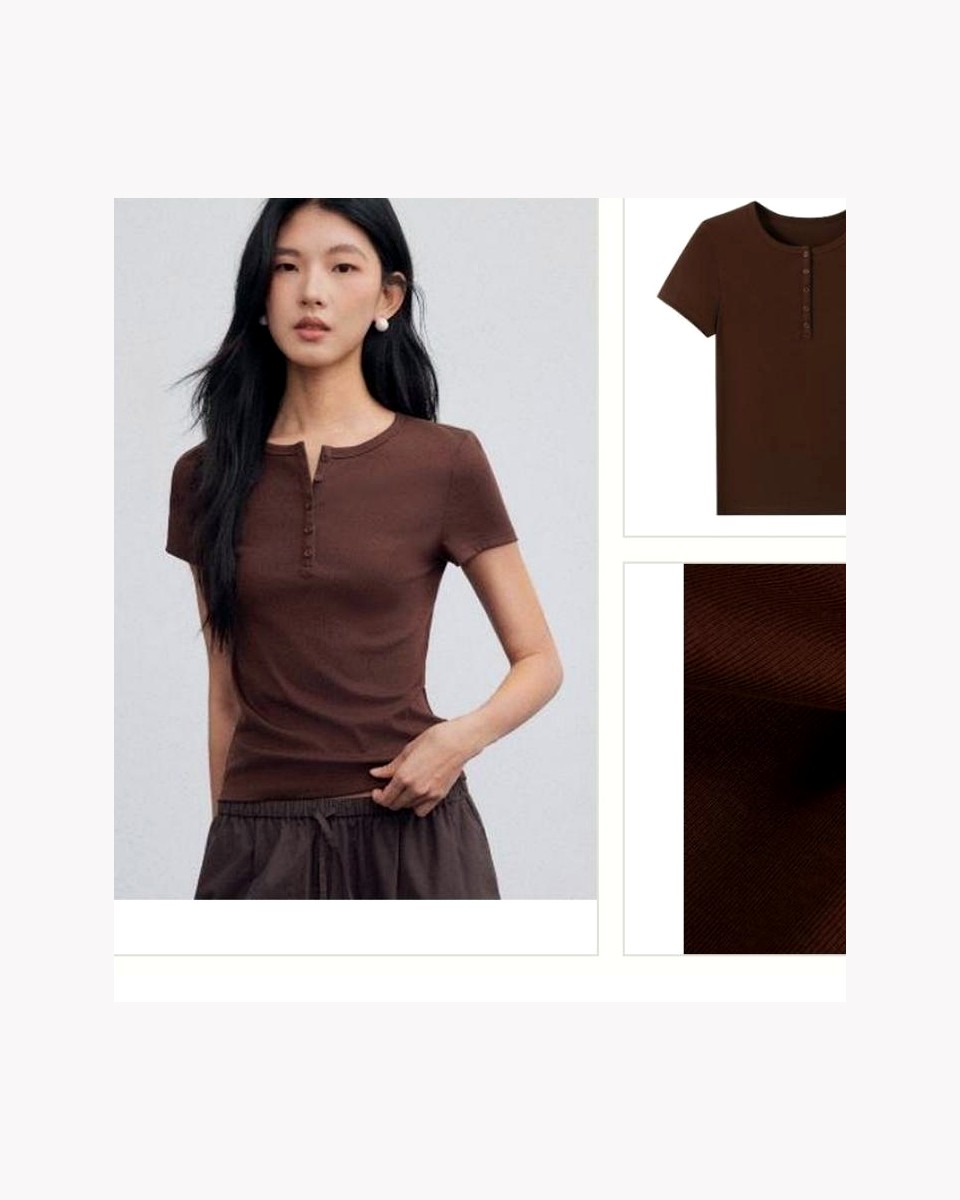
Sourcing Guide buyer guide
Seasonless Fashion Collection: Planning Styles for Longer Selling Windows
Plan a seasonless fashion collection with defined use cases, adaptable layers, stable specifications, material continuity, carryover reviews, and clear repeat-order decisions.
Define the use boundaries
Name the customer, environments, occasions, and layering combinations. Replace broad promises with a specific product role.
Preserve the repeat reference
Identify materials, colours, fit, components, care decisions, and approved samples. Record what requires reconfirmation for later orders.
Set a carryover review
Connect sales context, returns, stock, and material availability to a dated decision about continuing, changing, or retiring each style.
Buyer and factory handover checklist for seasonless fashion collection
Use these prompts to make the current product decision reviewable. Confirm market requirements and commercial details for the specific programme.
| Decision area | What the buyer should prepare | What to ask the factory |
|---|---|---|
| Approval point 1 | Intended selling horizon and customer use are documented. | Colour standards and version changes are controlled. |
| Approval point 2 | Each continuing style has a distinct purpose. | Care and performance requirements have supporting evidence or open status. |
| Approval point 3 | Actual fabric and trim references are identifiable. | Repeat enquiries distinguish exact repeats from revisions. |
| Approval point 4 | Layering combinations and relevant sizes are reviewed. | Inventory and retirement decisions have owners and review dates. |
Continue the production conversation
Decision table: qualify a continuing style
| Question | Evidence or record | Buyer decision |
|---|---|---|
| Where will it be worn? | Customer occasions and environments | Define the intended use range |
| Does it fill a distinct role? | Outfit map and competing styles | Keep, combine, or remove |
| Can the material be identified? | Approved article and specification | Establish the repeat reference |
| Does layering work? | Actual sample combinations | Approve proportions or revise |
| Is fit continuity controlled? | Measurements, grading, and versions | Preserve or deliberately improve |
| Are care and claims supported? | Finished-garment review and evidence | Confirm wording and requirements |
| Should stock continue? | Variant results and incoming orders | Repeat, pause, or retire |
Buyer FAQs
What is a seasonless fashion collection?
It is a range planned for use and presentation beyond one short selling period. The term does not establish universal climate suitability, guaranteed demand, permanent availability, or environmental performance.
Are neutral colours required?
No. Choose colours for the intended customer and outfit system, then review their actual performance. A continuing palette may include accents if their role and production requirements are clear.
Can the same style be repeated without a new review?
A repeat still requires confirmation of the current specification, materials, colours, quantity, and schedule. Changes or unavailable components may require additional sampling and approval.
Does seasonless automatically mean sustainable?
No. A selling strategy alone does not demonstrate environmental outcomes. Any material, durability, or environmental claim needs evidence appropriate to the actual product and claim.
When should a core style be retired?
Review its customer relevance, fit feedback, stock position, material availability, and commercial feasibility. Record the reason and manage the transition to any replacement clearly.