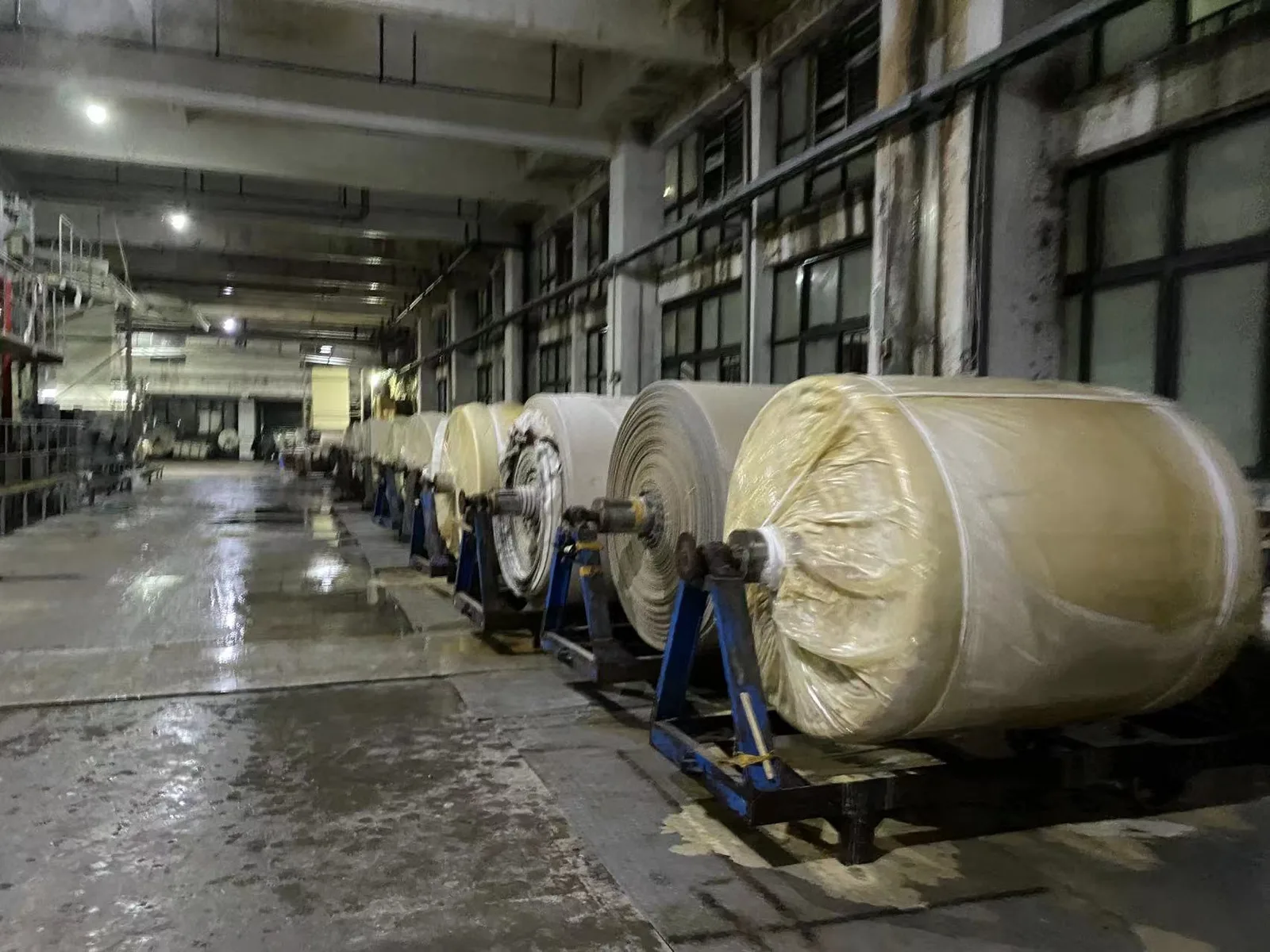
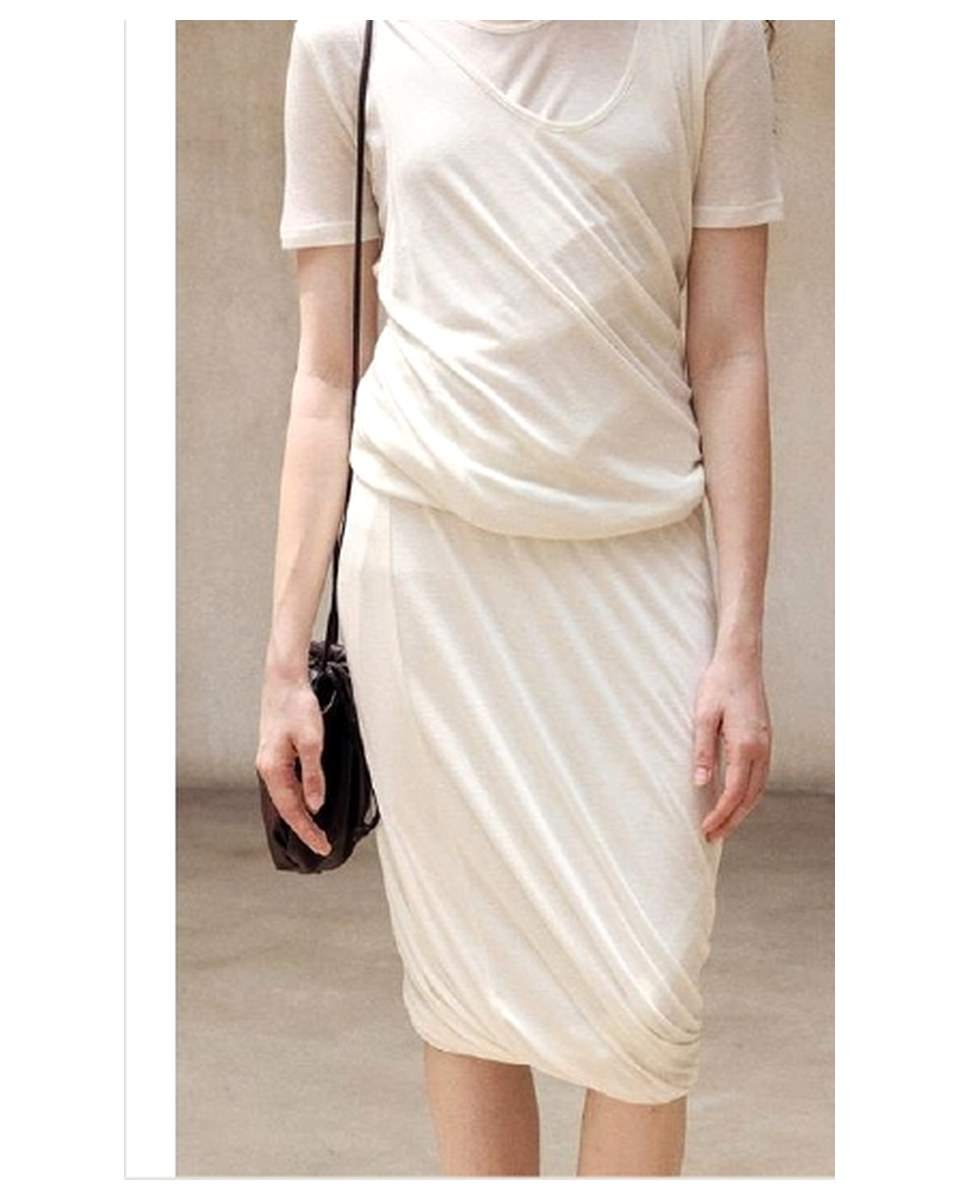
Article
What should buyers know first?
Short answer: Brief a robe manufacturer on fabric, wrap coverage, belt, pockets, size range, branding, care review, and packaging for a custom or private-label collection.
This guide follows those decisions from the first reference through sample approval and packing. It focuses on adult fashion and loungewear robes, with project-specific requirements confirmed for the actual programme. The aim is a robe that is well described inside the technical pack and commercially coherent within the brand's collection, including the belt, pockets, decoration, labels, and packaging that can otherwise be left until late in development.
How should buyers give the robe manufacturer a clear product role?
Describe when and how the intended customer will use the robe. Explain whether it is mainly a fashion layering piece, part of a sleepwear or lounge offer, a gift item, or a product with another defined purpose. The factory should understand the buyer's priorities before interpreting a reference image. A shared silhouette does not make every robe the same product.
Identify the intended presentation and price position without turning them into unsupported technical claims. Words such as luxurious or premium need physical references and specific design choices if they are to help sampling. Describe the preferred surface, drape, trim, colour relationship, and finishing appearance. The buyer can then compare actual candidates against a practical brief rather than an adjective that each reviewer interprets differently.
Use the robe programme as a category starting point and provide the details of the proposed collection. Include garment length, sleeve direction, collar or neckline, closure arrangement, pockets, decoration, and preliminary order quantities. Mark unresolved choices so the factory knows where a recommendation is requested.
State which features define the brand's concept and which are flexible. For a gifting robe, personalized decoration might be central while the initial box proposal remains open. For a coordinated lounge story, the colour relationship with other pieces may matter most. This hierarchy helps the buyer assess alternatives without losing the product's purpose during cost or sourcing discussions.
How should buyers choose fabric from the actual requirements of the robe?
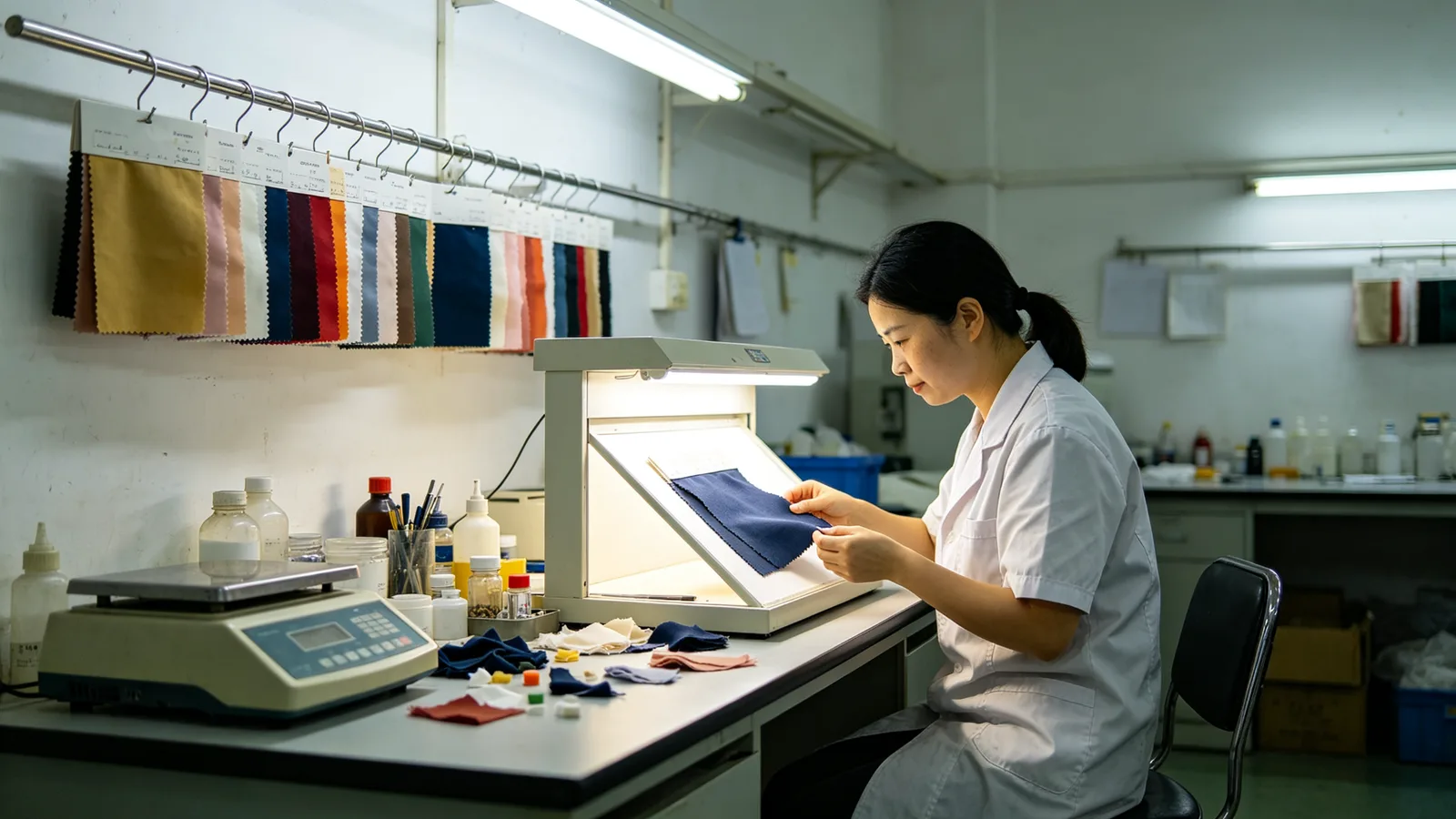
Record the proposed fabric's identity, composition, construction description, weight where relevant, finish, colour, and sourcing status. Ask for physical candidates that can be compared against the desired garment result. A fabric family name may help start the discussion, but the approved order needs an identifiable material rather than a generic request for something soft or silky.
Review the face and reverse where each matters to the design. Consider the intended appearance at the neckline, sleeve opening, front edge, and belt, using the actual proposed construction. The buyer should understand which surfaces will be visible and how the sample represents them. If a lining or contrast material is proposed, identify it separately and review the complete combination.
Keep handling preferences separate from claims that need evidence. A buyer can prefer one candidate's feel without establishing absorbency, drying behaviour, durability, or another performance characteristic. List any proposed functional claims and ask the responsible technical provider to identify suitable assessment. The material choice should be supported by the requirements of the intended robe, not assumptions attached to the fabric name.
If the first sample uses a substitute fabric, state the limits of that sample's approval. It may help explore proportion or pocket position while leaving final drape or surface appearance unresolved. The factory and buyer should agree which observations must be repeated on the intended material before the garment is authorized for production. Keep the substitute clearly distinguishable in the sample record.
How should buyers separate absorbency questions from fashion appearance?
If the brief includes an after-bathing use or an absorbency claim, make that a specific technical requirement. Define the intended product wording and ask the appropriate provider to explain what evidence would support it. A robe that looks appropriate for the setting does not automatically have a verified functional result, and a fibre description alone should not close the question.
The AATCC TM79 public summary describes a method for determining water absorbency of yarns, fabrics, and garments across different textile constructions. It is an example of a defined property and assessment scope. The qualified provider should select the appropriate method and acceptance basis for the actual programme; the summary does not establish the performance of a Yinshan garment.
Keep absorbency, drying, appearance, and wearing preferences as separate requirements where relevant. A report concerning one characteristic should not be renamed as proof of all the others. Record the material or garment identity, method, conditions, and conclusion with the evidence. This helps the buyer see which product decisions have support and which need additional work.
For a robe developed primarily as a fashion or lounge piece, focus the brief on the actual intended requirements instead of adding functional claims merely because other robes use them. A more precise product description can be easier to develop and communicate. The buyer should be able to explain why each requested assessment matters to the product being offered.
How should buyers define wrap coverage, length, and sleeve proportions?
Provide technical front and back views and show how the robe is intended to close. Define the body measurements, overlap, length, sleeve dimensions, neckline, and other points needed for the design. Give each point a method and unit. The factory should know whether a number describes a flat garment dimension, a body reference, or another specified basis.
Review wrap coverage on the intended fit reference under agreed conditions. Record the garment size, closure arrangement, and relevant posture or movement observations. If the buyer finds an unwanted opening or another fit concern, describe where and when it occurs. Ask the technical team to investigate the pattern and construction before prescribing a blanket increase in width or length.
Consider the sleeve as part of the intended use and silhouette. Identify the preferred opening and length, then review the sample in the relevant context. A photograph with the cuff folded can conceal a question about the finished sleeve specification. Keep the technical presentation distinct from optional styling so the factory can determine the actual production requirement.
Discuss the size range through an appropriate chart and review plan. A broad size label or a one-size description does not by itself establish the fit range the brand intends to serve. The technical team should explain the proposed dimensions and physical review scope. The buyer can then choose product wording and commercial sizes that correspond with the approved evidence.
How should buyers treat the belt and loops as part of the fit decision?
Specify the belt material, finished dimensions, construction, end treatment, and any detail that matters to the design. Identify whether it matches the body or uses another approved material. Show the loop locations and attachment arrangement in the drawings. The belt should not arrive as an unspecified accessory whose final dimensions are chosen after the robe has already been approved.
Review the belt with the complete robe on the intended fit reference. Observe the desired tie presentation, the relationship with the waist position, and the appearance of the remaining ends. Record the sample and conditions. If the buyer wants a different result, describe the issue and ask the technical team which dimensional or placement change is appropriate.
Check the planned approach across sizes. The buyer should know whether belt dimensions or loop positions vary and how the proposed rule relates to the size chart. Do not assume that a single base-size belt decision suits every garment in the range. Keep the belt and robe identifiers connected so the packing team can pair the correct components where variants differ.
Include the belt in relevant care and appearance review. If it uses a different material or construction from the body, that difference should remain visible in the component list. The final approval should address the intended combination and the packaging arrangement. A complete garment instruction needs to describe both how the belt is made and how it is supplied with the robe.
What should buyers consider about put pockets where the approved garment needs them?
Show pocket style, dimensions, opening, placement, and construction with clear reference points. Explain the intended use and appearance, including whether pockets are a visible design feature or a quieter practical detail. The factory should not have to infer placement from a photograph in which the robe is tied differently from the intended sample review.
Assess pockets on the complete garment. Their relationship with the belt, side seams, front overlap, and sleeve can affect the buyer's design decision. Record the relevant observations in the agreed wearing context and compare them with the brief. If a pocket needs moving, identify which drawings, measurements, or decoration placements will be affected by the change.
If the brand expects a pocket to carry a particular item, define that scenario and arrange an appropriate development review. The presence of a pocket does not establish suitability for every object or situation. Keep the conclusion limited to the requirement assessed and the actual sample. The technical team can then propose a correction or another construction if the result does not meet the brief.
Review pocket details after the material choice is settled. A trial made from a temporary fabric may not resolve the final appearance of the pocket edge or body panel. Identify which observations remain provisional and repeat the relevant review on the intended combination. Retain the approved sample or detail reference so production can distinguish the selected result from earlier development options.
How should buyers coordinate neckline, edges, and contrast details?
Identify the collar or neckline arrangement and show the front edge treatment clearly. If the design uses piping, binding, a contrast facing, or another decorative detail, give it a material reference and location. The buyer should know whether the sample represents the final proposal or an available substitute. Small visible details can define the robe's appearance, so they deserve a clear approval route.
Review the chosen combination physically. A trim accepted on its own may still need a decision when placed beside the body fabric. Record the intended colour relationship and the conditions used for the visual review. If the buyer wants a deliberate contrast, describe the accepted reference rather than allowing the factory to assume that any difference from the body colour is suitable.
Check the relationship with the coordinated collection. The pajama set programme can help frame a robe offered alongside sleepwear, while the soft lounge set programme may support another intended styling direction. Each piece needs its own technical approval, with a separate review of the combinations the brand plans to present together.
When a detail changes, review the affected documents and samples. A revised neckline, belt, or piping width can alter the intended balance. The buyer should approve the complete resolved combination, and the final drawing should match it. Avoid retaining an attractive early photograph as the principal reference when the later authorized garment has a materially different trim arrangement.
How should buyers plan branding and personalization before confirming quantities?
Provide the brand artwork, dimensions, colours, location, and intended application. Identify whether decoration appears on the chest, pocket, cuff, back, belt, or another area. Use clear garment reference points and ask the provider to evaluate the proposal on the actual material. A digital mockup supports design discussion but does not settle the final application result.
If personalization is part of the programme, separate the fixed design from variable information. The buyer needs a controlled list of names, initials, or other approved text, together with the relevant style, size, and colour identities. Define who checks the spelling and who authorizes the production list. An attractive personalization concept is not yet a reliable order instruction.
Review the practical range of approved layouts. Short and long names or different character combinations may need a layout rule rather than an ad hoc adjustment for each piece. Have the decoration provider propose an approach and present relevant examples for buyer approval. The instruction should state what happens when requested text falls outside the agreed limits.
Connect decoration with packing and order allocation. A personalized robe may need to remain paired with a specific label, card, or gift package. The factory should receive a traceable mapping rather than separate spreadsheets with inconsistent names. Keep personal information limited to what the authorized fulfilment task requires, and verify the final allocation against the buyer's approved order record.
How should buyers review colour and size combinations before order release?
Build a matrix containing every planned garment variant and its approval state. Link each entry with the material, trim, belt, decoration, and relevant sample references. The buyer should be able to see whether a colour has visual approval, whether its actual components are confirmed, and whether the intended size range has completed the agreed development review.
Do not let a collection photograph substitute for this record. Several robes may look coordinated in a styled image while one still uses a temporary belt or an unapproved trim. Identify such differences in the sample notes. The final production scope should correspond with the variants whose requirements and commercial assumptions have actually been resolved.
Consider a hypothetical gifting programme with two robe colours, two size groups, and three approved monogram layouts. That creates twelve possible combinations before any individual names are assigned. This is a planning illustration, not a recommendation for range size or a statement of manufacturing minimums. Its purpose is to show why component and packing identities should be planned before orders become difficult to reconcile.
When the buyer adds a variant, ask the factory to explain the additional sourcing, sample, decoration, packing, and quantity questions. Make the decision deliberately and update the current matrix. A late colour or personalization option can be a reasonable commercial choice, but it should enter the same approval system as the original range instead of being hidden in an informal message.
How should buyers assess the complete robe after the agreed care treatment?
Define care-related requirements for the garment, belt, trims, decoration, and other components with the responsible technical team. Identify the appropriate procedure, sample version, observation conditions, and acceptance basis. The buyer may need evidence concerning dimensions, appearance, colour relationships, or other characteristics relevant to the brief. The assessment should address the actual combination intended for production.
Record the relevant observations before and after the agreed treatment. Keep informal development trials accurately described and distinguish them from formal testing. A photograph showing a recognizable robe is not evidence for every requirement. The record should identify what was assessed, what was observed, and what conclusion the reviewer can support within that scope.
Include functional relationships in the review where the brief requires them. For example, the buyer may need to revisit wrap coverage, belt presentation, or pocket appearance after an agreed treatment. Record these as specific garment observations rather than assuming that a material report has answered every fit and construction question. Use the appropriate technical assessment where a formal requirement calls for it.
If a component or process changes after the review, determine which evidence still applies. The final approval should not combine a report for one material with a later garment using another and leave the difference unexplained. Ask the factory to describe the change, agree the necessary reassessment, and keep the revised product identity connected with the resulting decision.
How should buyers develop packaging around the actual garment and channel?
Define whether the robe is supplied in individual protective packaging, a retail presentation, a gift format, or another agreed arrangement. Identify the selling and fulfilment context that drives the choice. The packaging brief should explain what needs to be protected, displayed, identified, and included rather than begin with an arbitrary box size chosen before the garment is folded.
Ask for a packing sample using the actual robe construction and intended components. Review the folded dimensions, belt arrangement, decoration presentation, labels, inserts, and closure. Confirm that the pack identifies the correct size and colour and that any personalized allocation remains clear. A flat packaging artwork approval does not establish how the complete product will fit inside the proposed presentation.
For a gifting programme, decide which elements are essential to the customer experience. A card, branded sleeve, or other insert should have a reference, quantity rule, and placement instruction. Avoid adding separate items without considering their effect on assembly and order accuracy. The final packing specification should let a person unfamiliar with the design meeting assemble the intended package consistently.
Confirm transport and outer-carton requirements for the actual distribution route with the responsible provider. Keep commercial quotes aligned with the chosen packaging and quantities. Do not claim that an attractive box is validated for every shipping condition. The buyer should know which packing and transport questions have been assessed and which remain subject to the agreed fulfilment plan.
What should buyers consider about bring sampling, quotation, and production into one final record?
Use the published fashion product brief guide to organize the final garment decisions. Assemble the drawings, measurement chart, material identities, colour and size matrix, belt and pocket details, artwork, labels, packing instructions, and relevant evidence. Identify the retained sample and any limits attached to the approval.
Request a quotation against that same resolved specification. The offer should identify garment and component quantities, variants, decoration, packing, commercial basis, and information still awaiting confirmation. The buyer should not compare a plain robe estimate with the fully personalized gift programme as though they describe an identical product. Ask for the actual implications of proposed alternatives before selecting one.
Define the production change process. A proposed material substitution, decoration revision, or packing adjustment should identify the affected scope and the approvals needing review. Keep a limited order-specific concession separate from a permanent product change. The next reorder needs a clear ongoing specification, with earlier exceptions visible enough that they cannot quietly become the new standard.
Retain a concise closing record that explains what was approved and where to find the evidence. The product should remain identifiable after the sampling team changes or the original discussion becomes difficult to remember. A clear robe programme connects the visible design with its hidden component and packing decisions, giving the buyer a sound basis for both the first order and a later development enquiry.
Before archiving, check that each loose or removable component has an explicit quantity and pairing rule. The belt, insert, label, and any approved accessory should appear in the packing reference for the correct variant. If the brand receives a demonstration pack, identify whether it contains the same components as the intended order. This final reconciliation can expose a missing instruction that is easy to overlook while attention remains on the garment's fabric and silhouette.
A robe sample should be reviewed as a complete set of fabric, belt, pockets, closures, finishing and packing decisions. Confirm how the belt is attached or identified, where pockets sit on the intended wearer and whether the garment folds without damaging its surface. If the robe is sold with another item, check that the set remains matched through size identification and packing. Do not assume the same fabric weight or fold method suits every use. Keep the approved garment and packaging example together so a later repeat order can be compared with the version the buyer actually released.
How can buyers discuss next steps with Yinshan Fashion?
Send your robe references, intended use, fabric priorities, size and colour plan, belt and pocket direction, branding, packaging idea, and preliminary quantities through Yinshan Fashion's contact page. The team can review the custom or private-label programme and identify the sample decisions needed for a complete production brief.
Fabric Development buyer guide
Robe Manufacturer: Fabric, Belt, Pocket, and Packaging Choices for Brands
Brief a robe manufacturer on fabric, wrap coverage, belt, pockets, size range, branding, care review, and packaging for a custom or private-label collection.
Define the intended use
Separate the desired fashion presentation from functional requirements that need evidence, then select materials against the actual brief.
Review the complete garment
Check wrap coverage, sleeve proportions, belt, loops, pockets, trims, and decoration together on an identified sample.
Approve a real packing example
Confirm the folded garment, belt pairing, labels, inserts, and any personalization allocation before finalizing the order instruction.
Buyer and factory handover checklist for robe manufacturer
Use these prompts to make the current product decision reviewable. Confirm market requirements and commercial details for the specific programme.
| Decision area | What the buyer should prepare | What to ask the factory |
|---|---|---|
| Approval point 1 | supply product role, references, fit direction, material priorities, branding, and preliminary quantities. | identify actual sample materials, components, construction proposals, and open technical questions. |
| Approval point 2 | approve variable text and its mapping where personalization is included. | explain the implications of substitutions and retain current sample and packing references. |
| Release and repeat | Record the current requirement, reference and approval owner for this product decision. | Which proof or record should confirm the decision before the next stage? |
Continue the production conversation
Decision table: building the robe programme
| Decision | What the buyer defines | What to retain |
|---|---|---|
| Product role | Fashion, lounge, gifting, or defined functional use | Captioned references and priorities |
| Fabric | Actual candidate and relevant requirements | Material identity and scoped evidence |
| Fit and coverage | Wrap, length, sleeves, size strategy | Chart, sample, review conditions |
| Belt and pockets | Dimensions, locations, intended use | Component and construction approvals |
| Decoration | Fixed artwork and any variable text | Application sample and approved data mapping |
| Care review | Procedure and acceptance basis | Before-and-after records |
| Packaging | Channel, presentation, component pairing | Complete packing sample and instruction |
| Order release | Resolved product and quantities | Matched quotation and approval pack |
Buyer FAQs
What should a robe manufacturer know before suggesting fabric?
Explain the intended use, desired appearance and handle, fit direction, care requirements, proposed claims, and commercial scope of the collection.
Does a soft fabric prove that a robe is absorbent?
No. Handle and absorbency are different questions. A functional requirement needs an appropriate assessment and evidence for the actual material or garment.
Can one belt specification be used for every size?
Have the technical team review the proposed relationship with the size range and record the approved dimensions and pairing rule.
What information is needed for personalized robes?
Provide approved artwork or text, layout rules, placement, and a controlled mapping to the correct garment and packing variants.
When should packaging be developed?
Plan it during development and approve a complete packing sample once the actual garment and components are available, before the final order instruction.