Article
What should buyers know first?
Short answer: A buyer's guide to choosing a sleepwear base, approving print artwork and turning a sample into a controlled private-label production brief.
Private-label printed sleepwear needs more than an attractive repeat. The buyer must decide how the fabric feels against the body, how the design sits across the garment and what evidence will be used to approve the production version. Yinshan Fashion works with brands on custom garment development, sampling and private-label production; each project's fabric, decoration route and quantities require discussion.
Direct answer: start with the intended wearer and market, choose a suitable fabric and garment shape together, approve the artwork on the proposed base, then assess a sewn sample with its labels and construction. Record what was approved, what changed and which questions still need testing before releasing the order.
What belongs in a printed sleepwear brief?
Identify the wearer, selling market, garment pieces and intended use. A loose woven button-front set has different fit and seam questions from a stretchy sleep tee and shorts. A robe sold for gifting also needs a decision on belt loops, closures and how it will be presented. Include the intended size range, colourways and expected order split rather than only the total quantity.
Describe the position the product occupies in the range. Is the print meant to be a quiet texture, the hero of a seasonal collection or a recurring brand signature? That answer affects motif size, repeat, contrast and how much variation across garments is acceptable. Give the factory the actual artwork file and construction references as well as a mood board; an inspiring image is not an executable specification.
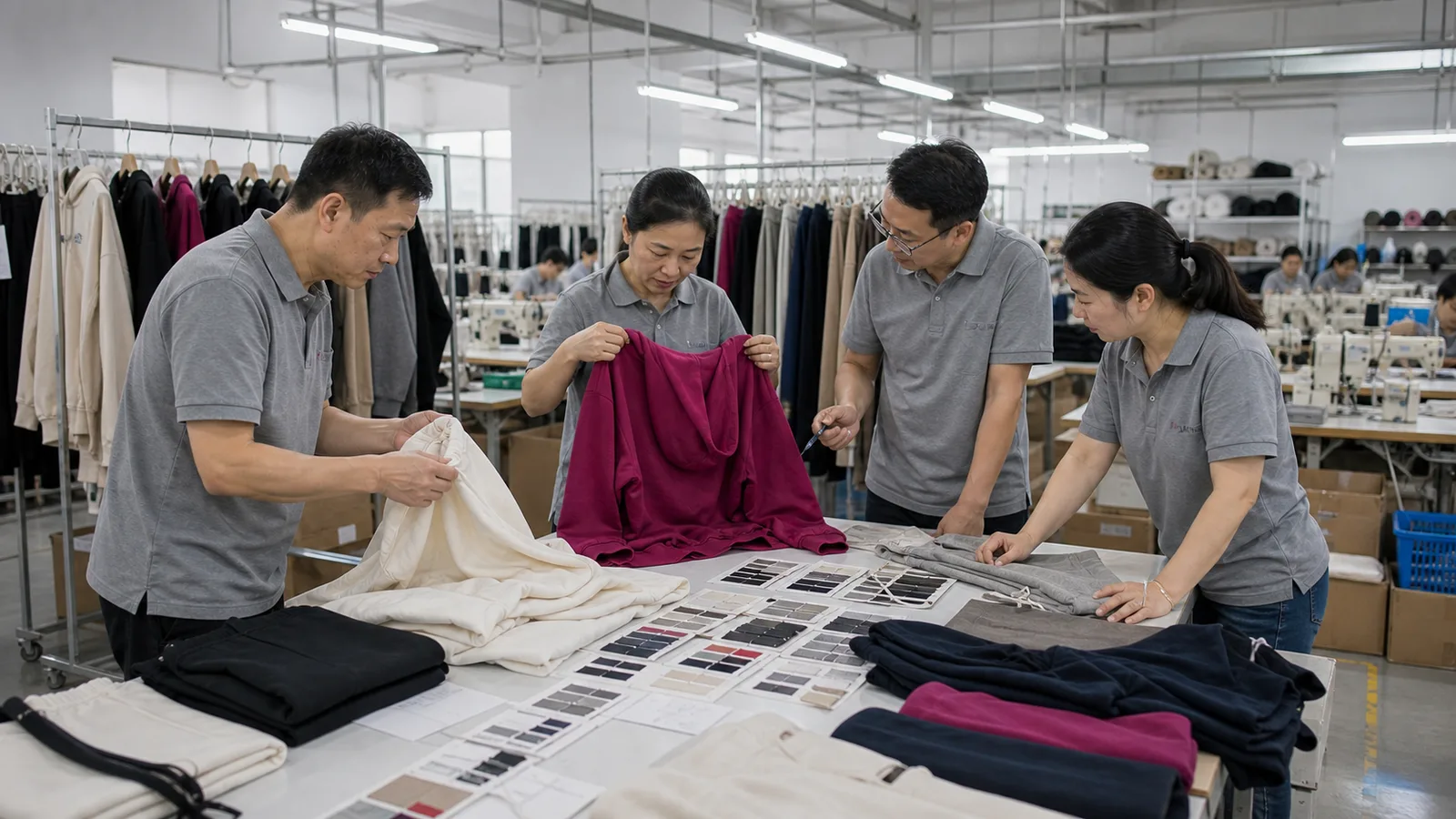
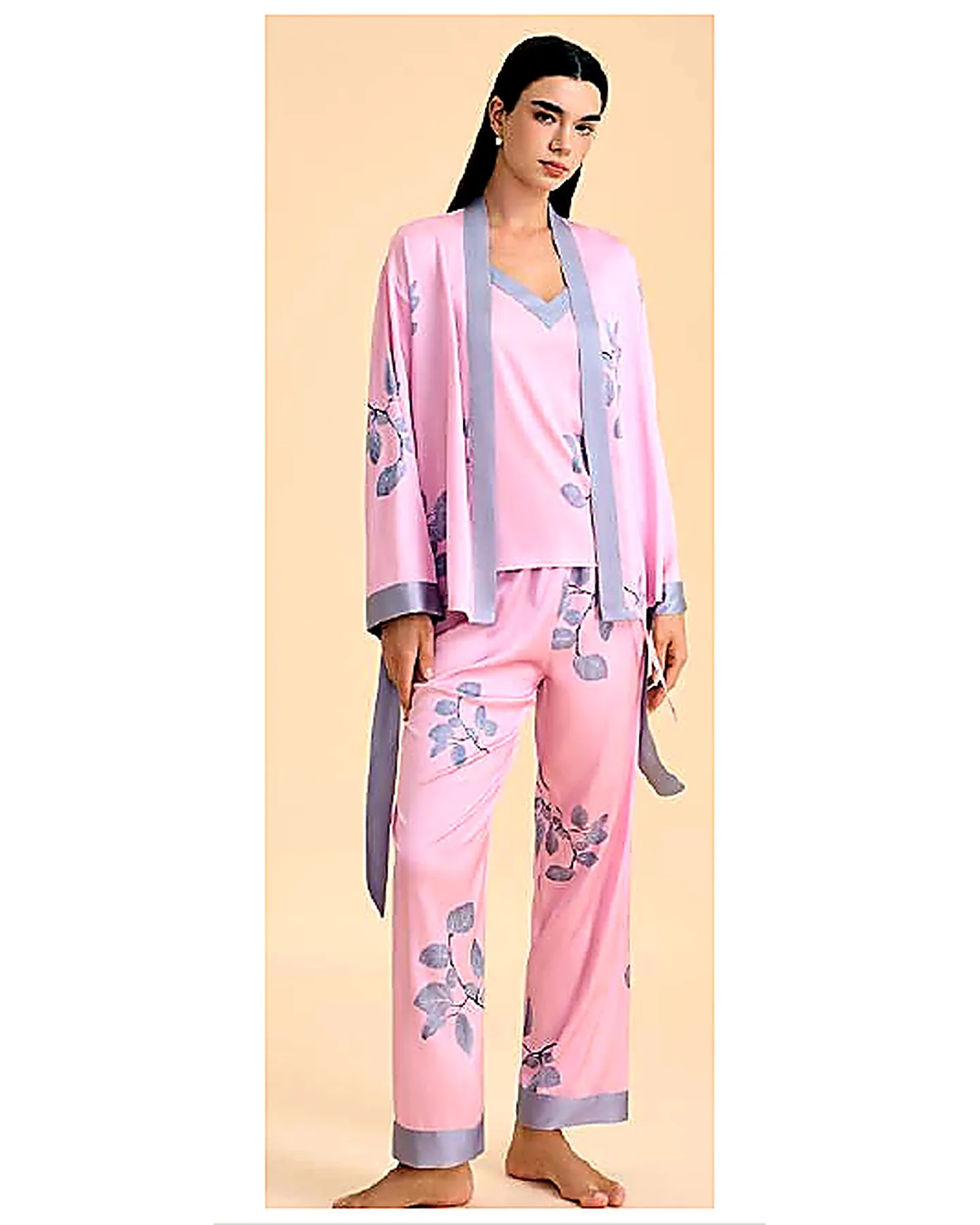
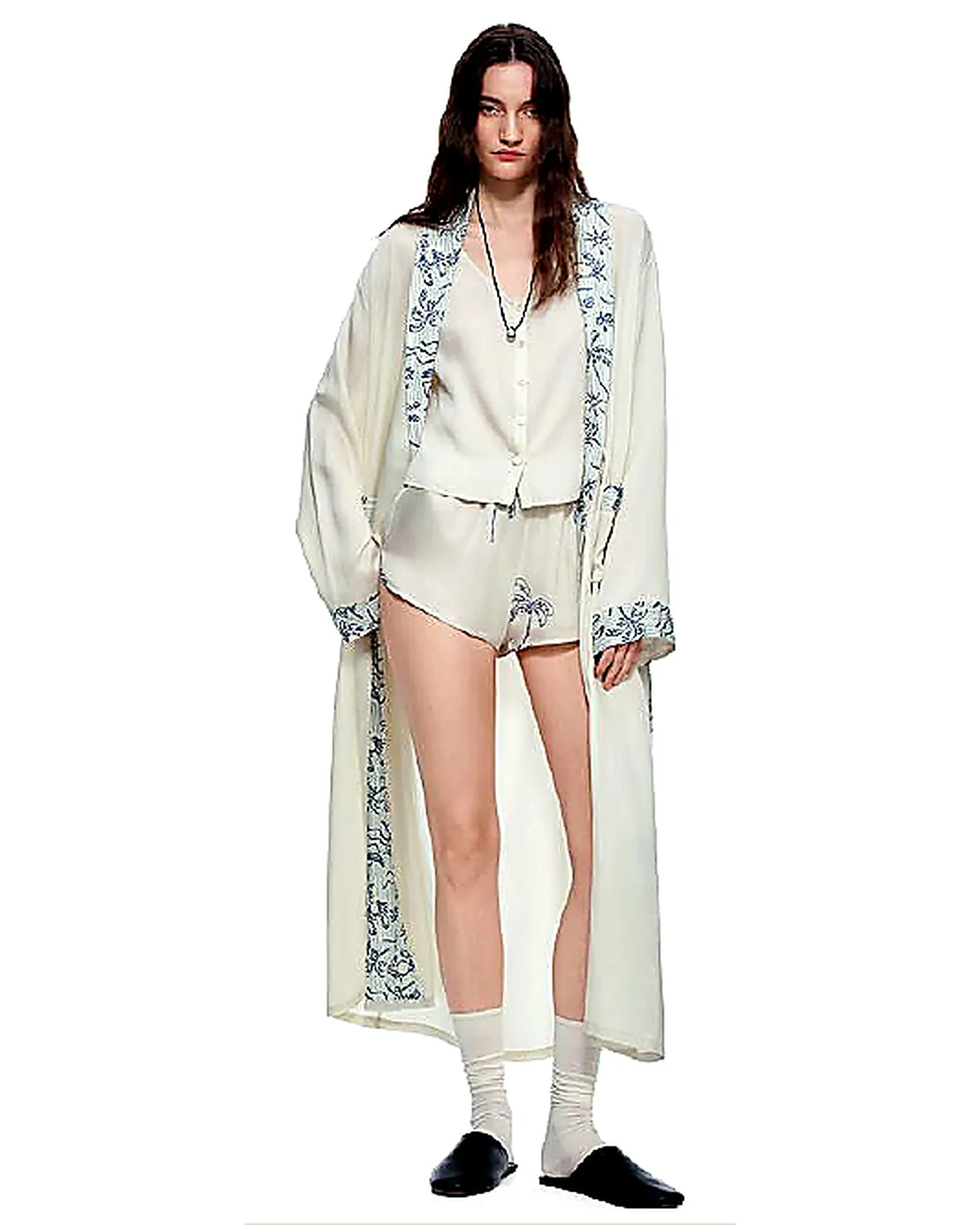
Use Yinshan's pajamas collection to discuss practical garment shapes, openings and coordinated pieces. These references are starting points for development, not a promise that every pictured fabric or print can be reproduced unchanged. Name the details you want to retain and the features you want changed before requesting a sample.
How do fabric and garment shape influence one another?
A fluid woven can create a relaxed silhouette, while a knit may offer a different stretch and recovery. Neither construction automatically feels comfortable on every wearer. Assess the proposed material against the pattern, desired ease, seams and planned movement, not just by touching a small swatch on a table.
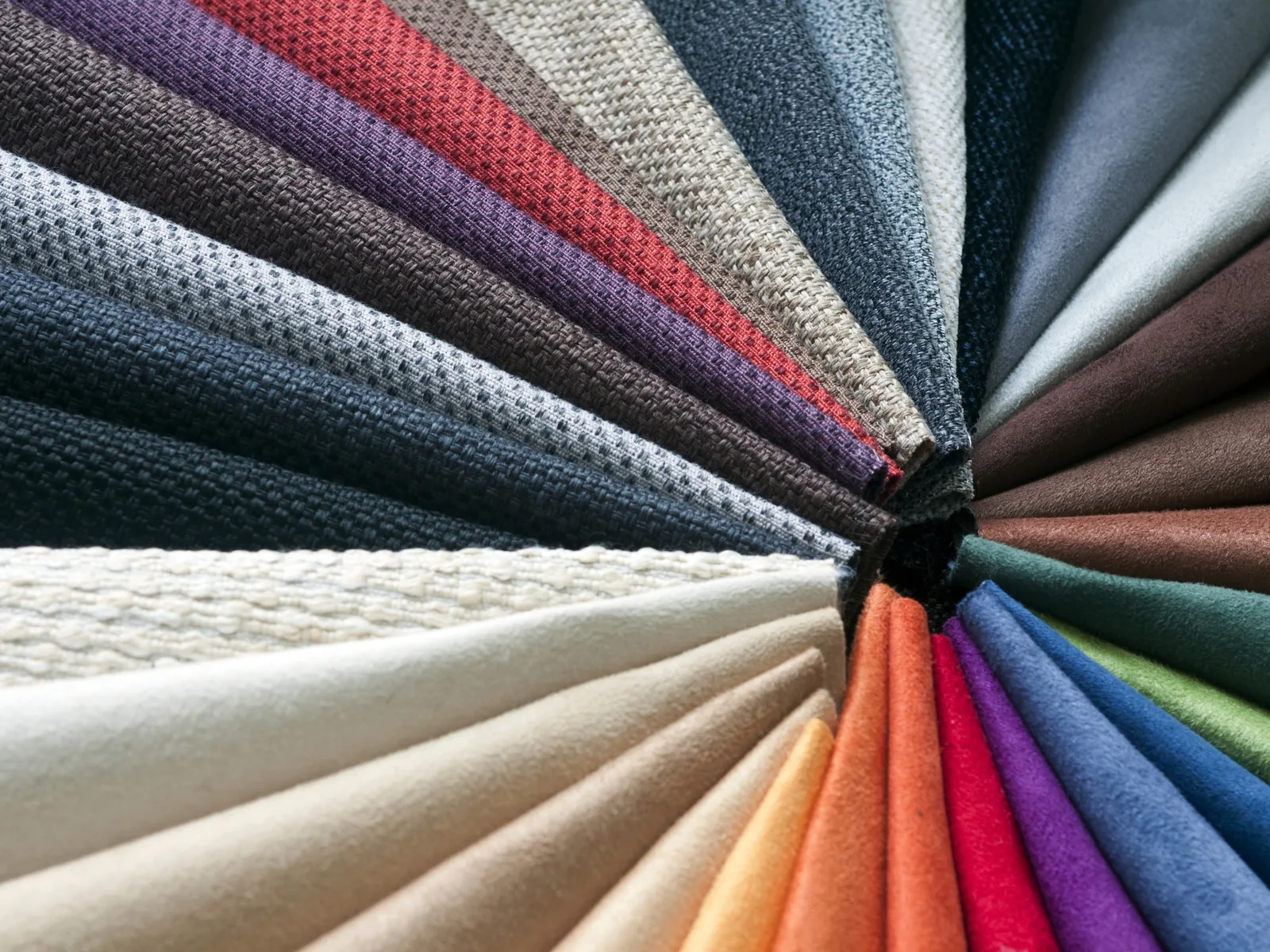
Ask for the fibre composition, construction, usable width, weight information if available and any relevant finish. Check whether the print is intended on the same face that will touch the wearer or on the outside, and whether the reverse will be visible at a collar, cuff or opening. A smooth-looking face does not tell you everything about the reverse, seams or behaviour after care.
The fabric development and sourcing solution is useful when comparing base options against an actual garment brief. Ask which sample represents the proposed production base and whether the available width, ground colour or finish could change. A fabric substitution after approval needs a fresh decision about both appearance and fit.
What should buyers evaluate in a fabric sample?
Look at the fabric in the intended ground colour, not only in an unrelated white or dark swatch. Light colours and lightweight materials may require an opacity review in the finished garment and under the intended selling conditions. Check how the material drapes over a seam, whether the surface catches, and how it feels at an armhole, waistband or collar.
Discuss care and expected performance with the supplier before selecting any assessment. Rubbing, laundering, dimensional change and appearance after care are different questions; a visual review does not establish a laboratory result. AATCC's description of a rubbing colourfastness method is an example of a specific test, not a universal promise for every design or fabric.
If samples differ, note what changed: fibre, construction, finish, colour ground or print route. A seemingly minor replacement can change both the print appearance and the garment's hand. Keep each swatch identifiable and ask the supplier to explain which differences are known, which are still provisional and which require an agreed test.
For a proposed satin-like surface, also examine the contrast between reflected light and the darker areas of a motif. Photographing under a different light can make the same piece look like another colour. If the collection includes a matching robe and pajama, review each item under the same agreed conditions and discuss whether the appearance of their materials needs to match exactly. A supplier may need separate material references if the constructions differ.
How should a repeat be prepared for sleepwear?
Decide the motif scale using the actual pattern pieces. A repeat that looks balanced on a computer screen may leave a large empty area on a short sleeve or cut off a focal element at a front opening. Review the artwork at production scale and ask for a layout that shows the repeat direction, ground colour and important features on representative panels.
Separate required placement from acceptable variation. A scattered floral may allow each garment to look different, while a character, border or wording may need a defined location. Agree how the print should behave at centre front, pockets, collar and paired pieces. Prioritise the visible joins that matter most, since requiring matching everywhere can affect cutting and fabric use.
The artwork approval guide explains how file versions and sample decisions can be controlled. Provide editable production artwork when available, identify the rights holder and document the authorised revision. The manufacturer should not have to infer the intended orientation from a low-resolution screenshot.
When is a placed graphic a better choice?
A placed motif can work when the brand wants a small chest design, a back graphic or a distinctive detail on one component. Define its size and measuring points for each relevant garment size. The neckline, centre front, pocket edge and seam lines can serve as reference points, but the parties must agree which one controls the measurement.
Consider how the decoration feels in contact with the body and how it behaves with the chosen base. A large decoration may alter the feel or drape of a lightweight sleep top. Request a representative application on the actual fabric and construction, then discuss any handling or test needed. Do not assume the same decoration route is appropriate for every fibre or size.
If a set mixes a placed design with printed fabric, specify each component separately. One approval may cover the repeat while another covers the application. A buyer should know whether a changed placement, different fabric or revised file requires another proof and who has authority to release it.
How can the team choose a print route?
Explain the material, design, desired appearance and quantities to the production partner before selecting a method. A route for printing fabric before cutting differs from applying decoration to a finished or cut garment. The artwork's colour, level of detail and repeat direction, along with the fabric and order split, all affect the practical discussion.
Ask what the proposed route requires for preparation, which parts of the order share the same setup and what happens if the artwork or base changes. Request a quote that identifies assumptions, including material, colourways, sizes, sampling, packing and any separately charged testing. A method that suits one order may not be the best choice for another.
Avoid treating a process name as a guarantee of softness, durability, environmental performance or lowest cost. The result depends on the actual materials and execution. Compare representative proofs and agree the performance evidence needed for the project. Any chemical, certification or test claim should be backed by records applicable to the specific material and programme.
What is a useful print strike-off?
A strike-off is a physical reference used to examine a proposed design on a material. Label it with the artwork revision, ground, colourway, material and date, and identify whether the base and process are production-intent or provisional. A proof on a different base can be useful for an early discussion but should not silently become the final colour or hand standard.
Examine motif size, repeat, registration, visible detail and the relationship between design and ground. Record any concerns in a way the supplier can act on: for example, identify the motif and area rather than asking generally for a print to look more premium. Where colour is important, agree the reference and viewing conditions; a phone photograph can assist discussion without replacing the physical comparison.
The print sample approval checklist helps separate artwork, fabric and garment decisions. Sign off the exact proof or list outstanding changes. If the supplier changes the design, the ground or the method later, decide which part of the approval needs repeating rather than assuming all previous decisions still apply.
What should a sewn sample reveal?
A sewn sample shows how the fabric and print behave as a garment. Check the fit in the intended size, the amount of ease, sleeve and leg length, rise, closure, waistband, pocket position and inside finishing. Ask the wearer or fitting team to sit, bend and move naturally. The goal is to identify where the garment restricts movement, twists or exposes more than intended.
Review print placement at the collar, centre front, sleeve and side seams. A fabric proof may look correct while the finished garment reveals a distracting cut-off motif or an orientation issue. A sample in one size does not establish placement or fit for every other size; request the relevant size-specific information and agree whether additional sizes need review.
Inspect labels and trims as part of the actual garment rather than as loose components alone. A neck label may feel different once sewn, while a drawcord, button or piping may change comfort and appearance. Record each observation against the sample revision and separate an aesthetic preference from a required correction.
How should a two-piece set be coordinated?
Specify whether top and bottom use the same print, ground or fabric lot, and how closely their appearance should relate. A cropped pant panel and a large back panel will not display the same section of a random repeat. If matching is important at a particular seam or across a pocket, identify that priority before cutting and agree its effect on the quote.
Consider the practical differences between pieces. A top may need a stable button placket while bottoms need a comfortable waistband and a workable rise. A robe can introduce a separate belt and overlapping front. Specify which features are essential and which can be adjusted if the selected material or construction makes them difficult to achieve.
Check the presentation as a set: size pairing, fold direction, packaging and whether the visible print position matters when folded. A good-looking sample photographed flat may not show how the finished set sits in its retail bag. Request a representative packing review when presentation is material to the purchase decision.
How are fit and size decisions handed over?
Give the factory a measurement chart, measurement method and tolerances agreed for the programme. Identify the sample size, fit model or reference garment and which dimensions should change across the range. A label such as relaxed fit is useful direction but does not replace measurements or the buyer's intended fit.
For an elasticated waistband, specify how measurements are taken and review the completed garment on the intended wearer. For a button-front set, examine opening, button spacing and whether the front pulls during movement. If the fabric or print treatment changes after the fit sample, ask whether a new fit or dimensional review is needed.
Keep one controlled comment list. Distinguish a correction requested for the next sample from a preference not yet approved, and name the person who may close each point. A factory can work more effectively with a dated consolidated decision than with conflicting notes scattered across several email threads.
If the buyer cannot attend a fitting, ask for a measurement record and clear front, side and back views against the agreed reference. Remote evidence can make the discussion more useful, but it should not be presented as equivalent to a wearer assessing comfort. Record whether an observation came from a photograph, a measurement or an in-person fitting, and retain the original images with the sample identification.
What changes for children's sleepwear?
Start with the market and the actual intended wearer. Children's sleepwear can be subject to requirements that differ from adult garments and from ordinary daywear. The applicable classification, design, testing, certification, labels and records depend on the market and product; involve the responsible compliance specialist before locking the design or material.
For the United States, consult the CPSC children's sleepwear guidance and current applicable rules. Do not infer compliance from a fabric name, a supplier's past order, a close fit described in marketing or an adult sample. A change to the fabric, print, trim or intended age may require the compliance plan to be reviewed.
Assign responsibilities for deciding the requirements, obtaining any required independent testing, reviewing reports and preparing records before the order. If the team cannot substantiate a claim for the specific product, leave it out. This article is a sourcing guide, not a substitute for market-specific legal or safety advice.
How should private-label and care details be prepared?
Supply the brand name and authorised artwork, label dimensions, placement, attachment method and any packaging copy. Check the label's location against comfort as well as the production process. A woven neck label, printed label and side-seam label each raise different questions about placement and appearance, so inspect the selected option on a finished sample.
The FTC's textile labeling guidance explains US requirements for covered products, while its apparel and labeling overview discusses care information. Requirements vary by market and product. The responsible brand or importer should verify the final content and evidence, including fibre, origin and care information where applicable.
Do not copy a care instruction from a visually similar item without checking its relevance to the actual materials and decorations. If the buyer requires care testing, agree the procedure, specimen and acceptance criteria with the appropriate provider. Keep approved label artwork under version control alongside the garment and print references.
What affects quantities and the quote?
The number of styles, sizes, colours, fabric bases and artwork versions can matter as much as the overall garment count. A single coordinated set may involve different quantities for tops and bottoms, and a seasonal collection may divide the order among several prints. Ask the supplier how it defines a minimum for the actual material and production route, including whether it applies by style, colour or another unit.
The small-batch clothing manufacturing solution can support a conversation about a limited launch, but the feasible quantity and terms must be confirmed for the specific order. A small order is not automatically economical for every base, print or trim. Request separate visibility into sample development, material preparation, garment making, testing and packing where relevant.
When comparing offers, check whether each supplier included the same width, print coverage, size split and quality plan. A lower quoted garment price is not necessarily comparable if proofing, waste, packing or testing has been excluded. Ask what happens if a colourway, artwork or fabric needs to change after approval.
How does approval become a production instruction?
Collect the final artwork file, approved print proof, fabric reference, sample comments, measurement chart, trim and label specifications in one identifiable release package. List the revision and date for each item. State which physical samples are held by the brand and supplier and which decisions remain open. The print quality control guide outlines how these references connect with production review.
Name the people responsible for printing, cutting, sewing, inspection and approval. If those stages involve different partners, confirm how the reference travels between them. A printer needs the correct file and material, while the cutting team needs the repeat direction and any matching priorities. A garment inspector needs the approved construction, size information and agreed inspection criteria.
Establish a change process before bulk work. A different fabric lot or unavailable trim should trigger a clear request, not an undocumented substitution. Decide whether the brand must approve a replacement and what evidence is needed. Keep the original and revised instructions so the team can reconstruct which version governed a particular order.
Before authorising the release, check that the quantities in the paperwork match the approved size and colourway breakdown. If one garment in a set is substituted, say whether its partner must be held while the brand reviews the change. Include a contact for time-sensitive decisions and a way to identify the affected units. This prevents an informal message from becoming a silent change to the agreed reference.
What should be inspected before shipment?
Agree the scope and method of inspection for the order. Depending on the product, the checklist may cover size and fit measurements, appearance against the approved reference, print direction, seams, closures, set pairing, labels, packing and quantity. An inspection plan should identify who examines what, the acceptance criteria and how an exception will be handled.
If a concern appears, preserve the affected item and describe it before assigning a cause. The guide to common apparel printing defects explains how to trace the relevant file, fabric and lot. A visual inspection is not a substitute for a specified laboratory test, and a passed test does not establish every characteristic of the garment.
For reorders, check whether the same artwork, base, colourway and construction are still available. An earlier approval is a useful reference, not automatic approval of a new material or changed process. Record the decision and retain representative evidence so the next production team does not need to reconstruct the programme from memory.
What should the buyer send to begin?
Send the intended market and wearer, the garment pieces and size range, an estimated quantity split and a target calendar. Include an editable artwork file where possible, a repeat or placement direction, fabric preferences, desired hand, reference measurements and any required labels or packaging. State which decisions are firm and which need a supplier's advice.
Tell the factory which sample will answer each question. A fabric swatch, print strike-off, fit sample and complete pre-production sample have different purposes. Ask for a proposed sequence, assumptions and points requiring approval; timing and costs should be confirmed for the project rather than inferred from a generic online guide.
Discuss the sleepwear brief with Yinshan Fashion to review garment direction, fabric options, artwork and a practical sampling handover. The team can discuss custom design and private-label development without implying a fixed minimum, price, test result or lead time.
Printed sleepwear development
Three approvals for a better handover
Connect the material and artwork to a real garment before releasing production.
Choose the base
Compare feel, construction, ground and intended fit.
Approve the print
Record the file, proof, scale and placement priorities.
Release the garment
Confirm fit, labels, requirements and change ownership.
Buyer inputs and factory confirmations
Keep the approved references and unresolved questions together.
| Decision area | What the buyer should prepare | What to ask the factory |
|---|---|---|
| Wearer | Identify market, user and intended use. | Which requirements need specialist review? |
| Fabric | Describe desired feel and construction. | Which production-intent base can be sampled? |
| Artwork | Provide the approved file and placement priorities. | What proof shows scale and repeat on the base? |
| Fit | Share measurements and sample comments. | Which sizes and construction points need review? |
| Labels | Approve artwork and market-specific wording. | Where will the labels be applied and checked? |
| Production | Name the authorised approver and quantity split. | How will changes and inspection be recorded? |
Continue the production conversation
Turn a sleepwear idea into a production decision
| Decision | Review with the supplier | Evidence to retain |
|---|---|---|
| Base and fit | Compare fabric feel with the intended silhouette | Identified swatch and fit comments |
| Artwork | Confirm repeat, placement and important seams | Approved file and physical proof |
| Construction | Review openings, seams, waistband and labels | Sewn sample and measurement chart |
| Market requirements | Assign compliance and testing responsibilities | Applicable requirements and actual reports |
| Bulk handover | Define inspection and change approval | Release package and decision owners |
Buyer FAQs
What is private-label printed sleepwear?
It is sleepwear developed or supplied for a brand with its own branding and an agreed print, construction and labeling specification.
Can one fabric proof approve the whole garment?
No. A proof can support a print decision, but fit, construction, labels and any required performance evidence need their own review.
How should a buyer choose a sleepwear print method?
Discuss the actual base, artwork, appearance, quantity split and needed evidence with the supplier, then compare representative proofs and quotes.
Does a fabric name prove children's sleepwear compliance?
No. The responsible brand should verify the product classification and applicable market requirements, testing and records with qualified advisers.
Can a brand order a small batch?
A small-batch programme can be discussed, but feasible minimums and commercial terms depend on the specific design, materials and production route.