Article
What should buyers know first?
Short answer: A B2B guide for boutique brands that need a buyer-defined blouse route linking light-fabric coverage, fit, sample review, care inputs, labels, folding and presentation across Japan and EU channels.
Private label blouse production Japan EU is most useful when a boutique brand turns a light, fluid or tailored blouse idea into one controlled product record. A fabric can look refined on a hanger and still raise a coverage question under retail lighting. A collar can look correct in a flat image and shift after the placket, cuff, button spacing or sleeve volume changes. A good-looking sample can still be paired with an earlier label or folding instruction. The useful task is not to make “Japan” or “EU” stand in for a specification. It is to define the blouse, the intended buyer channel, the evidence required and the next decision.
Yinshan Fashion supports custom and private-label bulk programmes rather than unrestricted ready-stock wholesale. A buyer may start with a mood board, a reference blouse, a technical pack or a small edit to an established silhouette. Yinshan Fashion can help convert that material into fabric, pattern, fit, sample, component, label, folding and factory-handover questions. Final commercial terms, customer-facing information, retailer rules, testing and market obligations remain specific to the confirmed programme and buyer-owned review.
A private-label blouse is unusually sensitive to context because its impression comes from proportion and finish as much as from the base fabric. A small change to a white ground, sleeve opening, collar stand, front placket, seam allowance, button, facing, hem curve or fold can change the garment the boutique receives. This guide gives international B2B buyers a practical route for developing a Japan- and EU-facing blouse assortment without making unsupported claims about a whole market.
How should buyers start private label blouse production Japan EU with one blouse identity?
A seasonal phrase such as “Parisian shirt,” “Tokyo soft blouse” or “summer cotton layer” may guide a collection conversation. It does not tell a pattern room which reference, colourway, sample, size basis or packing file controls the garment. Give each working blouse a stable identity: buyer style code, colourway, current revision, intended channel, size context, fabric and lining route, component route, sample reference, decision owner and open conditions.
The same visual blouse may need more than one version. One colour may use a different underlying fabric or require a different coverage review. One wholesale account may ask for a hanger route while another needs a fold-and-protect route. A retailer can carry an identical silhouette with different size-identification or barcode inputs. These are not administrative details to settle after the garment is “finished”; they explain which physical version a sample, label or pack instruction actually covers.
The casual-fashion product range is a useful starting point for naming the garment category: fluid blouse, collared shirt, relaxed fashion top or layered woven piece. It is a category reference, not an off-the-shelf instruction. The buyer still needs to define the silhouette, fabric behaviour, fit basis, construction priorities and retail route for its own programme.
What should buyers check about treat Japan and EU as buyer-defined sales contexts, not a fit template?
Japan and the EU are not single channels, climates, bodies, label routes or boutique expectations. A specialty store, department-store account, online drop, private appointment business and multi-brand retailer can each ask different questions about product data, presentation, return handling, size communication or visual merchandising. The buyer should write down the countries and channels actually in scope, then separate the decisions common to every blouse from those that vary by account.
This matters because an aesthetic cue is not a factory instruction. “Minimal,” “relaxed,” “premium,” “soft Japanese feel” or “European tailored line” can help a designer explain direction, but none tells a supplier the acceptable shoulder position, body length, coverage, button route, label placement or fold method. Replace broad terms with observable priorities. For example: a buyer may want a loose blouse that keeps a clean collar shape, a pale colour that receives a lining or layering review, a cuff with controlled volume, or a fold that preserves the front placket for a specified boutique recipient.
Keep market-specific input in a version note rather than burying it in email threads. A compact note can state: “Style BL-204, sand, base size M; online Japan channel requires buyer review of the current product-information file; EU boutique account B uses fold version 2 and its own barcode file; garment fit decisions remain shared.” This helps the factory understand the work without pretending that a country label has solved every production question.
What should buyers check about convert fabric transparency into a sample question?
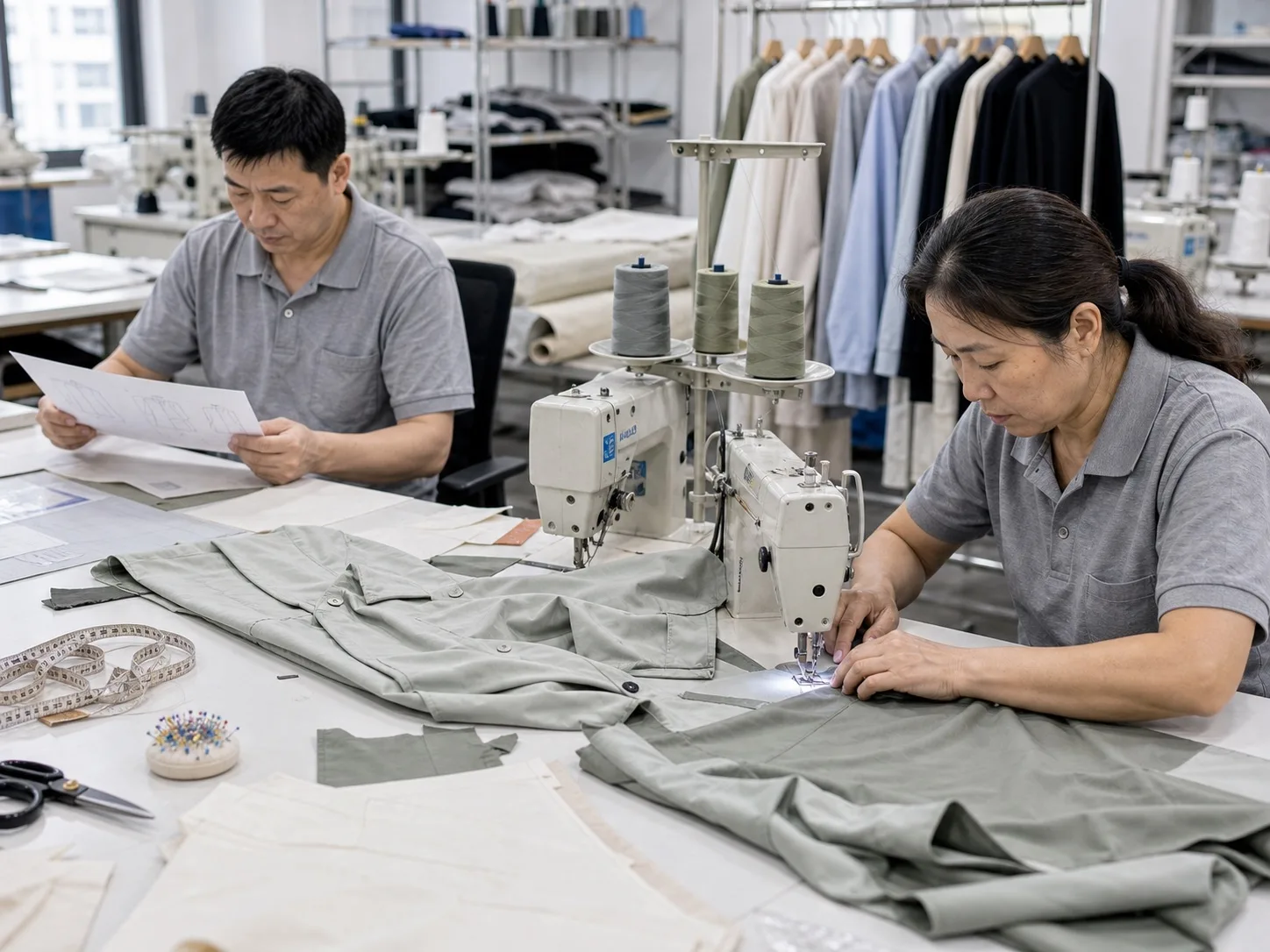
Blouse fabric transparency is not a fibre-name decision. It is a garment-level question influenced by colour, construction, surface, weight, drape, seams, pockets, placket, facings, gathering, sleeve volume, lining or layering choice, and the buyer’s intended use. A white or pale blouse may need a different observation than a darker colour in the same construction. A fabric that seems sufficiently covered in a folded swatch can behave differently across the bust, back yoke, cuff, gathered sleeve or front placket once it is made into the garment.
Start by stating what the buyer needs to review, rather than asking a supplier whether a fabric is “not see-through.” Does the buyer want to compare coverage in normal retail lighting, assess how the selected colour looks over the intended body area, decide whether a lining or additional layer is needed, or judge how a seam and placket appear when the blouse moves? A clear question lets the team decide whether it needs a swatch comparison, a small construction proof or a garment sample.
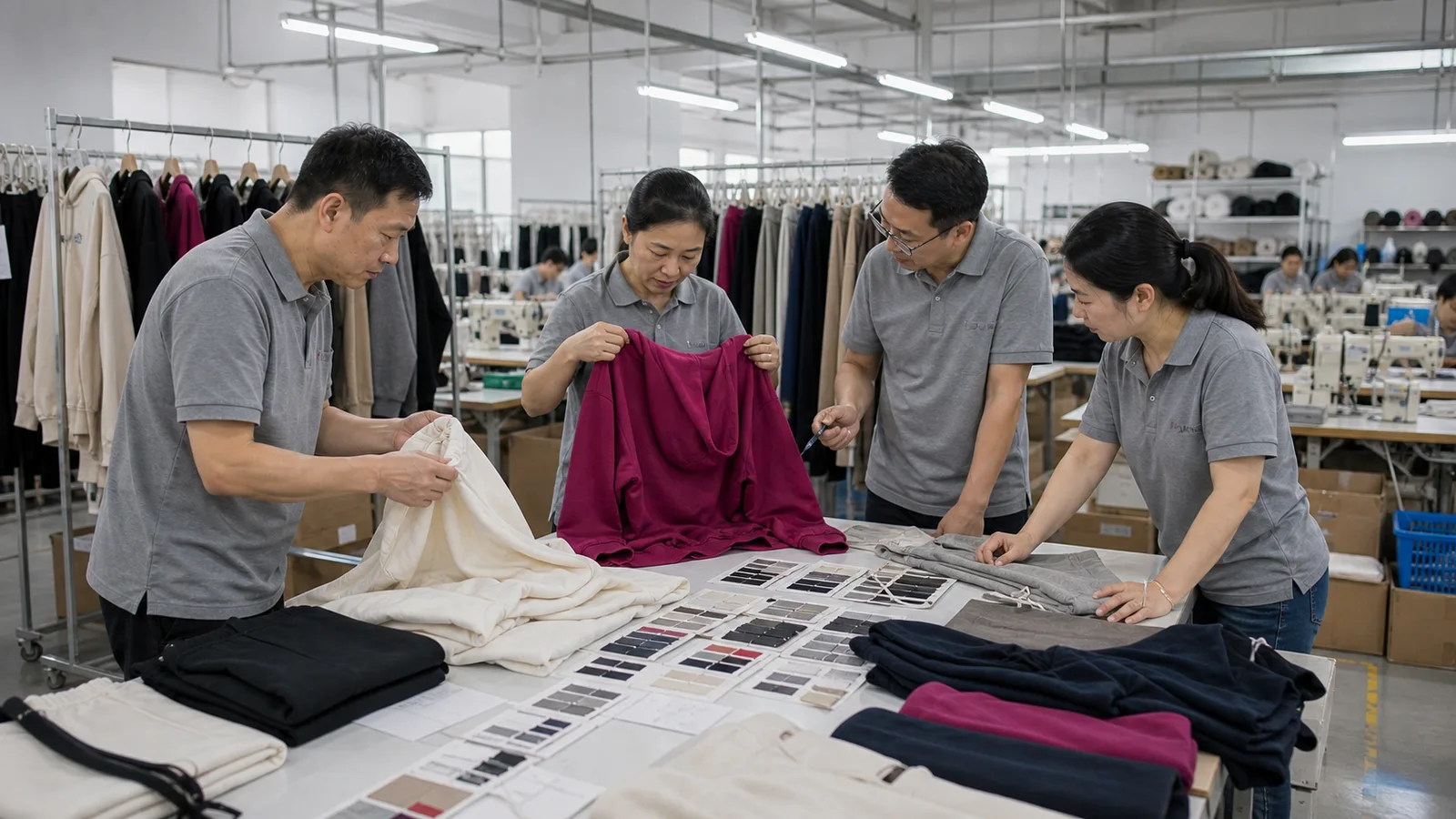
The fabrics and trims resource can help organise fabric, lining, button, interlining, thread and colour questions before the sample route is set. Keep the actual supplier or buyer reference, supplied composition input, construction information where available, finish, colour, swatch date, intended blouse and open decision beside the comparison. Do not treat a catalogue image, a generic fibre description or an earlier garment as evidence that every future blouse will have the same appearance, availability or outcome.
How should buyers build a material record that a factory can use?
A material record does not have to be a complex system. It needs to prevent a proposed option from becoming an accidental release. For each candidate, record the blouse style and colour, material reference, composition information supplied, construction or finish notes, matching lining or facing option, buttons and interlining under consideration, sample purpose, evidence held, owner, current status and next proof. Mark an alternative as “under comparison” until the buyer can state what it was reviewed against and what decision it supports.
This record also makes small-batch development easier to coordinate. A brand can begin with a compact palette and a small number of fabric directions while it tests what belongs with each silhouette. A billowy sleeve, a crisp collar, a draped neckline and a structured overshirt do not necessarily use the same material route well. The aim is not to claim that one fabric is universally right. It is to identify why a material is being considered for a particular garment and what evidence is still missing.
When the material changes, run a direct impact question: which previous decisions are still valid? A changed fabric may affect coverage, drape, collar roll, seam appearance, cuff shape, button support, facing behaviour, care-information source and folding method. The earlier sample can still be valuable evidence for the version it tested, but it should not silently approve a different material route.
How should buyers set blouse fit from a named base and a named wearing intention?
“Relaxed fit” does not explain how a blouse should be graded or reviewed. Begin with a buyer-approved base size or measurement reference, the intended wearer context, shoulder position, bust and body ease, sleeve length and opening, collar or neckline shape, hem route, fabric behaviour and the purpose of the sample. Those inputs give the factory a starting point for pattern discussion while making clear what the buyer needs to see before it accepts a result.
For a collar blouse, critical review points may include the collar stand, collar point, neckline position, front-placket balance, button spacing, yoke, armhole, shoulder line, sleeve pitch, cuff circumference, finished length and curved or straight hem. For a fluid blouse, the buyer might put more weight on drape at the body, neckline support, gathering distribution, sleeve fall and the interaction between a light fabric and the chosen construction. A buyer should not copy a numerical tolerance or grade rule from another garment without linking it to the correct construction, fabric and measurement method.
The custom womenswear manufacturer solution provides a useful way to structure custom pattern, fabric, fit and sampling questions for a blouse programme. It does not replace the buyer’s own acceptance process. Final fit approval belongs to the buyer’s named sample, size context and review method, not to a broad category label.
How should buyers use the first sample to answer a narrow question?
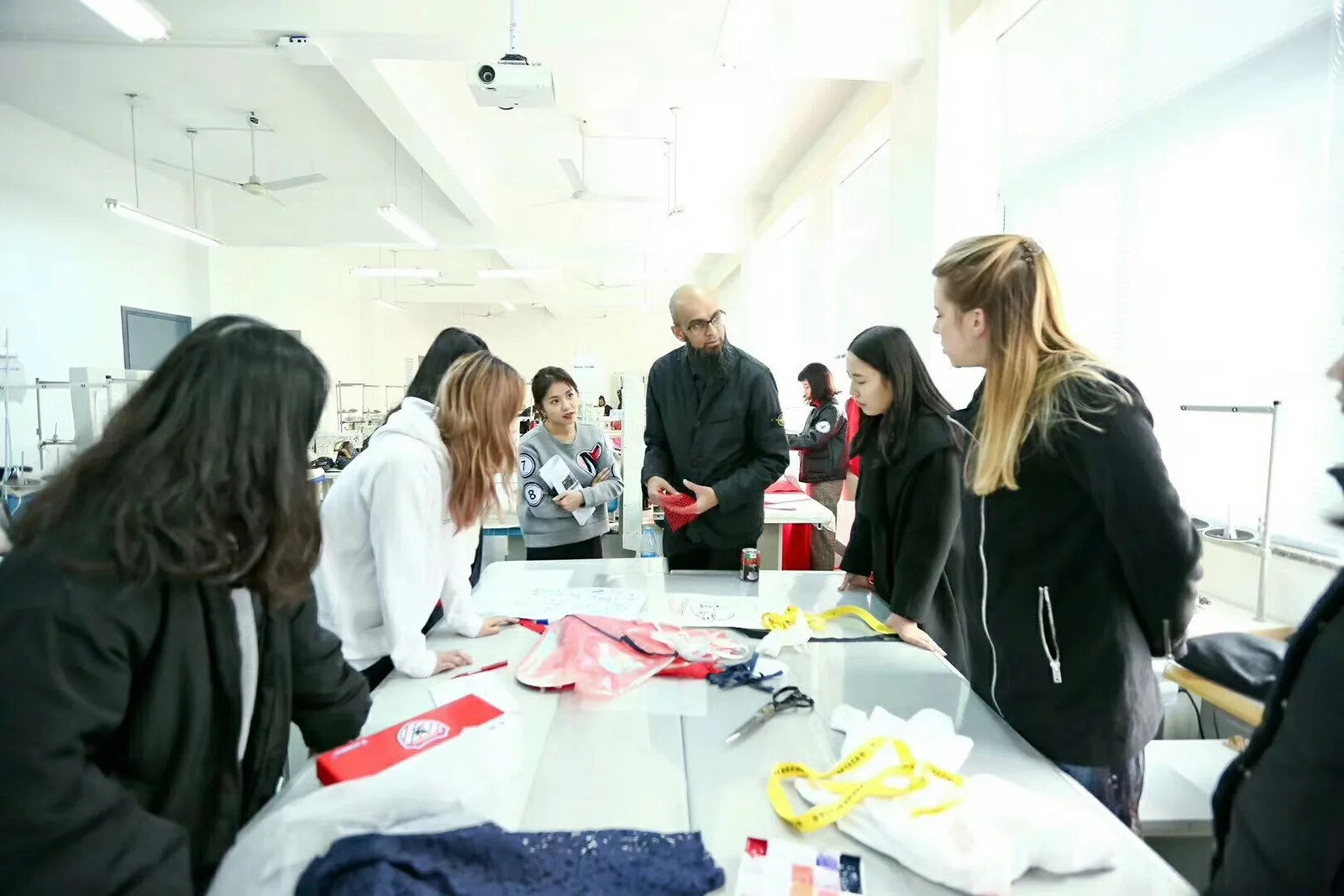
A sample is stronger when it has a stated purpose. An early development sample can explore silhouette, collar construction, sleeve volume, placket route or overall balance. A fabric proof can focus on coverage, drape, colour and seam appearance on the intended blouse. A fit sample can confirm the nominated base size and key measurement observations. A later confirmation sample may bring current fabric, components, label placement and finish together. The sequence varies by programme; the discipline is to name what each proof is supposed to establish.
Before a sample begins, give the factory a one-page instruction that names the style-colour-size identity, controlling reference, material and component route, current pattern or measurement basis, sample purpose, listed files, reviewer, due decision and open conditions. After review, record the result in similarly specific language. “Sample 2: collar and shoulder balance accepted for the stated fabric; final fold route remains open” gives a team a useful next step. “Looks fine” gives it very little.
Consolidate comments before they reach the factory. Product, design, sourcing, retail and quality colleagues may see different issues, but competing messages can create a blouse that answers none of them. A buyer-controlled change list should identify the sample version, exact point affected, reason, owner, direction and whether a new proof is needed. The fashion product brief before sampling offers a practical structure for this handover.
What should buyers check about do not separate collar, placket and cuff decisions from the fabric route?
Blouse construction is often read at close range. A soft fabric can change the way a collar sits. An interlining choice can affect the visual relationship between collar, stand and placket. A button can look correct on a card but appear too heavy, too light or poorly supported on the actual base. A cuff can feel proportionate in one sleeve construction and awkward in another. These are product questions, not generic guarantees about workmanship.
Ask the buyer to identify which details define the range. Is the collar meant to be crisp, soft, narrow, exaggerated, rounded or hidden? Is the front closing route meant to disappear, become a visual feature or support a layered styling use? Is the cuff fitted, gathered, open, elasticated or buttoned? Is a visible seam part of the intended design? Each answer affects which reference, component proof or sample observation belongs in the development plan.
Yinshan Fashion can coordinate these details with the pattern and sample conversation. The factory contribution is to clarify physical consequences and ask what must be shown; it is not to turn an inspiration image into a universal claim about comfort, longevity or retail acceptance. Where a material, collar or component changes, the buyer should decide whether the previous sample still answers the current question.
How should buyers keep care-information inputs connected to the actual blouse?
Care information, product descriptions and applied artwork should not be copied forward simply because the silhouette is familiar. Fabric, lining, facing, print, trim, button, coating or construction changes can affect the source material a buyer needs to review. Store the source, product scope, version, owner, status and next action alongside the blouse record. Separate a product-page draft from a file approved for an applied label, and separate a sample-placement proof from a bulk-release artwork.
For a boutique programme that will serve more than one channel, record which buyer owner reviews each customer-facing input. The brand, importer, seller and appropriate advisers remain responsible for confirming final requirements for the specific product and destination. A factory can help keep versioned inputs visible, place a buyer-approved file on a sample and flag a mismatch between the garment route and supplied artwork. It should not decide market obligations from a general request or an old label.
What should buyers check about give private-label components their own release path?
A neck label, size label, care label, hangtag, barcode, swing ticket, tissue, protective bag, hanger and carton mark may travel through the same product programme, but they do not establish the same decision. A sample can prove that a label placement feels suitable. It does not prove that the wording, artwork or account assignment is released for every country. A folded garment can show a visual pack result. It does not decide whether the label file matches a changed fabric version.
The private-label service can help a buyer organise brand components and buyer-approved artwork as part of the product handover. Keep a simple release record beside each element: exact blouse version, file name and revision, placement or packing use, recipient or channel, owner, status and condition. If a boutique account needs another barcode or a different presentation route, log it as an accountable variation instead of changing a broadly named “final” file.
This approach is especially helpful for smaller brands. A lean team does not need more paperwork for its own sake; it needs fewer moments where an outdated attachment can be mistaken for a production instruction. One clear release line can protect both the brand direction and the factory handover.
How should buyers plan folding and boutique presentation before the garment is packed?
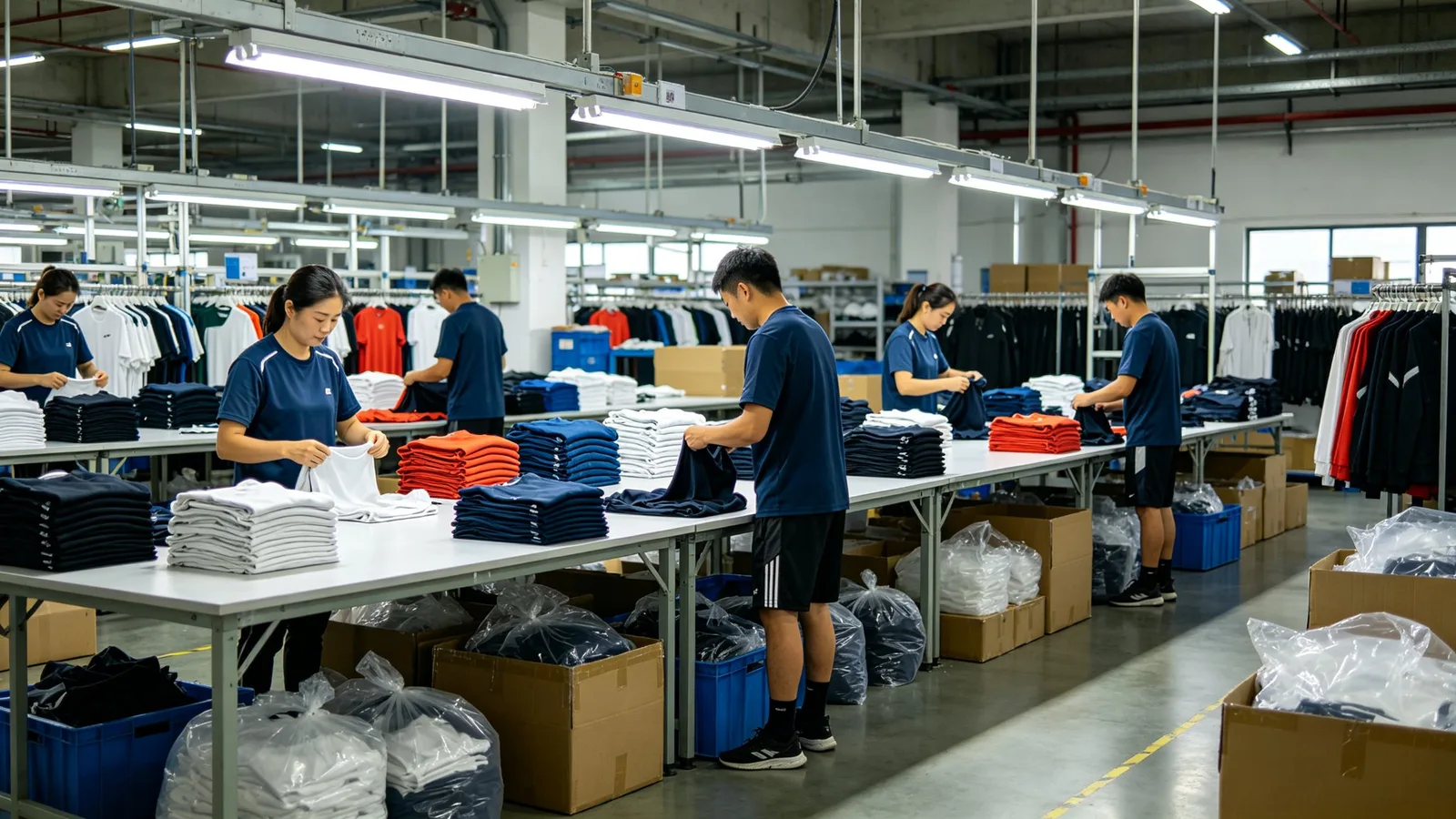
Presentation begins with the physical blouse. A soft, pale or detailed garment can require a buyer decision about fold direction, collar support, placket protection, tissue, protective layer, hanger or flat pack, size identification, insert, barcode location and carton route. These choices are connected to the product, but they should not be assumed from a previous collection. The same blouse may need a distinct presentation path for a different boutique recipient.
Create a presentation proof when the decision is consequential. The buyer can ask to see how the collar, cuff, front placket, buttons and selected fabric look after the proposed fold or hanger route. The factory can then identify which buyer-approved file, protection and carton input belong to the specified style-colour-size. This is a practical check, not a promise that every transit or retail outcome is predetermined.
What should buyers check about turn channel differences into a version register?
A Japan-facing online boutique, an EU multi-brand store and a direct brand order can share the same core blouse while needing different buyer-owned information or presentation inputs. Build a version register with one row per meaningful difference: product identity, intended country or channel, fabric and component route, current sample, size context, label and product-information status, fold or hanger direction, owner and next decision. It makes the relationship between common and localised decisions visible.
Do not make the factory infer what “EU version” means. The EU includes multiple countries, languages, channels and buyer arrangements; Japan also contains distinct retailers and sales routes. The buyer should supply the relevant product-data, label, language, retailer and packing requirements for its programme and say what has not yet been decided. That leaves room for a factory to give a specific development response rather than relying on a vague market stereotype.
What should buyers check about make changes explicit before bulk planning?
Changes do not create risk by themselves; hidden changes do. A new fabric reference, a revised pale colour, different button, added facing, moved label, fresh measurement comment, new sales account or changed fold instruction can alter the evidence behind a prior decision. Keep a compact change log: date, reason, affected style-colour-size, old and new input, current status, owner, condition and next action.
When a change occurs, ask which approval survives. A different fabric may reopen coverage, collar behaviour and care-information questions. A new cuff construction may reopen fit, component and pressing review. A revised retail account may reopen labels, size identification and packing proof. This check is useful in a small-batch programme because it lets the team preserve what is genuinely approved while reopening only the questions affected by the change.
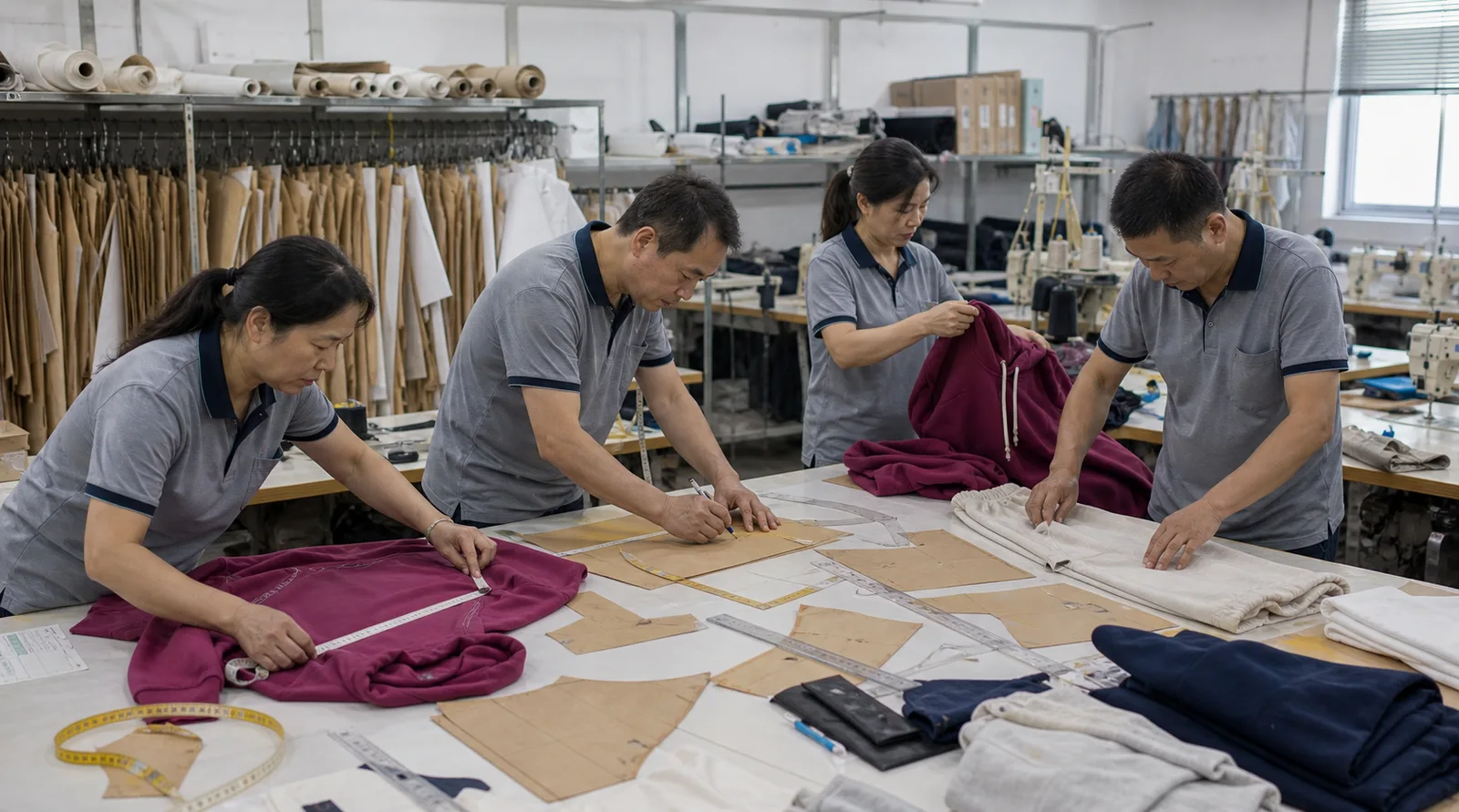
What should buyers check about buyer checklist before requesting a boutique blouse sample?
Use this list to prepare a conversation that a factory can action:
- State the blouse style code, colourway, revision, intended country and channel, product role and decision owner.
- Share a tech pack, annotated reference or existing sample, and mark visual inspiration separately from a current instruction.
- Define the buyer’s base-size context, silhouette, shoulder and sleeve direction, collar or neckline, body length and hem priorities.
- Name the fabric, lining or layering route, components, colour, coverage question, evidence held and open material alternatives.
- Describe the sample purpose: silhouette, fabric behaviour, fit, applied component, label placement, finish or presentation proof.
- Identify the care-information source, product-data owner, label artwork status, fold or hanger route, barcode or insert owner and packing recipient.
- Supply quantity assumptions by style, colour and size where available, while keeping them clearly provisional when they are not final.
- Record the review owner, what may be accepted on this sample and what must stay open for a later gate.
What should buyers check about factory checklist before a blouse moves toward a production handover?
The factory should be able to return a concise working summary. It should identify the current blouse version, material and component assumptions, selected sample purpose, missing inputs, buyer questions, proposed evidence and the next release needed. It should distinguish a sample discussion from a bulk instruction, and a buyer-provided artwork file from a released application file.
For a private-label blouse, practical questions often include: which fabric route is current; what coverage or drape should the sample show; which collar, placket, cuff and hem observations are critical; what base-size reference governs the review; which label and packing files are allowed to be used; which account receives the stated fold or hanger route; and what change requires the buyer to reopen the decision. These questions make the supplier relationship more useful than a generic assurance that the blouse can be made.
What should buyers check about a practical next step for a private-label blouse programme?
Send Yinshan Fashion a current blouse reference, style and colour identity, intended Japan and EU countries or channels, fit basis, fabric and coverage priorities, component direction, sample objective, care-information inputs, private-label files, retail presentation route, quantity structure and named approval owner through the contact page. The next action may be a fabric comparison, pattern question, fit sample, collar or cuff proof, applied-label review or packing mock-up.
That route gives a brand enough structure to move forward while keeping open decisions visible. It does not promise a fixed material, price, minimum, timing, test result, certification, market outcome or delivery result. It gives the buyer and factory a more reliable way to develop the blouse that the boutique programme actually needs.
Boutique blouse development kit
Three records that make a light-fabric blouse easier to review before bulk
Use one blouse identity, one garment-level material-and-fit proof, and one released presentation version. They keep buyer decisions clear without turning Japan or the EU into a universal product specification.
Name the exact blouse
Connect style, colourway, base-size context, intended channel, material route, components, sample revision and owner to one current product record.
Prove the garment result
Use a swatch for a material conversation and the intended blouse sample for coverage, collar, placket, cuff, fit and drape questions that a swatch cannot settle alone.
Release the presentation
Match label artwork, size ID, fold or hanger route, protection, barcode and carton direction to the actual style-colour-size and boutique recipient.
Buyer actions and factory questions for a private-label blouse programme
Use this before a blouse sample, material route, label file or packing instruction is treated as ready for bulk. Customer-facing and market decisions remain with the brand, retailer, importer and appropriate advisers.
| Decision area | What the buyer should prepare | What to ask the factory |
|---|---|---|
| Blouse identity | Provide style, colourway, intended country or channel, base-size context, revision and current sample or reference | Which reference controls the current blouse development route? |
| Coverage and fabric | State colour, opacity or layering question, material and component options, evidence held and next proof | What must be assessed on the intended blouse rather than a swatch alone? |
| Fit and construction | Describe shoulder, bust, sleeve, collar, placket, cuff, body length, hem and fitting priorities | Which pattern, measurement or sample observation answers the buyer’s current question? |
| Product information | Identify care-information source, product-data owner, artwork status and buyer review route | Which file is a development draft and which is approved for application? |
| Presentation | Approve label, size ID, fold or hanger, protection, barcode, insert and carton inputs by recipient | Which exact blouse version and boutique channel does the presentation release cover? |
| Change control | Log fabric, colour, component, fit, artwork, channel and packing changes with owner and date | Which earlier approval remains valid, and which proof must reopen? |
Continue the production conversation
Private-label blouse production: the buyer decisions that should travel with each version
| Control record | Buyer decision | Factory development input | Question before release |
|---|---|---|---|
| Blouse identity | Style code, colourway, size context, channel and revision | Current reference, brief and sample record | Which physical blouse is under review? |
| Fabric coverage | Colour, opacity expectation, layering and presentation priority | Swatch reference, construction details and sample purpose | What must be assessed on the intended garment rather than a swatch? |
| Fit and proportion | Base-size context, shoulder, bust, sleeve, collar and length priorities | Pattern or measurement basis and fitting route | Which points must the sample answer? |
| Components and finish | Buttons, placket, cuff, seam, pressing and surface priorities | Component references and finishing notes | Which applied detail needs its own proof? |
| Presentation version | Label, size ID, fold, protection, account and channel | Approved artwork and packing instruction | Which style-colour-size and recipient does this route cover? |
| Change release | Owner, date, approved scope and open conditions | Updated sample or production handover | What change reopens the prior decision? |
Buyer FAQs
What should a buyer include in private label blouse production for Japan and EU boutiques?
Start with a dated blouse record: style and colour identity, intended boutique or channel, base-size context, silhouette, fabric and lining route, coverage question, collar and sleeve details, components, sample purpose, care-information inputs, labels, fold or hanger route, quantity assumptions, owner and open decisions. Treat Japan and EU as buyer-defined sales contexts, not a fixed universal specification.
Can a swatch confirm blouse fabric transparency?
A swatch can start the material conversation, but it cannot establish the finished blouse result alone. Colour, garment construction, seam allowances, placket, pockets, lining or layering choice, fit and wearer movement affect what the buyer should assess. Use the intended garment sample for the named coverage question.
How should a boutique define blouse fit before sampling?
State the buyer-approved base size or measurement reference, desired shoulder position, bust ease, sleeve volume and opening, collar or neckline shape, body length, hem, fabric route and the fitting question. Record any acceptance against the named sample and reopen relevant points when a material or construction input changes.
Why should blouse folding and retail presentation have a separate record?
A garment fit sample does not approve the correct label, size identifier, tissue, fold, hanger, protection, barcode, insert or carton for every boutique recipient. A separate presentation record keeps buyer-approved files connected to the actual style-colour-size and channel being prepared.
How can Yinshan Fashion support a custom boutique blouse programme?
Yinshan Fashion can coordinate buyer-defined fabric, fit, pattern, sample, component, private-label and factory-handover questions for a blouse programme. Material availability, commercial terms, testing, product information, market obligations and delivery details remain specific to the confirmed project and buyer approvals.