Article
What should buyers know first?
Short answer: Develop a boutique blouse range with clear fabric, coverage, neckline, sleeve, fit, label, colour and packaging decisions before approving production.
For a boutique range, the most useful planning question is what role each blouse serves. One style may be an easy repeat purchase, another may provide the collection's statement sleeve, and a third may coordinate with a skirt for a more dressed-up occasion. Those roles should lead to distinct product decisions. A buyer can then compare samples against a defined purpose instead of choosing several similar styles simply because each looks attractive in isolation.
What should buyers consider about brief the private label blouse manufacturer around a range role?
Identify the customer, intended occasion, price positioning and selling channel for each style. Explain whether the blouse is expected to work tucked in, worn loose, layered under a jacket or paired with a matching bottom. Name the undergarment assumptions and the level of coverage the customer expects. A plunging neckline may be deliberate for one product, while the same opening would be a fit problem in a blouse intended for everyday workwear.
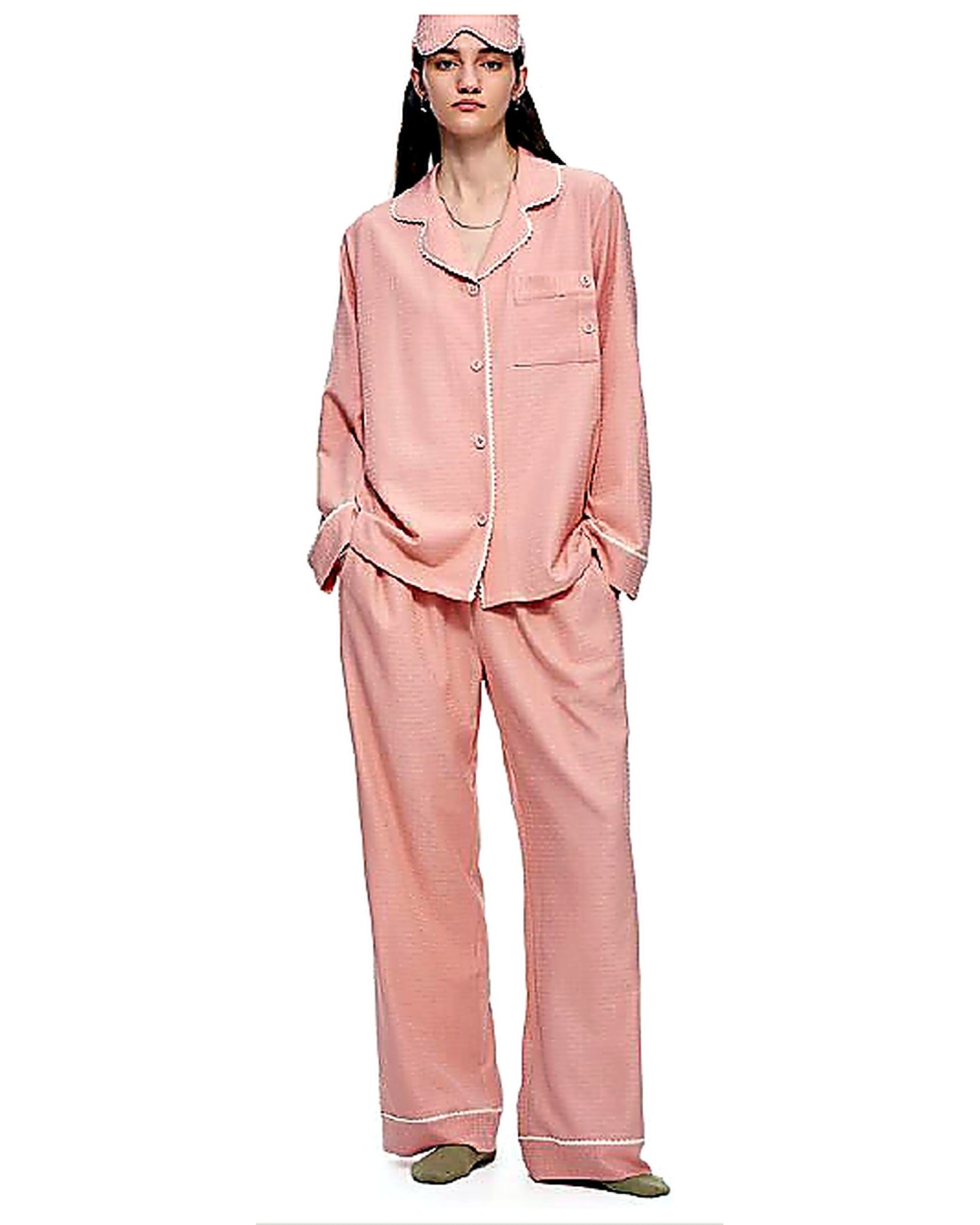
Use front, back and detail drawings to define the design. Show closure locations, sleeve shape, hem treatment, gathers, pleats and any tie or decorative component. Mark the parts that are essential to the design and the parts open to factory suggestions. The blouse collection can help the team understand a product direction, but the final specification must describe the buyer's own style rather than relying on a catalogue photograph as the complete instruction.
Prepare a simple range matrix before sampling every idea. List each style's role, material direction, colour allocation and relationship to other pieces. If two blouses answer the same customer need, decide what makes them meaningfully different. The distinction may be silhouette, sleeve, neckline, fabrication or use. This makes a small development budget more purposeful and helps the manufacturer understand why one detail must be preserved while another can be simplified.
How should buyers choose the fabric for the intended silhouette and coverage?
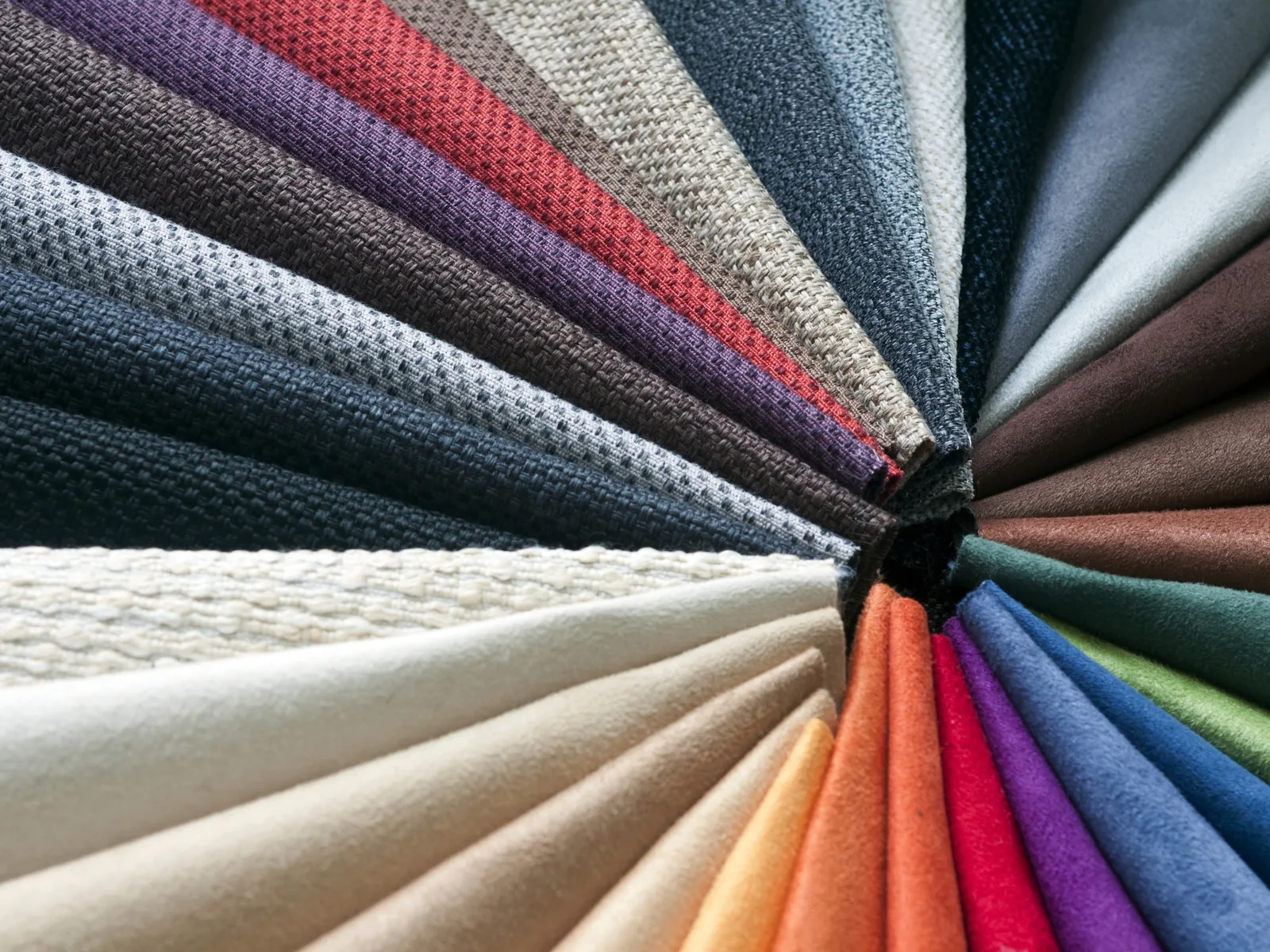
Record the proposed material reference, composition, construction, finished weight, width and finish. Review the actual quality rather than assuming that a familiar fibre name guarantees the right drape. A fluid blouse with soft gathers requires a different assessment from a crisp style with a shaped collar. Ask how the fabric behaves in the garment areas that define the design, especially where folds, ties or volume need to sit in a particular way.
Assess transparency on the intended colour and in the intended wearing conditions. A pale fabric may reveal facings, seam allowances or pocket bags even when the flat swatch seems acceptable. Review the garment over the underlayer the customer is expected to wear. If a camisole, lining or facing change is proposed, make that part of the product decision and commercial brief. Do not hide a coverage issue in photographs and leave the customer to solve it after purchase.
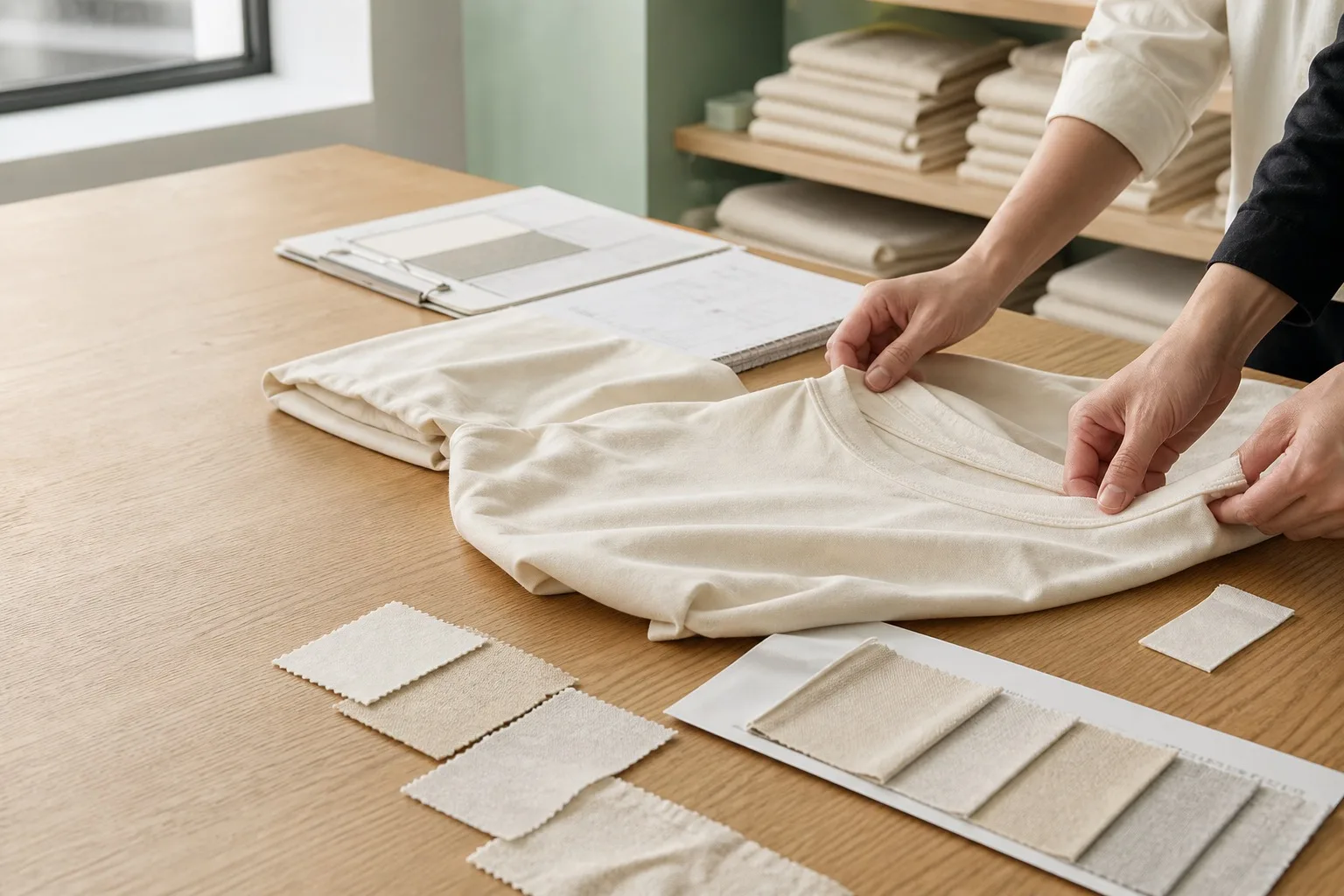
Keep alternative fabrics clearly identified during development. A first sample in a substitute quality may answer construction questions without settling final drape or fit. Record those limits and repeat the affected review when the intended material is available. The custom womenswear solution is a relevant route for discussing those material-to-product decisions. It does not remove the need for project-specific confirmation of availability, quantity conditions, testing or performance claims.
How should buyers define the neckline through shape, stability and use?
Neckline approval should include its shape, depth, width, edge treatment and relationship to the body. Review the sample standing and moving, including leaning forward where appropriate to the intended use. A neckline that looks balanced on a hanger can shift when the wearer reaches or changes posture. Record whether the customer is expected to use an underlayer and whether any visible bra or camisole is part of the styling intention.
Ask the factory to show how the edge will be stabilised and finished. The appropriate construction depends on the fabric, shape and desired appearance. A facing, binding or other finish can change the neckline's feel and drape. Inspect whether the finish stays inside, rolls outward, creates bulk or becomes visible through the shell. If the sample is temporarily pressed into position for photography, examine it again after normal handling before treating that appearance as stable.
For tie necks, wrap fronts and draped openings, demonstrate how the customer is meant to arrange the garment. Confirm tie length, attachment and the appearance when adjusted. A factory should not have to infer the intended styling from one image. Preserve a short wearing instruction or reference photograph in the product file if the design depends on a particular arrangement. Then make sure customer-facing photography and descriptions represent the same version that the factory will produce.
How should buyers review bust fit and front balance without relying on one pose?
Review the relationship between bust shaping, front length, shoulder position and closure. A blouse may appear smooth while standing still but pull across the bust when the wearer reaches or sits. Record the location and circumstances of the strain before asking for a change. Adding width may be appropriate in one case, while another requires a different balance or shaping decision. Ask the pattern team to diagnose the issue instead of issuing several unrelated measurement changes.
Button-front styles need particular attention between fastening points. Observe whether the opening gaps, whether the placket twists and whether buttons remain aligned during ordinary movement. Consider the intended underlayer and the brand's coverage standard. Do not treat every gap as an unavoidable feature of a blouse or solve it only by asking the customer to size up. The sample should be reviewed against the actual fit and use the brand intends to sell.
Keep the reference wearer, sample size and measurement record together. If the brand offers an extended size range, decide which additional sizes need physical review rather than extrapolating all fit judgments from one sample. The aim is to preserve the intended look while making the garment usable across the range. A good comment file identifies accepted areas as well as problems, so a revised sample does not accidentally lose the neckline or shoulder shape the buyer already approved.
How should buyers build sleeves that preserve the design during movement?
A statement sleeve is not only a visual shape. Its weight, volume, attachment and opening affect the way the blouse moves. Review the sleeve with the arms relaxed, raised and reaching forward. Check whether the body lifts excessively, whether the armhole restricts movement and whether the sleeve twists. Identify whether the volume belongs at the shoulder, elbow, wrist or throughout the sleeve. This gives the pattern team a clearer target than an instruction to make it more dramatic.
For cuffs, define the opening and the method of entry. A fitted cuff may need a functional opening rather than relying on the customer to force a hand through it. Review button access, placket construction and the feel of the closed cuff. An elasticated sleeve should be assessed for comfort and the intended gathering effect. If the sleeve is meant to stay above the elbow or wrist, observe that behaviour on the sample instead of judging only its flat measurement.
Consider layering when it is part of the product's role. A voluminous blouse intended to sit beneath a fitted jacket may create a different experience from the styled image the buyer imagined. That does not make the sleeve wrong, but it should be an intentional choice. Compare the sample with the relevant garments and document any limitation in styling. A boutique collection works better when its pieces can be explained honestly to the customer.
How should buyers specify gathers, pleats and ruffles as repeatable construction?
Show where each decorative construction starts and ends, its intended fullness and its relationship to stable garment reference points. A note saying add a ruffle leaves room for different widths, densities and edge finishes. Use a drawing and an approved sample to define the effect. If the fabric changes, review whether the same specification still creates the intended shape. A crisp quality and a fluid quality may produce very different results from an identical pattern piece.
Inspect the junctions where gathered or pleated areas meet smooth panels. Look at seam bulk, alignment and the way the area sits on the body. Ask whether the construction can be reproduced consistently and what the inspection reference should show. Do not judge only the most carefully arranged photograph of the sample. Handle the garment, allow it to settle and review the result in the wearing conditions relevant to the design.
For pleats intended to retain a defined appearance, identify what evidence supports that expectation and how care should be reviewed. Do not promise permanent performance without an appropriate basis. For deliberately soft folds, show the acceptable range of appearance rather than imposing a rigid standard that contradicts the design. The buyer's approval should distinguish construction accuracy from normal movement in the material, giving production and inspection teams a practical reference.
How should buyers approve buttons, ties and visible trims in context?
Select trims using the assembled blouse, not only a supplier card. Record dimensions, colour, finish and the actual reference. Review whether a button's weight pulls a delicate placket, whether a tie hangs as intended and whether a decorative component catches on the fabric. The component should support the design without creating an unresolved function or care problem. If the first sample uses temporary trims, mark them clearly and keep those approvals open.
Show placement with measurements from reliable reference points. Small changes can be conspicuous around the neckline, cuff or centre front. If a trim is repeated, define spacing and alignment rather than relying on visual approximation. Review the reverse and any attachment that will touch the body. A polished exterior does not compensate for an uncomfortable internal finish or a construction that is difficult for the customer to use.
Confirm what happens if the approved trim is unavailable for bulk or a later reorder. A similar-looking substitute may have a different weight, feel or function. Require the factory to identify the proposed change and give the buyer a chance to assess its consequences. Keep the decision with the component record. This is particularly valuable for a boutique signature detail that customers may recognise across several seasons or repeat purchases.
How should buyers set the size-range review before grading is treated as finished?
Define the size labels, finished garment measurements and grading instructions clearly. Distinguish body measurements from garment measurements and show how each point is measured. A loose blouse may contain deliberate ease, but that ease should follow the intended silhouette across the range. Do not assume that adding the same increment to every dimension preserves neckline proportion, sleeve volume or the relationship between bust and hem.
Ask the pattern team which sizes deserve physical review based on the design and range. A fitted bust, wrap front, narrow cuff or complex sleeve can make selected size checks especially useful. Review decoration placement and button spacing as well as fit. A feature that sits correctly on the reference size may approach a seam or opening on another size. Record whether artwork or decorative dimensions remain fixed or change according to an approved rule.
If the blouse coordinates with a skirt or trouser, keep the size relationship visible in the commercial plan. The pant and dress collection offers relevant lower-body references for that discussion. It does not establish that a customer will wear the same labelled size in every garment. The brand should decide whether pieces are sold separately, paired in fixed sets or presented only as styling suggestions.
How should buyers review care effects on shape and presentation?
Agree an appropriate care-review process for the actual materials and intended product. Identify the sample version, composition, finish, trims and decoration before the review begins. Record dimensions and appearance consistently before and after the process. A fabric-level observation can inform development, but it does not answer every question about a finished blouse with facings, buttons, elastic, pleats or contrasting components.
Examine neckline shape, placket alignment, sleeve balance, seam appearance and the relationship between decorative and plain areas. If a component changes differently from the shell, determine whether the result remains acceptable. Record the decision and any corrective action. Do not automatically compensate for every observed change by enlarging the pattern. The cause may concern the material, finish, construction or proposed care route, and the appropriate response needs to address that cause.
Keep customer-facing care information tied to the evidence for the final product. If a material or trim changes after approval, review whether the previous conclusion still applies. An informal development observation should not be described as a named laboratory result. The buyer can use practical care review to improve the blouse while keeping stronger durability or performance claims subject to appropriate support. Accurate records make that distinction easier to maintain across factory, brand and retail teams.
How should buyers plan colours and quantities without fragmenting the range?
Show quantities by style, colour and size. Ask which material and component minimums apply to the proposal and whether sharing a fabric across styles creates a practical sourcing benefit. Do not assume that different colours can be combined into one minimum or that a small garment order automatically makes every custom trim economical. The factory should explain the conditions for the actual programme so the buyer can compare alternatives.
Approve the important colour relationships on actual materials. Shell fabric, thread, buttons and labels may carry the same colour name without appearing identical. For pale blouses, review coverage on the relevant colour rather than relying on a darker sample. For a coordinated range, compare finished pieces together and decide which differences are intentional. Keep the physical references and approval dates with the style file so later teams can locate the accepted standard.
Use the range role to decide where variety adds value. A core blouse may benefit from a focused colour offer, while a statement style may need fewer units in a distinctive shade. Those are buyer decisions based on the brand's demand and retail plan, not universal sales rules. Ask for quotation options that show the specification and quantity consequences. A lower unit price should be considered alongside the material commitment and the amount of stock the brand is prepared to manage.
How should buyers make the private-label details part of the garment review?
Confirm brand label artwork, dimensions, material and placement using the assembled sample. A label that looks attractive on a table can feel stiff against the neck or show through a light shell. Review the attachment and reverse as well as the front. If the brand wants an understated interior, show that intention in the specification. The factory should not substitute a larger or more conspicuous label because it is easier to source.
Separate the approval of text from the approval of layout and placement. The brand or its responsible advisers should provide the required composition, care, size and market-specific information. Keep the current text version with the artwork so a later design revision does not reintroduce obsolete wording. Where several markets use different versions, assign clear identifiers and show which version belongs to each order allocation.
Prepare hangtags and retail identifiers in the same controlled file. Verify product names, size mapping, colour names and barcodes against the brand's own system. A blouse can be manufactured correctly and still create a retail problem if its tag describes another colour or size. Ask for a label and packing proof that shows the assembled relationship, not just separate artwork pages. This makes approval more useful for the staff who will identify and pack the garments.
How should buyers inspect the first production pieces against the actual approval?
Identify the sample and specification that production should follow. Make any conditional approvals visible, including temporary trims or materials that must be replaced. Before the order advances, compare representative assembled pieces with the approved reference at the points that matter most: neckline, front balance, sleeve shape, closures, decoration and key measurements. The selection should follow the style's actual risks rather than a generic list copied from an unrelated garment.
When a difference appears, record the affected style, colour, size or material lot where relevant. Ask the factory to explain the cause and proposed response before applying a change broadly. A construction adjustment that solves one issue may alter the appearance the buyer approved. If the buyer accepts an exception, define its scope and retain the authorisation. An isolated concession should not quietly become the standard for the rest of the range.
Keep inspection evidence concise and useful. Photographs should identify the location and scale of the observation, while measurements should follow the agreed method. Avoid using a general passed label when important decisions remain conditional. The objective is to make the relationship between the production garment and approved design clear enough that another team member can understand it without reconstructing a long message history.
How should buyers preserve the blouse's presentation through packing?
Review how folding, hanging or compression affects the features that define the blouse. A statement sleeve, soft ruffle or shaped collar may need a different arrangement from a plain top. Ask for a packed sample and inspect the garment after opening it. Identify whether the presentation can be restored with normal retail handling or whether the packing method creates avoidable marks or distortion. Decide from the actual product rather than an assumption that more packaging always improves protection.
Confirm garment identification and carton allocation by style, colour and size. If several blouses share similar fabrics, make the style code easy to distinguish. Keep the outer identifiers consistent with the packing list and the brand's retail records. Where a blouse is paired with a bottom, verify the intended combination before sealing the retail unit. A clear pairing record is more reliable than asking packing staff to recognise coordinated pieces by appearance.
Retain the packing approval with the material, fit and label records. If the buyer changes distribution channel, review whether the same arrangement remains suitable. A wholesale delivery to a boutique and individual e-commerce fulfilment can create different handling needs. The factory brief should state what it is responsible for supplying, while the brand remains responsible for later fulfilment decisions that are outside the agreed manufacturing programme.
How should buyers use the first season to improve the next development brief?
Review feedback by style and issue rather than treating every return as a manufacturing failure. A neckline complaint may concern fit, inaccurate photography or an unclear description of intended coverage. A sleeve issue may affect one size more than another. Use the brand's own evidence to identify the pattern before changing the product. Record what is known, what is inferred and what still needs a sample review.
For repeat orders, reconfirm material and trim references, colour availability and any changes to construction. Compare proposed replacements with the retained approved garment and identify the approvals affected. Do not rely on the original style name to communicate every detail. A well-maintained record allows the factory and buyer to focus on changes without redoing decisions that remain valid.
Send Yinshan Fashion the current range matrix, drawings, sample comments, material references and proposed quantities through the project contact page. Identify the decisions that need development support and the features that define the brand. A useful private-label programme grows from those concrete inputs: a recognisable product, a controlled approval process and records that make the next order easier to understand.
How can buyers discuss next steps with Yinshan Fashion?
For the supporting documents that make a blouse sample request usable, see the womenswear tech pack checklist.
Select the range roles and physical fabric references, then prepare the fit and branding decisions. Discuss a boutique blouse programme with Yinshan Fashion using a complete product brief.
Sourcing Guide buyer guide
Private Label Blouse Manufacturer: How to Develop a Boutique Blouse Range
Develop a boutique blouse range with clear fabric, coverage, neckline, sleeve, fit, label, colour and packaging decisions before approving production.
Define the range roles
Write one sentence for each blouse explaining its customer use and difference from the other styles.
Resolve the fit observations
Annotate neckline, bust and sleeve issues with sample size, movement position and the relevant photograph.
Align product and retail records
Check that final labels, colour names, size identifiers and packing instructions describe the same approved garment.
Buyer and factory handover checklist for private label blouse manufacturer
Use these prompts to make the current product decision reviewable. Confirm market requirements and commercial details for the specific programme.
| Decision area | What the buyer should prepare | What to ask the factory |
|---|---|---|
| Approval point 1 | provide drawings, range roles, customer reference and quantity allocation. | document material references, substitutions and construction questions. |
| Approval point 2 | approve coverage, fit, styling assumptions and final label text. | retain sample revisions and report deviations before applying changes. |
| Approval point 3 | identify essential brand details and permitted development changes. | Which proof or record should confirm this decision before the next stage? |
Continue the production conversation
Blouse range decision table
| Decision | Evidence | Approval outcome |
|---|---|---|
| Range role | Customer and styling brief | Each style has a distinct purpose |
| Fabric | Identified quality and garment sample | Drape and coverage match the intended use |
| Neckline and bust | Movement review and fit comments | Shape, balance and coverage are accepted |
| Sleeves | Assembled sample in use | Volume and access are practical |
| Private label | Text, artwork and placement proofs | Correct information fits the actual garment |
| Packing | Opened packed sample | Presentation and identification remain suitable |
Buyer FAQs
What should a private label blouse manufacturer receive first?
Send the range roles, drawings, fabric direction, fit reference, size range and quantities. Identify the decisions that need support before quoting or sampling.
Is adding a brand label enough to create a private-label blouse?
The programme also needs an approved product specification, fit, materials, components and retail information. The label should be reviewed as part of the assembled garment.
How should transparency be approved?
Review the relevant fabric colour on the actual sample with the intended underlayer and wearing conditions. Record the accepted outcome and any required lining or facing changes.
Can one reference size establish the whole range?
It provides a starting point, but the grading and selected additional sizes need review according to the design's risks and intended customer range.
What should be retained for a blouse reorder?
Keep the approved garment, measurements, material and trim references, colour standards, artwork, packing instructions and resolved issue history. Reconfirm changes before the next order.