Article
What should buyers know first?
Short answer: Plan plus size dress development around the brand’s body reference, fit block, grade rules, material and size-set evidence before custom sampling.
Plus size dress development starts with a clear definition of the customer and the fit the brand intends to offer. Increasing measurements on an existing dress is not enough to establish that the resulting size range will work. A useful development brief connects body information, garment measurements, ease, pattern decisions, fabric behaviour and physical sample observations. Each of those inputs should refer to the same style and revision.
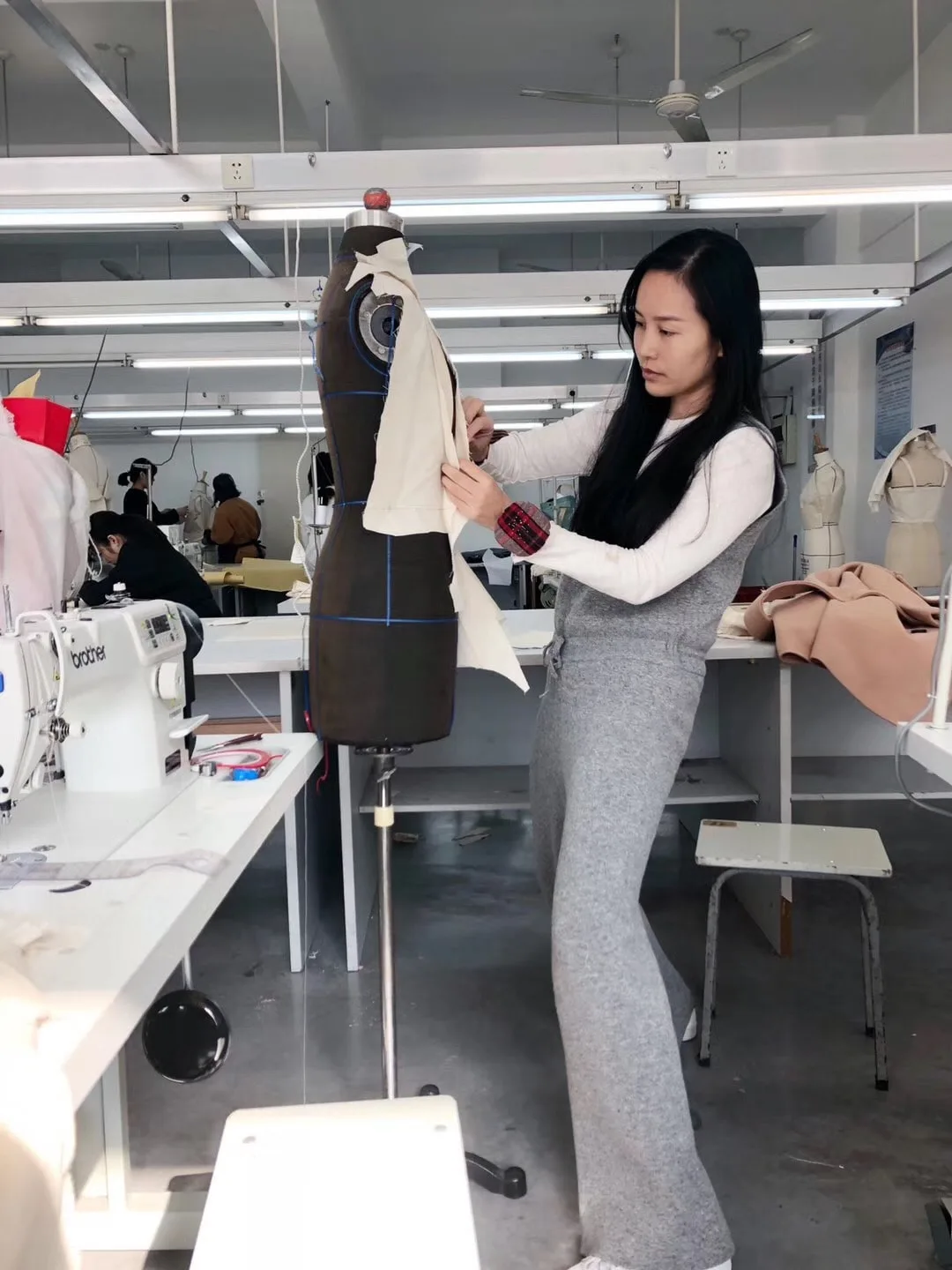
For a buyer approaching Yinshan Fashion, the first task is to explain that fit objective. Share the proposed size range, the brand's measurement basis, the dress reference and the questions the sample must answer. Yinshan Fashion works on custom and private-label bulk enquiries. The specific pattern-development route, sample sizes, material options and production feasibility need confirmation for the project; this article does not present a verified plus-size fit block or a completed customer case.
The framework below is intended to help a brand prepare and evaluate a development enquiry. Its examples describe possible review situations, not universal body proportions or evidence of a particular factory result. A size label alone cannot tell a pattern team how a dress should sit on the intended wearer.
Plus size dress development begins with the wearer definition
Identify the actual customer group before choosing a base size. Record the market, intended wearing occasion, fit preference and body information the brand uses. A retailer serving a particular customer community may already have fit feedback from previous garments. Another brand may need a separate research or fitting exercise before it can define a reliable measurement basis. Make that uncertainty visible in the brief instead of asking a supplier to invent the customer.
Keep body measurements separate from garment measurements. A body chart describes the wearer basis. A garment specification describes the finished product at named measurement points. The relationship includes intended ease, shaping and construction; the two charts should not be interchangeable copies. A relaxed dress, a close-fitting woven dress and a dress with an elasticated section can require different garment decisions for a similar body reference.
The public scope of ASTM D6960/D6960M describes a particular set of plus women's body measurements as a baseline for apparel development. That is useful context for distinguishing a body reference from a finished-garment specification. It does not establish a universal size chart or determine the fit of the brand's dress.
If the brand uses an external chart, identify its source and the extent to which it matches the target customer. If the chart is internal, give it a revision and owner. A factory can then ask a concrete question about the reference rather than working from the ambiguous instruction to make the garment suitable for larger sizes.
Choose a dress silhouette before discussing grade rules
Describe where the dress should follow the body, where it should release and how it should move. Mark the intended position of the shoulder, neckline, waist seam, fullest part of the skirt and hem. Explain whether a waistline is designed to sit at a particular body landmark or deliberately above or below it. Photographs help communicate the silhouette, but they should be accompanied by a drawing and notes identifying the features that matter.
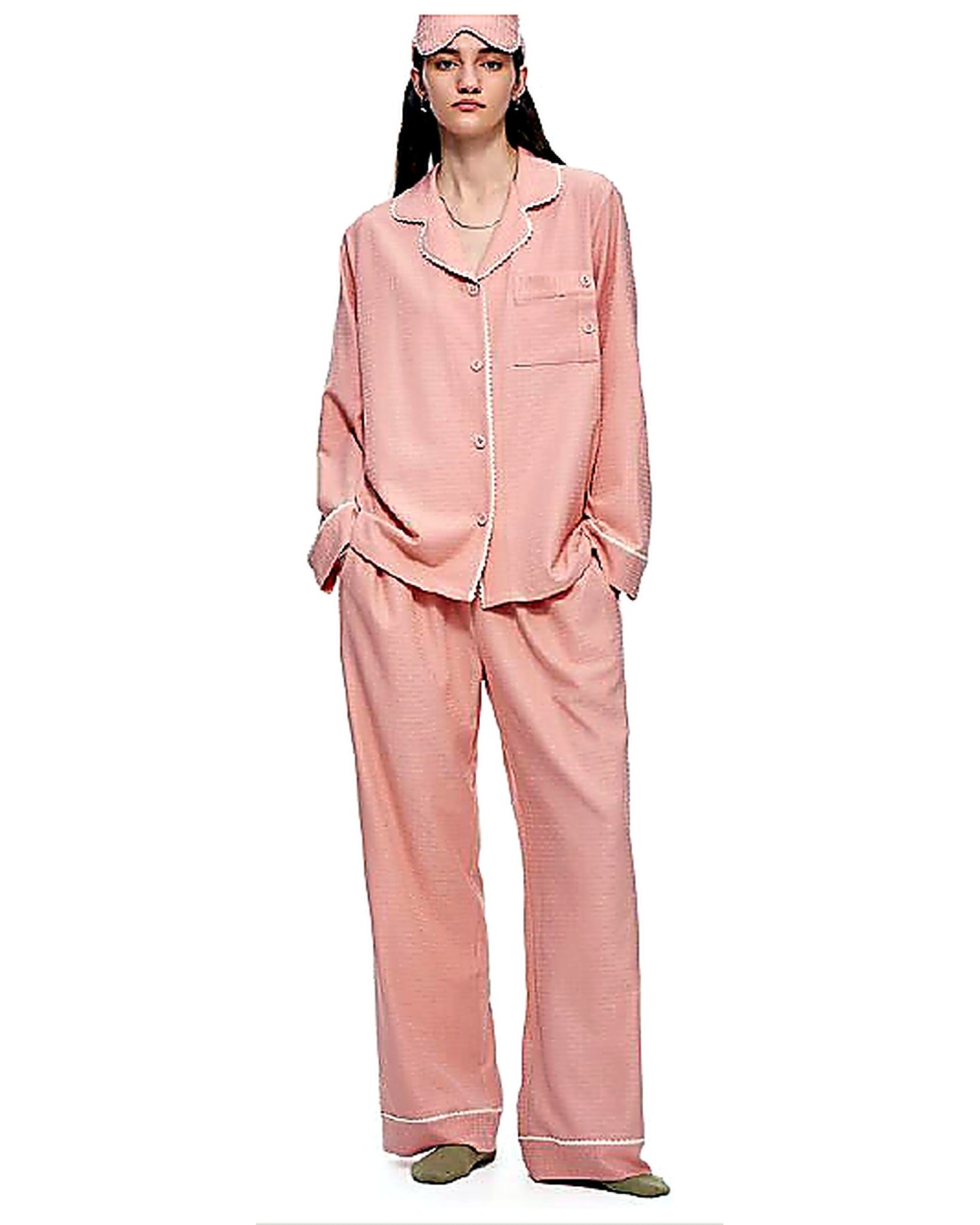
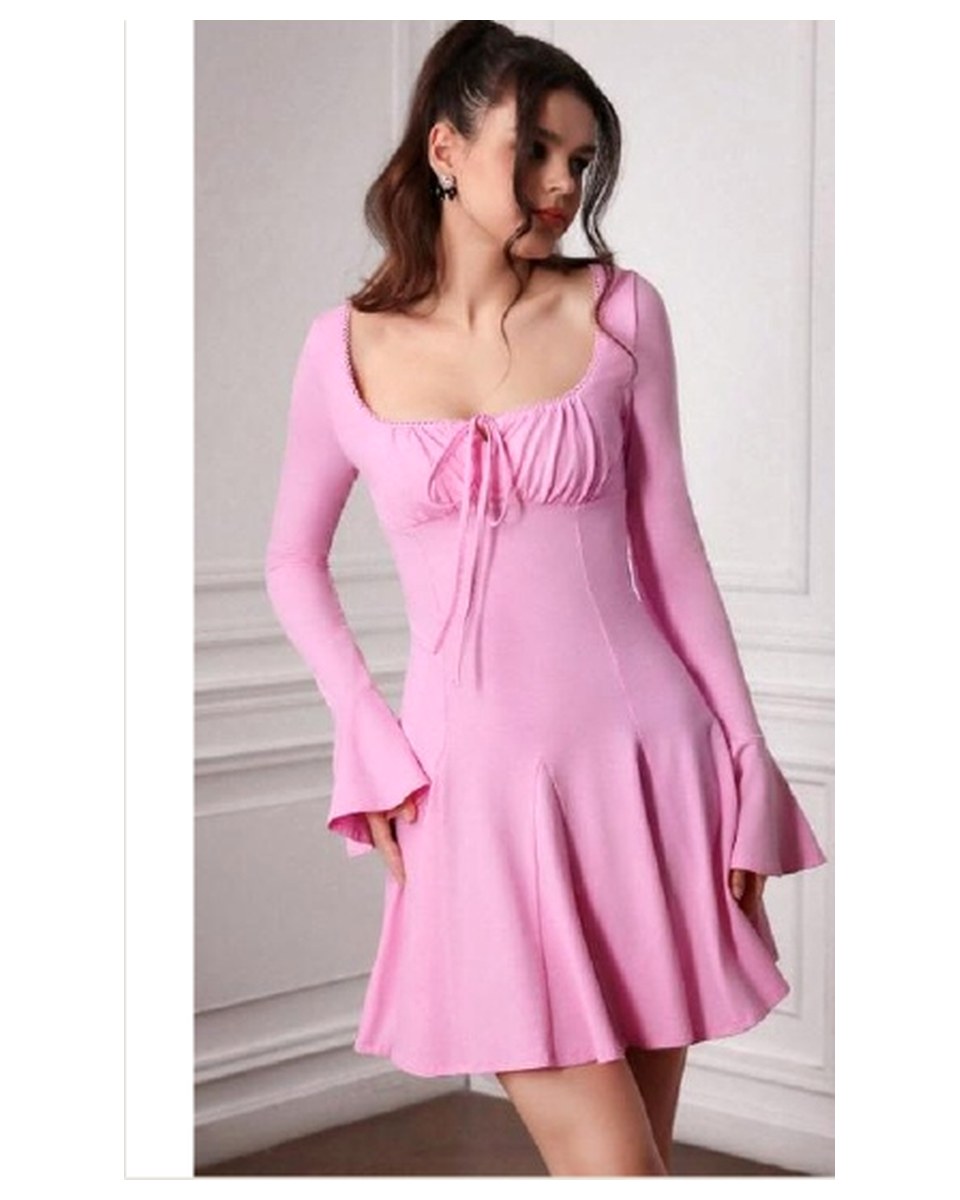
Use the dress collection to discuss garment categories and details, then specify the buyer's own fit objective. A product photograph is a style reference. It is not proof that the pictured dress has the same size range, body basis or fit architecture required by the new programme.
Pay attention to the relationship between silhouette and access. A garment with a narrow opening needs a workable way to put it on and remove it. A decorative fastening should not be assumed to provide useful access. Ask the sample review to consider the wearer journey alongside the standing appearance, including the practical use of closures and any intended layering.
Write down the essential design features before fitting begins. Otherwise, different reviewers may solve a fit problem by removing the feature that made the dress desirable. The brand should decide which changes preserve the concept and which would create a different product. That decision belongs in the sample comments, not in an undocumented alteration at the end of development.
Establish what the proposed fit block actually represents
A fit block is useful only when the team knows its basis and limits. Ask whether the proposal starts from a buyer-supplied block, an existing pattern with a known history or a new development exercise. Identify the body reference, base size and intended fit associated with that starting point. Do not accept the phrase existing plus-size block as sufficient evidence that it matches the current customer and silhouette.
Where the buyer supplies a pattern, clarify which file or physical version controls the work and whether it is intended as a starting reference or an approved production pattern. The supplier should identify any missing information that prevents a meaningful sample. File receipt is an administrative step; it does not demonstrate that the pattern has been checked or that the garment is ready for manufacture.
If an existing garment is the starting point, describe what the brand wants to retain and change. A reference dress may show an appealing neckline while having unsuitable sleeve ease or a different waist position. Mark those distinctions directly on the review sheet. Avoid sending a reference that the factory must interpret as either an exact copy or a loose inspiration without guidance.
For an unfamiliar size range, ask what sample work would establish a credible basis. The answer may include a first fit sample and further review across selected sizes. The precise route should be agreed with the responsible technical team. Neither a website article nor a single attractive sample can replace that product-specific assessment.
Separate the base-size fit decision from the size-range decision
The base-size sample helps resolve the chosen silhouette and construction on an identified fit reference. It does not automatically approve the whole size range. Treat base fit and range validation as connected but distinct tasks, with separate evidence and decisions. That separation helps the buyer understand why a dress can look acceptable in one sample while still needing work elsewhere in the range.
Review the base sample against both the specification and the wearer. A measurement discrepancy may explain a fit observation, but an in-spec measurement does not by itself prove the desired fit. Record the finished measurements, the fitting conditions and the visible or reported issue. Keep the evidence specific enough for the pattern team to investigate rather than prescribing a correction from an isolated photograph.
When the base fit changes, ask what that means for the proposed grade. A revised waist position, armhole shape or skirt distribution may affect more than a single measurement. The technical owner should confirm the current pattern basis before the next set of sizes is prepared. Continuing from an obsolete base creates avoidable uncertainty about which change reached which sample.
Give the approval a narrow and useful meaning. Base-size silhouette approved subject to revised sleeve review is clearer than sample approved. The record should state what is accepted, what remains open and whether the next sample can proceed. This prevents a commercial deadline from silently turning a partial fit decision into an unrestricted bulk release.
Build grade rules around named points and intended shape
A grade plan should identify the sizes, measurement points and intended progression. Ask the technical team to explain how the proposed range relates to the approved base and the buyer's body reference. Do not replace that discussion with a universal increment applied to every dimension. Length, circumference and positional relationships need to support the intended shape of the garment.
The buyer's review should focus on the result it needs, while leaving pattern corrections to a qualified technical assessment. State the required appearance and wearing function at each reviewed size. If the upper sleeve restricts a planned movement or the waist seam sits differently from the design intention, describe that observation and the conditions in which it occurs. The proposed correction should be reviewed as part of the whole garment.
Distinguish a graded specification from an actual size-set result. A spreadsheet can show the intended measurements across sizes, but it cannot show how every constructed sample behaves. Identify which sizes require physical review for this programme and why. The selection should be agreed from the product and range risks, rather than presented as a fixed industry rule.
Retain the grade revision alongside the pattern and measurement specification. If one changes, record whether the others were updated. The most useful file name is not the most elaborate one; it is the one that makes the current style, size and version unambiguous to everyone preparing or evaluating the sample.
Review bust, waist and hip relationships in the garment
A dress should be assessed as a connected shape. Look at how the bodice, waist treatment and skirt interact when the wearer stands naturally. Note the position of shaping details, seam lines and areas of unwanted pulling or excess. Describe where the observation occurs and whether it changes with posture or movement. A short label such as too tight gives the pattern team much less information.
Avoid treating one circumference as a complete explanation. A garment may have adequate overall width while distributing that width differently from the intended fit. A neckline issue may relate to more than the neckline edge. The technical review should examine the pattern, fabric and construction together before deciding on a correction. This guide does not prescribe a universal adjustment for a particular body shape.
If the design includes a separate belt, elasticated panel or adjustable detail, review it in the intended wearing position. Record how it is used during the fitting. An adjustment made by a stylist to improve a photograph should not become hidden evidence that the unadjusted garment fits. The buyer needs to understand the product the customer will actually receive.
For ranges that include tops as well as dresses, the blouse collection can help frame a separate upper-body discussion. Keep the dress and blouse specifications distinct. A successful fit decision in one category may inform a question in another, but it should not be copied across without reviewing the different silhouette and construction.
Include arm movement, sitting and practical use in fitting
Choose review activities that reflect the intended use of the dress. A garment for seated work, a relaxed occasion dress and a fitted evening style may need different observations. Agree the activities with the fit team and record them consistently. The aim is to learn whether the design supports its intended use, not to demonstrate an undefined all-purpose performance claim.
Ask the wearer for specific feedback about restriction, pressure, slipping or exposure. Combine that feedback with observations of the sleeve, armhole, neckline, closures and skirt. Note whether a problem appears at rest, during a particular movement or after the garment has been worn for the agreed review period. This makes the next sample question much clearer.
Check access to functional pockets and the practical use of fastenings where they are part of the design. A pocket can be visually well positioned but awkward to use in the garment's intended fit. A closure can look neat in a flat photograph while being difficult for the wearer to operate. Record these as product observations rather than assuming they are minor finishing details.
Protect the integrity of the review by keeping fitting conditions visible. State the sample size, wearer reference, relevant underlayers and any temporary adjustments. Obtain appropriate permission for photographs and share only the material needed for the technical task. A clean, anonymous fitting record can communicate the issue without exposing unnecessary personal information.
Select fabric and lining against the approved fit objective
The fit discussion needs an identified material. Record the sample fabric, lining and key components, including whether they are proposed bulk inputs or temporary substitutes. A substitute can help answer a limited construction question, but the buyer should not treat it as proof of the final garment's drape, coverage or wearing behaviour. State the limitation beside the sample decision.
Compare how candidate materials support the intended silhouette. Review the actual garment where the decision depends on seam appearance, ease, layering or movement. A small swatch cannot demonstrate all of those relationships. Ask which observations can be made from a material submission and which require a constructed sample, then plan the approval sequence accordingly.
Do not assume that adding stretch resolves an unsuitable pattern or that a heavier fabric automatically improves coverage. The relevant question is how the specific material works with the garment. Where a measurable property matters, agree an appropriate method and acceptance basis with the responsible parties. Record the evidence rather than converting a handfeel impression into a performance statement.
The casual-fashion category provides context for coordinating dresses with other pieces in a collection. Shared colour or fabric direction can be useful, but each garment still needs its own fit and construction review. Keep the material reference linked to the dress pattern revision so that a sourcing change triggers the right technical questions.
Define sample sizes and review responsibilities in advance
Prepare a sample plan before the team sends conflicting requests. Name the purpose of each sample, the size, material basis, required components and decision owner. Explain whether the sample is intended to assess silhouette, range progression, a revised detail or readiness for a later production discussion. The plan should make it possible to judge whether the sample delivered answered the question asked.
For a size-set review, identify the selected sizes and the reason for that selection. A brand may want to examine the ends of its proposed range or a point where the fit architecture changes. Those are planning considerations, not a prescribed universal sampling formula. The technical team should confirm which review route is appropriate for the product and available evidence.
Assign one person to consolidate comments from design, technical and commercial reviewers. That person does not need to make every decision, but should ensure the factory receives one current set of instructions. Contradictory comments should remain visible until the buyer resolves them. Quietly combining two incompatible requests can produce a sample that satisfies neither reviewer.
Set a response structure for the factory. It should identify the comment understood, the proposed action, any related impact and the evidence needed next. A revised sample should reference those actions so the buyer can evaluate whether the change addressed the original issue without introducing a new one elsewhere in the garment.
Turn fitting observations into controlled sample comments
A useful comment identifies the sample, location, observation and requested outcome. For example, an illustrative note might say that the waist seam rises above the intended position when the wearer sits, and ask the technical team to review the cause against the current pattern and material. That is more useful than directing an arbitrary increase without understanding the relationship between the garment parts.
Attach a photograph or sketch where it helps, with the relevant area clearly marked. Avoid relying on a photograph taken at an angle that obscures the issue. Include the measurement or fitting observation that supports the comment. A picture should clarify the decision, not require the factory to infer the entire fit brief from a posed image.
Keep accepted details visible alongside changes. If the neckline shape and skirt volume are accepted, state that they should be retained while another point is reviewed. This helps the team assess the consequences of a proposed pattern correction. It also reduces the risk that a new sample solves one problem by changing an already accepted design feature without discussion.
Close each comment with a status and next proof. Accepted, revised sample required and further information needed are different outcomes. Avoid marking every line complete simply because the factory has acknowledged receipt. Completion should mean the agreed evidence has been reviewed and the relevant decision made by the named owner.
Prepare the production handover around the approved range
Before discussing bulk release, assemble the current pattern and grade references, specification, material and component records, approved samples, comments and unresolved exceptions. Check that the size labels and quantity matrix use the same naming system as the approved range. A mismatch between a commercial size name and a technical size reference can undermine otherwise careful development work.
Identify the measurements and appearance points that are especially important to this dress. Agree how they will be checked and which reference controls the assessment. Do not invent tolerances from a general article. The buyer and factory need a shared interpretation of each measurement point, its method and the agreed acceptance basis for the actual product.
Review changes since the last sample. A different lining, closure, fabric lot or finishing instruction may reopen a fit or construction question. Record the assessment instead of assuming that a previous approval transfers unchanged. The fabric release guide explains how to keep a material decision connected to the garment being released.
Retain the final development record for a repeat enquiry. State what the first approved range covers and what would require renewed review. A repeat in a changed material or an expanded range is a new technical question even when the style name is familiar. The record should make that distinction easy to see.
Use a size-set disagreement to locate the next decision
Consider an illustrative dress programme in which the base sample is accepted, while a larger reviewed size has an unexpected sleeve restriction. First confirm that the larger sample was made from the current pattern and intended material. Measure it using the agreed points, then review the fitting observation with the technical owner. The team should distinguish a sample that differs from its specification from a specification that needs revision.
Those two findings lead to different actions. If the sample does not represent the agreed instruction, the next proof needs to establish the intended garment. If it does represent the instruction, the pattern or fit decision may need to change. Increasing a measurement before making that distinction can hide the original problem and leave the range record inconsistent.
After a proposed correction, identify the other sizes or garment areas that need review. Do not assume that an isolated improvement demonstrates the whole range. Keep the accepted silhouette, changed measurement, pattern revision and sample evidence together. The value of the exercise is a traceable technical decision, not a claim that every plus-size dress requires the same adjustment.
Send a focused plus-size dress enquiry to Yinshan Fashion
A useful enquiry includes the dress reference, intended customer, brand body and garment measurement information, proposed size range, material direction and sample objective. Add the quantity context and identify which inputs are confirmed and which need development. If the brand has fit feedback or an existing pattern, explain what it represents and what may be shared for review.
Ask Yinshan Fashion to confirm the feasible development scope, information needed, sample route and commercial basis for the specific programme. Use the contact page to send the current brief. The next decision should be concrete: which garment and size will be sampled, in which material, to answer which fit question, and who will review the result.
Plus Size Dress Development worksheet
Three actions before the next sample
Plan plus size dress development around the brand’s body reference, fit block, grade rules, material and size-set evidence before custom sampling.
Define the wearer
Separate the brand’s body chart from finished-garment measurements and explain intended ease.
Review the range
Approve base fit and selected size-set evidence as distinct decisions.
Connect revisions
Keep pattern, grade, fabric and sample comments on the same current version.
Buyer inputs and factory questions
Use the current garment and material references. Confirm the actual development scope and evidence required for this programme.
| Decision area | What the buyer should prepare | What to ask the factory |
|---|---|---|
| Fit basis | Provide body-reference source, size range and intended wearer. | What information is missing before choosing a development basis? |
| Silhouette | Mark fixed design features and areas open to revision. | Which sample will demonstrate the intended shape? |
| Size review | Identify base size and proposed range questions. | Which sizes and observations should the review include? |
| Material | Identify shell, lining and substitute status. | Which fit decisions need the intended material? |
| Release | Consolidate comments, accepted details and open exceptions. | Which changes require another pattern or size review? |
Continue the production conversation
Plus Size Dress Development: decision worksheet
| Review point | Buyer input | Evidence to review | Decision before progression |
|---|---|---|---|
| Wearer basis | Brand body reference and intended fit | Source, scope and current revision | Is the customer definition clear enough for development? |
| Base fit | Dress silhouette, base size and garment specification | Measured sample and fitting observations | Which details are accepted and which need revision? |
| Grade plan | Size range and intended progression | Current pattern and grade references | Which sizes need physical review? |
| Material | Shell, lining and component identities | Sample in the intended assembly | Does the reviewed material support the fit objective? |
| Range release | Size-set comments and current quantity matrix | Accepted sizes, exceptions and final references | Does the release describe the whole approved scope? |
Buyer FAQs
What should a plus size dress development brief include?
Provide the intended wearer, brand body and garment measurement basis, size range, silhouette, material direction and sample objective. Ask the technical team to confirm the feasible development route.
Can a standard dress simply be enlarged for a plus-size range?
Do not assume an enlarged pattern establishes the desired fit. Review the fit basis, shape, intended ease and grade progression, then agree the physical samples needed for the proposed range.
Does one approved base-size sample approve every size?
No. Base fit and range validation answer different questions. Agree which additional sizes need review and record the evidence and scope of each acceptance.
Should a buyer use a universal plus-size chart?
Use an identified chart that the brand has assessed for its customer. Body information and finished-garment measurements serve different purposes; a size label alone does not determine fit.
Does this guide confirm a specific Yinshan plus-size block?
No. It is a development framework. Share the current brief with Yinshan Fashion and confirm the available pattern, sampling and production scope for the enquiry.