Article
What should buyers know first?
Short answer: A B2B guide for buyers comparing a nightwear manufacturer, pajama manufacturer, or custom pajama supplier, connecting fabric feel, ease, fit, trims, labels, sample review and bulk-production records.
What should a nightwear manufacturer receive for a pajama sample?
A buyer searching for a nightwear manufacturer may actually need a pajama manufacturer or custom pajama supplier for a specific sleepwear product. The supplier needs more than a picture of a pajama set or a request for “soft sleepwear.” It needs to know who will wear the product, whether it is intended for sleep, lounging, travel, gifting, resort use, or a mixed homewear range, and what feeling the garment must create on the body. Fabric handfeel, temperature perception, ease, seam placement, neckline, waistband, pocket, button, label and packing decisions all change the customer experience. A sample is the right place to test those choices before they become bulk instructions.
Yinshan Fashion supports custom and private-label bulk programmes rather than unrestricted ready-stock wholesale. For a buyer, that means a pajama and sleepwear brief can begin with a reference image, a fabric preference, a size idea or an existing garment, then become a practical route for materials, pattern and fit advice, sample coordination, labels, packing and production handover. The final construction, material availability, cost direction, timing and order plan remain programme-dependent. The aim is to make the first sample answer the right questions instead of asking a factory to guess what “comfortable” means.
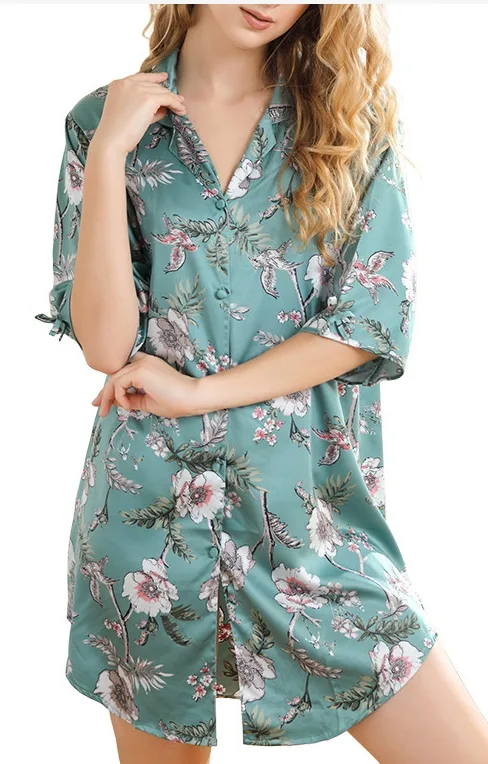
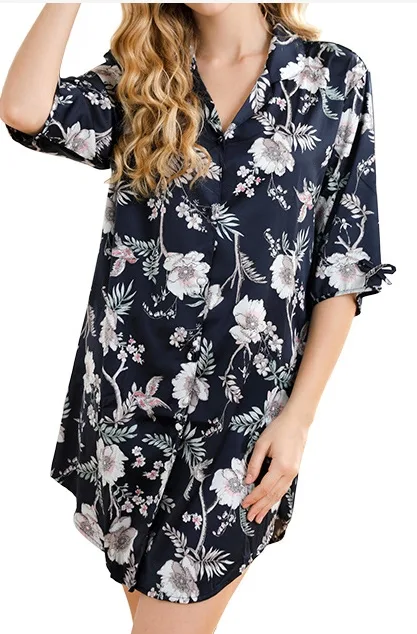
The supplied Design A1 and Design A references are pajama or sleepwear robe styles: soft, relaxed garments designed for sleeping or home use. “Nightwear” is a broader search and merchandising category that can include pajamas, nightdresses and robes, but this article uses pajama and sleepwear language when discussing these specific images and product decisions.
How should buyers define pajamas and sleepwear as the product use case?
Nightwear can mean a short-sleeve shirt-and-short set, a long-sleeve trouser set, a nightdress, a camisole set, a jersey lounge set, a robe, a relaxed shirt dress, or a product that sits between sleepwear and everyday homewear. These are not interchangeable. A customer who wears a lightweight short set in a warm bedroom may value low seam bulk and an airy fabric. A brushed long-sleeve set for a cooler context may need different coverage, cuff, waistband and surface decisions. A giftable satin-look set may focus on drape, sheen, piping and presentation, while a cotton jersey programme may focus on wash comfort, stretch and neckline recovery.
Start the brief by stating the wearing context and product promise. Describe the intended wearer, target fit, size range direction, season or climate context if it matters, level of coverage, expected movement, layering relationship, and whether the product is designed chiefly for sleeping, relaxing at home or visible lounge use. A reference image may show styling, photography and accessories that are not part of the product direction. Mark whether it is a silhouette reference, print reference, trim reference, fabric-surface reference or a private-label presentation reference.
This creates a useful distinction for a supplier. “Relaxed but not oversized” can lead to a fit review at the shoulder, chest, hip and inseam. “Soft against skin” becomes a fabric and seam discussion. “Premium gift set” becomes a question about fabric surface, piping, label, fold, individual protection and carton preparation. The loungewear collection is a useful starting point for buyers comparing related homewear categories, but the sample must still prove the intended nightwear result.
How should buyers choose pajama fabric by behaviour on the body?
Fibre content is important, but it is not the whole material brief. Cotton, viscose, modal, lyocell, polyester, blends and other routes can appear in many fabric constructions. A buyer should describe the behaviour required: light or substantial, dry or fluid, smooth or textured, opaque or airy, stretch or non-stretch, warm or cool-feeling, crisp or draped. Knit and woven fabrics can both work in nightwear, but they create different fit and construction decisions.
A jersey knit can be suitable when the design needs ease, natural give and a softer casual look. Its neckline, shoulder, hem and waistband need to be checked for recovery and shape after the intended care route. Rib changes the surface and stretch; it may support a close-fitting tank or cuff but needs its own return and coverage review. A woven can create a cleaner shirt-set, button-front, collar, pocket or piped edge. It may offer a more structured silhouette, but the buyer should review drape, seam appearance, collar support, opacity, wrinkling impression and comfort at the placket or waistband.
Do not approve a material only by rubbing a small header between fingers. Ask to see it made into the proposed silhouette. A fabric that feels attractive as a swatch can become too heavy through a gathered waist, too transparent in a light colour, too firm around a placket, or too warm in a close-fitting trouser. A buyer can use the fabrics and trims page to organise an initial material conversation, then compare actual headers beside the first sample. Yinshan Fashion can recommend options based on the specified garment outcome, but a recommendation is not a substitute for sample approval.
How should buyers plan pajama fit and ease for sleep movement?
Nightwear fit is not simply a looser version of daywear. The body changes position while resting: arms reach, knees bend, the waistband sits, and seams meet skin in a different way from a streetwear product. The brief should name where the garment must move: shoulder and armhole, upper chest, seat, thigh, crotch, knee, sleeve, waist, neck opening and hem. It should also state whether the buyer expects a relaxed straight shape, a closer elasticated shape, a flowing draped shape or an adjustable wrap or drawcord route.
For a shirt-and-trouser set, review shoulder slope, armhole depth, chest ease, body length, sleeve opening, collar or neckline comfort, rise, hip ease, thigh ease, inseam, leg opening and waistband behaviour. For shorts, examine sitting comfort, pocket placement if included, rise, side seam and leg opening. For a nightdress, check strap placement, armhole, bust ease, length, hem movement and opacity in the intended colour. These details need no invented measurements in a first article; the buyer and factory should agree the actual measurement chart and sample size for the programme.
Make comments concrete. Rather than “make it more comfortable,” say that the armhole needs more movement, the waistband should feel less restrictive during sitting, the trouser thigh needs easier movement, the placket feels too firm against skin, or the hem twists after the agreed care route. The custom womenswear manufacturing route can support a buyer who needs pattern and fit discussion across nightwear, dresses, blouses or related categories, but each style still needs a separate sample decision.
What should buyers check about treat sleepwear seams, elastic and trims as comfort components?
Seam choice is often invisible in an artwork file but highly visible to the wearer. A shoulder seam, side seam, crotch seam, waistband attachment, neck binding, sleeve hem, pocket edge, button stand, internal label or elastic can all change comfort. Ask the factory to identify the high-contact areas in the selected pattern and show what will be assessed on the sample. This is especially important for lightweight fabrics, close-fit styles, brushed surfaces, sleep shirts and products with inner labels.
Elastic needs an intended function. Is it only holding the garment in place, creating a gathered look, adjusting a waist, shaping a cuff, or controlling a neckline? A waistband can appear correct on a hanger while feeling too firm after sitting or sleeping. A drawcord may need an end-finish and safety review relevant to the product and market. A buyer should specify whether a trim is decorative, functional, fixed or open for factory advice, and test it in the actual garment rather than treating a trim card as final approval.
Buttons, piping, lace, binding, bows, pockets, contrast panels, embroidery and print can add perceived value, but each creates a construction and comfort trade-off. A piping route can sharpen a pajama shirt but add seam bulk. A pocket can be useful for lounge wear yet affect drape on a light fabric. A dense print can change the feel of a jersey. A lace edge may need a placement decision so it does not rub at a sensitive point. State what the design must preserve, then invite an informed alternative where the original component does not support the intended comfort or production route.
What should buyers check about separate a fabric preference from a material claim?
Brands may request cotton, organic cotton, recycled fibre, a cellulosic blend, a satin-like surface or a named performance attribute. Treat each requirement as a separate material conversation. A material preference helps the sourcing team compare available options. A customer-facing composition, certification, environmental or performance claim requires the exact material record, the relevant order documentation and the buyer’s own market or retailer approval.
Avoid describing any nightwear fabric as universally breathable, hypoallergenic, chemical-free, sustainable, certified, temperature-regulating or suitable for every sleeper without programme-specific evidence. Instead, describe what the buyer wants to review: skin feel, warmth, drape, coverage, stretch, surface change, recovery, colour, print hand, care and the records required for a potential label claim. The organic cotton guide explains how a fibre preference connects to fabric construction and product records; it does not make a generic claim for a finished sleepwear order.
This protects both creative direction and commercial communication. The factory can keep the approved fabric header, sample, fibre information, trims, labels and packing files aligned. The brand should own final consumer-facing wording, target-market review and any certification or retailer requirement. Clear ownership prevents an early sourcing conversation from becoming an unsupported hangtag or product-page statement.
How should buyers set a pajama sample objective before the sample is made?
The first nightwear sample should not be asked to prove everything at once. State what it is meant to answer. A fit sample might focus on the pattern, ease, proportion and movement. A fabric sample may compare two constructions in one silhouette. A colour and print sample may test surface and placement. A pre-production sample may confirm the released fabric, construction, labels, packing and approved bulk details. When a buyer labels the sample stage clearly, comments become more useful and the factory can avoid treating an exploratory version as final release.
Prepare a short sample review sheet. Include the style code, pattern version, sample size, fabric header, colour or print reference, trim list, construction notes, measurement chart, intended care route, label and packing status, open questions and decision owner. Photograph the approved sample where useful, but keep the physical sample, material header and written comments as the controlled reference. A photo cannot prove handfeel, composition or how an elastic feels after wear.
Review the sample in the situations that matter. Try reaching, sitting, walking, lying down or turning, depending on the product. Inspect inside seams and label points, not only the outer silhouette. Examine pale colours for coverage. Look at the surface after the relevant care route. Check that a shirt collar, pocket, button stand, waistband, hem, cuff or print behaves as intended. If a point remains open, record exactly what blocks bulk release and who must approve the change.
What should buyers check about put private-label sleepwear components into the same approval file?
Private-label nightwear often involves neck labels, size labels, care labels, hangtags, barcode placement, polybags or other individual protection, fold method and carton marks. These components should not arrive after the garment is approved. They affect comfort, retail presentation, warehouse handling and the product information seen by the customer. A neck label may need a comfort and placement review. A care label needs the correct approved composition and care copy. A hangtag must not state a material claim that the final order does not support.
Keep versioned artwork with the approved style record. The buyer supplies brand copy, target-market requirements and final approval; the manufacturer can coordinate the execution and flag conflicts between a fabric change, the label artwork and packing instruction. The private-label service provides a useful route for discussing labels, trims, packing and brand components alongside garment development. For a nightwear range, the best outcome is one release file that connects the fabric, pattern, sample, labels, packing and quantity plan rather than separate email threads.
This matters for repeat orders. If a new colour, revised print, alternate size ratio, different market or updated barcode is added later, the team can identify what stays fixed and what needs another approval. A good factory record does not promise a repeat will be identical without review; it gives the buyer a clear baseline for checking the next order.
How should buyers use a buyer-and-factory decision gate before bulk?
Before bulk material is booked, review three layers together. First is the product result: fit, movement, comfort, coverage, fabric feel, seams, trim placement, print or embroidery, colour and care behaviour. Second is the information layer: fabric reference, fibre composition, any available documentation, label copy, size information, barcode and target-market instructions. Third is the operational layer: approved sample version, quantities by style and colour, size ratios, packing, carton mark, quality priorities and change control.
This gate is valuable for small private-label programmes because the same team is often finalising design, range planning and retail details simultaneously. It also helps a larger brand avoid an expensive handover gap between development and factory production. Yinshan Fashion can coordinate fabric suggestions, sample development, factory communication and the controlled handover across appropriate production partners. The buyer remains responsible for the commercial decisions and final approvals that define the product.
Use a simple release question: if bulk fabric arrived tomorrow, could the factory identify exactly which fabric, pattern, trim, label, packing and approved sample to follow? If the answer is no, record the open item instead of relying on a verbal approval. The manufacturing overview can help a new buyer see how product development transitions into production, inspection and packing, but it should be used with a style-specific release file.
How should buyers build a compact range without losing product clarity?
A small sleepwear collection does not need to be a single repeated style. It can share a fabric family, compatible colours, common label format, packaging direction or size approach while giving each style a clear role. For example, a shirt-and-short set, trouser set and robe may share a print direction but require different fit, pocket, belt or length decisions. A jersey tank and jogger can share a base fabric but need separate recovery checks. A woven nightshirt may use the same palette but not the same construction as a draped camisole.
The buyer should identify where shared components reduce complexity and where product differences are essential to the range. This makes a supplier quote clearer because the team can separate shared fabric or trim assumptions from style-specific development. It also helps plan samples logically: first prove the base material and fit family, then confirm the variants that change comfort, construction or visual value. Quantities, pricing, timing and material availability remain subject to the final programme rather than assumed from a generic category.
How should buyers compare factory quotations on the same nightwear brief?
Nightwear quotations are only comparable when they describe the same product. A unit price without a shared fabric header, pattern assumption, colour count, print or trim route, label package, packing method and quantity plan may look precise while hiding different inputs. Before comparing proposals, ask each supplier to identify the material reference or construction assumed, the sample scope, the treatment of elastic or piping, the included labels and packing, the size and colour assumptions, and the decisions that may change the commercial direction. This does not require a buyer to reveal a final budget before development; it gives the buyer a way to understand what is actually being compared.
For a smaller private-label programme, a useful choice may be to reduce unnecessary variation before asking for the first price discussion. A shared fabric family, limited initial colour direction, repeatable label format or consistent packing method can make the sample and production route easier to manage. That does not mean removing the collection's point of view. It means deciding which details create meaningful customer value and which can be standardised without affecting the sleepwear experience. The casual fashion collection can also be relevant when a buyer is deciding whether a relaxed top, short or shirt dress belongs in a sleepwear-led programme or a broader homewear range.
Ask the manufacturer to respond with questions rather than immediate agreement. Which material best fits the intended handfeel? Is the first sample meant to prove the pattern or the fabric? Which trim is likely to affect comfort? What must be approved before fabric booking? Which components can be shared across styles? What information is still required for labels or packing? Those questions indicate that a supplier is connecting design, product use and factory execution instead of treating a reference image as a complete production instruction.
How should buyers keep the final approval practical?
The buyer does not need a perfect technical document before beginning a nightwear conversation. A clear reference, product purpose, intended feel, target fit, quantities and open questions are enough to start a disciplined development route. The key is to make each later decision visible. When the fabric changes, record it. When the waist fit changes, update the measurement or comment record. When a label is approved, save the version beside the sample. When the order becomes ready for bulk, ensure that all teams are following the same released information.
This approach is useful for both a first collection and a repeat programme. It gives a small brand a structured path into custom manufacturing while giving the factory a clear basis for pattern, materials, sampling and production coordination. It also protects the customer experience: a nightwear garment should feel considered in use, not merely look correct in a product image.
What to send in a nightwear manufacturer brief?
Send reference images or a tech pack, intended product use, target wearer, style category, fit direction, fabric behaviour, preferred fibre route if any, colour and print role, key construction details, sample size, desired care route, labels and packing direction, quantity by style and colour, target market, timing context and decision owner. Mark which details are fixed, which are preferred and which require a factory recommendation.
Yinshan Fashion can use that brief to discuss a realistic custom or private-label sleepwear route: materials, fit and pattern decisions, sample purpose, trims, labels, packing, production coordination and repeat-order records. The right first question is not simply “Can you make pajamas?” It is “What must this nightwear style feel, fit and communicate like before we approve bulk production?”
Pajama and sleepwear sample planning
Turn a pajama idea into a controlled first sample
A useful nightwear brief joins comfort, fabric behaviour and fit with trims, labels, packing and an approval file the factory can actually follow. It is more useful than asking for a generic soft pajama set.
Name the wearing context
Define whether the style is for sleep, lounge, gifting or a mixed homewear range, then state the intended coverage, movement and fit direction.
Sample the real comfort points
Review the actual fabric, seams, neckline, waistband, rise, leg opening, labels and trims during the movements the wearer will make.
Release one connected file
Keep the approved fabric, pattern, measurements, labels, packing and bulk notes together so that the production handover is not rebuilt from email threads.
Nightwear buyer and factory checklist
Use this checklist before a custom or private-label sleepwear sample is released. It complements, rather than replaces, the buyer’s own market, label and compliance review.
| Decision area | What the buyer should prepare | What to ask the factory |
|---|---|---|
| Product use and silhouette | Share the wearer, sleep or lounge use, coverage, intended fit, size direction, reference images and high-priority movement points. | Which pattern and ease decisions must be checked at shoulder, chest, waist, hip, rise, thigh and neck opening? |
| Fabric behaviour | Describe desired handfeel, weight, drape, stretch, coverage, colour, print, surface and care route rather than only a fibre name. | Which available fabric headers should be compared in the actual silhouette before the buyer approves one? |
| Comfort construction | Identify buttons, elastic, piping, pockets, labels, lace, binding or decoration and state what is fixed versus open for advice. | Which seams, attachments or trims could affect skin contact, movement, drape or care performance? |
| Private-label release | Provide approved brand artwork, care and size copy, hangtags, barcodes, individual packing, carton marks and target-market instructions. | Do the selected fabric, sample, labels and packing files match before bulk material is booked? |
| Repeat-order record | Confirm quantities by style and colour, range plan, expected restock needs and future changes to fabric, print, labels or market. | Which approved sample, fabric and artwork versions form the baseline for a controlled repeat? |
Continue the production conversation
Nightwear brief: buyer decisions before sampling
| Decision area | What the buyer should define | What the factory should confirm on the sample |
|---|---|---|
| Use and fit | Sleep, lounge or mixed use; intended wearer; silhouette; coverage; movement; sample size and priority fit points. | Ease, movement, rise, leg or sleeve opening, neckline, length and high-contact comfort points in the actual style. |
| Fabric behaviour | Handfeel, weight direction, drape, stretch, coverage, surface, colour, print and intended care route. | The selected header behaves correctly after sewing, wearing and the agreed care review. |
| Trims and construction | Buttons, elastic, piping, pockets, labels, decoration and which details are fixed or open for advice. | Seam bulk, trim placement, attachment, comfort and visual result support the intended product. |
| Private label and bulk | Approved artwork, target market, size and care copy, packing, quantities, colour plan and decision owner. | The released sample, fabric, label and packing files agree before material booking and bulk cutting. |
Buyer FAQs
What should a brand include in a nightwear manufacturer brief?
Include the product use, target wearer, style category, fit direction, fabric behaviour, colour or print, construction details, sample objective, care route, labels, packing, quantity by style and colour, target market and decision owner. Mark what is fixed and what needs factory advice.
How should nightwear fit differently from regular fashion clothing?
Nightwear should be reviewed for the positions and movements involved in rest and home use. Check shoulder, armhole, chest, waist, rise, hip, thigh, inseam, leg opening, neckline, hems and high-contact seams in the actual sample rather than applying a generic loose fit.
Which fabric is best for private-label sleepwear?
There is no universal best fabric. Choose the fabric construction and fibre route according to the intended handfeel, warmth, drape, coverage, stretch, care, print or trim route and the sample result. Review the actual header in the finished style before bulk approval.
Can a factory help with nightwear labels and packing?
A manufacturer can coordinate approved neck, size and care labels, hangtags, barcode placement, individual protection, folding and carton instructions with the released sample. The buyer should provide final brand copy, target-market requirements and approval for consumer-facing claims.
When is a nightwear sample ready for bulk production?
It is ready when the buyer has approved the garment result, selected material, construction, measurements, trims, labels, packing, quantities and any open documentation or market requirements. Record the approved sample and file versions so the factory has one controlled production reference.