Article
What should buyers know first?
Short answer: Brief a leggings manufacturer on stretch, recovery, opacity, waistband behaviour, measurements, colour variants, fit review, and evidence before bulk approval.
An attractive prototype can establish a promising direction without proving the complete colour and size range. The buyer should review the actual materials, garment construction, intended wearing conditions, and planned claims. This guide focuses on that approval boundary: what to check, what to record, and how to carry the result into production so that the approved legging remains identifiable after development ends.
How should buyers give the leggings manufacturer a precise product role?
Describe the intended use, silhouette, rise, length, coverage priorities, and relationship to the rest of the collection. A fashion legging, a studio-oriented style, and a garment developed for another specific activity may require different discussions. The factory should not be expected to infer every requirement from the product category or a reference photograph.
Identify the customer size strategy and the evidence behind it. The buyer may have an established fit block or may still be developing one. State which measurements and references are approved and which are exploratory. The technical team can then propose the development work needed to turn the concept into a garment chart and pattern suitable for the intended range.
Use the leggings programme as a category starting point, then supply the requirements for the actual project. List the desired product claims separately from the current evidence. A statement the brand hopes to use, such as a particular coverage or performance description, should become an assessment question before it becomes an approved label or sales claim.
How should buyers identify the exact fabric proposed for bulk?
Record the material reference, composition, construction information, weight where relevant, colour, finish, and sourcing status for the proposed legging. The buyer should be able to distinguish the sampling fabric from the intended bulk fabric. If they differ, identify the difference and decide which development observations or assessments need to be repeated before approval.
Compare candidate materials on the same basis. A brief handling impression, a supplier description, and a laboratory result are different forms of evidence. Keep them separate in the comparison sheet and record the scope of each. A similar composition does not eliminate the need to review the actual candidate against the garment's approved appearance, fit, and other requirements.
Ask how material identity will remain traceable during production. The factory should explain how approved references are communicated and how proposed substitutions are handled. The buyer needs a clear change process because a material decision can affect several parts of the approval record. A revised fabric should not arrive in the bulk instruction under the same informal name without an explanation of what changed.
How should buyers define stretch assessment by direction and method?
A quantified stretch requirement needs a defined method, direction, conditions, and reporting basis. Ask the technical or testing provider to select a method suitable for the material and intended application. The buyer should understand what the result measures and which decisions it can support. A hand stretch of a swatch can help a discussion, but it is not a complete instruction for a repeatable technical assessment.
Identify the relevant material directions and their relationship to the garment construction. The factory should explain how the proposed cutting and pattern arrangement use the fabric, and which checks are appropriate for the design. Do not assume that an unqualified stretch percentage describes every direction or every condition. Record the basis of the result beside the number so it remains interpretable during later reviews.
Compare results only when the methods and conditions make the comparison meaningful. If two suppliers provide different test reports, ask the qualified reviewer to identify whether the results can be compared directly. A larger headline number is not automatically a better material choice. The buyer's decision should connect the evidence with the actual garment requirements and the proposed construction.
How should buyers review recovery and retained shape separately?
The ability to extend and the behaviour after extension are different aspects to discuss with the technical team. Define the recovery-related requirement and the assessment conditions instead of assuming that a fabric which stretches easily will necessarily retain the intended shape. The buyer should know what has been measured, when it was observed, and which material version the result describes.
Include garment observations where they serve a defined development purpose. The brand may want to review particular areas after an agreed wearing or handling sequence, using identified samples and consistent records. Keep those observations accurately described and separate from formal test results. They can help locate a concern without claiming to establish every aspect of long-term performance.
If an issue appears, ask the factory to investigate the relationship between material, pattern, construction, and the assessment conditions. Record the proposed cause as a hypothesis until it is supported. The correction should identify what changes and which related requirements need another review. This prevents a recovery concern from being addressed through an undocumented adjustment that alters the approved fit elsewhere.
How should buyers define opacity as a reviewable garment requirement?
Explain what the buyer means by opacity in the product brief. Identify the garment areas, intended fit, movements or positions, colour variants, and viewing conditions that will be assessed. A broad phrase such as squat-proof needs an agreed evidence basis before it is used as a product claim. The factory should not have to invent the buyer's acceptance standard from the phrase alone.
Review the complete garment under the chosen conditions and retain the relevant context with the observations. A flat swatch, a folded sample, and a worn garment can answer different questions. The buyer should not treat them as interchangeable evidence. Record the sample version, size, material, colour, fit reference, and the specific observation so that a later reviewer can understand the conclusion.
If laboratory assessment is part of the requirement, have the provider explain the method's scope and its relationship to the intended claim. A method with light blocking in its title is not automatically designed for the buyer's particular garment assessment. The evidence plan should connect a suitable technical method with the practical wearing review where both are needed for the product decision.
Agree how an uncertain or borderline observation will be resolved before the review starts. Name the person responsible for the decision and the additional comparison or assessment that may be requested. If reviewers disagree, preserve both observations and their conditions instead of changing the acceptance wording to fit the preferred outcome. A repeat review should identify what is being repeated and why. For example, uncertainty about sample fit calls for checking the fit reference; uncertainty about lighting calls for reviewing the viewing setup. Neither question is resolved by choosing the most flattering photograph. The record should show how the original uncertainty was addressed and what conclusion the available evidence supports.
How should buyers check test-method scope before using an opacity result?
The AATCC TM203 summary describes a spectrophotometric method intended for the light-blocking properties of window-covering textiles. That scope is a useful reminder to read beyond a method title. A leggings buyer should ask the qualified laboratory which assessment is appropriate and how the reported result relates to the intended garment requirement.
Keep the laboratory's explanation with the report. Identify any conditions, modifications, or limitations that affect interpretation and make sure the buyer's acceptance requirement is clearly stated. Do not rename a result as proof of a broader consumer claim merely because it concerns a related optical property. The actual evidence should determine the scope of the wording used in the approval and product content.
Use the same discipline for other performance terms. A material result may be valuable for selecting candidates while still leaving a garment-level question unresolved. The buyer should record that distinction and arrange the next assessment rather than assuming that one report closes every issue. This makes the approval record more accurate and helps the factory understand which part of the product still needs development.
How should buyers review each colour decision against the approved evidence?
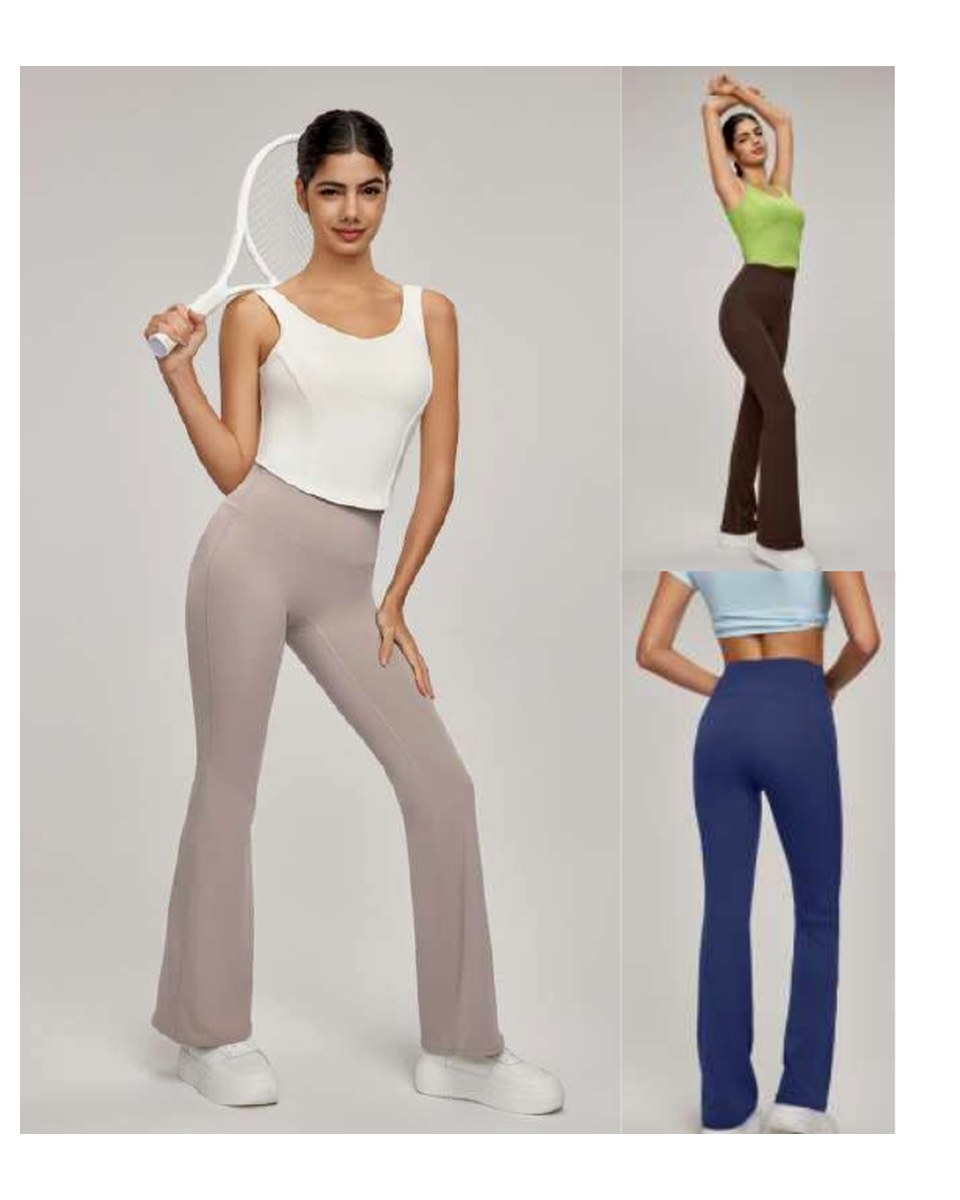
Decide which colourways need their own samples or assessments with the responsible technical team. A result from one identified version should not automatically be extended to every proposed colour. The buyer should know which evidence applies to which variants and what remains to be reviewed. Keep the colour matrix connected to the material references and sample identities.
Compare visual colour approval and garment coverage separately. A shade may match the chosen reference while another product requirement still needs assessment. Conversely, a sample may satisfy a coverage review while its colour remains unapproved. Distinct status fields help the team avoid treating a general colourway approval as confirmation of every characteristic of that garment.
When adding a colour late in development, ask the factory to identify the sourcing, sampling, and evidence implications. The buyer can then decide whether to include it in the first order or complete further work before release. This makes the range decision deliberate and prevents an apparently simple merchandising addition from bypassing the checks used for the original approved variants.
How should buyers review waistband behaviour with the intended fit?
Specify the waistband shape, height, internal arrangement, seams, adjustability, and any related design details. Provide the intended position and measurement method in the technical pack. The factory should understand the approved design before the sample review begins, so observations can be compared with a clear requirement rather than a changing visual preference.
During the agreed wear review, record the waistband's position and behaviour under the chosen conditions. If it shifts, rolls, gaps, or produces another unwanted result, identify where and when that occurs. The technical team should investigate the observation before deciding which material or construction change is appropriate. A request to make it tighter may not describe the actual problem or preserve the intended fit.
Assess the waistband as part of the complete garment. Its relationship with rise, body panels, seams, and size can matter to the development decision. Record each authorized revision and identify the related checks needed on the next sample. The buyer should approve a coherent final construction, with the pattern and measurement chart updated to match the garment reviewed.
How should buyers check rise, gusset, seams, and pocket details together?
The technical pack should define the rise, panel shapes, gusset arrangement where used, seam presentation, and pocket construction. Review those features as parts of one garment. A local change intended to address a fit observation may affect another area, so the factory should identify the relevant dependencies before issuing the revised sample instruction.
During the agreed wearing review, record specific observations at the relevant locations. Describe what happens to the garment under the chosen conditions and distinguish that observation from a suspected cause. If a seam appears uncomfortable or a pocket behaves differently from the brief, the technical team needs the sample identity, context, and visible or reported result before deciding the appropriate correction.
Assess pockets with the intended use defined by the brand. If an item is expected to be carried, specify the relevant development scenario and review the actual construction. Do not assume that the presence of a pocket proves suitability for every object or activity. The approval should describe the product requirement and evidence obtained, with any unresolved point assigned for further work.
How should buyers keep the measurement method consistent across reviews?
Identify each point of measure, unit, garment condition, target value, and tolerance. The chart should distinguish relaxed dimensions from any dimensions assessed under a defined extension method. A result is useful only when the person reading it understands how it was obtained. If the method changes, record the change and assess whether earlier and later readings remain comparable.
ASTM's D4964 summary states that comparison of loop tension-recovery data depends on comparable equipment, extension rate, loading or extension, and specimen specifications. It illustrates why test conditions belong beside results. The laboratory should select the appropriate method for the project; the buyer should not compare isolated figures from unlike setups as though they describe the same assessment.
Apply the same clarity to practical garment measurements. If a dimension is disputed, first confirm the sample, chart revision, reference points, and condition. Preserve the original observation and explain any corrected entry. The buyer and factory can then determine whether the issue concerns the garment, the measuring method, or an instruction that needs clarification before production.
How should buyers review the size range before extending approval?
The approved base size is one part of the range evidence. Ask the technical team to explain the grading approach and identify which sizes or configurations require further physical review. The buyer should know how the intended fit and coverage are assessed across the planned range. A larger size label alone does not establish that the underlying pattern and construction have been reviewed appropriately.
Keep size-specific findings connected with the complete chart. If a concern appears in one reviewed size, investigate how it relates to the pattern, material, construction, and intended fit. Record which other sizes need reconsideration and why. Avoid making a blanket adjustment without documenting its purpose and checking the implications for the rest of the range.
Confirm the commercial range only after understanding the remaining development work. The buyer may choose to proceed with a defined scope while other sizes require further review, subject to the project's approvals. That decision should be explicit. The production instruction should never imply that every planned size is fully approved when the evidence and authorization cover only part of the range.
How should buyers review coordinated pieces without merging their approvals?
If the leggings belong to a set, assess their visual and wearing relationship with the other garments. A yoga top programme may introduce a particular length or neckline relationship, while a sports bra programme may define another coordinated option. The buyer should specify which combinations matter to the collection and review those combinations deliberately.
Check colour relationships, coverage lines, overlap, and proportion under the intended presentation. Keep the observations distinct from each garment's own technical requirements. A coordinated look can be approved while a particular legging measurement or material question remains pending. The record should make that distinction clear so a merchandising approval does not accidentally authorize unresolved production details.
Maintain separate style identities and approval states. If the legging changes, identify which coordinated observations need another look without automatically reopening unrelated requirements on the top or bra. This keeps the development process focused and traceable. It also helps the factory manage quantities and packing when pieces are sold separately or allocated into different set combinations.
How should buyers assess the relevant changes after the agreed care treatment?
The buyer should define care-related requirements for the complete legging, including fabric, seams, waistband, decoration, and other components. Identify the appropriate assessment and the evidence needed before approving instructions or claims. Keep the method and sample version clear so the result can be connected with the garment intended for production.
Record the specified observations before and after the agreed treatment. They may include dimensions, appearance, component condition, or other characteristics relevant to the brief. An informal development trial can identify a question, but it should not be described as a formal test unless the required procedure was followed. The technical team should explain what the observation establishes and what further work is needed.
Feed consequential findings into the controlled revision process. If a material or construction change is proposed, review its effect on fit, coverage, and other approved requirements. The buyer should accept the complete revised product on an appropriate evidence basis, not only the individual correction in isolation. Preserve the link between the final sample, the care-related record, and the production specification.
How should buyers translate sample comments into a final approval pack?
Collect the final technical pack, measurement chart, material and colour approvals, artwork, labels, packing instructions, and assessment records in one indexed pack. Identify the approved sample and list any remaining conditions. The factory should be able to determine the current requirement for each feature without searching through competing versions or relying on a verbal explanation.
Use the published guide to womenswear technical pack review before the first sample as a reference for checking document alignment. At the bulk-approval stage, the same discipline applies to the resolved outcome: drawings, measurements, materials, and comments should describe the garment the buyer actually approved.
Close sample comments with identifiable evidence. If an issue was accepted under a limited concession, keep that decision separate from a permanent specification revision. The factory and future reorder team need to know whether the approved ongoing requirement changed or whether the buyer made an order-specific exception. This prevents the retained sample from becoming an ambiguous reference for later production.
How should buyers define the first-production comparison and change process?
Ask the factory how the initial production output will be compared with the approved product and which checks will continue during the order. Identify the relevant stages and records for the actual legging rather than assuming that a generic inspection statement covers every requirement. The buyer should understand how material identity, dimensions, construction, and appearance remain connected to the approved references.
Agree how proposed changes are reported. A different fabric, elastic, seam arrangement, decoration process, or other component may affect the evidence supporting the product. The factory should describe the change and the technical team should identify the required review. The buyer then authorizes the revised instruction or retains the existing requirement, with the decision recorded before affected work proceeds.
Keep bulk findings traceable to the goods examined. If an issue requires containment or correction, identify the affected population, action, and verification. A corrected demonstration should not be treated automatically as proof that all affected work is complete. The release authority needs evidence for the actual scope of the decision and a clear account of any outstanding conditions.
How should buyers make the release decision about the product actually presented?
Review the final product evidence, inspection findings, quantities, labels, packing records, and remaining approvals together. Confirm that they refer to the same identified goods and current specification. If materials or garments were replaced after an earlier review, determine what additional evidence is needed. The buyer should not combine reports for different versions and assume that the resulting file describes the shipment.
State the authorized disposition and scope clearly. Goods may be released, held for further work, or addressed through another approved decision appropriate to the project. Keep the original findings and the release record connected. A commercial decision about a deviation should not rewrite the observation or quietly change the specification used for future orders.
Use the completed record to improve the next enquiry or reorder. Identify which questions took the most development work and which references helped resolve them. A clearer material identity, opacity assessment plan, or waistband instruction can make the next programme easier to manage. The practical result is a legging approved through specific evidence, with a production handover that preserves the decisions the buyer made.
How can buyers discuss next steps with Yinshan Fashion?
Send your legging references, intended use, fabric priorities, size chart, colour plan, and preliminary quantities through Yinshan Fashion's contact page. The team can review the custom or private-label programme and identify the sampling, evidence, and production decisions needed before bulk approval.
Sourcing Guide buyer guide
Leggings Manufacturer: Stretch, Opacity, and Fit Checks Before Bulk Production
Brief a leggings manufacturer on stretch, recovery, opacity, waistband behaviour, measurements, colour variants, fit review, and evidence before bulk approval.
Identify the exact material
Confirm that the sampling and bulk references are the same or document the review needed for any difference. Keep the colour matrix connected.
Make coverage and fit checks reproducible
Record garment identity, size, fit reference, conditions, and observations. Use suitable specialist methods where claims require them.
Close the approval handover
Align sample comments, technical documents, assessment evidence, and production change rules before issuing the authorized bulk instruction.
Buyer and factory handover checklist for leggings manufacturer
Use these prompts to make the current product decision reviewable. Confirm market requirements and commercial details for the specific programme.
| Decision area | What the buyer should prepare | What to ask the factory |
|---|---|---|
| Approval point 1 | supply intended use, size strategy, garment references, coverage expectations, and evidence requirements. | identify actual materials, construction proposals, measurement methods, and development questions. |
| Approval point 2 | approve product claims only within the scope established by the relevant assessments. | retain traceability through production checks, substitutions, and corrections. |
| Release and repeat | Record the current requirement, reference and approval owner for this product decision. | Which proof or record should confirm the decision before the next stage? |
Continue the production conversation
Decision table: leggings checks before bulk approval
| Requirement | What to define | Evidence to retain |
|---|---|---|
| Material identity | Exact fabric and component references | Approved candidates and change history |
| Stretch | Direction, method, conditions, intended use | Comparable test or assessment records |
| Recovery | Defined behaviour and review conditions | Identified material and garment observations |
| Opacity | Areas, variants, fit, movement, viewing conditions | Suitable assessment and scoped conclusions |
| Waistband and construction | Shape, position, components, related features | Sample observations and authorized revisions |
| Size range | Chart, grading, physical-review scope | Size-specific evidence and approvals |
| Care-related performance | Actual garment and agreed method | Before-and-after records within scope |
| Production release | Current specification and presented goods | Inspection, packing, and disposition records |
Buyer FAQs
What should a leggings manufacturer receive before bulk planning?
Provide the intended use, approved style and material references, size chart, colour matrix, quantity assumptions, and the checks needed to support the product requirements.
Does a fabric stretch percentage prove the finished fit?
No. The figure needs its method and conditions, and the garment still needs appropriate fit and construction review against the intended design.
Can one colour sample establish opacity for the whole range?
Its evidence applies to the assessed version and conditions. Review which additional variants need their own evidence before extending approval.
Is every light-blocking test suitable for a leggings claim?
No. Read the method scope and have the qualified provider explain its relevance to the garment requirement and intended wording.
What happens if the bulk fabric changes after sampling?
Document the proposed change and identify which approvals and assessments need review. Authorize the updated product only after the relevant questions are resolved.