Article
What should buyers know first?
Short answer: Choose lining fabric for clothing with a clear coverage, movement, colour, construction, care, and costing brief for dresses, skirts, and jackets.
For an evening dress, the inside layer may affect coverage and the way the wearer moves. For a jacket, it may influence the experience of putting the garment on over another layer. For a skirt, the relationship between the two hems can become a visible quality issue. These decisions deserve the same precision as the shell fabric. This guide explains how a buyer can define the lining’s job, compare candidates, review samples, and preserve the approved combination in production records.
What should buyers consider about lining fabric for clothing starts with a defined purpose?
Write the intended purpose before selecting a material. Is the priority coverage, a clean interior, the experience of dressing, a deliberate contrast detail, or several of these together? State which garment areas need lining and why. A request for fully lined means little if the drawing does not clarify the body, sleeves, pockets, and other relevant areas. Use an interior sketch or marked photograph to remove ambiguity before requesting a quotation.
Terminology matters. New Mexico State University’s guide to interfacing, underlining, and lining distinguishes a separate inside lining from underlining used as a backing and interfacing used to reinforce particular areas. Those roles should not be merged into one unspecified material line. A garment may need more than one internal component, with a different purpose and reference for each.
Turn each purpose into a review question. If the lining is intended to improve coverage, identify the shell colour and garment areas to examine. If it supports easier dressing, review the actual garment with the intended underlayer. If it creates a decorative reveal, specify where that reveal should occur and where it would be unacceptable. A functional brief is more useful than asking for a luxurious lining without explaining how the buyer will recognize success.
How should buyers map the lined areas before comparing costs?
A full, partial, or locally lined design can produce different material and assembly requirements. Mark the boundary of every lined area and identify how it meets the shell. For a dress, clarify whether the lining continues through the skirt, stops at a planned length, or follows a different outline. For a jacket, distinguish body and sleeve lining. For a skirt, show how the lining relates to the waistband, opening, vent, and hem.
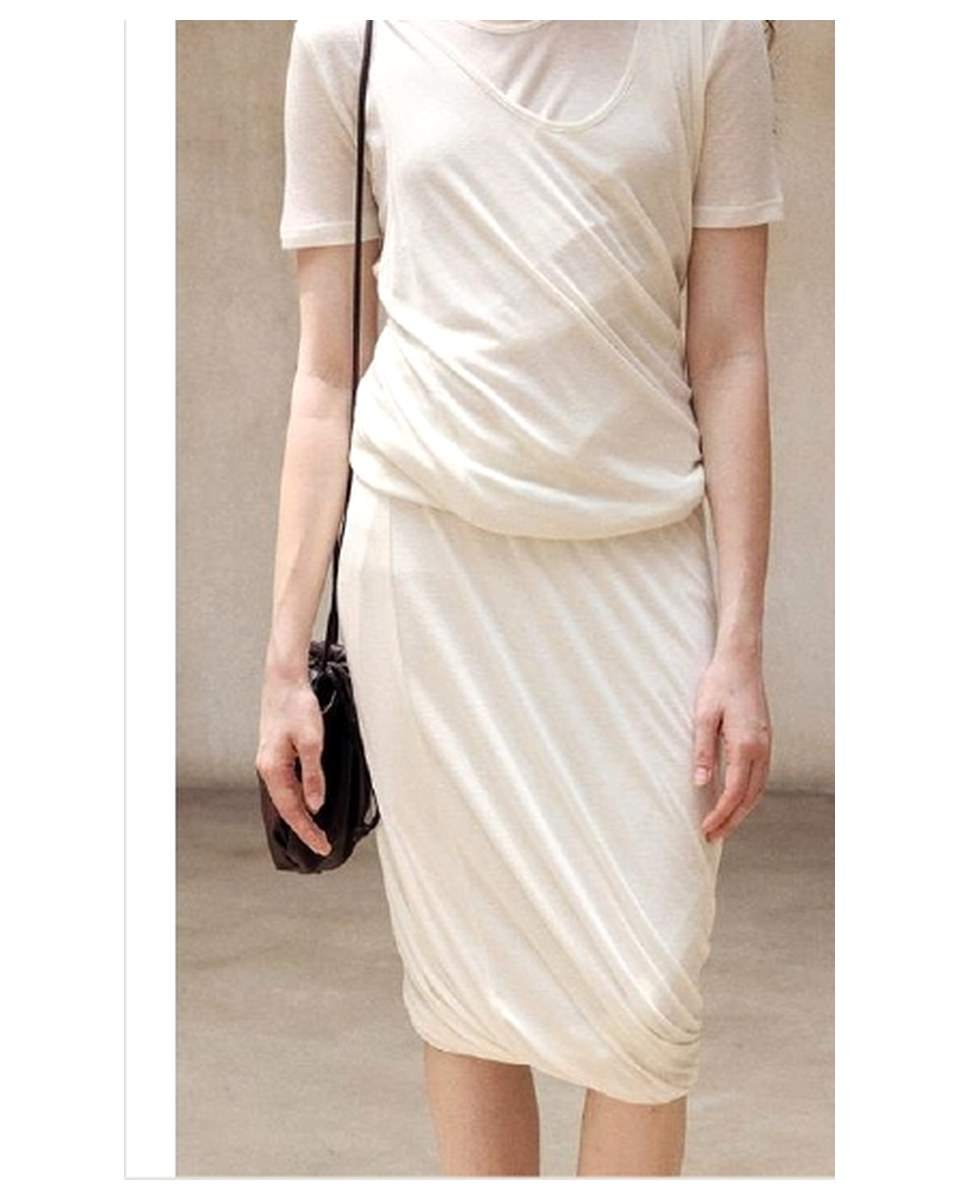
Use the Yinshan dress collection to communicate a silhouette direction, then add the interior information that a product photograph cannot provide. A sleeveless fitted shape, a flowing skirt, and a dress with a visible slit raise different lining questions. The factory needs the buyer’s actual design intention rather than an assumption that every reference image includes the same hidden construction.
Record whether a proposed change removes a requirement or changes the way it is achieved. Reducing the lined area may be a valid development option, but the buyer should review the resulting coverage, feel, interior appearance, and construction. Do not approve the saving in isolation. The revised sample should demonstrate the new product, and the specification should show the selected coverage so the cost decision is not later mistaken for a factory omission.
How should buyers evaluate the shell and lining as a paired reference?
An attractive lining on its own may be unsuitable beneath a particular shell. Place the actual candidates together and review the combination. Identify the shell reference, lining reference, colour references, and any finish information supplied. If one component is a substitute used only for early development, mark that limitation visibly. A successful first impression must not become approval of an untested final pairing.
Look at the relationship in the intended garment context. Ask whether the lining changes the visible colour, creates an unwanted edge, interrupts the planned drape, or shows through where the designer expected a quiet interior. These are observations to make with the actual materials and sample, not universal predictions based on a fibre name. Photograph the issue and retain the paired swatches so the next reviewer can understand exactly what was compared.
The same method is useful when two products share a shell fabric but use different lining arrangements. A lined dress and an unlined coordinating top may not present the colour in the same way. Explain whether that difference is acceptable for the range. The comparison should reflect how the garments will be sold and worn together, rather than approving each piece separately and discovering the relationship only during the final photoshoot.
How should buyers check movement with the lining installed?
A shell sample can give incomplete fit information if the final garment will include a different inside layer. Review movement with the intended lining or record why the early sample cannot answer that question yet. Reaching, sitting, walking, and dressing may expose different issues. Choose activities relevant to the product and intended fit; do not claim a universal movement test from a short informal fitting session.
Describe what happens at the affected area. The wearer feels restriction across the back when reaching is more useful than the lining is wrong. A seam pulls at the upper arm, the skirt lifts when sitting, or the lining catches at an opening are observations the technical team can investigate. The cause may involve material, pattern, attachment, or the relationship among them. Let the responsible team assess the evidence before prescribing a single fix.
For a custom womenswear programme, provide the intended size range and fit direction along with the lining brief. A change approved in one sample size may need review in the wider size set. Keep the lining connected with the pattern revision and measurement comments, especially when a close silhouette leaves limited room for an unresolved internal construction choice.
How should buyers give neckline, armhole, and hem edges explicit instructions?
The lining boundary can become visible even when the material itself is well chosen. Mark where the inside layer should sit relative to the shell at the neckline, armhole, vent, and hem. Use a drawing and an approved sample rather than relying on a phrase such as keep it hidden. The intended result should remain understandable when the garment is handled, worn, or photographed from a different angle.
Review the garment in positions relevant to its design. A short skirt may look correct when standing yet reveal an unintended lining edge when sitting. A slit may expose an inside area that was not visible in the flat technical sketch. A sleeveless dress may show a narrow strip at the armhole when the wearer moves. These observations should lead to a targeted pattern or construction review, not an automatic instruction to shorten every lining piece by the same amount.
State whether an exposed edge is intentional. Some designs use contrast lining as a visible detail; others require a quiet interior throughout. The inspection standard must distinguish these cases. Retain photographs showing an acceptable result and the specific unacceptable condition. That gives production and quality teams a shared reference when a garment is checked away from the original fitting room or by someone who was not involved in the design discussion.
How should buyers review seams and attachment points before bulk approval?
The lining needs a construction specification that suits the chosen material and garment. Ask the factory to identify the relevant seams, attachment points, and any areas needing particular attention. The buyer’s job is to define the expected appearance and use; the technical team should propose a workable construction and the evidence needed to assess it. A smooth swatch does not establish a satisfactory finished seam.
Keep different seam observations distinct. If a reviewer sees an opening, photograph the location and describe when it appears, what is visible, and whether the condition remains after the garment is released. Ask the technical team to identify the mechanism and the appropriate corrective action. A buyer should not apply one defect label to every opening or prescribe a tighter seam before the cause has been examined. Retain the original observation alongside the proposed correction so the revised sample can answer the same question.
Pay attention to attachments near openings and areas that move during wear. Review whether the lining interferes with a zipper, pulls at a vent, or creates unwanted bulk around a waistband. Ask for a focused mock-up if a detail remains uncertain before a complete sample is made. Identify what that mock-up proves and what remains open. A successful zipper section does not approve the movement, coverage, or care behaviour of the entire garment.
How should buyers treat colour and opacity as garment decisions?
Choose a lining colour with the actual shell in view. An apparently neutral colour may change the way a light or sheer shell looks, while a contrast shade may be an intentional feature. The correct choice depends on the design. Retain the approved combination, not just separate approvals for two colours. A material that looks acceptable beside the shell may create a different effect when placed underneath it.
Coverage should be assessed in a defined setting. Specify the relevant garment areas, fit, colourway, and review conditions. Ask reviewers to describe the issue they see: a pocket shape is visible, an internal seam creates a dark line, or the lining boundary is apparent through the shell. This is more actionable than asking for a fabric that is completely non-see-through without specifying the product context or how the requirement will be evaluated.
Review colourways individually where the combination changes. Approval of a dark dress does not automatically answer the coverage question for a light version. If the programme uses different lining colours or materials, list them against the corresponding shell references in the bill of materials. Avoid one generic lining entry that leaves the factory to infer the pairing. The finished range should reflect deliberate combinations that the buyer has actually reviewed.
How should buyers evaluate comfort claims with appropriate evidence?
Words such as breathable, cooling, antistatic, and moisture managing can imply measurable performance. Do not select a lining or write retail copy on the strength of an unsupported adjective. Ask what the material supplier means, which evidence applies to the exact reference, and whether the finished garment needs further evaluation. A fibre name or familiar brand term alone does not establish every claimed benefit for the ordered product.
Separate a fitting observation from a broad performance statement. A reviewer can report that a sample feels comfortable during a particular session. That is useful development feedback, but it does not establish comfort across every wearer, climate, activity, or care history. Record the situation and the observation. If the brand wants to make a specific performance claim, assign the evidence review to the appropriate technical and commercial owners before the claim enters product copy.
The wearing brief should also include layering. A jacket developed to go over a blouse can be reviewed with the intended underlayer, while an evening dress may be worn directly against the body in relevant areas. Ask whether labels, seams, and attachment details create unwanted contact as well as considering the lining surface. Comfort is a garment experience, and a material-only discussion can overlook the very detail that the wearer notices first.
What should buyers consider about agree care compatibility for the complete assembly?
The care decision should consider shell, lining, trims, decoration, and construction together. Collect the relevant material information and ask the responsible team to define an appropriate evaluation for the complete garment. A candidate lining with convenient care guidance may still need review when combined with the selected shell and components. Do not copy a care instruction from a similar garment and treat it as evidence for this one.
Before an evaluation, identify the sample, the intended care process, and the observations to record afterward. Depending on the programme, the review may include dimensions, relative layer lengths, surface appearance, colour relationships, and the behaviour of attached areas. Keep the results linked with the actual material combination. If the final lining was unavailable and a substitute was used, record the limitation and the follow-up required before final approval.
A changed relationship between shell and lining deserves investigation even if each layer appears acceptable separately. For example, the buyer may observe a lining edge extending beyond the intended boundary or an area pulling after care. Describe the condition and have the technical team assess the cause. A local adjustment might be appropriate, but it should not conceal an unresolved material or construction issue that could affect the wider order.
How should buyers compare the complete cost of lining options?
A lining decision affects more than the material price. Ask the factory to explain the proposed consumption, lined area, construction work, and relevant sourcing assumptions for each serious option. Keep quotation units and quantities clear. Two candidates cannot be compared reliably if one price refers to a different width, order structure, colour condition, or included service. A purchasing decision needs an agreed basis, not only the smallest number on a supplier sheet.
For a small-batch programme, confirm whether the proposed lining is available for the intended quantity and colour arrangement. Do not assume that a material shown during development can be bought under the same conditions later. Ask which information is confirmed, which remains provisional, and when it needs to be checked again. The answer should be recorded against the material reference and quotation date rather than becoming a permanent promise about availability.
A private-label clothing manufacturing brief can identify the target product position while leaving the factory room to propose alternatives. If the budget is constrained, request clearly described options: a revised lining reference, a changed lined area, or a different interior construction. Each option should explain its effect on the product and what must be sampled again. The buyer can then approve a visible trade-off instead of receiving an unexplained material downgrade.
Consider how the ordered quantities relate to the planned range. If several styles share one lining, identify whether they truly use the same material, colour, and finish, or only look similar in a planning document. A shared reference may be worth exploring, but it should not be imposed before checking each garment. A jacket sleeve and a close evening skirt can present different movement and construction questions even when the buyer wants a consistent interior colour.
Keep any remaining material responsibility explicit in the commercial discussion. Ask how unused quantities, additional sampling material, and a later repeat order will be handled under the agreed terms. These are programme-specific questions, not assumptions that the factory will hold material indefinitely or supply any future quantity at the original price. A clear record helps the brand evaluate the total commitment and prevents a convenient sourcing idea from becoming an unsupported stock promise.
How should buyers keep the lining specification visible in the sample file?
Give the lining its own bill-of-materials entry. Record the material reference, composition information received, colour reference, intended location, and relevant approval status. Connect those fields with the sample and pattern versions. If different areas use different linings, list them separately. A single note saying lining as sample leaves too much uncertainty when several development samples exist or when the interior cannot easily be identified from photographs.
The sample review should state whether the lining is final, temporary, or approved only for a limited purpose. For example, an early substitute might allow a basic construction discussion while leaving colour and care questions open. Make that limitation explicit on the sample tag and in the report. Otherwise, a practical development shortcut can become the assumed bulk standard when the sample moves between teams.
Keep comments tied to locations. Mark the neckline, side opening, back seam, hem, or sleeve area in the photo and use the same labels in the written report. Assign each correction an owner and an expected response. Once the revised sample is accepted, close the old comment with a reference to the evidence. This prevents an obsolete instruction from remaining active beside a newer approval and creating conflicting requirements for production.
How should buyers work through a light-coloured evening dress example?
Consider a hypothetical brand developing a light-coloured dress for evening occasions. The buyer likes the shell drape and initially requests a smooth lining in a similar shade. During the first fitting, the reviewer notices the lining boundary through the skirt and restriction when sitting. These are two separate observations. Changing the colour may address one visual concern while leaving the movement issue untouched.
A useful response would review the paired materials and the relevant pattern and construction details. The factory could propose revised options, explain which issue each option addresses, and identify the sample work required. The buyer should avoid issuing several disconnected fixes through separate messages. Combine the decisions into one revision instruction so the next sample represents a coherent garment rather than an accidental mixture of suggestions from different reviewers.
The approval meeting can then answer specific questions: is the visible boundary acceptable, does the revised garment meet the intended movement brief, and have the final material references been used? Any care or colour evidence still pending should remain open. This example is a development method, not a claim about a completed Yinshan order. Its value lies in connecting each decision to an observed condition and a verifiable next step.
How should buyers release the approved combination and control changes?
Before authorizing the relevant production step, confirm that the shell, lining, construction, and sample approvals describe the same garment. Check the material references, colour pairings, lined areas, and unresolved comments. Retain an accessible approved sample or other agreed standard, together with the written specification. The person releasing production should be able to identify exactly what has been approved without reconstructing the decision from scattered messages.
A proposed substitution should explain what is changing and why. Ask the supplier or factory to identify the original reference, replacement reference, known differences, and affected approvals. The buyer should then decide which evidence needs to be refreshed. An apparently minor lining change can still affect the interior colour, movement, seam appearance, or the relationship between layers. Approval should follow the relevant review rather than an assumption that an unseen component is commercially unimportant.
For reorders, confirm the material identity and compare any proposed changes with the retained standard. Preserve the successful combination when it remains available and appropriate, but do not confuse a familiar garment name with current material confirmation. A well-maintained lining record makes repeat decisions easier because the team knows which details matter and why they were chosen. That record turns the inside of the garment into a controlled product feature rather than a last-minute purchasing choice.
Lining decisions should be made with the shell fabric and garment use in view. Identify whether the lining is intended to improve coverage, comfort, shape, dressing or internal finish, because each purpose can call for a different material and attachment. Review the assembled sample while worn and in movement, then check whether the layers pull, cling or show through at seams and openings. If the lining is changed after fit approval, decide whether the garment needs another review. A shell approved by itself does not establish the behaviour of a later shell-and-lining combination.
How can buyers discuss next steps with Yinshan Fashion?
Read the published guide to fashion product briefs before sampling to organize the wider development file. Bring the shell reference, interior drawing, proposed lining options, size range, and unresolved sample observations to Yinshan Fashion for a focused custom or private-label programme discussion.
Fabric Development buyer guide
Lining Fabric for Clothing: A Buyer Guide for Dresses, Skirts, and Jackets
Choose lining fabric for clothing with a clear coverage, movement, colour, construction, care, and costing brief for dresses, skirts, and jackets.
Draw the inside
Mark every lined area and its boundary. Explain which parts provide coverage, finish the interior, or create an intentional visible detail.
Review the pair
Examine the final shell and lining together in the relevant colourway and sample. Record the observed movement, coverage, and edge behaviour.
Close the material record
Connect the chosen lining with the bill of materials, pattern version, care evidence, and approval owner. Keep substitutes and open questions visible.
Buyer and factory handover checklist for lining fabric for clothing
Use these prompts to make the current product decision reviewable. Confirm market requirements and commercial details for the specific programme.
| Decision area | What the buyer should prepare | What to ask the factory |
|---|---|---|
| Approval point 1 | Supply an interior drawing, wearing brief, size direction, and colour pairing requirements. | Label lining candidates and explain relevant construction or sourcing conditions. |
| Approval point 2 | Identify essential coverage and appearance requirements separately from preferences. | Identify temporary materials and the questions those samples cannot settle. |
| Approval point 3 | Confirm who approves fit, colour, care information, and the final material combination. | Submit proposed changes before the affected production activity. |
Continue the production conversation
Decision table: lining questions and approval evidence
| Decision | Buyer input | Evidence to examine | Record before release |
|---|---|---|---|
| Full or partial lining | Interior coverage drawing | Sample showing each lined area | Coverage and attachment version |
| Shell and lining pairing | Actual material and colour references | Paired swatches and complete sample | Approved combination |
| Movement | Fit direction and wearing situations | Relevant fitting observations | Closed corrections and remaining work |
| Visible edges | Intended neckline, slit, and hem appearance | Annotated acceptable and unacceptable examples | Location-specific standard |
| Care compatibility | Intended product care direction | Agreed evaluation of the assembly | Method, sample, result, approval |
| Replacement material | Original and proposed references | Review of affected requirements | Written substitution decision |
Buyer FAQs
What is the best lining fabric for clothing?
There is no universal best choice. Select a lining against the actual shell, garment use, movement, coverage, construction, care requirements, and commercial conditions.
Is lining the same as interfacing?
No. A lining forms an inside layer, while interfacing reinforces particular garment areas. Specify each component separately when the design uses both.
Can the lining be approved from a swatch alone?
A swatch can support an early material or colour discussion. Fit, edges, movement, and the relationship with the shell require the relevant garment evidence.
Does a lining colour need to match the shell exactly?
The design may call for a close match or an intentional contrast. Approve the actual combination and record where any visible difference is acceptable.
Can the factory replace an unavailable lining?
The factory can propose a replacement for review. Identify the differences and update affected approvals before authorizing its use.