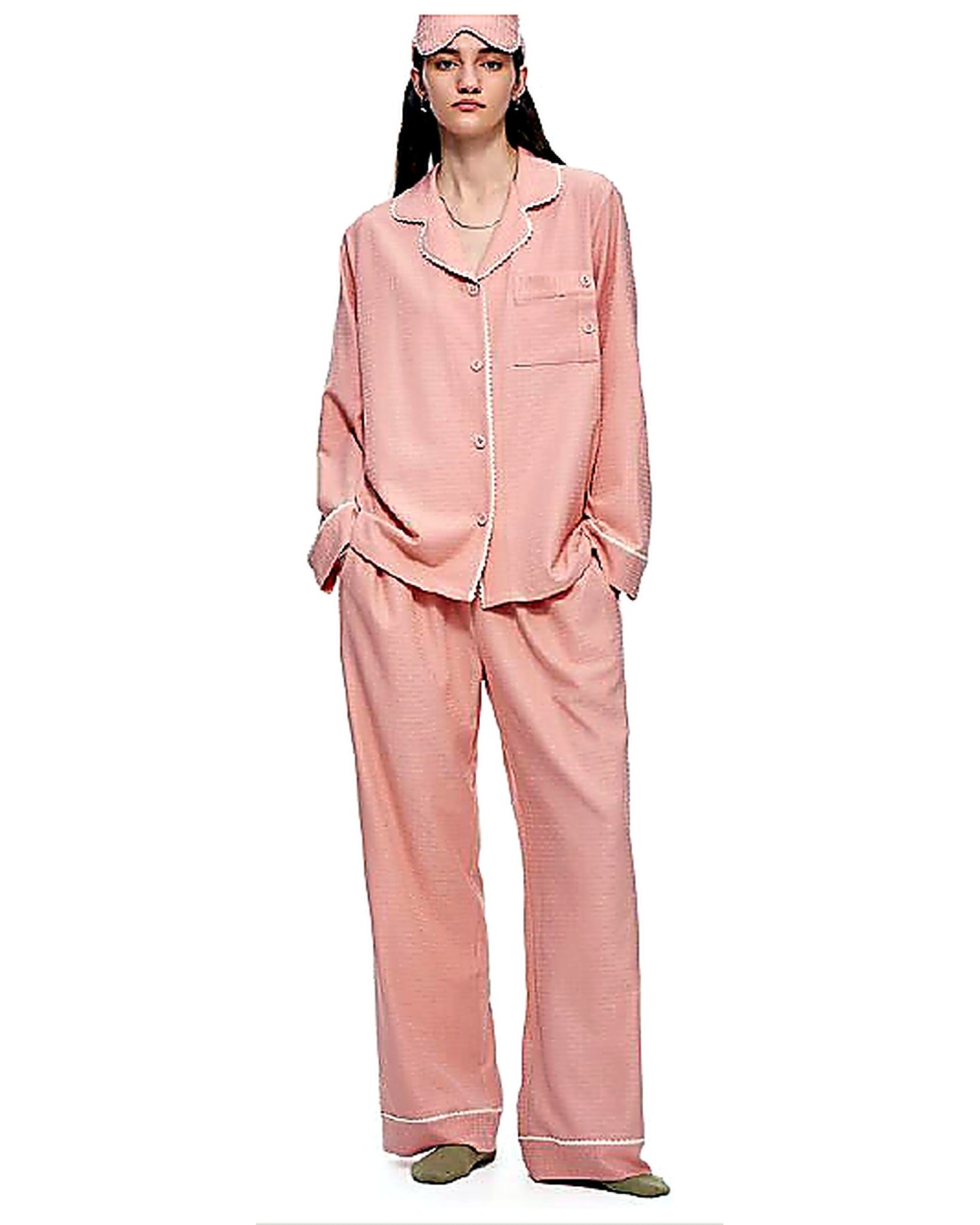
Article
What should buyers know first?
Short answer: Choose a first fashion collection size by comparing customer purpose, style roles, SKU counts, development capacity, quantities, and factory requirements.
This article offers a way to choose the count instead of prescribing a universal launch range. It uses hypothetical examples to make the arithmetic and tradeoffs visible. The figures are not manufacturing minimums, recommended purchases, demand forecasts, or a promise of commercial results. A brand should finish the exercise with a reason for each included style and a clear explanation of which ideas are being deferred.
How should buyers define first fashion collection size before counting anything?
Decide what the team means by a style. In this framework, a distinct garment design receives its own style identity, while colour and size combinations are variants within it. A styled outfit may contain more than one style, and a coordinated set may require separate technical records for its components. State the convention before using a launch count in a brief or budget discussion.
Shopify's variant documentation describes a variant as a combination of option values such as size and colour, with inventory managed at the variant level. That distinction is useful beyond a particular selling platform: the brand needs to know both how many designs it is developing and how many versions it intends to offer. A headline style count answers only the first question.
Write down every garment in the proposed collection, even when several are shown together in one look. If a camisole and trouser can be ordered separately, preserve their own quantities and identifiers. If they are sold only as a defined set, state the component and size pairing rules. Do not let a marketing description hide the actual product work required.
Use the same definitions when comparing two plans. A four-look collection containing eight garments cannot be compared directly with a six-style collection unless the team first reconciles what is being counted. Clear terminology makes the later discussion about sampling, stock, photography, and factory quotations much easier to assess.
How should buyers begin with the purchase problem your first range solves?
Describe a customer situation narrow enough to guide selection. The brand may focus on elegant evening dressing, an everyday work capsule, coordinated lounge pieces, or another defined need. Explain what customers should be able to find in the first offer. The count should emerge from that purpose rather than from a desire to make the launch page appear full.
For an evening concept, a dress collection direction may provide one purchase route, while a top and bottom offer another. The brand does not need to develop every possible occasion garment to make the idea understandable. It needs enough resolved products to present a credible proposition to the intended customer, supported by its own evidence and resources.
Test each candidate against a plain question: what purchase option does this style add? A second dress might introduce a genuinely different silhouette or use case, or it might mainly duplicate the first. Either result can be acceptable if deliberate, but the brand should recognize the difference before investing in another pattern, sample, size chart, and inventory allocation.
Keep broader ambitions in a separate future list. A first range can introduce the brand without representing its eventual catalogue. Recording deferred categories protects the creative direction while allowing the current team to work on a coherent scope. The first collection should be explainable on its own terms, without depending on several unfinished products that may or may not follow.
What should buyers consider about assign one reason to every proposed style?
Give each style a role and a short inclusion statement. A dress might serve the complete-outfit customer, a top might provide a more flexible entry into the collection, and a bottom might make the coordinated look possible. These are hypotheses about the intended offer until customer evidence supports them. The role statement should make that uncertainty visible.
Separate essential styles from optional extensions. An essential style is one whose removal would materially change the collection's stated proposition. An optional extension adds choice but is not required to explain the first range. The distinction helps the team reduce scope intelligently when material development, cost, or sample work proves more demanding than expected.
Use the blouse collection as a reference for top categories and define the actual design your customer needs. A garment does not earn a place merely because the factory can make it. The buyer should connect the product choice with its role, intended styling, fit requirements, and commercial assumptions.
Challenge duplicate roles before deleting distinctive ones. If two candidates serve almost the same customer, occasion, price position, and styling purpose, compare their evidence and development readiness. The team may prefer one, retain both for a stated reason, or merge a useful detail into one resolved design. This is a more defensible editing process than removing whichever sketch received the least attention in the last meeting.
What should buyers consider about expand the style count into the complete variant count?
List the actual colours and sizes planned for each style. If the combinations differ, calculate them separately rather than relying on a simple average. A dress with one colour and four sizes creates a different scope from a top with three colours and five sizes. The full matrix reveals the inventory and product information work that a headline count leaves out.
Consider two hypothetical plans. Plan A contains four styles, two colours per style, and five sizes for every colour, giving forty variants. Plan B contains eight styles, three colours per style, and five sizes, giving one hundred and twenty variants. Plan B has twice as many styles but three times as many variants under these stated assumptions.
If each plan were assigned six hundred total units, the equal-allocation average would be fifteen units per variant in Plan A and five in Plan B. This is arithmetic, not an allocation recommendation. Actual quantities should reflect the brand's evidence, intended size strategy, and confirmed manufacturing conditions. The comparison shows how a wider range can divide the same unit commitment more thinly.
Use this calculation to ask better questions. Does every added colour have a reason? Is the proposed size coverage technically developed? Can the team maintain correct product data for every combination? The final count should be evaluated through the real matrix, including exceptions and set pairings, before it becomes a factory order or a public launch promise.
What should buyers consider about count development tasks alongside saleable variants?
Create a work list for each style, covering the brief, material selection, pattern, sample, fit review, grading, colour decisions, decoration, labels, and packing where relevant. Identify which items are already resolved and which require new work. This list provides a more useful view of development load than assuming that every garment consumes an identical amount of attention.
A new fitted dress with unresolved fabric and construction may require a different development discussion from a variation based on an approved block. Do not convert that observation into a fixed number of days without reviewing the project. The factory and technical team should identify the necessary sequence and remaining questions for the actual design.
Track shared work carefully. Several styles may use a related colour direction or component, but each can still require its own fit, construction, and approval. Shared references can simplify part of the programme without eliminating the need to review the finished garments. Record which decisions genuinely carry across styles and which remain separate.
Use the work list to decide which products can reach a coherent launch scope. If the team has capacity to resolve only some of the proposed designs, it can prioritize essential styles and defer optional ones. The decision should reflect real readiness and dependencies, not an arbitrary deadline that encourages incomplete samples to be treated as approved.
How should buyers review the outfit structure before cutting the list?
Lay out the intended outfits and identify the styles needed for each. A casual pants programme may support several tops, while a dress can stand alone. The brand should understand these relationships before removing a supporting product simply because it is less visually prominent than the statement garment.
Distinguish styling possibilities from customer purchase assumptions. Showing three outfits from a top and bottom does not prove that customers will buy both pieces. Each garment should have a clear description, price position, fit basis, and ordering identity. The collection can encourage coordinated dressing while preserving a credible role for pieces sold individually.
Check whether the proposed offer relies on an unavailable or unfinished component. A launch image that depends on a bottom still in development may overstate the readiness of the collection. The brand can revise the styling, adjust the launch scope, or complete the required work before presenting the outfit. Make that decision explicitly rather than allowing an incomplete look to shape the order by accident.
After editing, review the remaining range as a customer would encounter it. Can the intended purpose still be understood? Are the differences between products clear? Does the offer provide the options the brand said it would provide? A smaller count is useful only when it still forms a coherent first collection; reduction for its own sake does not answer the planning question.
How should buyers compare commitment at the actual specification level?
Build a comparable cost view for each candidate plan. Identify the product quotation, development costs, packaging, and other relevant project assumptions on a stated basis. Keep currencies and commercial terms clear. A collection with fewer styles is not automatically the lower commitment if its materials, construction, decoration, or quantities differ substantially from the alternative.
Separate fixed decisions from estimates. The factory may need a completed brief or sample before confirming parts of the offer. Label those gaps in the comparison rather than treating a preliminary estimate as a final price. The buyer should understand which decisions can be made now and which depend on information still being developed.
Ask what the brand can support after ordering as well as before it. Photography, product information, customer questions, fulfilment, and variant records require attention for the actual offer. This is a workload review, not a claim that each style creates a fixed cost. The team should identify the resources it needs and avoid counting the same available capacity against several simultaneous tasks.
Choose the plan using its complete scope. The brand may accept a wider range because it has relevant evidence and resources, or a narrower range because it wants to resolve a more focused question first. Neither choice becomes sound through the style count alone. The decision record should state the assumptions that make the selected scope reasonable and the conditions that would require reconsideration.
How should buyers keep factory conditions separate from customer demand?
Send the proposed style and variant matrix to the factory with the relevant briefs. Ask for project-specific review of materials, construction, quantities, shared components, decoration, packaging, and development sequence. Minimums and timing should be confirmed for that programme. Do not copy a generic figure from another product and assume it applies to every design in the collection.
If a factory condition conflicts with the brand's intended commitment, evaluate the options explicitly. The buyer might adjust a variant plan, explore a different material, simplify a design, defer a style, or review another sourcing route. Ask for the actual implications before choosing. A proposed compromise should still produce a garment and collection the brand is prepared to offer.
Do not raise a demand forecast simply to make it equal the requested manufacturing quantity. Production feasibility and customer demand are different questions. The buyer needs to decide whether the commercial commitment is justified under its own assumptions. Keeping these questions separate prevents the order from appearing evidence-based when its size was actually determined by a supplier constraint.
Document the outcome style by style. A factory may confirm one candidate while requesting more information about another. The first collection count should reflect those differences in readiness. A plan that includes unresolved options can remain a development plan, but the final production scope should clearly identify the products and variants the buyer has actually authorized.
How should buyers use launch readiness as a gate for each style?
Create a concise readiness record for every proposed garment. Include the final brief, sample status, material identity, measurement chart, size review, colour approvals, decoration where relevant, labels, packing, quotation, and product information. The record should identify open decisions rather than become a long checklist with a single general approved box at the end.
Assign an owner and next step to each consequential gap. A material question needs a different response from missing photography or an unresolved fit issue. The team can then see which items block a coherent product release and which can be completed independently. Avoid treating the progress of the most advanced style as evidence that the whole collection is ready.
Use the published fashion factory sampling and production guide to connect sample decisions with the actual production instruction. A launch deadline should not erase the distinction between an attractive prototype and a resolved garment. The buyer needs to know which requirements the retained sample and documents support before committing to the order.
At the decision point, classify each style as ready for the authorized stage, requiring further work, or deferred. State the meaning of ready so a costing-ready brief is not mistaken for a bulk-approved product. The collection count can then be expressed accurately, with planned future options separated from the products the team can currently support.
How should buyers consider staged releases only when the dependencies are understood?
A brand can compare one complete launch with a sequence of smaller releases, but the choice needs a practical plan. Identify which styles form a coherent first offer and which could follow without leaving the original proposition incomplete. The first group should not depend on a later garment that is essential to the look customers are being shown.
Review sourcing and production conditions for the proposed sequence. Staging the commercial presentation does not automatically mean that factory quantities, materials, or delivery arrangements can be divided in the same way. Ask the provider to explain the actual options and costs. The buyer should distinguish a marketing calendar from a confirmed manufacturing and inventory plan.
Specify what information from the first release could influence the next one and whether it will arrive in time to change the decision. If all later stock is already committed, early customer feedback may inform future development but cannot undo the existing order. Make that timing clear so the team does not describe a fixed commitment as a fully flexible test.
Keep product information and customer expectations aligned with the authorized scope. A style still under development should be described according to the brand's actual offering and commitments. Internally, record which later decisions remain open, who owns them, and what evidence is required. A staged approach is useful when it creates a workable sequence, not merely when it spreads the same unresolved tasks across more launch dates.
How should buyers decide what a smaller first range is intended to learn?
Choose a limited set of questions for the first selling period. The brand may want to understand the response to a fit direction, the role of a coordinating bottom, or interest in a particular occasion. Match the range to those questions. A narrowly scoped collection can still generate unclear evidence if every style changes several unrelated features and the team has no plan for interpreting the response.
Retain sales and availability by the relevant variant, together with returns, customer enquiries, and the presentation used. A product shown prominently for weeks should not be compared casually with another that was difficult to find or unavailable in requested sizes. Record enough context to understand the result without claiming that a small initial observation predicts stable long-term demand.
Agree what would justify a repeat, correction, extension, or pause. These can be decision criteria rather than arbitrary numerical thresholds. For example, the team may require a fit issue to be resolved before expanding a style, even if early interest is promising. The purpose is to make the next step depend on the evidence needed for that decision.
Do not force the first collection to answer every future category question. It can establish a starting fit approach, a clearer customer proposition, or an initial production reference while leaving other areas open. Record those limits honestly. The value of a manageable scope is that the brand can understand and act on what it learns, rather than only count how many products were launched.
What should buyers consider about freeze the selected count with a clear change rule?
Issue a dated collection plan showing the included styles, variants, quantities or quantity assumptions, development status, and decision owners. Keep the reasons for inclusion and deferral nearby. This becomes the reference for the factory and internal team, allowing everyone to distinguish the current scope from an earlier idea list that may contain more products.
Define how additions are evaluated after that point. A new style should identify the customer role it adds, the development work it requires, its commercial implications, and the effect on other priorities. The team can accept it when justified, but should update the whole plan rather than quietly append the design while leaving the original schedule and capacity assumptions unchanged.
Use the same process for deleting or postponing a style. Check the effect on coordinated outfits, shared materials, quantities, packaging, product information, and the launch proposition. A removal can simplify the range while also creating a gap elsewhere. The revised collection should remain coherent and the factory should receive an explicit change to its authorized scope.
The final answer to how many styles belongs in this dated decision record. It should be possible to explain why the chosen number fits the current customer purpose, evidence, development capacity, variant plan, and factory conditions. When those assumptions change, the brand can revisit the count. That is more useful than treating an arbitrary launch number as a rule that remains correct for every collection.
How should buyers run a final comparison before authorizing the scope?
Take the preferred plan and remove one optional style on paper. Identify which customer option, development task, and variant commitment disappears. Then restore the style and ask what evidence supports the additional work. This simple comparison helps the team see the marginal value of the choice without assuming that either the smallest or largest plan must be best.
Repeat the exercise with a colour rather than a style. The result may reveal that the main issue is variant expansion rather than too many designs. Finally, test the plan with one essential sample delayed: decide whether the collection remains coherent or requires a revised sequence. These hypothetical checks make the chosen count more resilient because the team has considered the dependencies before committing to the final programme.
How can buyers discuss next steps with Yinshan Fashion?
Send your collection purpose, candidate styles, essential and optional roles, colour and size matrix, preliminary quantities, and development priorities through Yinshan Fashion's contact page. The team can review the custom or private-label scope and help identify the information needed for a useful factory proposal.
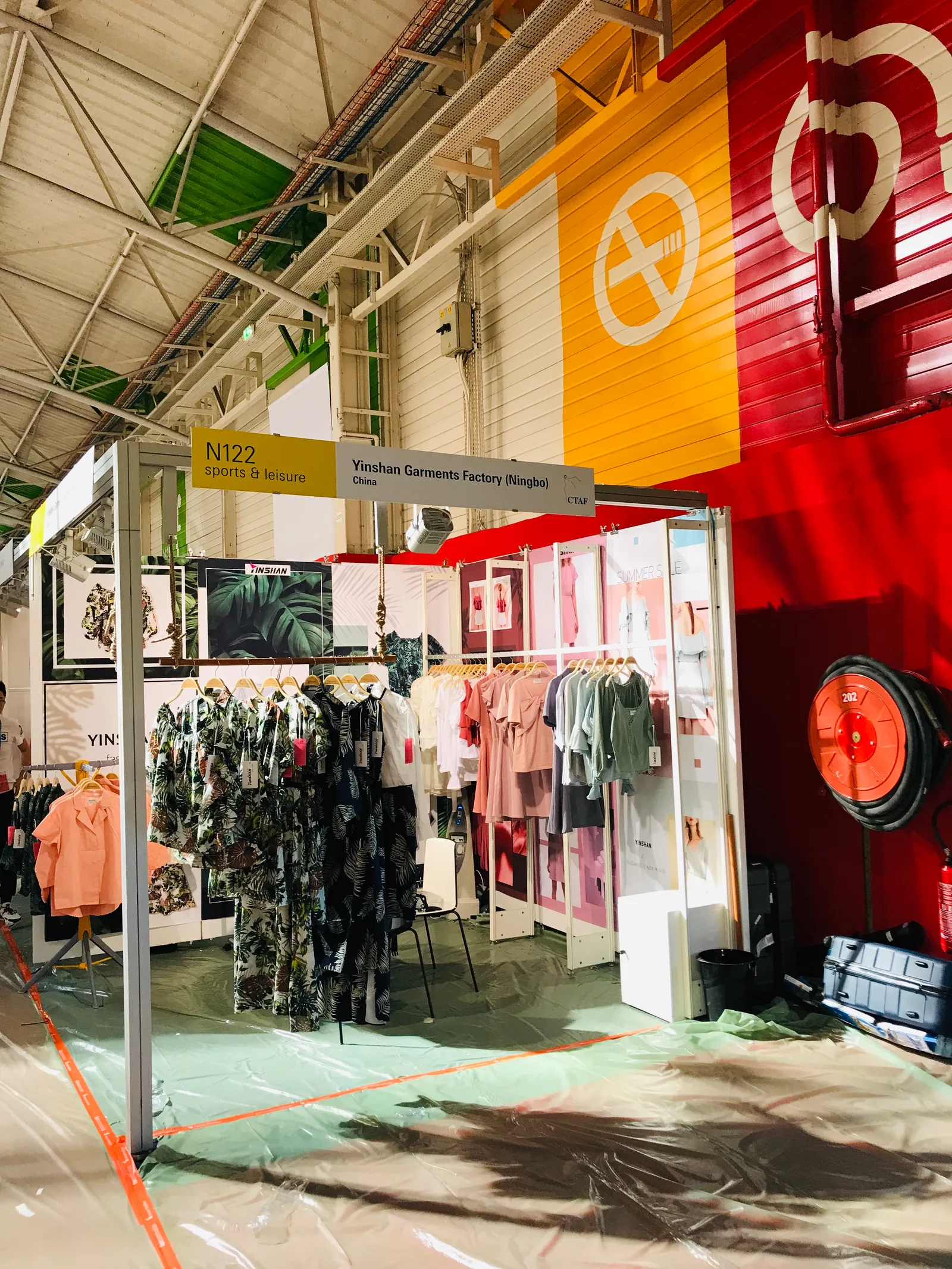
Sourcing Guide buyer guide
First Fashion Collection Size: How Many Styles Should You Launch?
Choose a first fashion collection size by comparing customer purpose, style roles, SKU counts, development capacity, quantities, and factory requirements.
Count the complete product scope
Separate garments from styled looks, then expand each style into its actual colour and size variants before assigning quantities.
Protect the essential proposition
Identify the styles required to explain the collection and compare optional additions against the work and commitment they introduce.
Freeze a dated plan
Record inclusions, deferrals, readiness, and change rules so the factory and brand team work from the same authorized scope.
Buyer and factory handover checklist for first fashion collection size
Use these prompts to make the current product decision reviewable. Confirm market requirements and commercial details for the specific programme.
| Decision area | What the buyer should prepare | What to ask the factory |
|---|---|---|
| Approval point 1 | define customer purpose, style roles, variant matrix, quantity assumptions, and available development capacity. | review material, construction, quantity, packaging, and timing requirements for the actual programme. |
| Approval point 2 | distinguish evidence, estimates, and unresolved decisions in the proposed launch plan. | identify dependencies and alternatives without treating supplier conditions as customer demand evidence. |
| Release and repeat | Record the current requirement, reference and approval owner for this product decision. | Which proof or record should confirm the decision before the next stage? |
Continue the production conversation
Decision table: choosing a first collection count
| Question | What to examine | Result to record |
|---|---|---|
| What is being counted? | Garments, looks, sets, variants | Consistent style and variant definitions |
| Why does each style belong? | Customer situation and distinct role | Essential or optional inclusion reason |
| How large is the real range? | Actual colour and size combinations | Complete variant matrix |
| Can the team develop it? | Open tasks and dependencies | Priorities and realistic sequence |
| Is the commitment understood? | Comparable specifications and costs | Authorized assumptions and scope |
| Can the factory support it? | Project-specific quantities and materials | Confirmed options and unresolved questions |
| Is each style ready? | Samples, documents, evidence, product data | Stage-specific readiness decision |
| What happens after launch? | Learning questions and records | Repeat, revise, extend, or pause criteria |
Buyer FAQs
Is there a universal first fashion collection size?
No. Choose the count through customer purpose, product roles, variants, development work, commercial commitment, and the actual factory conditions.
Does a matching set count as one style?
State your counting convention. Its component garments still need identifiable specifications and quantities, even when the commercial offer is a defined set.
Why can twice as many styles create more than twice the work?
Added colours, sizes, materials, graphics, and unresolved product decisions can expand the scope beyond the headline design count.
Should a brand add styles to meet a factory condition?
Review the actual options and implications. A production constraint does not establish customer demand or justify an otherwise unsupported product.
Can a staged launch make the range easier to manage?
It can be evaluated as an option, but confirm manufacturing dependencies and identify which later decisions remain genuinely open before relying on early feedback.