Article
What should buyers know first?
Short answer: Use fashion range planning to balance dresses, tops, bottoms, and matching sets through customer occasions, outfit relationships, variants, and buying decisions.
This guide offers an original framework for examining category roles and outfit relationships. Numerical examples are hypothetical planning exercises, not recommended category ratios or predictions of demand. The aim is to make the range coherent at three levels: what the customer can buy, what the brand must develop, and what the factory is actually asked to supply. Those three views should describe the same collection before an order is authorized.
How should buyers start fashion range planning with purchase situations?
List the situations your collection is intended to serve. An evening-oriented brand might consider a complete dress purchase, separates for a styled night out, and a coordinated option that can also be worn individually. Another brand may focus on workwear or relaxed everyday clothing. The categories should support the chosen purpose rather than simply fill a standard assortment template.
Write a short customer decision for each situation. One customer may want a complete outfit with few styling choices, while another may want a top that works with bottoms already owned. Treat these as hypotheses to investigate through the brand's own evidence. They help organize the offer without pretending that every customer in a broad demographic shops in the same way.
Shopify's product assortment guide distinguishes category breadth from the variations offered within categories. That distinction is useful here: adding another product category is a different decision from adding another colour or size to an existing style. The brand should identify which type of choice the customer needs before expanding the range.
Define the selling context alongside the product situations. A wholesale buyer reviewing a coordinated rail may need different information from a direct customer selecting an individual garment online. The actual channel does not dictate a universal category mix, but it helps the brand decide how products should be presented, ordered, and supported within the collection.
How should buyers give dresses a clear role as complete outfit choices?
Identify what each dress adds to the range. It may provide a particular silhouette, coverage preference, length, fabric appearance, or occasion interpretation. The buyer should be able to explain the difference between two dress candidates in terms that matter to the intended customer. A colour change or minor detail alone may not justify a separate design if the commercial role remains unclear.
Use the dress collection as a category reference and develop the actual brief for the brand. Include the intended fit, neckline, straps or sleeves, length, lining where needed, and construction details. A dress shown as a complete look still requires a complete technical specification; visual simplicity does not eliminate development questions.
Compare dresses with the alternatives in the same range. If a camisole and trouser combination serves a similar occasion, describe what makes each route useful. The brand can offer both deliberately, but should recognize whether they provide distinct choices or mainly compete for the same purchase. This helps the buyer allocate development attention and quantities with a clearer rationale.
Review the size strategy and evidence for each silhouette. A broad category plan should not assume that all dresses share one fit challenge or an identical quantity distribution. Keep style-specific requirements visible. The category role guides the range, while the individual garment record establishes the actual product the buyer can approve and the factory can produce.
How should buyers choose tops that have a role beyond completing one photograph?
Define whether each top is a statement piece, a versatile coordinating option, a layering garment, or another purposeful design. A top may support several outfits while retaining a credible standalone purchase. The brand should explain that role in the brief and product information instead of relying on the styling team to make an otherwise unclear design appear useful.
The blouse collection can help frame different top directions. For a camisole-style proposal, the buyer still needs to resolve strap arrangement, neckline, length, coverage, material, and fit. For another blouse or shirt direction, the relevant details will differ. Category variety should arise from the actual customer proposition, not from renaming similar products.
Map each top to the bottoms it is intended to coordinate with and note the presentation. A cropped top may need a specific relationship with the bottom's rise; a longer top may be shown tucked or untucked. Record those decisions and review the samples accordingly. A mood board can suggest the combination, but the physical garments need their own proportion and colour review.
Check whether every top depends on the same supporting bottom. If so, the range may contain a useful common foundation or a vulnerable dependency, depending on the product and evidence. The brand should understand that relationship before ordering. If the bottom remains technically unresolved, several planned looks may also remain unresolved even when the tops themselves are ready.
How should buyers develop bottoms as independent products and outfit partners?
Specify the bottom's own customer role, fit, silhouette, and functional details. A trouser or skirt should not enter the plan only as background for a more prominent top. It needs a clear buying reason, resolved measurements, appropriate size development, and its own commercial assumptions. The customer may evaluate it independently even when the brand presents it in a coordinated outfit.
Use the casual pants programme to frame a relevant category conversation, then provide the intended rise, leg shape, length, waistband, pocket, closure, and material direction. The factory should receive enough detail to discuss the actual garment rather than infer a complete trouser specification from the top it will accompany.
Review the proposed relationships across several tops where the collection depends on them. Identify the combinations, material versions, colours, and sample sizes being assessed. A bottom that appears to work with one styled top may still need another review with a different length or silhouette. Keep those coordinated observations separate from the bottom's individual technical approval.
Plan quantities from the chosen selling arrangement and evidence. Do not automatically order one bottom for every top merely because they are photographed together. If customers can buy separates, their demand and size choices may differ. If the offer is a fixed set, define the actual pairing rules. The factory order must make the component requirement explicit rather than derive it from the number of outfits.
How should buyers decide what matching sets mean commercially?
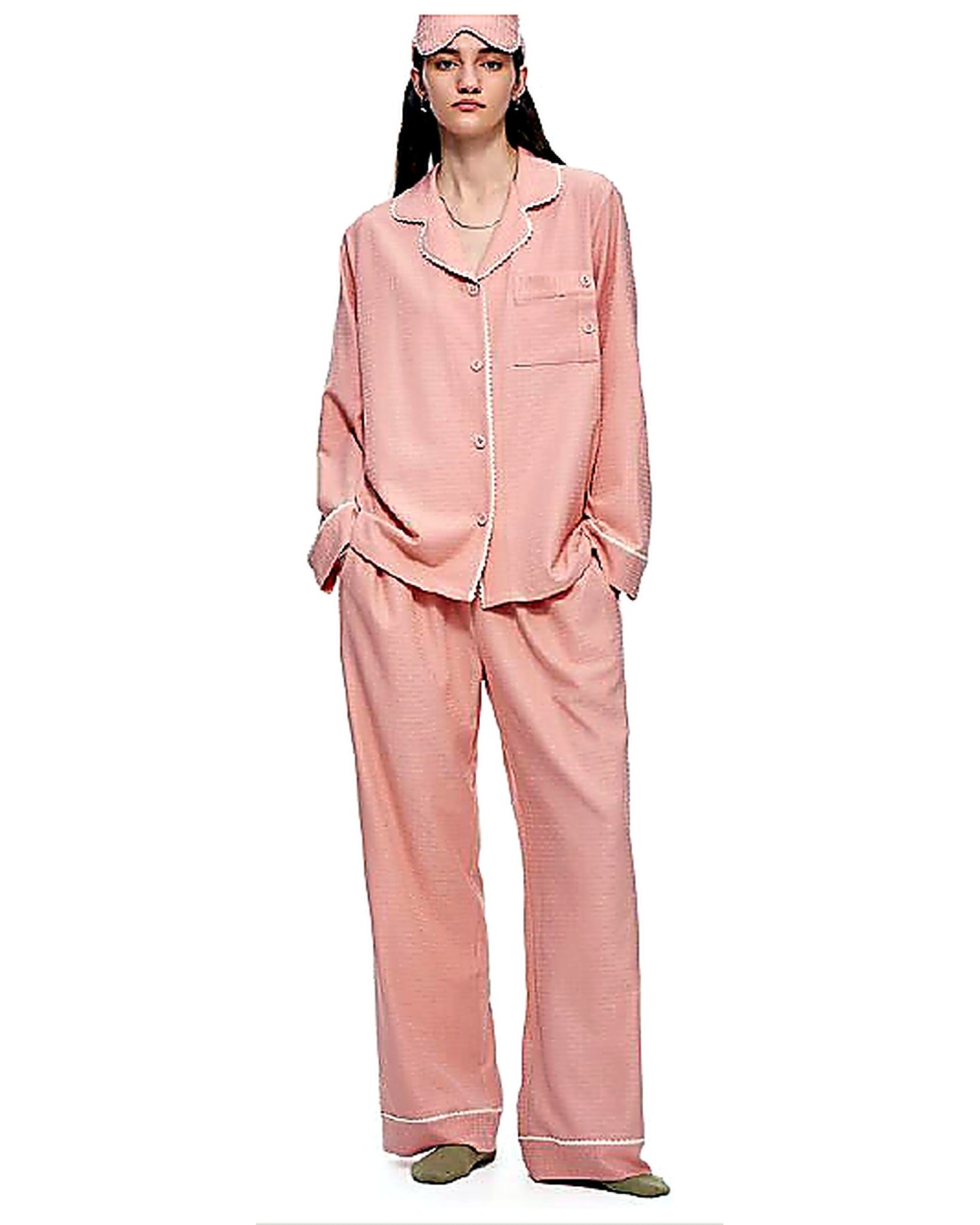
State whether a matching set is a fixed product, a suggested combination of separately sold pieces, or an offer with selectable component sizes. These arrangements create different product, inventory, and packing questions. The brand should choose the intended model before relying on a set count in its range plan. A styling label alone does not define the order.
Keep separate technical identities for the garments even when they are sold together. Each component needs an approved specification, material reference, size strategy, and sample record. Link them through a set identifier or a clear pairing matrix where appropriate. This allows the team to correct or reorder one component without losing the relationship with the complete offer.
For a hypothetical fixed set containing one top and one bottom, fifty sets require fifty of each component under that stated arrangement. If the brand also orders thirty tops for separate sale, the total component requirement becomes eighty tops and fifty bottoms. The arithmetic is illustrative only; it does not recommend quantities or establish which commercial model will work for a particular brand.
Review packaging and product information against the chosen arrangement. A set image should not leave the customer or wholesale buyer uncertain about what is included. Internally, the packing instruction should identify the components and size combinations. Clear definitions prevent a visually coordinated collection from generating inconsistent purchase orders or fulfilment assumptions.
How should buyers build an outfit map with identified combinations?
Create a simple matrix with tops on one axis and bottoms on the other, then mark the combinations the brand intends to present. Add dresses as separate complete-look routes and identify layers where relevant. This is a planning tool for the actual collection, not a claim that every theoretical pairing will be attractive or commercially useful.
Review the strongest combinations using the actual samples. Check proportion, colour relationship, material appearance, and the intended styling. Record whether each combination is approved, provisional, or rejected, with a short reason. The matrix becomes more useful when it reflects real decisions rather than a large number of imagined outfits that have never been evaluated together.
Distinguish a coordinated review from a technical garment approval. A top and bottom may look appropriate together while one still needs a measurement correction. Conversely, individually approved garments may need another design decision about their joint presentation. Keeping both statuses visible prevents a good collection photograph from concealing unresolved production work.
Use the map to identify gaps and unnecessary duplication. A top with no credible partner in the range may still deserve inclusion as a standalone product, but the brand should say so. A bottom that supports several important looks may deserve careful development priority. The point is to make dependencies and roles visible before editing the assortment or allocating the final quantities.
How should buyers state whether category balance means styles, units, or value?
Choose the denominator whenever the team discusses a category percentage. Dresses might represent a certain share of designs, ordered units, purchase value, or expected sales value. Those are different views. A statement that the range is mostly dresses is incomplete until the planning sheet explains which measure is being used and why it matters to the decision.
In a hypothetical collection with two dresses, three tops, and one bottom, dresses account for two of six styles, or about one third. If the buyer assigns different quantities or costs to those garments, the dresses' share of units or purchase value can differ. The example demonstrates the distinction only; it does not propose an ideal category mix or a commercially justified allocation.
Keep these views side by side when they serve a purpose. Style count helps describe development breadth, unit count shows the stock commitment, and purchase value shows another aspect of the commercial plan. Do not combine them into one score without explaining the calculation. The buyer should be able to understand why an apparently balanced mood board may represent a concentrated inventory commitment.
Use the chosen measures to expose decisions, not to force equal percentages. A brand with a clear dress proposition may deliberately emphasize dresses. Another may organize its offer around separates. The category balance should follow the customer purpose, evidence, product readiness, and resources of the actual programme, rather than a rule that every type of garment must receive the same share.
How should buyers coordinate colours without multiplying every category equally?
Build a colour map showing which shades belong to which garments and combinations. A shared colour can connect selected pieces, while a contrast may distinguish a statement style. The buyer should decide where each colour adds a meaningful option. Applying the full palette to every category can increase the number of variants without improving the collection's purchasing choices.
Review material and trim relationships in the actual samples. A colour reference alone does not settle the visual relationship between garments made from different materials. Identify the approved combination and the viewing conditions used for the decision. The brand may accept an intentional tonal difference, but that choice needs a reference and an explanation rather than an assumption that every component matches.
Track the approval status of each colourway separately from the overall design. A top may have an approved pattern while its second colour remains under development. A coordinated bottom may use a different material and need its own review. The range matrix should make those differences clear before the buyer issues quantities for the planned combinations.
When removing a colour to simplify the plan, check the outfit map again. The change may have little effect on the collection or may eliminate a key pairing. The team can then revise styling, retain the colour for a narrower scope, or adjust another part of the offer. This is a targeted editing exercise, not an assumption that fewer colours always produce a better range.
How should buyers review size strategy at both garment and combination level?
Develop the fit and measurement requirements for each style with the technical team. Tops, bottoms, and dresses can present different design and fit questions even when the brand uses the same size names. Keep the actual garment charts and review scope identifiable. The range plan should not imply that approving one category establishes the fit of another.
If matching pieces are offered with selectable sizes, identify the combinations the order system and packing process will support. A customer may select different component sizes under that commercial model. The buyer needs a clear mapping from the offer to the garment variants, with product information that explains what is being chosen. Do not leave fulfilment to infer the intended pairing.
For fixed sets, confirm the size relationship the brand has chosen and the evidence supporting it. Record any limits in the technical and commercial plan. The set's simplicity as an ordering unit should not conceal an unresolved fit question in one component. Each garment still needs its own approval, and the combined offer needs a clear definition.
Allocate quantities using the brand's stated evidence and assumptions. Avoid copying one size distribution across every category without considering the actual product. Preserve availability and customer feedback by relevant variant after launch so later decisions can distinguish a category preference from a size or fit issue. The next range review will be more useful when the underlying records remain specific.
What should buyers consider about prioritize development according to the range's dependencies?
Identify the styles that other decisions depend on. A shared bottom, a defining dress silhouette, or the material direction for a coordinated group may need early attention. Give those items a clear development owner and next step. The priority should reflect their role in the collection, not only the order in which sketches were completed.
Map shared components carefully. The brand may explore common trims, related materials, or coordinated colours across styles, but the actual sourcing and production implications need confirmation. Do not assume that sharing a design direction automatically creates one material minimum or one approval for all garments. Ask the factory to explain what can be coordinated and which requirements remain style-specific.
Keep sample stages and approvals visible across the range. A coordinated presentation can look nearly finished while several garments still use substitute materials. The team should know which observations remain provisional and what work is needed to resolve them. This avoids scheduling a collection handover around an appearance of readiness that the technical records do not support.
If one central style is delayed or removed, reconsider the dependent combinations. The brand may revise the launch scope, choose another approved pairing, or complete further development. Record the effect on quantities, product information, and photography. A range is a connected offer, so changing one important component can require more than deleting a row from a design list.
How should buyers translate the range into a precise factory order proposal?
Send the factory a style and variant matrix with the corresponding product briefs. Identify quantities at the correct component level, colour and size identities, materials, decoration, labels, packing, and the intended development sequence. The factory should be able to distinguish an exploratory range discussion from a request to quote a defined production scope.
Use the published fashion product brief guide to check that each garment has enough information for the requested stage. A range overview explains why products belong together; the individual briefs explain what those products are. Both views need to agree before a programme-level quotation can be interpreted reliably.
Ask the factory to identify confirmed conditions, open questions, and proposed alternatives. If one category introduces a different material or construction route, understand the actual implication for the programme. Keep the response associated with the relevant styles rather than replacing detailed information with a single collection-wide assumption about minimums, price, or delivery.
Reconcile the resulting proposal with the brand's customer and commitment assumptions. A factory option may be feasible while still exceeding the buyer's justified quantity or changing the intended product. The brand should make that commercial decision explicitly. The final range should reflect both a coherent customer offer and an authorized manufacturing scope, with unresolved alternatives clearly separated.
How should buyers review category results without losing the product context?
After the selling period, examine styles and variants as well as category totals. A category can appear strong because one product received more visibility or had better availability, while another may have faced a fit issue. Preserve the relevant context before deciding to expand or reduce the whole category. The evidence should support the scale of the proposed change.
Track coordinated purchases only through records that actually show them. A styled campaign image or the number of possible outfit combinations does not establish that customers bought the pieces together. Where the brand has relevant order information, review it with the commercial model and availability in mind. Keep actual combined purchases distinct from the range team's original styling intentions.
Consider returns and enquiries alongside sales. A requested size, a comment about length, or a question about what is included in a set can identify different improvements. The brand may need clearer product information, a technical revision, or an assortment change. Avoid attributing every weak result to the category itself before examining these more specific explanations.
Document the next decision as repeat, revise, add, reduce, or defer with a stated reason. Reconfirm sourcing and commercial conditions for any new order. A balanced range is an ongoing decision supported by product and customer evidence. The first plan becomes more useful when its assumptions are preserved, allowing the team to see which category relationships proved valuable and which need another approach.
How should buyers test the plan with one missing component?
Before approving the range, run a hypothetical exercise in which an important bottom is unavailable. Review which tops still have credible standalone roles, which advertised outfits disappear, and whether another approved product can fill the gap. Then repeat the exercise with a statement dress removed. The comparison helps reveal whether the collection depends excessively on one unresolved garment.
This is a planning exercise, not a forecast of a disruption. Its value is identifying dependencies while changes remain relatively easy to discuss. The buyer can choose to retain the range, strengthen an alternative, or narrow the promised offer. Record the decision alongside the outfit map so the factory brief and launch presentation reflect the scope the brand can actually support.
How can buyers discuss next steps with Yinshan Fashion?
Send your collection purpose, dress and separates concepts, intended matching sets, outfit map, colour and size matrix, and preliminary quantities through Yinshan Fashion's contact page. The team can review the custom or private-label range and identify the briefs and approvals needed to turn it into a defined production programme.

Sourcing Guide buyer guide
Fashion Range Planning: How to Balance Dresses, Tops, Bottoms, and Matching Sets
Use fashion range planning to balance dresses, tops, bottoms, and matching sets through customer occasions, outfit relationships, variants, and buying decisions.
Assign distinct purchase roles
Explain what dresses, tops, bottoms, and sets add to the intended customer offer. Review duplication and missing options deliberately.
Draw the real outfit relationships
Identify the combinations the brand will present and assess the actual samples. Keep individual garment approvals visible.
Reconcile the counting basis
Separate looks, styles, variants, component units, and value so the factory order matches the collection the brand intends to sell.
Buyer and factory handover checklist for fashion range planning
Use these prompts to make the current product decision reviewable. Confirm market requirements and commercial details for the specific programme.
| Decision area | What the buyer should prepare | What to ask the factory |
|---|---|---|
| Approval point 1 | define customer situations, category roles, outfit map, set model, and the basis of category percentages. | review the individual briefs, shared components, sourcing questions, and development dependencies. |
| Approval point 2 | provide style-specific fit direction, variants, quantities, and evidence behind the proposed mix. | identify project-specific quotation assumptions and unresolved production requirements. |
| Release and repeat | Record the current requirement, reference and approval owner for this product decision. | Which proof or record should confirm the decision before the next stage? |
Continue the production conversation
Decision table: balancing the category mix
| Category decision | Question to resolve | Record for the range plan |
|---|---|---|
| Dresses | Which complete-outfit needs are served? | Distinct style roles and fit requirements |
| Tops | What can each top do independently and in outfits? | Standalone role and approved pairings |
| Bottoms | Which customer and styling functions do they support? | Individual brief and dependency map |
| Matching sets | Fixed, separate, or selectable components? | Commercial model and pairing rules |
| Category shares | Styles, units, purchase value, or another measure? | Defined denominator and calculation |
| Colours and sizes | Which combinations are meaningful and approved? | Variant and approval matrix |
| Development | Which decisions affect the rest of the range? | Priorities and open dependencies |
| Factory scope | What exactly is being quoted or ordered? | Reconciled briefs, quantities, and approvals |
Buyer FAQs
Does fashion range planning require equal category percentages?
No. The mix should follow the customer purpose, evidence, product readiness, and resources of the actual collection, with the measurement basis stated clearly.
Should every top have a matching bottom in the range?
Review its role. It may be a deliberate standalone product, a coordinating piece, or both, but the brand should explain the intended purchasing option.
Is a matching set always one inventory item?
That depends on the commercial model. Keep component specifications and quantities clear whether the garments are fixed, separately sold, or paired through selectable sizes.
Can category balance be measured only by style count?
Style count is one view. Unit quantities and purchase value may show different concentrations and should be considered where relevant to the decision.
What should happen when a key coordinating style is delayed?
Review dependent outfits, quantities, product information, and the authorized launch scope, then issue a clear decision about the revised range.