Article
What should buyers know first?
Short answer: Use fashion material claims verification to connect exact wording, product components, supplier records and approved public presentation.
Fashion material claims verification begins with the exact statement a brand wants to make about an identifiable product. Recycled, organic, certified, traceable and lower impact do not describe the same thing. A fabric supplier's presentation, a certificate for a company and a claim printed on a finished garment each have a different scope. Buyers need a record that connects the proposed wording to the material, order and evidence supporting it.
For Yinshan Fashion, share the intended garment, material direction, selling markets and proposed claim before labels or product copy are released. This guide is a buyer's evidence workflow for custom and private-label development. It does not state that Yinshan Fashion, a listed product or a proposed order holds a particular certification, and it does not establish an environmental benefit for an unverified garment.
The aim is to make the next decision concrete: which information is established, which document or review is still needed and which wording can be considered only after that gap is resolved. The brand should use appropriate certification and market-specific advice where required, while keeping its technical and commercial records consistent with the final approved claim.
Fashion material claims verification starts with a sentence
Write the proposed claim exactly as it would appear to its audience. A brief asking for sustainable fabric leaves many unanswered questions. A draft statement identifying a particular recycled material content, named certification or defined sourcing characteristic can be reviewed against evidence. The exercise is to make the intended meaning visible before it becomes a label, hangtag or product-page headline.
Record where the sentence will be used. A business-to-business sourcing discussion, a consumer product page, a care label and a collection-wide campaign may reach different audiences and imply different scopes. Include accompanying symbols, images and headlines in the review. A narrowly worded sentence can be given a broader meaning by the material placed around it.
Do not fill an evidence gap with softer but equally broad language. Words such as conscious, responsible or planet-friendly still communicate an impression that the brand should be able to explain and support. If the underlying fact is not yet established, keep the proposed wording marked as pending and use accurate product information that the team can substantiate.
Identify the product and component covered by the claim
Define the garment or group of garments to which the claim is intended to apply. Use a style identifier, material reference, colour and order context where relevant. A claim about one approved fabric should not quietly become a claim about every fabric offered by a supplier or every style in a collection.
Map the garment's components. Shell fabric, lining, rib, thread, trims, decoration and packaging may have different material identities and evidence. The buyer should know whether the proposed statement concerns one component or the finished product as a whole. That distinction needs to remain clear in both the supporting records and the wording being reviewed.
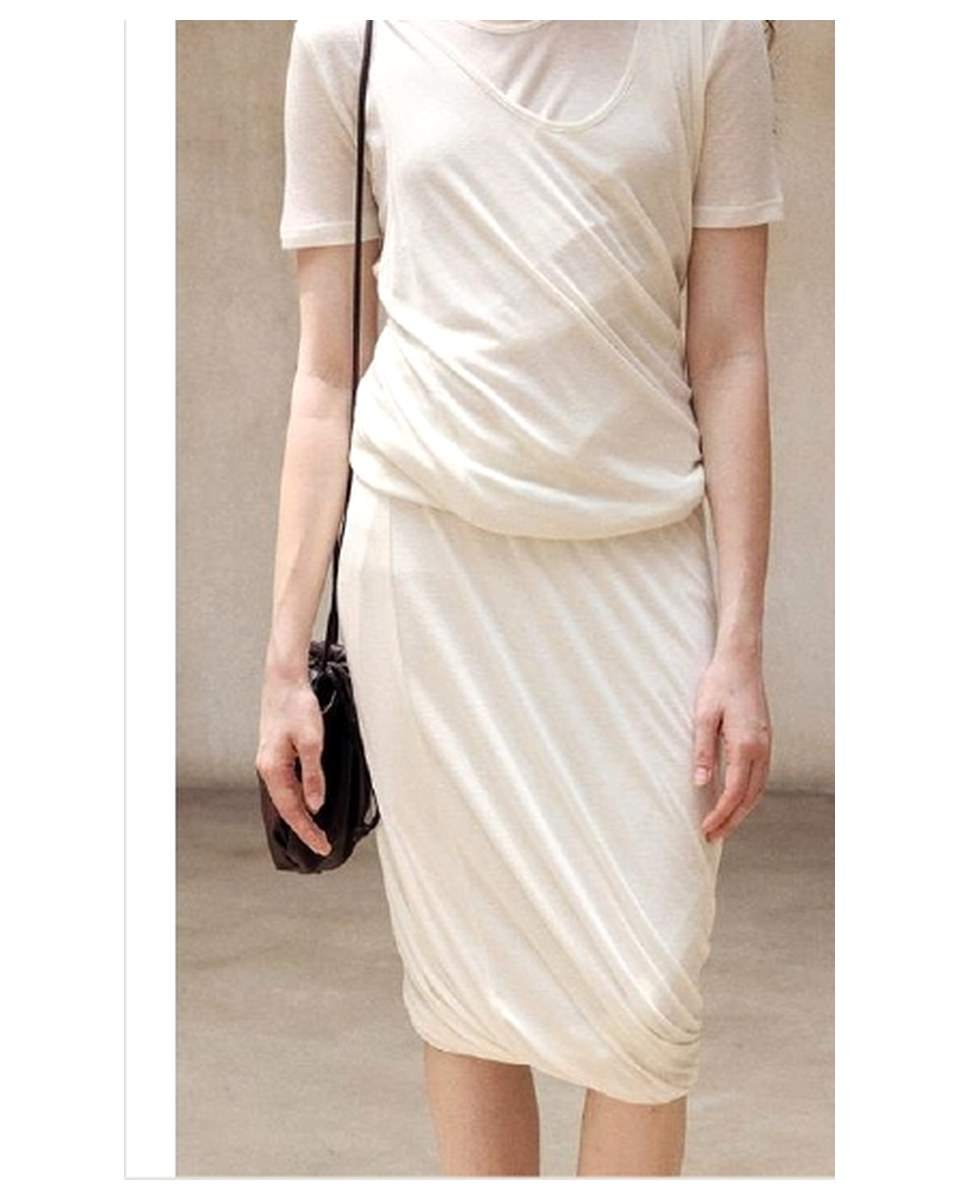
For an enquiry based on the dress collection, identify the actual shell and lining proposed for the custom style. A catalogue image does not establish their composition or certification status. Ask for the material information applicable to the enquiry and avoid attaching a claim to the photograph merely because a visually similar sample used a different material.
Keep fibre composition separate from sourcing attributes
Composition describes what a material is made from. A sourcing attribute describes another characteristic, such as whether an identified input is represented as recycled or organic under a relevant scheme. The buyer should not assume that a composition statement alone demonstrates the sourcing attribute, or that a sourcing document replaces the need for accurate product composition information.
Create separate fields for the material description, composition, supplier reference and proposed sourcing claim. Link the relevant evidence to each field. This makes gaps easier to see: the team may have a fabric specification but lack order-specific sourcing evidence, or have a certification document that does not identify the composition of the selected fabric.
Review any blended material carefully in the context of the intended wording. The presence of an identified certified or recycled input does not automatically justify describing every component of the garment in the same way. Ask the responsible reviewer to confirm the correct scope and presentation rather than deriving a whole-product claim from a single attractive material feature.
Establish the source and status of each document
Record where a document came from and what it is intended to demonstrate. A current supplier-issued specification, a laboratory report, a certification-body document and a sales brochure should not be treated as equivalent forms of evidence. Keep the original document or a controlled copy and note the date received, relevant reference and person responsible for checking it.
Check that the document is complete enough for its purpose. A cropped certificate image may omit the entity, scope, dates or annex needed to interpret it. A report cover may not show the sample description or results. Request the relevant complete record through an appropriate channel, while respecting legitimate confidentiality requirements and avoiding unnecessary distribution of commercial information.
Where authenticity or current status must be verified, use the issuer's appropriate verification route. Do not rely solely on the appearance of a logo, stamp or familiar company name. The review record should state what was checked and what remains unresolved. If access is limited, describe that limitation honestly rather than treating an unreadable or unavailable document as verified.
Read certification scope before using certification language
A certification reference needs to be read in context. Identify the named organisation, the standard or scheme, the covered activities or products, relevant sites and applicable dates. The buyer should understand what the document actually covers before connecting it to the proposed garment or using a logo in artwork.
Textile Exchange's standards information describes certification and chain-of-custody systems for relevant materials. Its framework distinguishes organisation-level scope information from records associated with certified transactions. Buyers should consult the applicable standard and certification body for the documents and conditions relevant to their actual supply chain, rather than treating a supplier's general certification status as proof of every purchase.
Record the conclusion in limited terms. If the check establishes only that a named organisation has a particular scope document, say that. Do not rewrite the conclusion as confirmation that the buyer's finished garment is certified. The next step is to connect the proposed order and claim to the evidence required under the applicable scheme and obtain any necessary review or approval.
Connect evidence to the actual order
The material used for a sample and the material purchased for bulk may not come from the same lot or even the same proposed source unless that continuity is confirmed. Identify the material reference in the approved sample record and the reference planned for bulk. Any change should trigger a review of the claim evidence as well as the garment's technical suitability.
Ask how the relevant order documents connect the material, supplier, quantity and receiving organisation. The required records depend on the claim and certification framework. The operational objective is a traceable relationship that a reviewer can follow, not a collection of certificates with no clear connection to the goods being discussed.
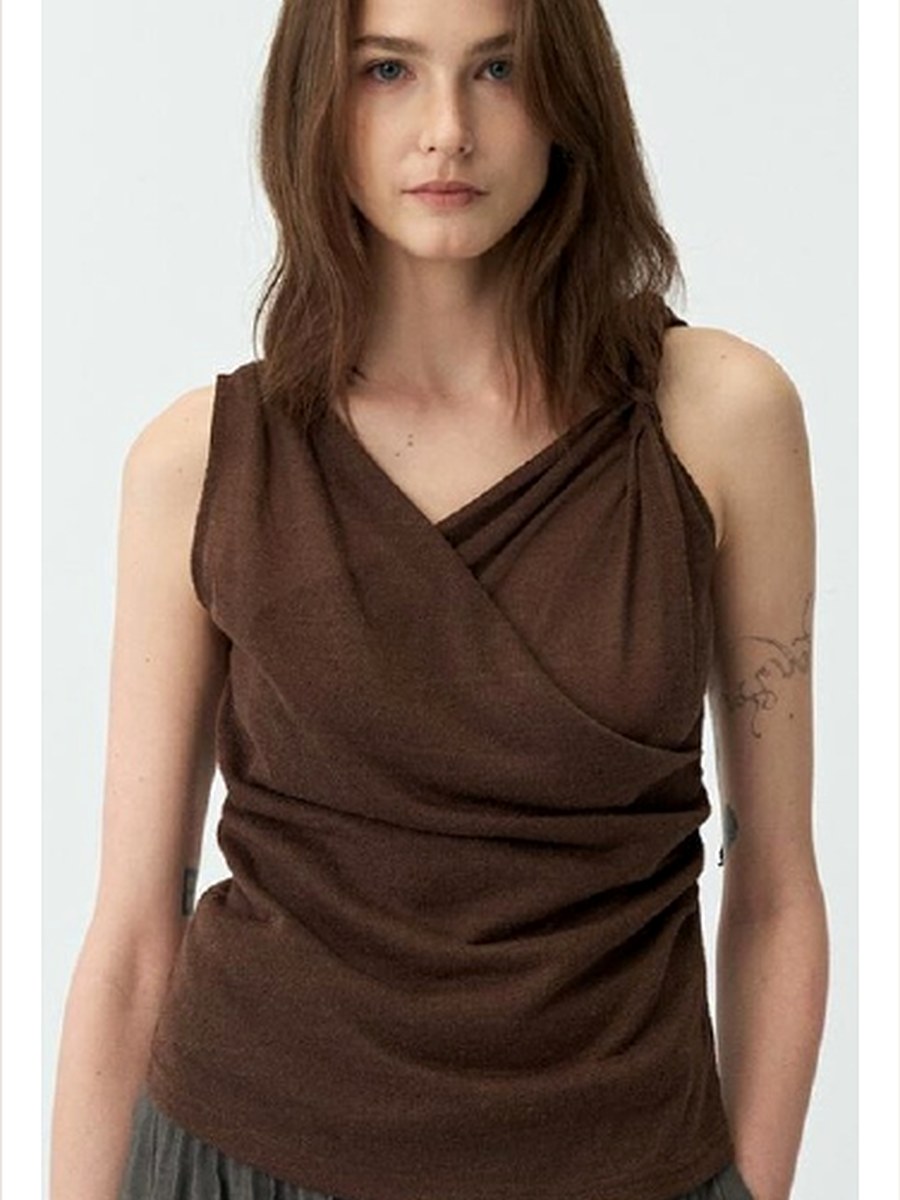
For styles related to the blouse collection, distinguish shared material from visually similar alternatives. Two blouses may use the same approved material reference, while another colour or finish may have a different sourcing record. Confirm the scope before copying a claim across product pages simply because the garments sit beside each other in the range.
Treat recycled and organic claims as different evidence questions
Do not use recycled and organic as interchangeable shortcuts for a preferred material. Start from the characteristic actually being claimed and the applicable evidence route. The brand should identify the relevant input, the intended wording and any scheme it plans to reference, then ask the responsible supplier and certification contacts to confirm what documentation is available for the proposed order.
Keep supplier proposals separate from accepted claim evidence. A quotation may offer an option described as recycled or organic, but the brand still needs to review the supporting information and the conditions attached to using that description. Mark the proposal as an option until the relevant checks are complete, especially where several alternatives are being sampled.
Avoid inferring additional benefits from the material attribute alone. A verified sourcing characteristic does not automatically establish lower water use, lower emissions, improved durability or a particular end-of-life outcome for the finished garment. Each additional statement creates its own evidence question. A narrower, accurate description is more useful than a cluster of attractive claims that the team cannot connect to records.
Review percentages and boundaries before artwork is prepared
If a proposed claim includes a percentage, identify what the percentage measures and which part of the product it describes. The calculation basis should come from the relevant evidence and applicable rules. Do not invent a whole-garment percentage by informally combining fabric weights, supplier descriptions and assumptions about trims.
Ask the technical and claim reviewers to resolve the wording together. The technical record may describe several components, while the intended label has limited space. The final presentation needs to remain accurate without hiding a qualification that changes the meaning. If the short wording cannot communicate the supported scope clearly, revise the claim concept before spending time refining the artwork.
Keep the approved wording linked to the calculation or documentary basis used in the review. If a lining, trim or material percentage later changes, the team should know whether the claim needs to be reopened. A claim approval is a decision about an identified product configuration, not a permanent permission that follows a style number regardless of subsequent changes.
Confirm the rules for logos and public-facing claims
Using a certification mark or a standard's name can involve requirements beyond having a document in the project folder. Review the current rules for the intended claim type and the organisation making it. Do not copy a supplier's logo placement or wording into the brand's artwork and assume that the supplier's permission applies to the brand's use.
Textile Exchange's labeling and standards-claims page explains that eligible claims and approvals depend on its claims framework, with relevant certification-body review for product claims. The buyer should consult the current policy and its certification contacts for the exact proposed wording and artwork. This guide does not confirm eligibility to use any Textile Exchange mark on a Yinshan Fashion order.
Retain the approved artwork and the record of any required approval with the product file. If a logo, claim sentence, product identity or intended use changes, ask whether a new review is needed. The design team should work from that approved reference, while the production team receives an unambiguous version for labels, hangtags or other agreed materials.
Align labels, product pages and sales materials
A claim can change meaning as it moves between teams. The approved label may refer to the shell fabric, while a product-page heading describes the entire garment as certified. A sales presentation may then extend the statement to the whole collection. Review these outputs together so that the scope remains consistent wherever the customer encounters it.
Create a short claim record containing the approved wording, covered products or components, evidence references, qualifications and review owner. Link each published or printed use to that record. The brand does not need to expose confidential supplier documents publicly to maintain an internal connection between its marketing statements and the evidence used to support them.
Include translations in the same process. A translated adjective or shortened headline should not broaden the claim beyond the reviewed meaning. Ask a qualified language reviewer to work from the approved scope and explain any wording that does not transfer directly. Keep the translated version and its review status with the original, rather than treating translation as an unrelated final formatting step.
Keep performance claims on a separate track
Material sourcing evidence and garment performance evidence answer different questions. A claim about recycled content does not establish pilling resistance, colourfastness, stretch recovery or comfort in use. If the product brief includes those outcomes, define them separately and agree the relevant sample evaluation or testing plan with qualified technical parties.
For a programme drawing on the women's knitwear collection, the buyer may need to review shape, handle and care behaviour as well as material provenance. Keep those findings linked to the actual sample and method used. Do not describe an untested knit garment as durable simply because its proposed yarn has an appealing sourcing story.
The same separation helps when an alternative material is proposed. A substitute may satisfy one sourcing objective while behaving differently in the garment, or it may perform acceptably while lacking the desired claim evidence. The buyer should evaluate both dimensions and document the choice. A single positive attribute should not conceal an unresolved requirement that matters to the product.
Build claim review into material and label timing
Claim verification needs to occur before the decision it is meant to support. If the brand waits until labels are printed to ask whether a logo can be used, the review arrives too late to prevent avoidable rework. Identify the evidence needed at material selection, sample review, bulk sourcing and artwork release, then assign an owner to each step.
Use the fabric decisions guide to connect the claim discussion with material identity and approval records. The production calendar should show dependencies without pretending that every document can be obtained on the same schedule. Ask the relevant parties to confirm the expected sequence for the actual programme and record unresolved requirements explicitly.
If evidence is delayed, distinguish the decisions that can still proceed from those that depend on it. The brand might continue reviewing silhouette while withholding a claim-bearing label instruction, subject to the agreed development scope. Do not assume that an outstanding document will eventually support the preferred wording. Keep the fallback product description ready for review if the proposed claim cannot be substantiated.
Handle substitutions and repeat orders as new checks
A material substitution should trigger a review of every claim that depends on the replaced material. Compare the new reference, composition, source and available evidence with the accepted record. A similar colour or handle does not establish the same sourcing characteristic. The buyer should know which claim decisions remain valid and which must be reconsidered before the change is approved.
Repeat orders also need a current check. Confirm the actual material and relevant documentation for the new purchase rather than copying the previous order's evidence without review. Certificates can have defined periods, scopes can change and order-specific records need to relate to the new goods. The appropriate reviewer should determine what remains applicable under the relevant framework.
Record the result in the repeat brief. If the brand intends to retain existing artwork, identify the claim record that supports its continued use. If a claim is removed or revised, make sure the change reaches the label supplier, production team, product-page editor and sales team. Consistent implementation matters as much as the initial verification decision.
Use an evidence gap to make a clear decision
Imagine a buyer considering a blouse fabric described by a supplier as containing a recycled input. The buyer has a material specification and a general certificate, but the proposed bulk order has not yet been connected to the required claim evidence. The useful status is pending verification, with the missing record and responsible contact identified. It is not approved simply because two documents look credible in isolation.
The buyer can continue comparing the fabric's appearance and garment suitability while asking the relevant parties to resolve the documentation question. If the evidence later supports a limited component claim, the wording should reflect that limit. If it does not support the desired statement, the brand must reconsider the wording or material choice rather than publish the original claim and hope to complete the file afterward.
This example is a decision exercise, not a report of a Yinshan Fashion order. It demonstrates how technical development and claim review can proceed in a coordinated way without confusing an option with an accepted fact. The record shows what is known, what remains open and which next action will change the status.
Retain evidence in a form that can be reviewed later
Keep the final claim record with the material and order history. Include the approved wording, relevant artwork, evidence references, review outcome and any conditions or limitations. Use access controls appropriate to the information. A public product claim may rely on internal documents containing commercial details that should not be circulated indiscriminately.
Make the record understandable to someone who did not participate in the original discussion. They should be able to identify the covered product, the evidence relied upon and the reason the wording was accepted. A folder containing many certificates without a decision record may be difficult to interpret when the marketing team changes or a customer asks a specific question months later.
Set a review trigger for meaningful changes, such as a new material, supplier, order scope, claim wording or applicable scheme requirement. Avoid treating an old approval date as permanent assurance. The aim is a maintained relationship between the goods and the statement, with a responsible person who can identify when the record needs attention.
Send Yinshan Fashion a material brief with an evidence request
Before sending the brief, test the proposed claim against the least favourable interpretation a reasonable customer might take from it. If a hangtag sits on a lined dress, will the customer understand that the statement concerns only the identified shell fabric? If a collection banner uses one verified style as its illustration, could the banner imply that all the other styles share that attribute? These questions help the brand find scope problems before they become printed materials.
Use that review to improve the presentation, not to search for wording that obscures missing evidence. A clear component description, a narrower product selection or removal of an unsupported graphic may resolve a communication problem. Where the underlying fact remains uncertain, wording changes alone cannot establish it. Keep the decision open until the responsible reviewer has the relevant information, and record any accepted limitation in the same place as the final text.
The person approving the final presentation should see the complete layout at its intended size. Qualifications that exist only in a working document or become unreadable on the finished hangtag do not help the customer understand the claim's actual scope.
Prepare the garment category, material specification or reference, intended selling markets, quantity context and exact proposed claim. Identify whether the claim concerns a component, a finished product or a broader programme. Include any certification scheme or logo your brand wants to use, together with the review process your organisation expects to follow.
Ask Yinshan Fashion to discuss the available material options and the project-specific information that can be provided. Separate confirmed facts from questions for suppliers, certification bodies or the brand's market advisers. Do not ask for a general guarantee that an undefined product is sustainable or compliant everywhere; request the records needed to assess the particular statement you intend to make.
Use the contact page to share that current brief. The next useful outcome is an evidence plan tied to an identifiable material and order, with clear owners for unresolved checks. Custom and private-label development can then move forward with product information that remains accurate from the sourcing discussion to the finished garment's presentation.
Fashion Material Claims Verification worksheet
Three actions for the next handover
Use fashion material claims verification to connect exact wording, product components, supplier records and approved public presentation.
Start with exact wording
Define the statement and its product scope before selecting a logo or adjective.
Connect records to goods
Distinguish supplier status from evidence for the actual material and order.
Keep all outputs consistent
Align labels, product pages, translations and sales materials with the accepted claim.
Buyer inputs and factory questions
Use this checklist with the current programme. Confirm the actual development scope, commercial terms and evidence needed for each decision.
| Decision area | What the buyer should prepare | What to ask the factory |
|---|---|---|
| Wording | Provide the full sentence and intended layout. | Which product or component does the statement cover? |
| Material | Identify the actual source, composition and order reference. | Which project-specific records can be supplied? |
| Documents | Record issuer, status, scope and relevant references. | What further verification belongs with the certification body or adviser? |
| Artwork | Retain the reviewed wording and any required approval. | Which version may be used on this programme? |
| Changes | Flag substitutions, repeats and revised claims. | Which evidence and presentation checks need reopening? |
Continue the production conversation
Fashion Material Claims Verification: decision worksheet
| Review point | Buyer input | Evidence to review | Decision before progression |
|---|---|---|---|
| Claim | Exact sentence, audience and placement | Complete proposed presentation | What does the customer understand the statement to mean? |
| Scope | Style, component and material identity | Product specification and material records | Does the claim concern a component or the whole product? |
| Evidence | Issuer, document purpose and order connection | Verified relevant records | What fact is established and what remains missing? |
| Approval | Applicable scheme and market review | Accepted wording, artwork and conditions | Is the proposed use eligible and appropriately reviewed? |
| Change | New material, order or wording | Updated evidence and claim record | Which previous approval needs reconsideration? |
Buyer FAQs
Where should fashion material claims verification begin?
Write the exact proposed statement, identify the product or component it covers and list the evidence needed to support that scope.
Does a supplier certificate prove every finished garment is certified?
No. Review the document’s scope and connect the actual material, transaction and product to the applicable requirements.
Are recycled and organic interchangeable claims?
No. Identify the specific attribute and relevant evidence framework for the proposed material and wording.
Does a verified sourcing attribute establish durability or lower environmental impact?
Not automatically. Each additional performance or environmental statement creates a separate evidence question.
Does this guide confirm any Yinshan Fashion certification?
No. It provides a verification workflow and does not establish certification or environmental claims for the company, catalogue or a proposed order.