Article
What should buyers know first?
Short answer: A practical record-control guide for private-label fashion brands preparing EU online product listings, samples and production handoffs.
For a brand preparing EU fashion product traceability for an online launch, the useful question is not “what paperwork can be collected later?” It is “which facts must stay connected while a product moves from sample to product page to bulk order?” A single dress can have a style name, a colour name, a fabric reference, a label layout, a set of product photographs and several language versions. If those parts are not controlled together, a buyer can approve one product while the online team offers another version.
Yinshan Fashion supports custom and private-label bulk programmes rather than unrestricted ready-stock wholesale. That changes the production conversation. The brand owns the product proposition and final market decisions. The factory needs a clear, current brief that connects the approved sample to fibre and component inputs, artwork, packing and the release version. For a private-label brand selling fashion online in the EU, the most helpful time to build that record is before sampling is closed, not after product copy is already scheduled.
This is a production-planning guide, not legal advice or a declaration that every product follows the same rules. EU requirements can depend on the product, sales country, channel and the role of the economic operators. The brand, importer or appointed market operator should confirm the applicable obligations with suitable local advice. The factory record is valuable because it makes that review possible without reconstructing the product from emails.
What should buyers check about the short answer: build one product record before the listing is built?
An online offer needs a stable product identity. In a fashion programme, that identity is more than an internal style number. It joins the style and colourway to the approved construction, the material route, the label and packaging artwork, the relevant product-page assets, and the people allowed to change each item. It tells an online team which image and description belong to a particular version. It tells a factory which order file relates to the approved sample.
The European Commission explains that consumer products offered online are part of the product-safety framework and that online selling carries product-information considerations. Its general guidance is a reason to plan roles and information early, not a reason for a factory to make compliance promises. Textile fibre information is a separate subject: EU textile-labelling rules focus on fibre composition, while other product information may follow other applicable rules. Treat those as linked inputs, not as one generic “EU label.”
| Record area | What the brand should decide | What the factory needs to execute | What must not be assumed | | --- | --- | --- | --- | | Product identity | Style, colourway, size family, revision | A unique reference on sample and bulk files | That a marketing name is enough for production | | Material input | Approved fabric, components and fibre information status | Supplier reference, swatch/lot route and component callouts | That a similar fabric has the same composition | | Online assets | Which copy, images and language versions are approved | A clear boundary between marketing assets and production files | That a product page replaces an order specification | | Market roles | Who is reviewing the selling-market information | Only the approved data needed for labels or packing | That the factory can nominate a responsible party | | Release control | Owner, date and version for each approval | The latest issued technical pack and artwork | That email attachments are automatically current |
Why online launch work often exposes a production-record gap?
A product page is designed to help a shopper choose. A production file is designed to help a team make the correct garment repeatedly. They overlap, but they do not perform the same job. The online page may use a shortened colour description, editorial styling images and benefit-led copy. The production file needs exact material references, component choices, construction notes, measurement points, label placement and packing instructions. Problems begin when a team expects either document to substitute for the other.
For example, a brand may call a shade “stone blue” in its campaign while the factory uses a supplier colour code. Both can be correct, provided the controlled record connects them. A model photograph may show a garment before a pocket depth or hem finish was revised. The record needs to say whether that photograph is a sample reference, an approved selling asset or simply creative direction. When these distinctions are absent, the last person to edit a file can accidentally become the person who changed the product.
This is especially relevant for casual fashion production, where a single silhouette may be offered in several colours, size ranges or fabric options. The objective is not to make the record bureaucratic. It is to make the current decision visible. A lean product record with a stable reference, an owner and a revision date is usually more useful than a large folder that nobody can identify as current.
How should buyers start with a sellable identity, not a folder name?
The first field in a strong record is a reference that remains meaningful across departments. It might combine a style code with a colourway and season or collection reference. The exact naming convention is less important than consistency. The same reference should appear in the product brief, sample comments, material callouts, label artwork, packaging artwork, order documents and the online asset tracker.
Create a simple identity block before detailed development starts. It can include the product category, brand style name, controlled internal code, colourway code, target size range, collection, market or channel, sample revision and current owner. A dress, top or loungewear piece may share a base pattern but need separate product identities once its material, colour or customer-facing information changes. Do not rely on “final-final” filenames; a named revision field is easier to audit.
Yinshan Fashion can use the same identity block while coordinating pattern, fabric, trims and sampling inputs. This helps a small brand because the factory does not need to guess whether a new comment applies to the black colourway, the next sample, or all colourways. It also helps the brand create a handoff that remains usable when ecommerce, design and production are not in the same meeting.
What should buyers check about turn material selections into recordable inputs?
Online copy often begins with a broad fabric expression: soft jersey, satin-look, woven blend or ribbed knit. Production begins with a more exact route. The material record should connect the approved fabric to a supplier reference, colour reference, applicable fibre information supplied or confirmed through the material route, and any components that change the finished product. Lining, elastic, zipper tape, buttons, transfer labels and decorative trims can all affect the controlled version of the garment.
That does not mean a factory should decide legal wording for the brand. It means the brand should avoid drafting product-page or label language from memory. The right workflow is to identify which source supports which field, then let the relevant owner review it. The EU textile-labelling framework is a useful reminder that fibre-composition information needs care. A trade name, a touch description and a fibre composition are not interchangeable fields.
When a fabric is still under development, record it as provisional. When a substitute is considered, give it a separate decision line. This is one reason a fabric and trims planning route should be visible early in a private-label programme. A material substitute can change drape, opacity, stretch, label inputs, photographs and buyer expectations. It deserves an explicit approval rather than a quiet change in a supplier chat.
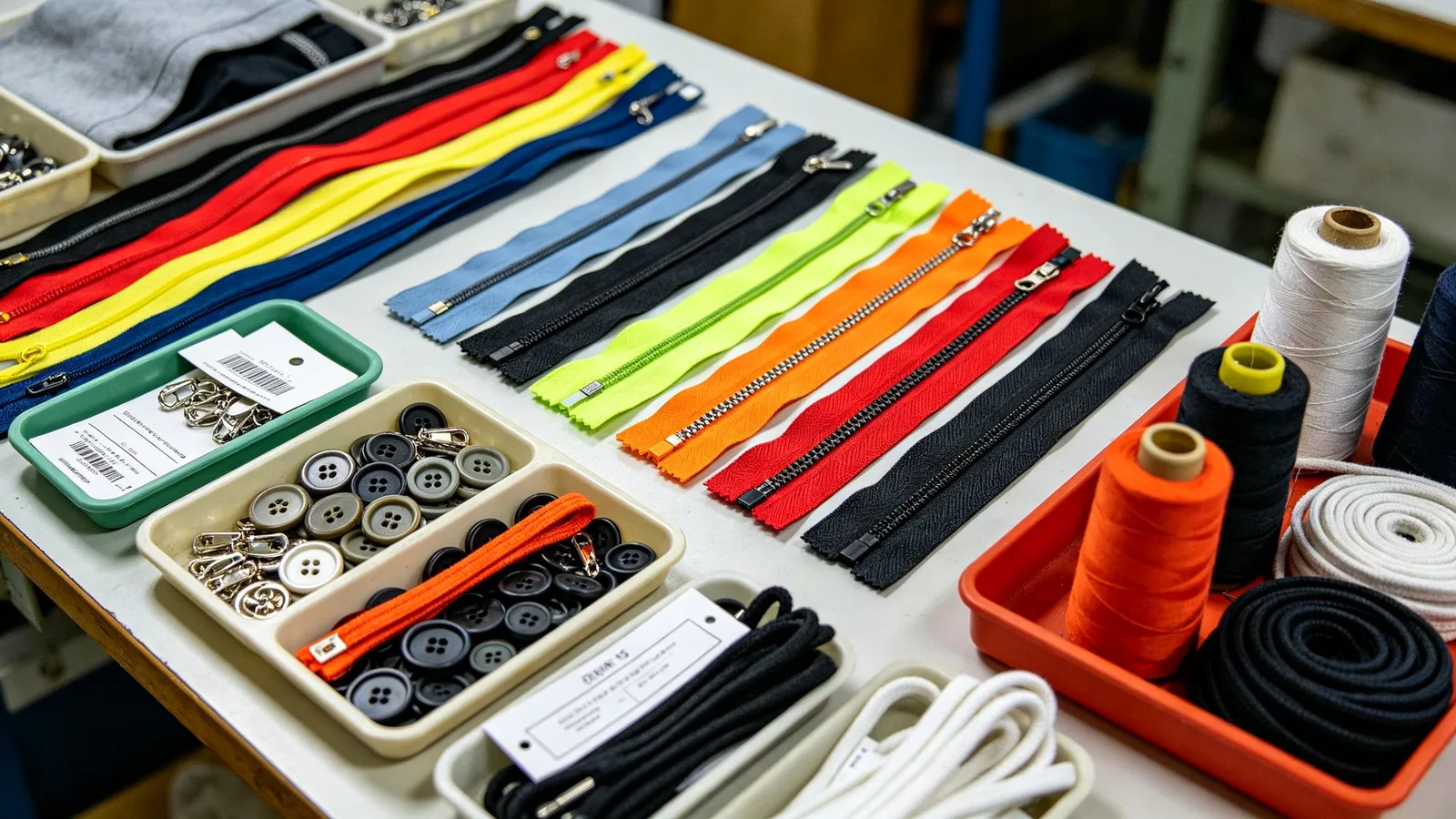
*Components should be tied to the garment version they support; colour or hardware changes should not become invisible after the sample is approved.*
How should buyers keep the online offer and the physical product on the same revision?
The product page should be treated as a controlled output of the product record. It needs its own asset list: approved title, primary image, secondary images, colour names, size guidance source, product description, material wording source, care-information status, warnings or instructions where applicable, selling markets, language versions and page owner. Not every field comes from the factory. That is the point. The record shows which team owns the field and what evidence supports it.
The factory's role is to provide the approved production inputs that the brand needs for its review. For example, a brand may ask for a confirmed fabric reference, care-label layout placement, component specification or final flat measurement sheet. Yinshan Fashion can help organise those production inputs around the sample and bulk brief. The brand or its market specialists decide which consumer-facing information is required and approve it for use.
Avoid importing storefront copy straight into a tech pack. Marketing language can be useful context, but it rarely specifies seam construction, tolerances, packing folds or label placement. In the other direction, a factory's internal fabric code may not be suitable consumer-facing language. Link them with the style identity instead. That protects both creative copy and manufacturing accuracy.
What EU fashion product traceability means in a working production file?
In a factory setting, traceability does not need to begin as a complex software project. It begins by retaining the path from a product identity to its decisions. A workable record should show: what the product is; which approved sample it follows; which material and component references were chosen; which label and packaging files apply; which market or sales-channel inputs are being considered; and who approved each release.
For an online launch, add an asset-to-product map. The map can list the product-page images, image date or sample version, copy version, colour name, language version and the owner who authorised publication. When a change occurs, the team can see what else needs review. A hem adjustment may affect photographs. A fabric change may affect material wording. A new market may require a review of the product information route. The map does not determine legal outcomes; it prevents teams from overlooking the dependent items.
This is where private-label production planning becomes more than adding a neck label. A private-label brand carries a defined market presentation, while the manufacturing team needs a controlled product specification. Connecting those two systems protects the identity of the range without asking a supplier to make decisions that belong to the brand.
What should buyers check about separate market review from factory execution?
EU online sales involve roles beyond manufacturing. A brand may sell directly, use a marketplace, work with an importer, appoint a representative or distribute through retail partners. Those arrangements can affect which information must be reviewed and by whom. A factory should not be presented as the legal decision-maker simply because it provides product and production data.
Set up a roles block with four columns: the information item, the proposed source, the brand or market owner, and the factory's execution action. For instance, the brand may own the final consumer-facing description; a material source may provide fibre inputs; the factory may apply approved label artwork; the market operator may review the information needed for the chosen sales countries. The status can be “open,” “ready for review,” “approved” or “replaced.” That is clearer than a vague “EU compliant” note.
The European Commission's GPSR and distance-selling information provide useful background for this planning. They should prompt a brand to identify its exact route to market and responsible reviewers. They are not a checklist that makes every fashion product identical. Where a product carries a particular risk, age group, component, instruction or claim, the review may need deeper specialist input.
What should buyers check about make label, packaging and listing artwork release-controlled?
Artwork files are often the last place a mismatch appears. A brand may approve an online image before the care label is final. A packer may receive a revised polybag sticker while the store still uses the old size naming. The right response is not more email. It is a release gate that lists the product identity, file name, version, owner, date and purpose.
Keep at least four separate statuses: working draft, sample review, bulk-approved and online-approved. A file can be ready for one purpose but not another. A size chart uploaded to a storefront may be based on an earlier sample. A barcode file can be approved for packing but not for a different colourway. The status prevents a file from travelling further than its approval permits.
For labels and packaging, the factory needs only the current approved artwork and clear placement or packing instructions. For the online listing, the ecommerce owner needs the final consumer-facing assets. Both should connect back to the same style identity. The manufacturing process benefits from this separation because the production team can execute a specific issued version rather than interpreting a mixture of drafts.
What should buyers check about a pre-launch record table a small brand can actually maintain?
Small teams do not need a new platform to apply this system. A shared controlled sheet or project system can work if it has a single owner, a clear version convention and an archive location. The following fields are a practical minimum for a fashion range about to move online.
| Field | Example of a useful entry | Owner to identify | Review trigger | | --- | --- | --- | --- | | Product reference | SS26-DRESS-014 / Ocean / Rev C | Brand product owner | Any pattern, colour or material change | | Approved sample link | Dated photo set plus comment log | Development lead | Before images or bulk instructions are used | | Fabric and component route | Supplier codes, swatches, trim references | Sourcing owner | Substitute, colour or component change | | Online asset status | Primary image, copy and language versions | Ecommerce owner | New market, reshoot or product description update | | Label and pack files | File name, version, placement and packing use | Brand operations owner | Artwork, language or channel update | | Market-review status | Named reviewer and scope of review | Brand/importer/market operator | Before offer goes live | | Bulk release | PO or production brief version | Production owner | Before cutting, packing or dispatch instruction |
The record should contain links, not huge duplicate files. It should make the current version easy to locate and preserve the older version for context. A supplier does not need access to unrelated commercial data; the factory needs the approved production details. Conversely, the ecommerce team should not need to interpret internal construction shorthand without an agreed translation into consumer-facing content.
How to use sample approval as the first online-content checkpoint?
Many brands schedule photography only after a sample looks close to final. That is sensible, but it is still a checkpoint. Before a sample is used for product-page photography or copy decisions, compare it against the product record. Is the fabric the planned production material or a development substitute? Are the labels placeholders? Is the size the approved fit reference? Does the colourway represent the final production route? If the answer is no, label the asset as provisional.
This does not mean delaying every creative activity. It means stating what the asset represents. A mood image can be approved for campaign use while a flat lay waits for the bulk-ready sample. A fit image can be used with a note that size guidance is pending review. The product team can set that policy; the record keeps it visible.
Yinshan Fashion's sampling and production coordination work can help keep sample comments, pattern adjustments, material confirmations and order files in sequence. The factory is most effective when a buyer's approval route is stated clearly. That is particularly important for small batches, where one late correction can affect a larger share of the order and where each change needs a visible decision owner.
What should buyers check about product photos need a version, not just a filename?
Photographs influence buyer expectations about colour, length, fit, texture and components. They should therefore be connected to the sample or approved garment they portray. Record the style reference, colourway, sample revision, shoot date, image owner and whether the image is approved for product-page use. If the garment changes after the shoot, the team can decide whether the image still represents the saleable product.
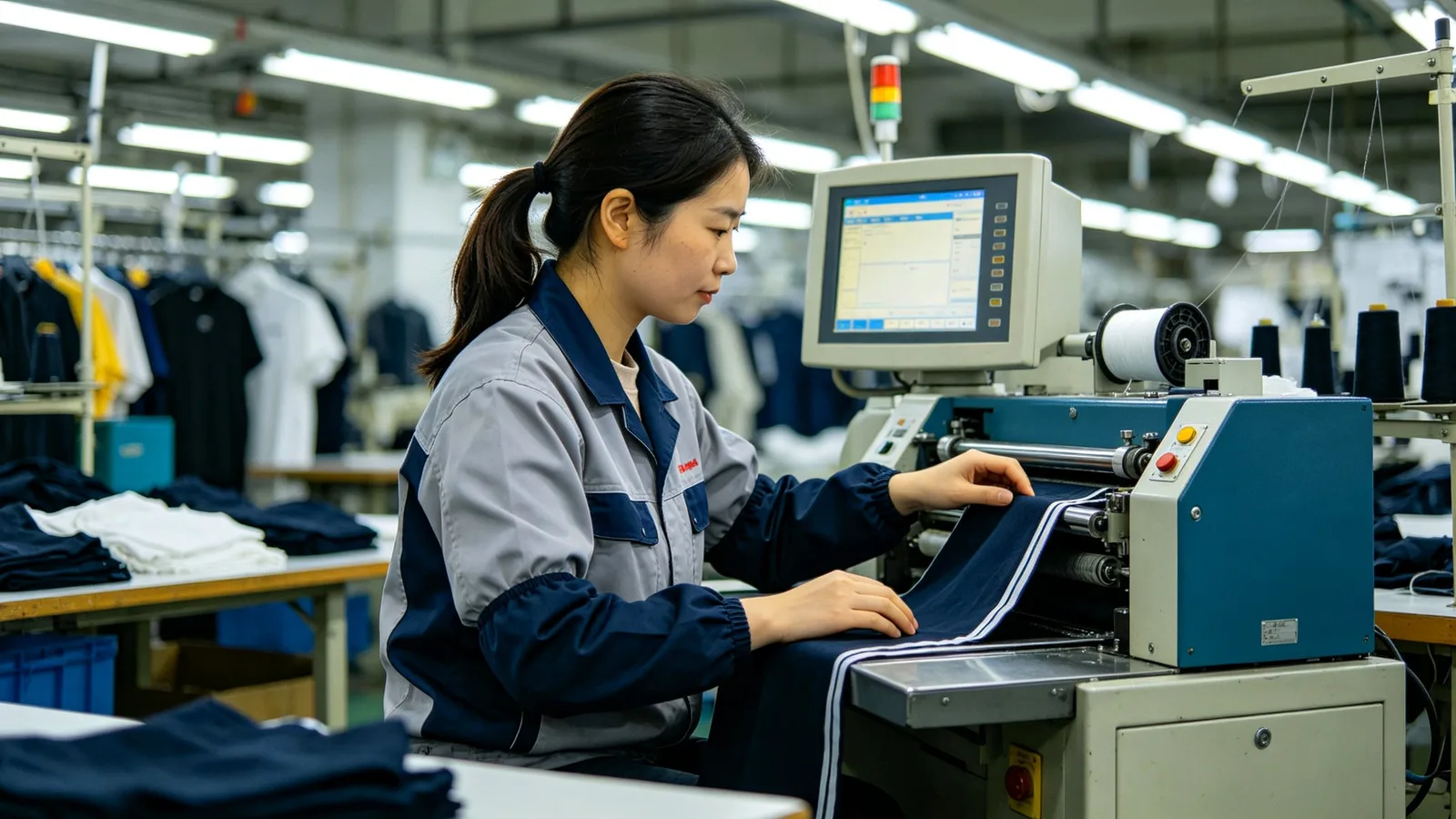
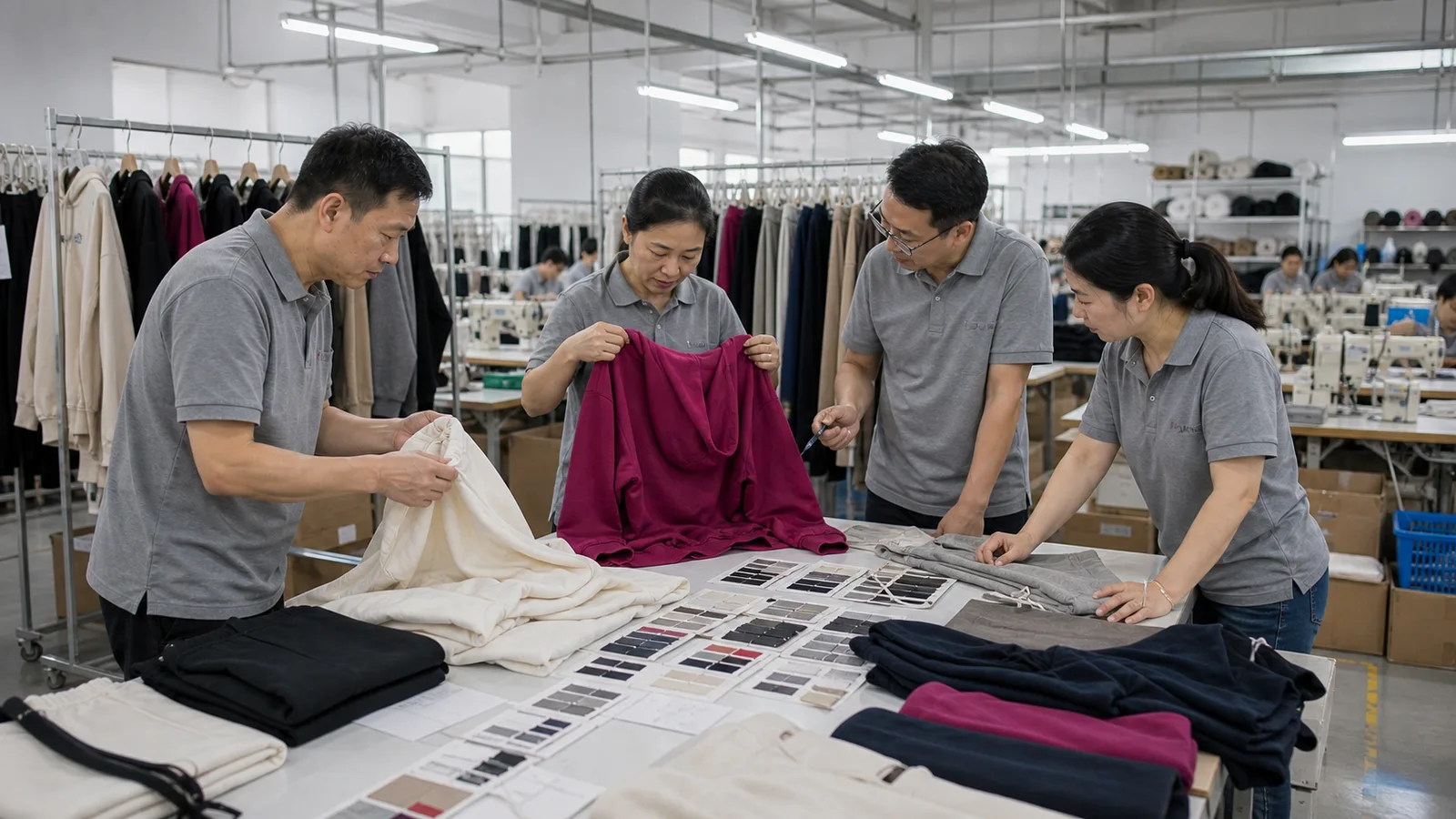
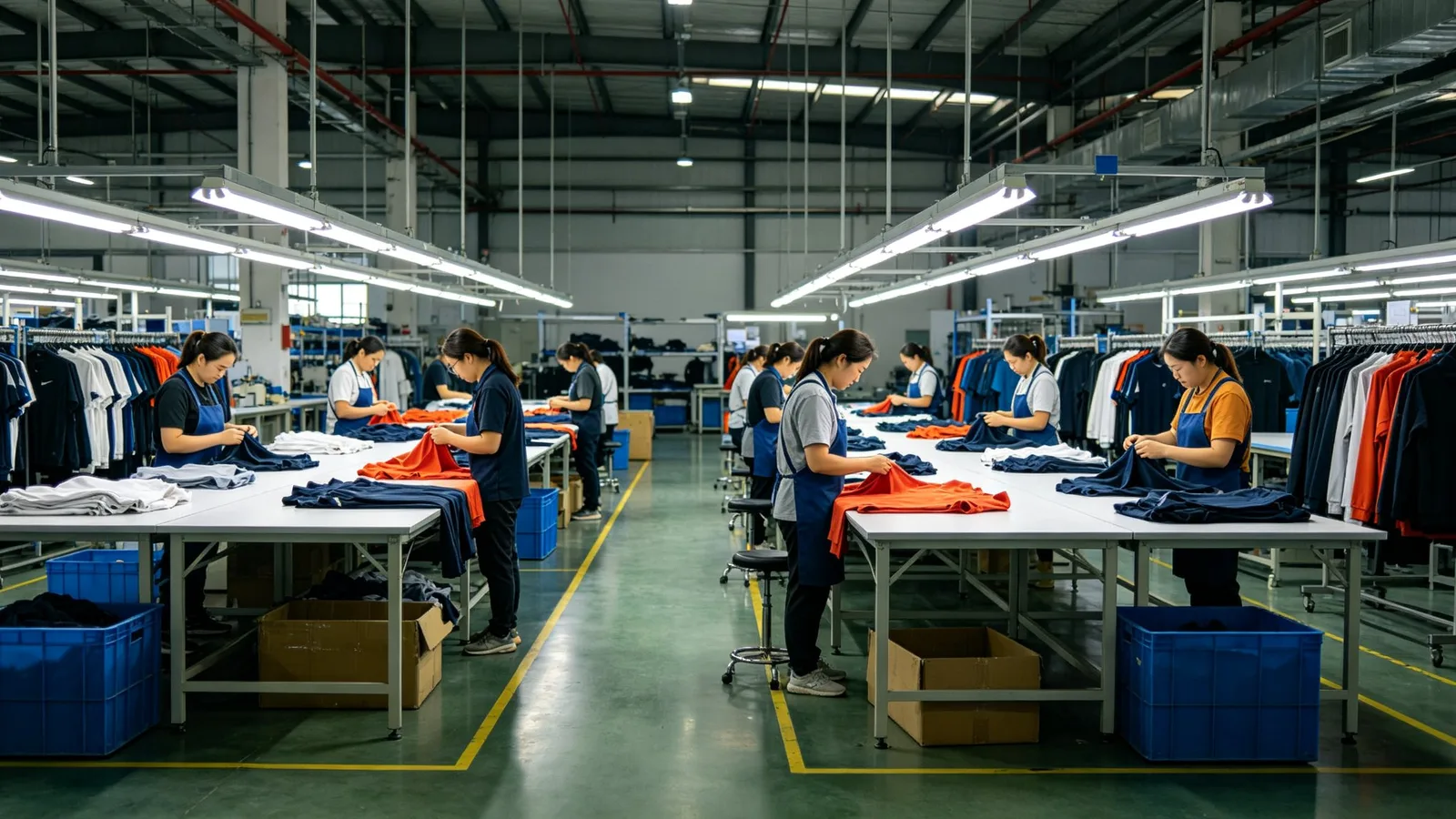
Do not make a factory image look like evidence of a legal claim. Do not show client documents, unidentified customer brands or confidential order papers in production content. Use real supplied imagery carefully and remove it from the editorial plan if it reveals information the brand has not approved. For this article, the supplied Yinshan visuals are used only to illustrate component, pattern and quality-review decisions; they do not demonstrate a specific customer's product or online listing.
How should buyers plan the handoff from ecommerce to bulk without turning it into a legal checklist?
The last pre-launch step is a controlled handoff. The ecommerce team should confirm what it intends to offer. The product team should confirm which sample and material route are current. The operations team should confirm the label, packaging and channel details that belong to the order. The factory should receive only the approved production brief, with version and date. If a market review is open, it should be visible as open, not silently replaced with an assumption.
This approach makes the work more practical for a buyer comparing a supplier, manufacturer or factory partner. The value is not a generic claim of compliance. It is the ability to turn decisions into a file that can be quoted, sampled, approved and produced. A factory network can support different categories and materials, but each partner still needs the same controlled instruction. Yinshan Fashion coordinates that handoff across custom womenswear, fashion tops, dresses, loungewear and active-fashion programmes according to the actual brief.
What should buyers check about buyer checklist before an EU fashion listing goes live?
- Confirm that every sellable colourway and size family has a stable product reference.
- Record which sample or approved garment each primary product image represents.
- Keep the material and component sources connected to the version being sold.
- Separate working marketing copy from the approved product-page version.
- Name the brand, importer or market operator responsible for reviewing the exact sales route.
- Confirm label and packaging artwork status without treating a draft as bulk approval.
- Give the factory a dated production brief rather than a folder of mixed files.
- Retain the previous version when an asset, component or market input changes.
What should buyers check about factory checklist before production-controlled files are issued?
- Check that the brief has a style, colourway, size and revision reference.
- Match the approved fabric and component references to the sample route.
- Keep label, packing and hangtag artwork separate from non-production marketing assets.
- Ask the buyer to resolve ambiguous language, missing placement notes or conflicting versions.
- Record when a replacement fabric, trim or label file requires new approval.
- Use the approved order file for execution, not an unconfirmed product-page screenshot.
- Protect customer information when sharing images or working documents.
- Return production facts to the brand without making market or legal determinations on its behalf.
What Yinshan Fashion can contribute to the record-control process?
Yinshan Fashion helps brands translate a concept into a production-ready brief: fabric and trim options, fit and pattern discussion, sample feedback, label placement, packing inputs and version-controlled production communication. For an EU online launch, that means supplying and organising the manufacturing inputs a brand needs for its own review. It does not mean assuming the role of the brand, importer, marketplace or local adviser.
If your range includes dresses, tops, loungewear or active-fashion product development, begin with the product identity and approved sample route. Then assemble the material, component, packaging and online-asset inputs around it. This creates a more useful conversation with a supplier because each question has a clear place in the project rather than arriving after the bulk brief is released.
What questions do buyers ask most often?
What is EU fashion product traceability for an online brand?
For this planning purpose, it is the ability to connect a sellable style and version with its approved sample, material and component references, label and packaging files, online assets, owners and release history. It is not a substitute for the brand's market-specific legal review.
Does an ecommerce product page replace a factory tech pack?
No. A product page may describe the garment for a shopper, while a factory tech pack or production brief specifies what must be made. They should share a controlled identity, but each document serves a different user and decision.
When should material wording be approved for an EU online listing?
Start the material record during development and confirm the source and revision before consumer-facing wording is finalised. The brand or relevant market reviewer should decide the final presentation and applicability; the factory should work from the approved production inputs.
Who should approve responsible-party or market information?
That depends on the brand's selling route and operator roles. The brand, importer or appointed market operator should identify the appropriate reviewer. Yinshan Fashion can organise factory-provided product data but should not invent or approve another party's legal role.
Can one approved sample support every colourway and online image?
Sometimes a base sample supports a family of products, but the record should state what it represents. A colour, fabric, trim, fit or construction change may require a separate sample or asset review. Do not assume that one photograph remains accurate after a product revision.
What should buyers check about turn your online launch plan into a production brief?
Before requesting a bulk quote, send Yinshan Fashion the target EU sales countries and channels, product category, style and colourway references, material and component direction, approved sample status, online asset timetable, label and packaging files, known open reviews, quantities and decision owners. Yinshan Fashion can help turn those inputs into a clearer sampling and manufacturing handoff for a custom private-label programme.
For a related foundation, read our guide to international private-label clothing production, then see how production records move from approved sample to order file. When your team is ready to align the next release, contact Yinshan Fashion with the current product brief and version history.

EU online-listing record-control kit
Three controls that keep the online offer aligned with the approved product
Use one controlled identity, one asset set and one release gate. They turn a sample decision into material a brand can review before a listing or a bulk instruction changes.
01. Freeze one sellable identity
Give every colourway and size family a stable style reference. The listing, sample comments, label artwork and packing instruction should point back to it.
02. Match product-page assets to the sample
Record which images, dimensions, fibre wording, warning or care inputs and language versions are still provisional. Do not let a draft asset become a bulk instruction by accident.
03. Release by owner and version
Use a short owner-and-date gate before the product page, label artwork or purchase order is issued. The brand or market operator owns the final market decision.
Buyer and factory pre-launch handoff
Use this short handoff before a product page, label file or bulk instruction is treated as current. The brand or relevant market operator owns the final market decision.
| Decision area | What the buyer should prepare | What to ask the factory |
|---|---|---|
| Style identity | Confirm style, colourway, size range and revision reference | Use the same identity in the listing, sample file, labels and bulk order |
| Materials | Confirm fibre and component inputs from the approved material route | Keep the supplier material reference with the style record |
| Online assets | Confirm which copy, images and translations are approved for sale | Separate marketing draft files from production-controlled files |
| Responsible roles | Provide the relevant brand or market-operator information for review | Do not invent responsibility details or print unapproved data |
| Labels and packaging | Approve artwork, placement, language and version | Match the issued artwork to the current order version |
| Change control | Name who may approve changes after sample sign-off | Stop mixed revisions from moving into cutting or packing |
Continue the production conversation
Buyer FAQs
What is EU fashion product traceability for an online brand?
It is a controlled connection between the sellable style, approved sample, materials, components, label and packaging files, online assets, owners and release history. It supports planning and does not replace market-specific legal review.
Does an ecommerce product page replace a factory tech pack?
No. The product page supports shopper decisions, while the tech pack or production brief supports manufacturing. They should point to the same current product identity.
When should material wording be approved for an EU online listing?
Begin the material record during development and confirm its source and revision before consumer-facing wording is finalised. The brand or relevant market reviewer owns the final decision.
Who approves responsible-party or market information?
The brand, importer or appointed market operator should identify the suitable reviewer for the selling route. The factory can organise approved production inputs but should not invent legal roles.
Can one sample support every colourway and product image?
Only when the record states that it represents the exact product version. Material, colour, trim, fit or construction changes may need a separate sample or asset review.