Article
What should buyers know first?
Short answer: Plan embellished party dress production through component records, placement, garment trials, fit review and agreed quality evidence.
Embellished party dress production needs a clear relationship between the visual design, the decoration method and the garment that will carry it. A reference photograph may show an attractive surface without explaining the component, placement, attachment or internal finish. Buyers should resolve those details through an identified development brief and sample review before treating the design as ready for bulk production.
For an enquiry with Yinshan Fashion, share the proposed dress, decoration references, intended wearer, quantity context and sample objective. Yinshan Fashion handles custom and private-label bulk programmes. This guide does not confirm that a particular handwork technique, component, testing method or production capacity is available; the feasible scope and commercial basis must be assessed for the actual project.
The buyer's aim is to define what the accepted dress should look like and how the relevant construction and quality questions will be checked. Keep visual acceptance, fit review, component information and any required testing distinct, then connect them in a release record that the production team can follow.
Embellished party dress production starts with the garment brief
Describe the dress before focusing on its decoration. Identify the silhouette, length, neckline, sleeves, lining, closures and intended fit. A decoration concept cannot be assessed properly if the underlying garment remains an undefined shape. The buyer should explain which elements are fixed and which may be adjusted during development.
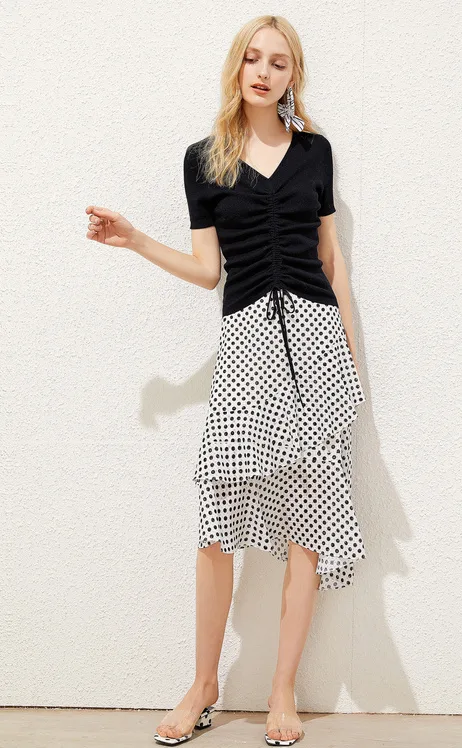
Use the dress collection to frame the garment category and the features relevant to the enquiry. Supply the brand's current drawing or technical instructions for the proposed style. A catalogue image is a reference for discussion, not proof that a particular decorated version has already been developed or is available as ready stock.
State the intended use and customer context without assuming that every party dress has the same priorities. The buyer may need a specific visual effect, movement range, level of coverage or packing presentation. Identify those requirements early so that the technical team can assess the decoration in relation to the garment rather than as an isolated artwork exercise.
Define the decoration method rather than only the appearance
Identify the proposed components and method as precisely as the available information allows. Beads, sequins, embroidery, applied motifs and other decorative elements may look similar in a photograph while requiring different development work. If the method is unknown, mark it as a question for technical assessment instead of naming a process from visual guesswork.
Provide clear references showing the desired effect at both garment and detail level. Explain which features matter: spacing, density, scale, surface contrast or a particular motif. Avoid sending several conflicting images without indicating the preferred direction. The factory needs to know whether the buyer wants to assess alternatives or reproduce one defined design within the agreed permissions.
Ask the technical team to confirm the feasible method and sample route for the actual fabric and components. The response should identify what can be assessed from a small trial and what requires a garment sample. Do not treat an attractive reference as a commitment that any technique can be reproduced at any quantity or price.
Create a component record for the proposed decoration
Give each decorative component an identifier and record the available supplier description, dimensions, colour, finish and material information. Mark any field that still requires confirmation. A phrase such as silver bead can cover many different appearances and constructions, so the production team needs a more specific accepted reference.
Keep physical samples connected to their records. If several alternatives are reviewed, label them clearly and retain the buyer's decision for each. The team should be able to identify the exact component accepted for the next trial without relying on a photograph whose scale or colour may be uncertain.
Ask for relevant information about availability and consistency for the proposed programme. This guide does not promise that a component selected during sampling will automatically be available for bulk or repeat orders. The buyer and factory should confirm the sourcing route and agree how any proposed substitution will be reviewed before it is used.
Map placement onto the actual garment
Provide placement references that connect the decoration with the garment's seams, edges and measurement points. A motif floating on a mood board does not tell the production team where it begins or ends on the dress. Identify the pattern pieces or garment areas involved and the dimensions needed to interpret the design.
Distinguish a fixed motif from an all-over or repeated arrangement. The buyer should explain which visual relationships must remain consistent and which areas allow an agreed variation. If the intended effect depends on alignment across seams or around a closure, make that relationship visible in the drawing and sample objective.
Review placement on the garment sample from the relevant views. A decoration may appear balanced in a flat drawing but need adjustment when assessed on the intended shape. Record the accepted position with a current reference, and keep any revised artwork or placement file linked to the same garment and pattern version.
Decide how the decoration changes across sizes
The size range needs its own decoration plan. Ask whether the motif dimensions, placement points, density or coverage will remain fixed or change across sizes. Neither approach should be assumed without considering the design and garment. The technical team should assess the proposed rule and identify which samples or visual references are needed for review.
Use the plus size dress development guide as a related framework for keeping fit and size-range evidence separate from a single base-size acceptance. A decoration approved on one sample does not automatically establish the desired appearance across every size. Record which sizes and configurations the current review covers.
Keep the size rule understandable to production. If the buyer wants a specific relationship between a motif and a neckline or waist seam, describe that relationship and confirm how it will be applied. Avoid a vague instruction to scale proportionally unless the relevant pattern and artwork teams have agreed what that means for the actual style.
Review the base fabric and support as a complete assembly
Identify the shell fabric, any support material and the lining proposed for the decorated area. The buyer should ask the technical team to assess the actual combination rather than assume that a decoration accepted on one backing will produce the same result on another fabric. Keep the component references in the trial record.
Observe the assembly in the configuration relevant to the dress. The team may need to review broad decorated panels, local motifs, seam areas or another feature central to the design. State the question being assessed and record the outcome without presenting a small visual trial as proof of every garment performance requirement.
If support or construction changes are proposed, document the reason and the revised combination. The buyer should understand which appearance or technical issue the change is intended to address and which related checks need to be repeated. An accepted decoration should be tied to the assembly that was actually reviewed, not only to a component name.
Use a decoration trial to narrow the first decision
A targeted trial can help compare scale, spacing, component choices or local construction before the buyer commissions a complete sample. Agree what the trial will demonstrate, its material basis and how it will be identified. Keep the scope explicit so that acceptance of the trial does not become an unintended release of the whole dress.
Ask the reviewer to record specific observations. If the effect is too dense, identify the area and explain the desired change. If the colour relationship is wrong, refer to the agreed physical references. Comments based on a general impression of luxury are difficult to translate into a controlled revision without a more concrete visual objective.
Retain the accepted trial or an agreed record of it alongside the next sample brief. If the full garment uses a different material or component, identify that change and assess whether the earlier trial remains relevant. The value of the trial is the decision it supports, not the existence of another sample in the folder.
Assess attachment and internal finish through the right review
The buyer should identify the questions that matter about attachment, edges and the inside of the decorated area. Ask the technical team to propose the relevant construction review and any necessary testing for the intended garment and market. This guide does not specify a universal attachment strength, test method or acceptance threshold.
Inspect the internal finish as well as the outward appearance. The sample record should show the areas that may interact with the wearer, lining or adjacent fabric. If a concern is observed, describe it accurately and ask for a technical assessment. Do not assume that a photograph of the exterior establishes the suitability of hidden construction.
Where a formal test is required, agree the method, sample, scope and acceptance criteria with qualified parties before interpreting a result. Keep the report linked to the relevant component and assembly. A test on one material or attachment should not be described as certifying every decorated style in the range.
Check fit and movement on the completed sample
The decorated garment should be assessed against the current fit and measurement brief. Identify the sample size, intended wearer basis and the movements relevant to the style's use. The buyer should record observations about the actual sample rather than assume that an undecorated fit approval resolves every question about the finished assembly.
Review the garment from the necessary front, side and back views, with appropriate consent and privacy for any person involved. Keep the decoration visible enough to assess its relationship with the silhouette and construction. A fitting photograph should be a technical record, not an opportunity to hide an unresolved feature through a favourable pose.
Separate fit comments from decoration-placement comments where possible. If a motif appears displaced because the garment fit is unresolved, ask the technical team to assess the sequence of corrections. Changing both placement and pattern without a clear record can make the next sample harder to interpret and may reopen a visual decision that was not the original cause of the issue.
Consider layering and contact with other garments
A party dress may be worn with a jacket, wrap or other garment. If that relationship matters to the product brief, identify the intended combination and the questions the buyer wants assessed. Do not claim compatibility with every accessory or fabric from a limited sample review. Use the actual intended context to guide a proportionate evaluation.
The women's knitwear collection can provide a separate category reference when the brand is planning a coordinated layer. Specify the particular silhouette and material relationship under consideration. The existence of two product categories on the website does not establish that an untested decorated dress and knit layer have been approved as a set.
Record any observations from the agreed combination and route concerns to the technical team. If the brand changes the accompanying garment, consider whether the earlier review remains relevant. This keeps the collection discussion practical without extending a single sample's acceptance to every possible way a customer might style the dress.
Confirm care evaluation for the finished configuration
Care information needs to consider the dress as an assembly, including shell, lining, decoration and other components. Ask the responsible technical parties to identify the evaluation needed for the actual style and proposed care direction. A fibre description or a component supplier's general statement should not be treated as complete evidence for the finished garment.
Where a care-related assessment is performed, record the sample configuration, method and observed results. Distinguish informal development observations from formal testing. If a component or attachment changes afterward, ask whether the previous evidence still applies. The buyer should understand the scope of the result before approving consumer-facing wording.
Do not use care text as a substitute for resolving a known construction issue. The technical team should assess the observed problem and propose an appropriate next action. The resulting label information should reflect the accepted product and relevant review, with language and market requirements handled by the responsible qualified reviewers.
Keep visual inspection criteria concrete
Prepare a visual reference for the accepted decoration, including the relevant component, placement and finish. Identify the features the production team should compare, such as motif completeness, agreed spacing, orientation and the treatment of defined edges. The criteria should describe the actual style rather than use a generic statement that workmanship must be perfect.
Discuss the handling of visible differences with the factory. Where a process permits an agreed variation, define that variation through appropriate examples and records. Where a feature is critical to the design, identify it clearly. This guide does not prescribe numerical tolerances or inspection sampling levels; those must be agreed for the actual programme and requirement.
Keep the accepted reference available to the people performing the check. A low-resolution image sent through several message chains may not preserve the detail needed for comparison. Use the agreed physical or digital reference and record its revision so that the inspection discussion is based on the same intended result as the buyer's approval.
Plan packing around the accepted garment
Packing should be considered before the final handover, especially when the decoration creates specific presentation or protection questions. Ask the technical and packing teams to propose a suitable arrangement for the actual dress and route. The buyer should review the relevant sample or evidence rather than assume that a standard fold or bag will suit every decorated style.
Describe the receiving channel and presentation expectations. A retailer allocation, a fulfilment-centre delivery and a sample sent for photography may involve different handling needs. Use the casual fashion range only as category context; the actual packing instruction must identify the custom garment and its agreed requirements.
Record the accepted folding or hanging arrangement, protection components and any other relevant instructions. If packing materials change, ask whether a further review is needed. Avoid unsupported claims that a particular bag or insert guarantees protection under every transport condition. The decision should be tied to the evidence and route assessed.
Connect the decoration plan with quantities and timing
Provide the style, colour and size distribution needed for a meaningful commercial assessment. The factory must understand which decoration variants belong to each garment and whether the buyer is still choosing between alternatives. An overall quantity without a variant matrix may leave important development and sourcing assumptions unresolved.
Ask the factory to confirm the proposed method, component sourcing, sample sequence and commercial implications for the actual enquiry. Do not assume a fixed minimum, price or lead time from the appearance of a reference image. If the buyer has a launch target, explain the decision deadlines and request a feasible project-specific plan.
Keep changes visible in that plan. A revised motif, new component colour or additional decorated area may affect the work already assessed. Ask for the implications before treating the change as included in the earlier quotation or schedule. A clear change record helps the buyer choose knowingly between the design benefit and the confirmed consequences.
Handle defects and rework through a defined decision route
Agree how observations will be reported and who will decide the next action. A useful report identifies the garment or sample, location, issue, photograph where appropriate and the reference used for comparison. Avoid messages that describe an entire order as defective without defining the observed scope or the basis of the judgement.
Ask the technical team to assess any proposed rework on the actual construction. The buyer should understand what the correction involves and which checks will follow it. Do not assume that removing or replacing decoration leaves the underlying garment unchanged, and do not authorise an undefined repair simply because the outward issue appears small.
Record the accepted disposition and the evidence of the follow-up review. If the proposed action changes the approved configuration, update the relevant references. The purpose is a traceable resolution that the commercial and production teams can understand, with unresolved questions kept visible rather than hidden by a broad statement that the issue has been handled.
Test the process with a neckline-decoration example
Imagine a dress with a defined decorative neckline. The buyer supplies the silhouette, component references and placement drawing, and the technical team proposes a targeted trial. The trial resolves the preferred component and spacing, but the completed sample is still needed to assess the neckline's relationship with fit, lining and the inside finish.
During garment review, the buyer accepts the visual direction but requests a specific construction assessment in one area. The team records the issue, proposes a revision and reviews the changed sample against the same accepted placement reference. The release then identifies the final component, pattern, construction and sample configuration rather than relying on the first attractive trial alone.
This is a planning example, not evidence of a completed Yinshan Fashion embellished-dress project. It shows how several limited decisions can combine into a clear approval record. The buyer can trace the accepted result back to the evidence and identify which part needs review if a component or garment detail later changes.
Prepare a focused embellished-dress enquiry
Before releasing the reference package, review how the decoration has been photographed. A close-up under one light can emphasise surface effects that are less visible in the complete garment view. Keep the lighting and camera context clear enough that the buyer and factory are discussing the same intended appearance. If an effect matters specifically in a particular setting, describe that setting and agree how the sample will be evaluated there.
Retain an unambiguous overall view as well as the detail photographs. The production team needs to see where the decoration sits within the dress, while the buyer needs enough detail to compare components and spacing. Avoid retouching that removes construction features or makes the sample appear more consistent than it is. The images are evidence for development, so their value depends on representing the reviewed sample accurately.
Confirm the permission to use any third-party reference before including it in a public article or marketing package. A reference supplied privately to explain a technique is not automatically cleared for publication. For the manufacturing enquiry, identify the brand's own design direction and keep inspiration material separate from the artwork the factory is actually authorised to use.
Send the garment drawing, decoration references, material direction, intended wearer, size range and quantity matrix. Identify the method if known, mark uncertainties and explain the next decision you need the sample to support. Include any relevant care, market or testing requirements that your qualified reviewers have established for the product.
Ask Yinshan Fashion to assess the feasible scope and propose the appropriate development route. Confirm which techniques, components and evaluations are available for the actual enquiry before describing them as part of the programme. Keep the commercial and technical responses connected to one current brief so that later changes can be assessed against an identifiable starting point.
Use the contact page to discuss the custom or private-label project. The next useful output is a specific sample and review plan that connects appearance, construction, fit and quality evidence. That gives embellished party dress production a practical foundation without relying on unverified capability claims or a reference photograph as the entire specification.
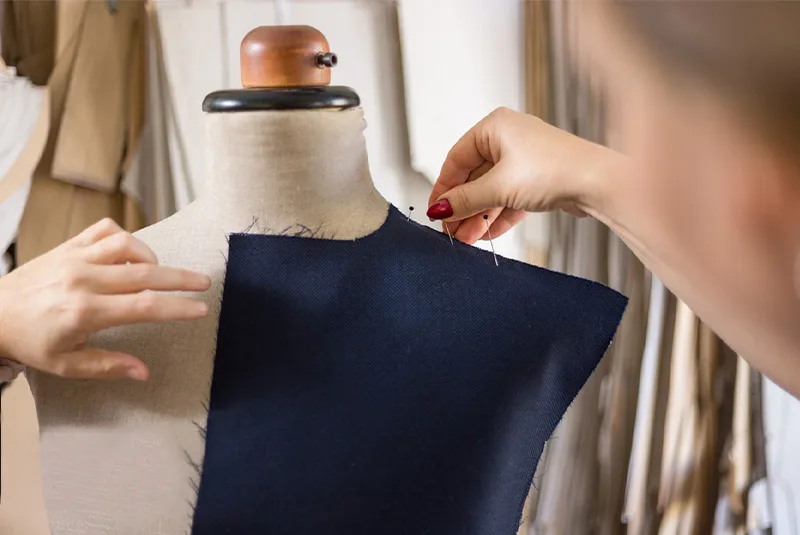
Embellished Party Dress Production worksheet
Three actions for the next handover
Plan embellished party dress production through component records, placement, garment trials, fit review and agreed quality evidence.
Identify the assembly
Connect decoration with the shell, support and lining actually reviewed.
Approve in stages
Keep component, placement and completed-garment decisions distinct.
Define the quality check
Use accepted references and project-specific review criteria.
Buyer inputs and factory questions
Use this checklist with the current programme. Confirm the actual development scope, commercial terms and evidence needed for each decision.
| Decision area | What the buyer should prepare | What to ask the factory |
|---|---|---|
| Effect | Provide overall and detail references with priorities. | Which method and trial are feasible for this design? |
| Components | Identify colour, scale, finish and source status. | What information is needed before confirming bulk availability? |
| Range | Define placement and size-range expectations. | Which sizes or areas need separate review? |
| Evidence | State attachment, care and use requirements. | Which assessments need qualified testing rather than visual inspection? |
| Packing | Describe the recipient and presentation needs. | What packing trial will address the decorated garment? |
Continue the production conversation
Embellished Party Dress Production: decision worksheet
| Review point | Buyer input | Evidence to review | Decision before progression |
|---|---|---|---|
| Design | Dress shape and intended decorative effect | Current drawing and authorised references | Which features must the next trial demonstrate? |
| Components | Identified trim, finish and sourcing proposal | Physical component references | Which exact input is accepted for the sample? |
| Placement | Pattern areas, dimensions and size rules | Applied trial and garment views | Does the decoration align with the intended silhouette? |
| Construction | Shell, support, lining and attachment proposal | Assembly review and any required test evidence | Which concerns need technical resolution? |
| Release | Fit, care, packing and quality criteria | Accepted configuration and open exceptions | What scope is ready for the next agreed step? |
Buyer FAQs
What belongs in an embellished party dress production brief?
Include the dress specification, decoration method if known, component references, placement, size range, material assembly, quantities and the next sample objective.
Does a decorative trial approve the whole dress?
No. It resolves its defined question. Fit, lining, internal finish, care and packing may still need garment-level review.
Should decoration simply scale with every garment size?
Do not assume a universal rule. Agree the placement and scaling logic with the technical team and identify the size evidence needed.
Does this article confirm hand-beading or a test capability at Yinshan Fashion?
No. Ask the factory to assess the specific method, sourcing and evaluation scope for the actual enquiry.
How should a decoration defect be reported?
Identify the sample or goods, location, observed issue and accepted reference. Request a technical assessment and record the agreed correction and follow-up review.