Article
What should buyers know first?
Short answer: A B2B guide for brands planning a small private-label pajama range, covering range architecture, shared fabrics, colours, sizes, sampling, labels, packing, factory coordination and repeat-order records.
What should a custom pajama supplier help a small brand decide?
A custom pajama supplier should help a small brand turn a sleepwear idea into a manageable product range, not simply offer a catalogue of ready-made sets. The useful discussion covers the customer and wearing context, range architecture, fabric family, colours, sizes, fit, trims, labels, packing, sampling and the records needed for a repeat order. A small private-label sleepwear programme can have a clear identity without asking every style to use a different fabric, print, label and production route.
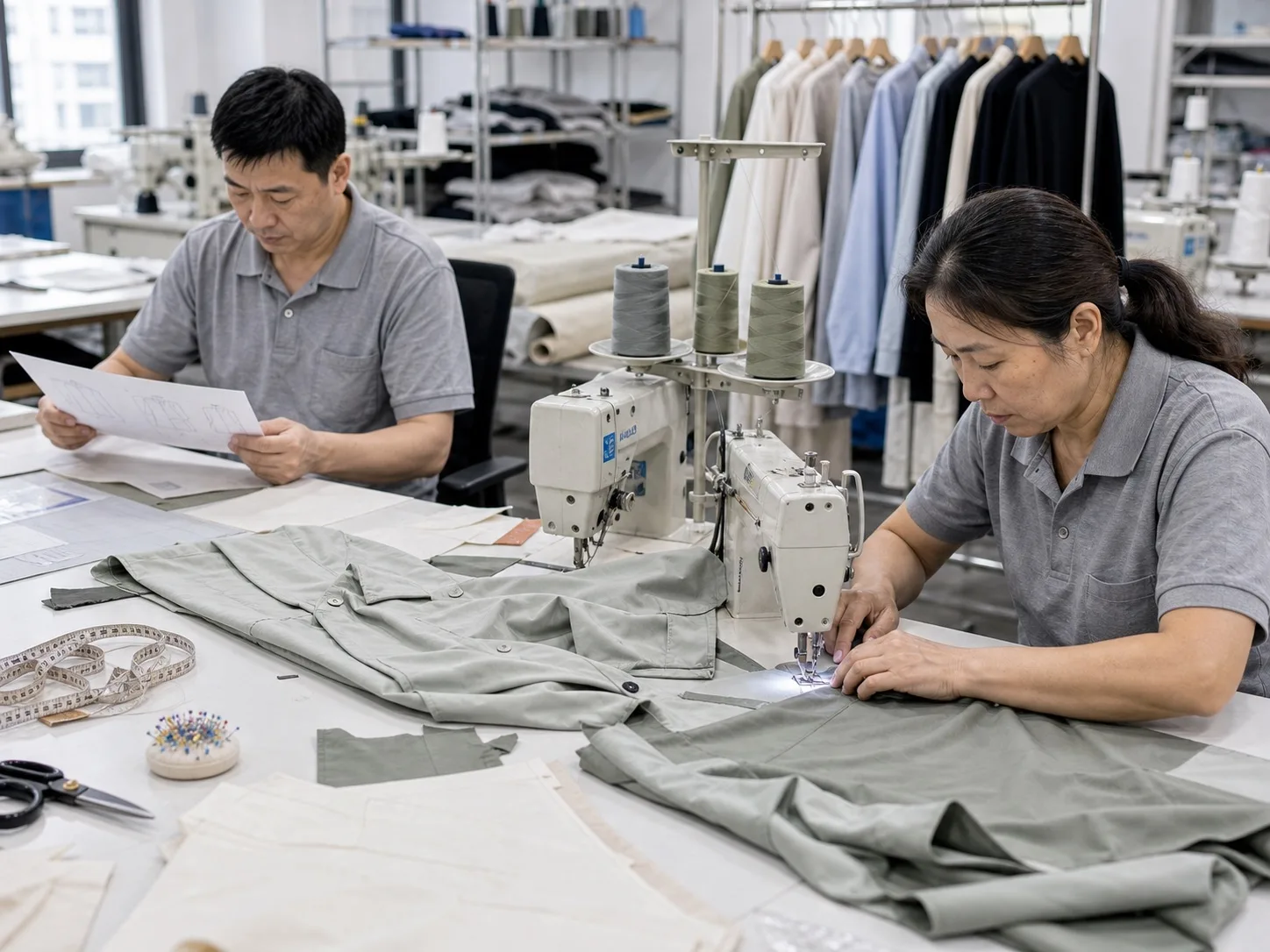
Yinshan Fashion supports custom and private-label bulk programmes rather than unrestricted ready-stock wholesale. For a small brand, this means a pajama project can begin with a reference image, an existing product, a colour mood, a fabric preference or a simple assortment idea. The development team can then connect material suggestions, pattern and fit advice, sample comments, private labels, packing and factory coordination. Quantities, price direction, timing, material availability and final production scope remain programme-dependent; the purpose of a clear range plan is to make those decisions visible early.
If a buyer is searching for a custom pajama supplier, private-label pajama supplier or sleepwear manufacturer, the first question should be what the first collection must prove. Does it need to show a signature print, a recognisable trim, a comfortable relaxed fit, a premium gift presentation, a small colour story or a flexible product family? The answer determines which styles deserve the first samples and which details can remain open for factory advice.
How should buyers build a small sleepwear range around a product role?
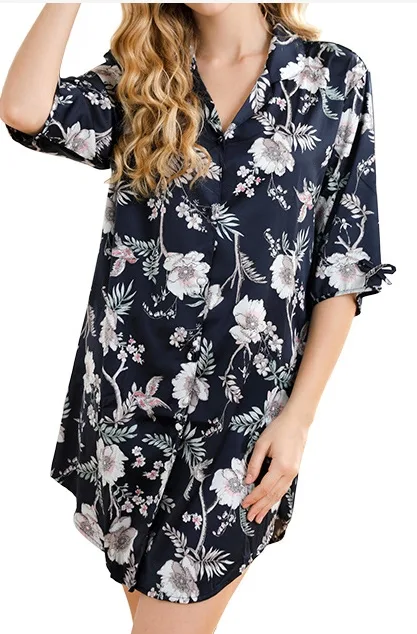
A small range becomes easier to buy when each style has a role. One style can be a core short-sleeve shirt-and-short set, another a longer trouser set, another a nightshirt, robe or lounge layer. A camisole, tank, relaxed top or sleep short may extend the range without requiring a completely new visual language. The goal is not to fill a line sheet with variations; it is to create a group of products that customers can understand and brands can replenish.
The range plan should also identify the customer’s buying moment. Is the first launch intended for a seasonal sleepwear story, an always-available homewear offer, a gifting window, a travel edit or a small test of a new brand? A set designed for gifting may need clearer colour naming, a more polished fold and a different hangtag conversation from a set intended for everyday use. A travel-friendly style may need an easy packing and pocket discussion. These choices influence the brief without creating a fixed promise about fibre, price or delivery.
Write one sentence for the customer reason beside each style. “A soft printed set for a relaxed weekend,” “a lightweight robe that completes the gift set,” and “a simple trouser set for repeat colour drops” give the design and factory teams a decision context. They also prevent a small private-label range from becoming a collection of attractive but unrelated samples.
Write the role beside every proposed style. “Core entry set” may need the clearest fit, simplest construction and broadest colour use. “Premium gift set” may justify piping, a special fabric surface, a hangtag and a more considered fold. “Seasonal statement” may use a print or colour that is less suitable for every style but gives the collection a point of view. “Repeatable lounge layer” may need a construction that works across sleep and homewear. This role makes a quotation and sample plan more precise than the phrase “small pajama collection.”
The loungewear collection can help a buyer compare related homewear silhouettes, while the casual fashion collection may be useful when a sleepwear range includes pieces that customers will wear around the home or while travelling. These are product-direction references, not a promise that one construction fits every style. Each final sample should be reviewed for its own wearing context.
How should buyers use one fabric family where it creates value?
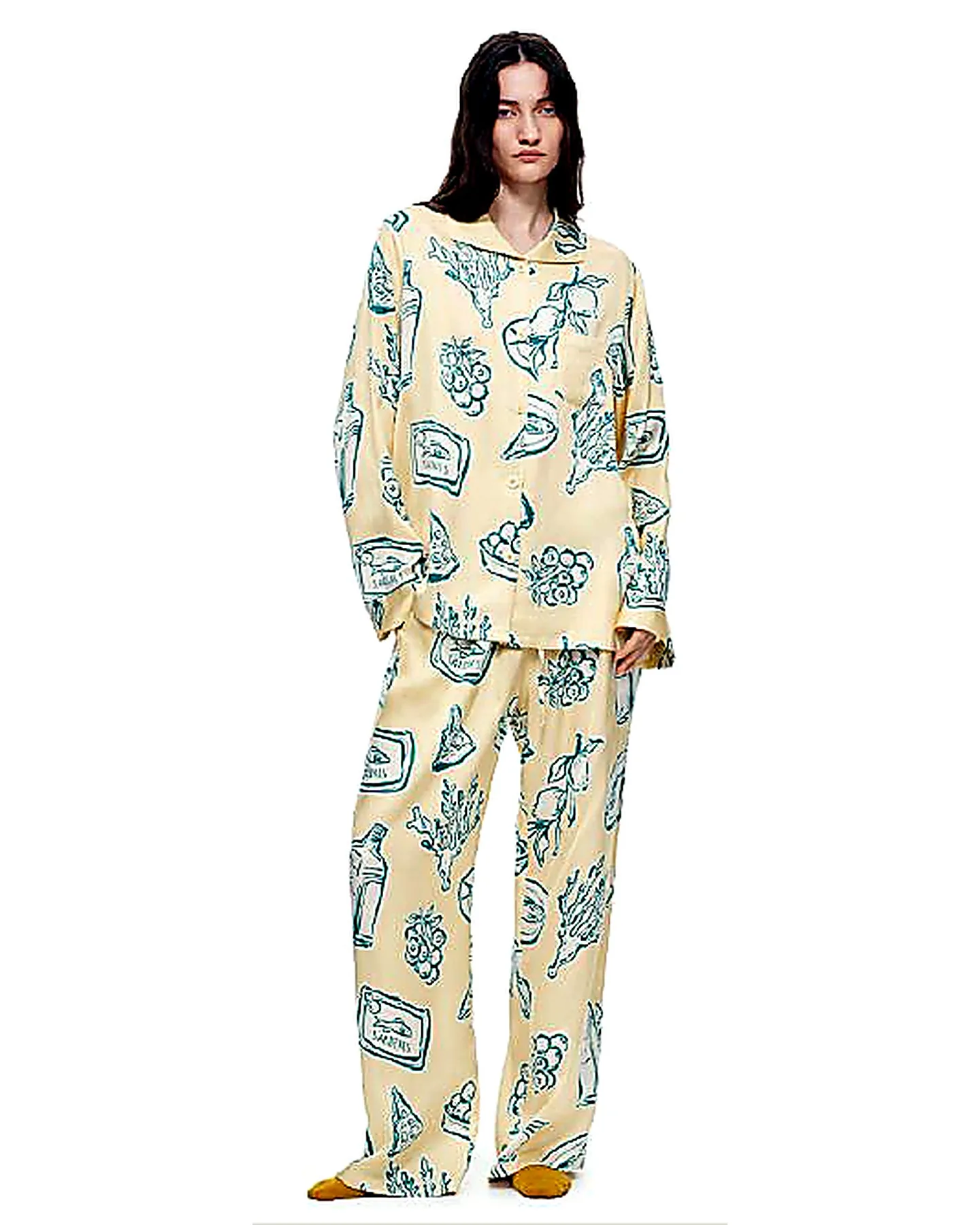
Shared fabric can simplify a first private-label range, but it should not be forced where the garment result would suffer. A soft jersey may work across a tank, short and relaxed top. A light woven may support a button-front set, nightshirt and robe. A rib may be useful as a neckline or cuff component, but it does not automatically replace the main body fabric. A satin-look surface may suit a giftable set while a brushed or cotton-like surface better serves an everyday sleep product.
Start by describing the required behaviour rather than choosing a fibre name alone. State whether the collection needs drape, stretch, coverage, surface smoothness, a dry or fluid hand, a light or substantial weight direction, easy movement, print clarity, low-bulk seams or a particular wash impression. A custom pajama supplier can then compare headers that have a realistic chance of working in the intended styles. The fabrics and trims page is a practical place to organise the initial fabric and component conversation before the first style is approved.
Review the shared-fabric idea in a representative sample. A material that works in a loose shirt may not recover correctly at a fitted tank. A fabric that drapes well in a nightdress may become too heavy at a gathered waistband. A print can feel different on a larger body panel than on a small header. Keep the collection coherent through a deliberate material system, not through an assumption that “one fabric is cheaper” or automatically easier.
How should buyers create a colour plan that supports replenishment?
Small brands often have more colour ideas than the first order can sensibly carry. Separate the core palette, seasonal colour and statement colour. A core palette should work across the range and remain recognisable when a customer buys a second set. A seasonal colour can support a launch story or limited drop. A statement colour or print can attract attention, but it may require separate sampling, lab-dip review, artwork approval or a more careful packing and stock plan.
Ask how each colour behaves on the chosen fabric. A pale base may raise coverage questions. A dark ground may change the perceived hand or show lint differently. A floral print may need scale and placement decisions at a collar, pocket, placket or waistband. A contrast piping or binding may need to be reviewed beside the actual ground colour. Approve colours on the intended fabric route rather than relying only on a digital swatch or a reference photograph.
Keep the colour plan connected to size and quantity planning. A small brand may prefer more sizes in fewer colours for the first range, or fewer sizes in a stronger colour story. Neither choice is universal. State the commercial objective, then let the supplier explain which materials, trims, labels and packing assumptions change with the choice. A repeatable colour record should include the approved standard, sample version, fabric reference, artwork or print reference and any buyer comments.
How should buyers plan sizes around the use of the garment?
Sleepwear size planning is more than copying a daywear size chart. Ease, body position, waistband feel, rise, sleeve movement and garment length influence whether a set feels comfortable. Define the target wearer, intended fit, measurement points and whether the product is relaxed, straight, close or adjustable. For a shirt-and-short set, review shoulder, chest, body length, sleeve opening, rise, hip, thigh and leg opening. For a trouser set, add inseam, knee, hem and waistband. For a nightshirt or robe, look at bust ease, armhole, length, belt or closure and movement.
Choose a sample size that lets the team answer the most important fit questions. If the first sample is a relaxed medium, note which points need to be graded or reviewed in the next size. Do not call a sample bulk-ready because one size looks attractive on a hanger. A buyer should know what is approved, what is provisional and what must be checked across the planned size range.
Small-batch brands benefit from a simple measurement record. Keep the sample version, measurement chart, tolerance approach where agreed, fit comments, pattern version and approval owner together. When a new colour or replenishment is added, the factory can see what should remain unchanged and what needs another review. This is especially important when a brand adds a new fabric, trim or market after the first launch.
How should buyers decide which styles need separate samples?
Not every style needs the same number of sample rounds, but every change that affects fit, comfort, material or construction needs a clear decision. A shirt-and-short set and a trouser set may share a fabric and collar direction while requiring separate lower-body fit work. A robe may use the same print but require a different belt, edge finish, length and pocket. A sleep tank may share a colour palette but need a different neckline, binding and recovery review.
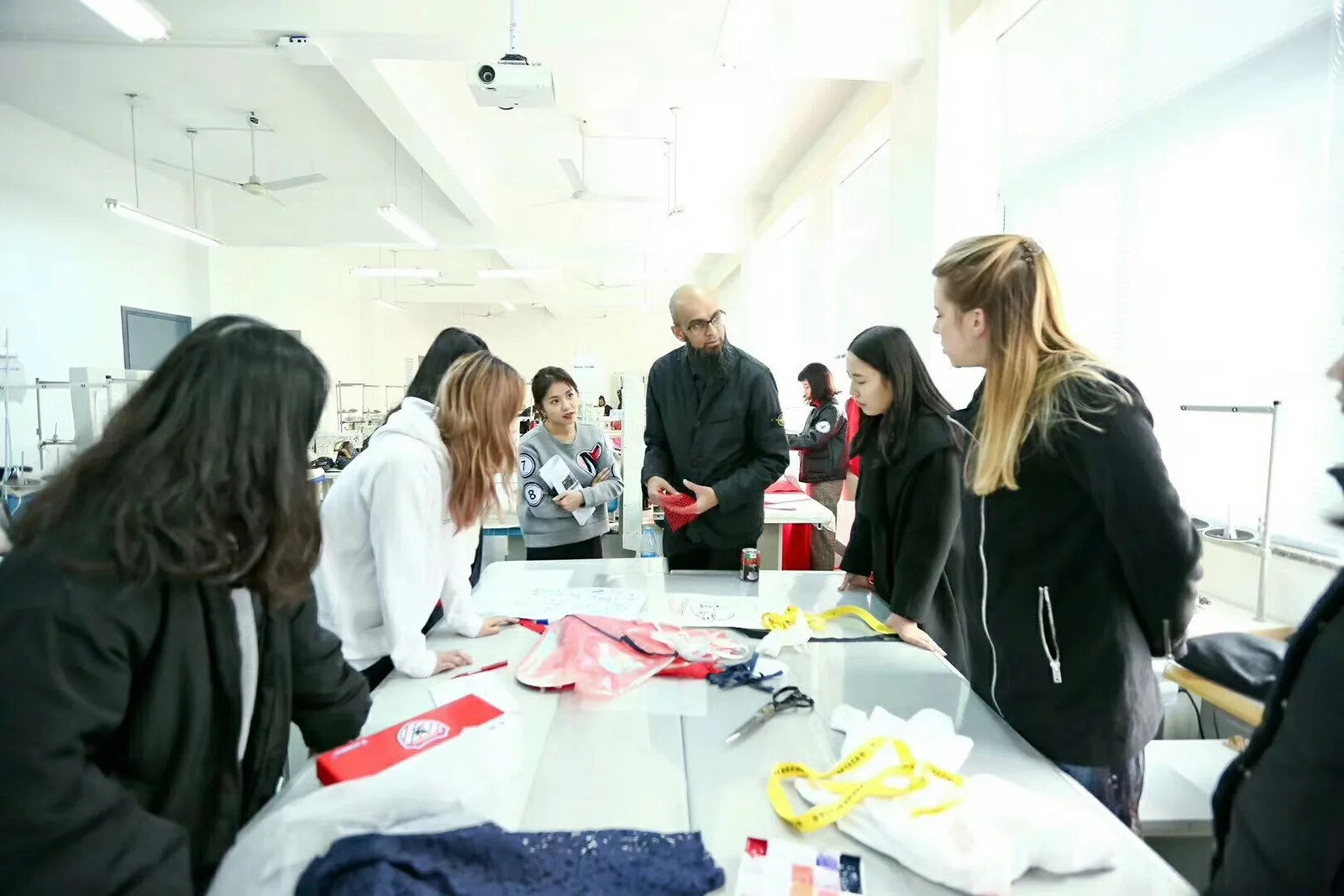
Create a sample map. Mark the base style that proves the fabric and print, the style that proves the fit family, the style that proves a special trim or construction, and the style that proves the final private-label presentation. This lets a buyer manage time and attention without pretending that one sample answers every question. It also lets the custom pajama supplier explain which comments can transfer to a related style and which must be checked again.
Name the purpose of every sample in the request. “Fit review,” “fabric comparison,” “print placement,” “colour confirmation,” “trim comfort,” and “pre-production approval” are different purposes. A clear label prevents an exploratory sample from being treated as final bulk instruction. The buyer should record comments with enough detail for a pattern maker, material team and factory operator to act on them.
What should buyers check about treat labels, trims and packing as part of the range?
Private-label sleepwear is experienced as a complete product. Neck labels, size labels, care labels, hangtags, barcodes, individual protection, folding, carton marks and presentation can affect comfort, store readiness and customer trust. Decide whether the range shares one label format, whether styles require different care information, whether sets need a size or barcode relationship, and how the product should be folded and packed for the target channel.
Do not add a claim to a hangtag simply because a buyer prefers a particular fibre. The fabric reference, available documents, final component scope and target market determine what wording can be approved. Yinshan Fashion can coordinate the released label and packing files with the sample and production team; the brand owns final customer-facing copy and its own legal or retailer review.
The private-label clothing route helps buyers place these brand components beside development rather than after sewing is complete. For a small sleepwear range, a shared label and packing system can be an important source of consistency, but the artwork still needs a style-by-style check when composition, care, market or size information changes.
How should buyers compare a supplier quote using the range plan?
A quote for three pajama styles is only useful when the supplier knows what those styles share and what makes them different. Include the product role, fabric direction, colour count, size plan, print or trim, label package, packing, quantity by style and colour, sample objective and destination market. Ask which assumptions are included and which remain open. This allows a buyer to compare proposals based on the same product definition.
One supplier may assume a plain available fabric while another is discussing a custom print. One may include a basic label and individual bag while another has priced a different presentation. One may propose a shared base while another has assumed separate materials for every style. These are not simply different prices for the same garment. They are different production routes. A transparent manufacturer should identify the trade-offs so a buyer can decide what matters to the collection.
Avoid treating a low unit figure as the whole commercial answer. Check the sample scope, material reference, print or trim assumptions, labels, packing, size ratio, colour count, quality priorities and change control. Final costs, quantities, timing and production details remain subject to the approved sample and order plan. The manufacturing overview provides useful context for how development, production, inspection and packing connect, but each quotation still needs a style-specific brief.
How should buyers build a private-label brief that a factory can execute?
A practical brief has a front section and a style section. The front section explains the brand, customer, range role, target market, launch direction, product use, expected order structure and decision owner. Each style section records reference images, category, fit, fabric behaviour, colour, print, trims, labels, measurements, sample objective, quantity, packing and open questions. Mark fixed requirements, preferences and points where the supplier should recommend an alternative.
This structure helps a factory ask better questions. Is the reference image showing the exact pajama silhouette or only a print idea? Does a “silky” request mean surface smoothness, drape, sheen or a particular fibre route? Does “relaxed” mean more body ease, a dropped shoulder, a longer length or a wider trouser? Does “premium” refer to fabric, piping, labels, packing or all of these? A buyer does not need to answer every question immediately, but the open decision should be visible rather than hidden in an email thread.
Yinshan Fashion can connect that brief with pattern and fit advice, material comparison, sample review, private-label components and production coordination. Its factory and supplier relationships can support different garment needs while keeping one buyer-facing approval route. The small brand still owns the creative direction, commercial choice and final approval; the value of a coordinated partner is that the route between those decisions and production is easier to control.
How should buyers review comfort before approving the range?
Comfort is not a generic adjective. Ask where the wearer may feel pressure, rubbing, weight, heat, stiffness or restriction. Check shoulder and armhole movement, neck opening, waistband, rise, thigh, leg opening, pocket edge, button stand, piping, inside label and seam bulk. Review the garment sitting, walking, reaching and resting where relevant. Check the surface, coverage and care impression on the actual colour and print.
Record comments with a change and a reason. “The waistband feels too firm when sitting; compare a softer or wider elastic route.” “The pocket makes the side seam fall outward; move it or review the pocket bag.” “The print is attractive but feels heavy on the lightweight body; compare scale or application.” “The label point is noticeable at the neck; test a different position or finish.” Concrete comments become a production standard; vague comments become repeated sampling.
If a fabric changes after fit approval, review the sample again. A different construction can change stretch, drape, shrinkage, seam appearance, print hand and length. If a trim changes after comfort approval, review its attachment and contact points. If a label or packing file changes, compare it with the approved composition, size, care and market information. This is how a small range stays coherent as it moves from concept to bulk.
How should buyers keep a repeat-order record from the first launch?
Save the approved fabric header, supplier reference, composition, construction, colour standard, print artwork, pattern version, measurement approval, trim list, labels, packing instruction, sample photographs, buyer comments, quality priorities and quantity plan. A repeat order should not begin with “please make last season’s pajamas again.” It should begin with the released record and a change list.
At reorder, reconfirm material availability, colour, print, fit, trims, labels, packing, market and quantities. If nothing changed, record that decision. If something changed, identify whether a new sample or approval is required. A new colour may require colour review. A new fabric may require fit and care review. A new barcode may require packing review. A new market may require label or language review. The record protects both a small brand and the factory team from assumptions.
This control also makes collection expansion easier. A new long-sleeve style can share a proven fabric family while receiving its own fit and cuff review. A new robe can share a print but need a belt and pocket decision. A new gift set can share the label system while requiring a new fold and packing approval. The first range becomes a platform for considered development rather than a one-off order.
What should buyers check about buyer checklist before contacting a custom pajama supplier?
Prepare the product roles, reference images, intended wearer, sleep or lounge use, fit direction, size plan, fabric behaviour, colour story, print or trim direction, sample purpose, labels, packing, quantities by style and colour, target market, timing context, expected repeat plan and decision owner. Mark what is required, what is preferred and what remains open. If the brand has a material-document or retailer requirement, state it before the supplier recommends a route.
Send enough information for a useful first response, but do not wait for a perfect technical pack if the concept is early. A clear reference and a well-described product outcome can begin a professional discussion. The supplier should ask questions, show relevant options, explain trade-offs and identify what the first sample must prove.
What to expect from the first range discussion?
A productive first call or email exchange should leave the buyer with a clearer product map. The supplier should understand the range role of each style, the intended fabric behaviour, the relationship between colours, the planned size approach, the sample objectives, the private-label components and the next approval owner. The buyer should understand which assumptions remain open, which material and pattern comparisons are sensible, and which production records will be created.
Yinshan Fashion can start with a small private-label sleepwear brief and develop it into a practical route for fabric, fit, samples, labels, packing and bulk production. The strongest result is not the largest first assortment. It is a range with a clear customer reason, a controlled material and fit system, and enough records to support the next colour, next style or next order.
Small private-label sleepwear range
Plan the first range around roles, materials and repeat orders
A compact pajama range becomes easier to develop when every style has a role, shared materials are intentional, and labels, packing, sample approvals and repeat records are planned from the beginning.
Give every style a role
Separate core set, premium gift set, seasonal statement, robe, nightshirt and lounge-layer roles before deciding how many samples to make.
Share materials with purpose
Use a fabric family where it supports the fit, comfort, colour and construction result; do not force one fabric across incompatible silhouettes.
Release a repeatable file
Keep approved fabric, colour, pattern, measurements, labels, packing, quality notes and change decisions together for the next colour or order.
Custom pajama supplier handover checklist
Use this list before contacting a custom pajama supplier or approving a first private-label sleepwear range.
| Decision area | What the buyer should prepare | What to ask the factory |
|---|---|---|
| Range architecture | Define the role of each style, intended wearer, sleep or lounge use, core customer and launch story. | Which styles should prove the fabric family, fit direction, special trim and presentation first? |
| Fabric and colour family | State handfeel, drape, stretch, coverage, surface, care, core colours, seasonal colours and print direction. | Which available headers and colour routes can support the actual styles without a comfort or fit compromise? |
| Size and fit | Provide target wearer, sample size, ease direction, measurement points and the movement or comfort questions that matter. | Which sample and measurement records are needed for grading and a controlled repeat? |
| Brand and packing | Provide label, care, hangtag, barcode, individual packing, fold, carton and target-market requirements. | Do the garment, material, label, packing and bulk files agree before release? |
| Repeat plan | Explain expected restock, new-colour, new-style and market changes after the first launch. | Which approved references and change notes will protect the next order from guesswork? |
Continue the production conversation
Small private-label pajama range planning matrix
| Range decision | Buyer input | Factory and supplier review |
|---|---|---|
| Product roles | Core set, premium gift set, seasonal statement, robe, nightshirt or lounge layer. | Which styles prove the fabric, fit family, trim and presentation with the fewest useful samples? |
| Shared materials | Desired handfeel, drape, stretch, coverage, surface, colour and care direction. | Can a fabric family support the styles without creating a fit, comfort or construction compromise? |
| Colour and size | Core, seasonal and statement colours; target wearer; size direction; quantity by style and colour. | Which colours and sizes should be sampled first, and what records will control grading and replenishment? |
| Private label | Labels, hangtags, barcodes, packing, carton marks, market and retail presentation. | Do the artwork, garment information, sample, packing and production file agree before release? |
| Repeat plan | Expected restock, new colour, new style, unchanged details and possible market changes. | Which approved references and change notes are needed to make the next order controlled? |
Buyer FAQs
What is the difference between a custom pajama supplier and a ready-stock wholesaler?
A custom pajama supplier helps develop a defined private-label product route around fabric, fit, colour, trims, labels, samples and production records. A ready-stock wholesaler primarily offers existing products. A brand should choose according to how much product development and identity its range requires.
How many styles should a small private-label sleepwear range start with?
There is no universal number. Start with the styles needed to prove the brand’s customer, fabric family, fit direction and range story. A focused core set, a related variant and one distinctive style may be more manageable than many unrelated prototypes; quantities and scope remain programme-dependent.
Can several pajama styles share one fabric?
They can when the fabric supports each silhouette, comfort point, decoration and care route. A shared fabric family may simplify colour and repeat planning, but a fitted tank, relaxed shirt, trouser, robe or gift set can still need separate fit and construction review.
What should be approved before a private-label pajama order goes to bulk?
Approve the garment result, fabric reference, colour or print, measurements, fit, trims, labels, packing, quantities, market files, sample version and open documentation or quality decisions. Keep the approved records together so the factory has one controlled release reference.
Can Yinshan Fashion support small-batch sleepwear development?
Yinshan Fashion can discuss custom and private-label sleepwear routes for small brands, including fabric and fit direction, samples, labels, packing and production coordination. Final quantities, material availability, timing and commercial terms depend on the specific range and order plan.