Article
What should buyers know first?
Short answer: Assess cupro fabric for dresses and blouses through material identity, silhouette, lining, construction, care evidence and sourcing scope.
Cupro fabric for dresses and blouses should be assessed as an identified material in a specific garment, not selected from a fibre name alone. Buyers need to connect the proposed fabric reference with the silhouette, construction, colour, care expectations and commercial scope of the collection. A swatch can introduce an option, but it cannot answer every question about how the completed style will look, fit or behave.
For Yinshan Fashion, a useful enquiry describes the intended dress or blouse, the fabric option under consideration, quantity context and sample objective. Yinshan Fashion works on custom and private-label bulk programmes. The availability of a particular cupro fabric, supplier route, minimum quantity, price and production timing must be confirmed for the actual project; this guide does not establish those commercial facts.
The buyer's task is to turn a broad material preference into a development decision supported by records and samples. Start with identity, then compare the material in the intended construction. Keep sourcing and environmental claims on a separate evidence track so that an appealing fabric description does not become an unsupported statement about the finished garment.
Cupro fabric for dresses and blouses begins with material identity
Ask for the full description of the proposed material, including composition, supplier reference, construction, weight, width, finish and colour information where available. Mark anything still provisional. The word cupro does not identify a unique fabric specification, and two options carrying the same fibre description should not be treated as technically or commercially identical.
Asahi Kasei describes Bemberg as its brand of cupro, a regenerated cellulose fibre made from cotton linter. That manufacturer description is a useful starting point for terminology. It does not prove that a fabric offered for a particular Yinshan Fashion enquiry uses Bemberg, or that the finished garment qualifies for every claim associated with a fibre supplier's own materials.
Record the material name exactly as supported by the supplier information and distinguish a generic fibre description from a branded material claim. If the buyer wants to reference a particular brand, ask what evidence and permissions apply to the actual supply. Do not place the name in product copy simply because it appeared in an inspiration document.
Define the garment role before comparing swatches
Describe what the proposed style needs to do in the collection. A fluid occasion dress, a blouse intended for layering and a more structured shirt create different evaluation questions. The buyer should identify the visual and wearing priorities before asking which fabric is best. Without that context, the discussion can become a contest between attractive swatches rather than a decision about the garment.
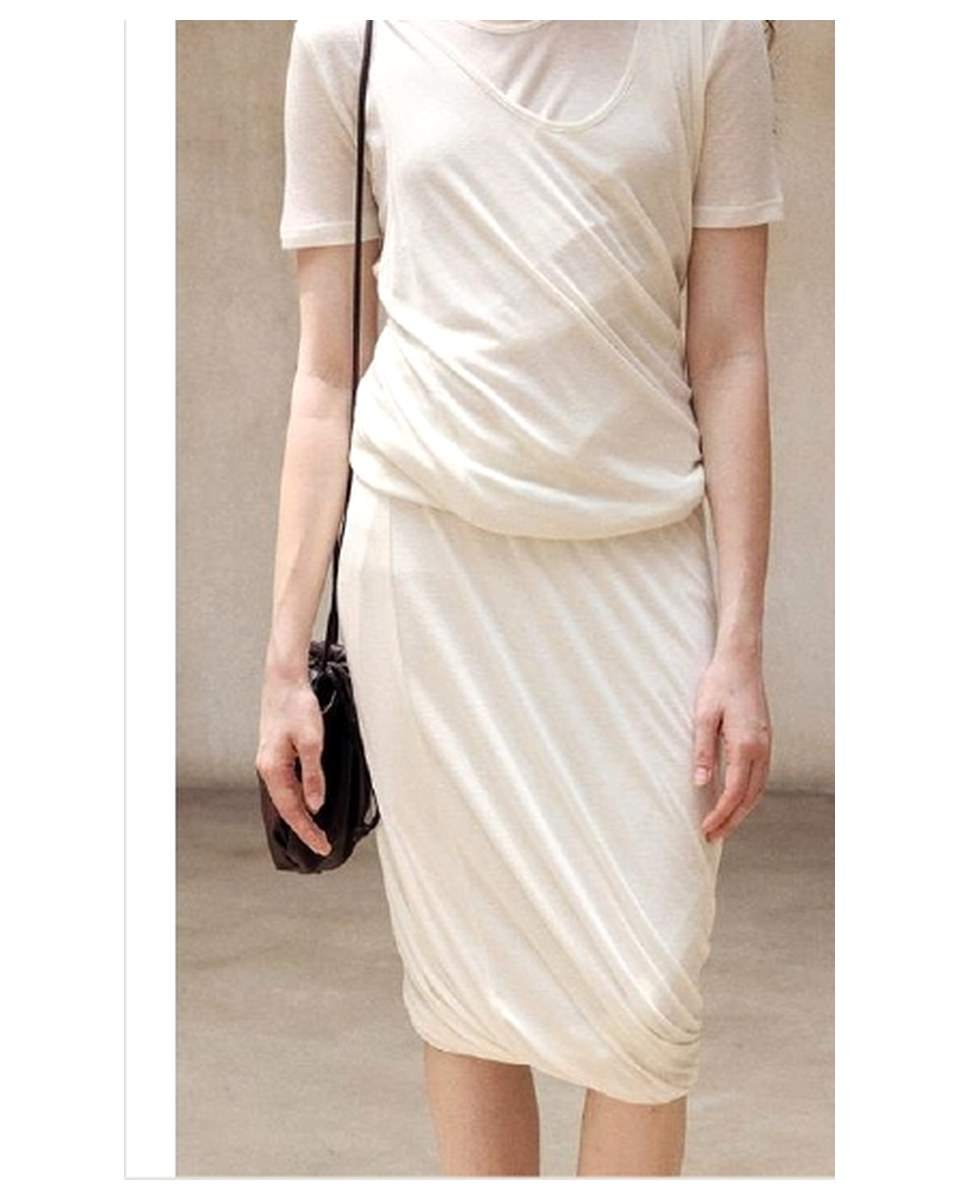
Use the dress collection to describe a silhouette direction, then specify the actual length, volume, neckline, sleeve and lining intentions. State which features are essential and which can be adjusted during development. A reference image supports the conversation, but it does not confirm the photographed garment's fibre composition or the suitability of another material for the same shape.
For each priority, define what evidence would help the buyer decide. Appearance may need a larger fabric presentation, construction may need a seam trial and fit may require a garment sample. Assigning a purpose to each review prevents the first attractive sample from being treated as approval of every unresolved aspect of the material.
Compare candidates on a common record
Create one comparison record for the proposed fabrics. Use consistent fields and identify the source of each entry. Include the material reference, available information, physical sample identifier, proposed use and questions still open. A comparison is less reliable when one candidate has a detailed specification and another is represented only by a photograph and a broad description.
Keep factual attributes separate from observations and preferences. A supplier's stated composition belongs in a different field from the buyer's view that a swatch looks suitable for a particular blouse. If an observation is based on a small sample under one lighting condition, record that limitation. The team can still use the observation without treating it as a universal performance result.
Compare commercial information on the same scope. Ask which colour, finish, quantity and sourcing route the quotation describes, and whether the sample and bulk proposal refer to the same material. Do not assume that a price for one available colour applies to a custom colour or that a development swatch establishes future bulk availability.
Review drape in the intended silhouette
Drape should be considered in relation to the pattern and garment assembly. Ask how the proposed material presents the intended volume, gathers, folds or bias direction in a meaningful sample. The aim is to observe the selected fabric in a defined configuration, not to award it a general label such as good drape without explaining the garment requirement.
Use consistent viewing conditions when comparing alternatives. Identify the sample dimensions, orientation, support and method of presentation so that the buyer can understand what is being compared. If one candidate is shown as a small swatch and another as a completed dress, acknowledge that they provide different levels of information. Do not treat the apparent difference as a measured result.
Keep the drape review connected to fit. A material that creates the desired folds on a display may need further assessment at the neckline, waist or hem on the actual garment. Record where the buyer accepts the appearance and where the pattern or construction needs another trial. A precise comment is more actionable than asking the factory to make the fabric feel more premium.
Evaluate surface appearance and colour in context
Review the selected colour and finish on an identified physical reference. Photographs and screens can help communicate options, but they should not be treated as an exact substitute for the agreed colour approval process. The buyer should confirm which reference governs the decision and how any difference between development and bulk material will be assessed.
Look at the fabric in the areas that matter to the garment's presentation: broad panels, folds, seams, cuffs or collars. Record visible effects under the chosen viewing conditions without inventing a universal explanation for them. If an appearance issue needs technical investigation, ask the material or production specialist to assess it using the actual sample.
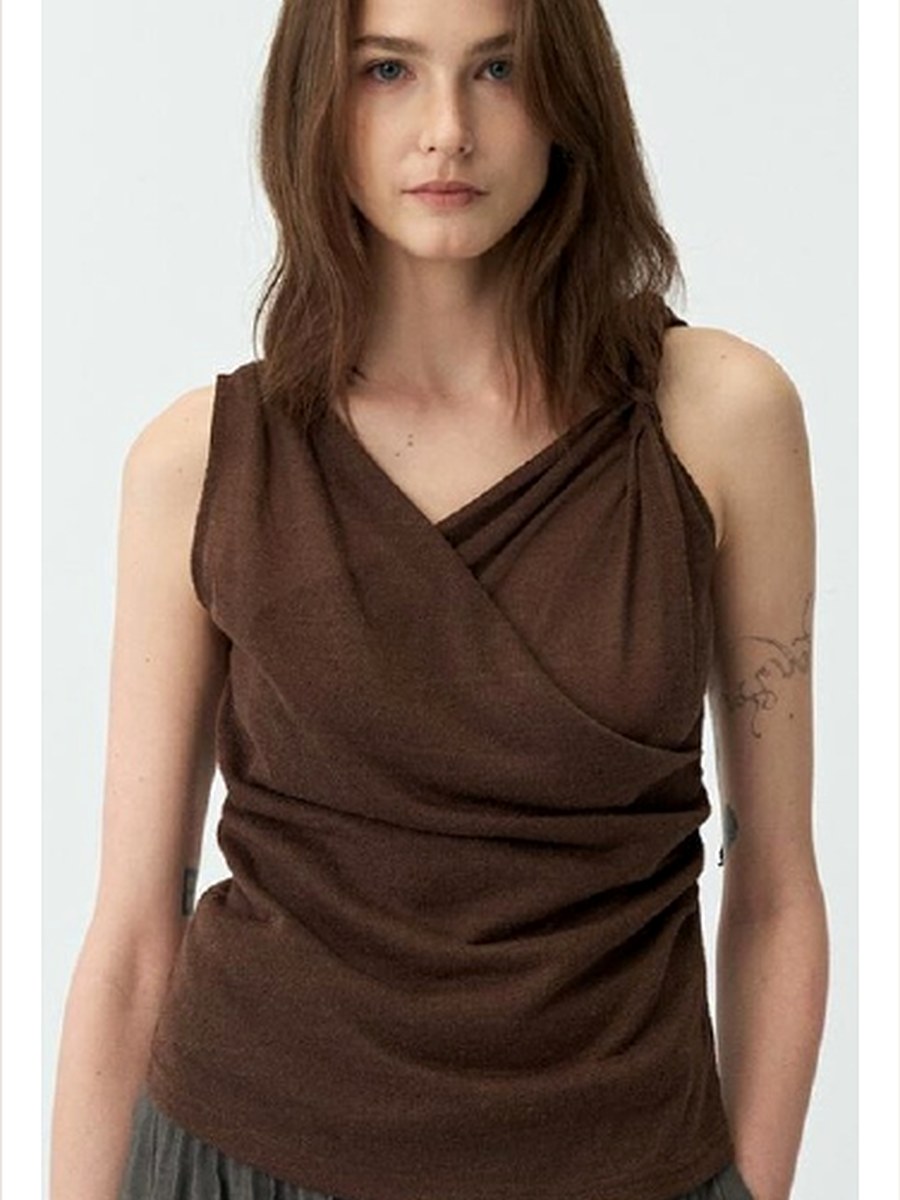
For a style related to the blouse collection, consider how the front, sleeve and collar will appear together rather than approving colour from an isolated patch. A blouse may place the same fabric in several orientations and construction forms. The sample should make the important relationships visible before the buyer accepts the complete presentation.
Decide opacity and lining from the actual assembly
Opacity is a garment decision that needs a defined review context. Identify the intended colour, fabric layers, fit and wearing situation. The buyer should decide what level of coverage is required and agree how it will be assessed. Do not assume that all fabrics with the same fibre name provide the same result, or that a photograph under favourable lighting resolves the question.
If lining is proposed, treat it as a separate material and construction choice. Record its identity, coverage, attachment and relationship with the shell. The combination should be assessed in the sample because the buyer is approving an assembly, not two unrelated swatches. Any care or performance requirements should be reviewed for that assembly through the appropriate technical process.
Keep the decision specific to the style and colour reviewed. Acceptance of a darker blouse or a lined dress does not automatically establish the suitability of a lighter unlined variant. Identify which variants need further evidence and why. This allows the team to focus sample work on genuine uncertainty instead of assuming that one successful presentation covers the whole range.
Use construction trials to answer defined questions
Ask the production team which construction details need an early trial for the selected material. Depending on the design, the buyer may need to review seams, hems, gathers, closures, necklines or other features. The exact method should be confirmed by the technical team from the material and garment, rather than prescribed from a generic cupro guide.
Give each trial a clear question. A seam sample might be intended to compare appearance, a hem trial to assess the proposed finish or a closure sample to demonstrate the local construction. Record the material reference and the method used so that the accepted result can be connected to the later garment sample.
Do not use a trial beyond its scope. A neat seam on a small sample does not approve the complete garment's fit, care behaviour or production consistency. It resolves a narrower decision and may identify the next question. The buyer should retain that distinction when communicating acceptance, particularly if the development programme includes several material candidates.
Review interfacing and supporting components together
Collars, plackets, cuffs and other details may involve supporting components that change the garment's local behaviour and appearance. Identify the proposed component and the construction area where it will be used. The buyer should ask the technical team to assess the combination rather than assuming that an accepted shell fabric determines the correct support for every detail.
Include the relevant assembly in the sample review. Compare the intended shape, edge appearance and handling with the design objective. If the buyer requests a softer or firmer result, describe the area and the observed issue clearly, then ask for an assessed alternative. Avoid replacing a component on the basis of its name alone without seeing the resulting construction.
Record any component change in the bill of materials and sample comments. A revised support may affect more than the visible detail, so ask the responsible team which related checks need to be repeated. Keep the accepted combination identifiable for bulk discussions, including any limitations or unresolved technical questions attached to the sample.
Keep fit measurements separate from material impressions
A buyer may like the fabric's appearance while the garment still needs fit development. Review the sample against the current measurement specification and intended wearer basis, then record observations about balance, ease and movement. Do not describe a fit issue only as a fabric problem unless the technical assessment supports that conclusion.
For a collection that also includes garments from the casual fashion range, maintain style-specific measurement and construction records. A shared material can connect the range visually without making the same fit decision appropriate for every garment. The buyer should identify which sample establishes a common material choice and which samples still need their own fit review.
If the material is changed after fit approval, ask the technical team what needs reassessment. The answer should come from the actual difference and the garment's dependencies. Record whether earlier measurements and comments remain applicable or whether a new sample is required. This prevents a preferred alternative swatch from silently replacing the material on which the fit decision was based.
Define care evaluation before writing consumer instructions
Care instructions should be based on the actual garment and appropriate technical review. A fibre name alone does not establish the complete care direction for a dress or blouse containing several components and finishes. Ask the responsible parties to identify the evaluation needed and the evidence supporting the instruction proposed for the finished style.
If washing, drying, pressing or other treatment is assessed, record the method, sample identity and observations accurately. Do not describe an informal handling exercise as a standardised laboratory result. Where a formal method or acceptance criterion is required, agree it with a qualified provider and keep the resulting report linked to the material and garment reviewed.
Review the garment after the relevant agreed evaluation, including the areas important to fit and appearance. A change should be documented with enough context for the technical team to investigate. The buyer should then decide the next development action from the evidence, rather than assuming that every issue can be solved by altering the wording on the care label.
Ask for evidence before making comfort or durability claims
The marketing team may want to describe a garment as breathable, durable, easy-care or suitable for a particular wearing condition. Each proposed statement should be considered separately from the material selection decision. Identify what the statement means for the product and what evidence would support it in the intended market and presentation.
Do not transfer a fibre producer's general description directly to every finished garment containing that fibre. The garment's construction, other materials and intended use may create a different evidence question. Ask the relevant technical and claim reviewers to assess the actual statement and the available records before it appears in product copy.
Keep subjective observations labelled as observations. A buyer's view that a sample feels smooth or looks fluid can guide development, but it does not establish a quantified performance result. Accurate descriptions help the team use its experience without overstating what has been demonstrated. Where further testing is needed, specify the question and obtain a suitable assessment.
Treat environmental wording as a separate sourcing decision
If the brand wants to make an environmental or sourcing claim, begin with the exact wording and the product component it concerns. Identify the supplier, material and order evidence needed to assess that statement. A material described as cupro should not automatically be presented as biodegradable, compostable, certified or environmentally preferable in the finished garment.
Use the fabric decisions guide to keep material identity and approval records aligned. Any claim review should connect to the same material reference and product configuration. If a supplier provides information about its own fibre or process, record the scope and avoid extending the statement to unrelated components, production stages or disposal conditions.
The buyer should involve the appropriate certification or market advisers where relevant. This guide does not verify a specific environmental claim or confirm a certification for Yinshan Fashion. Its practical recommendation is to preserve the evidence boundary: describe what the records support, keep unresolved claims pending and update the review when the material or product changes.
Confirm the sourcing route and commercial assumptions
Ask whether the proposed fabric is an identified available option, a material requiring further sourcing or a custom development proposal. These are different starting points for a commercial discussion. The buyer should know which aspects have been confirmed and which depend on supplier response, colour selection or a more complete quantity brief.
Provide the intended garment quantities and variant matrix rather than only a target fabric price. The factory needs the relevant scope to assess the enquiry. Ask for the proposed material quantity basis, minimums, timing and other commercial conditions to be confirmed for that programme. Do not copy a number from another fabric or order into the plan as if it were a current commitment.
Keep alternatives comparable. If one proposal uses a different composition, width, finish or sourcing basis, identify that difference before comparing prices. The buyer should understand which requirement has changed and what further sample review follows. A lower quoted figure is not a complete comparison when the garment or claim assumptions no longer match the original brief.
Control substitutions between sampling and bulk
Record the material used for the accepted sample and the material proposed for bulk in the same release package. If they differ, state the difference and ask the technical team to assess its implications. Do not let a familiar colour name or supplier shorthand conceal a change in the underlying fabric reference.
Review the affected decisions together: appearance, construction, fit, care information, sourcing claims and commercial scope. Some may remain applicable, while others need new evidence. The buyer should receive a clear assessment of what is being proposed and what must be checked before accepting the substitution for the actual programme.
Keep the outcome traceable. If the alternative is accepted, update the bill of materials, sample reference and any relevant artwork or product information. If it is declined, ensure that the original approved direction remains available and that the factory has a clear next instruction. A documented decision prevents the rejected option from reappearing later as an assumed equivalent.
Use a dress-and-blouse comparison to test the plan
Imagine a brand considering one fabric option for a gathered dress and a collared blouse. The swatch looks attractive for both, but the garments pose different construction questions. The dress review focuses on the intended volume, lining and hem presentation, while the blouse requires evidence for its collar, placket and sleeve details. The shared material does not eliminate the need for those separate reviews.
The buyer records the fabric identity and asks for targeted trials before deciding which full samples to commission. If the dress works as intended while the blouse needs another support or construction approach, the decision is made at style level. The brand can retain a common material direction while recognising that the two garments may need different development work.
This is a planning example, not a report of a tested Yinshan Fashion cupro programme. It demonstrates how a material preference becomes a series of specific questions. The buyer can then explain why an option was accepted, revised or deferred instead of relying on the broad statement that the fabric was suitable for the collection.
Compare alternatives without confusing the terms
When the buyer asks to compare cupro with another option, define the comparison precisely. One description may identify a fibre, another a fabric construction and another a supplier's product name. These labels do not necessarily describe mutually exclusive categories. Ask for the composition and specification of each actual candidate before deciding what the comparison is supposed to show.
The silk versus satin buyer guide explains a related terminology problem: a fibre description and an appearance or construction description answer different questions. For the cupro enquiry, keep the candidate records specific enough that the buyer can compare the proposed fabrics rather than debate broad names with no identified samples behind them.
Use the same garment priorities for each candidate. If the dress needs an accepted colour, a particular presentation and a workable lining assembly, assess every option against those requirements. Do not give one candidate credit for a supplier claim while judging the other only from its physical sample. Separate the evidence available for each attribute and identify the additional work needed for a fair decision.
This approach also improves the commercial conversation. The buyer can ask what changes if a particular candidate is selected, including the sample work, components, claim wording and sourcing assumptions. The result is a comparison of real development options with visible consequences, rather than a recommendation based on fibre reputation alone.
Prepare the next material enquiry for Yinshan Fashion
Send the current dress or blouse brief, relevant references, proposed material information, colour direction, quantity context and sample objective. Identify the decisions already made and the questions you want the next sample or sourcing response to resolve. Include any intended claim wording so that it can be considered alongside the material evidence rather than added after labels are prepared.
Ask Yinshan Fashion to confirm the feasible development route and the information available for the actual proposal. A useful response should distinguish an established material option from a suggestion still requiring sourcing or evaluation. It should also make clear which commercial details depend on a more complete brief or supplier confirmation.
Use the contact page to discuss the custom or private-label programme. The next step is an identified material and sample plan linked to the garment's real requirements. That gives the buyer a sound basis for selecting cupro fabric for dresses and blouses without confusing a fibre name, an attractive swatch and an approved bulk garment.
Cupro Fabric for Dresses and Blouses worksheet
Three actions for the next handover
Assess cupro fabric for dresses and blouses through material identity, silhouette, lining, construction, care evidence and sourcing scope.
Verify the material
Separate a fibre description from a branded material claim.
Sample the garment
Review drape and construction in the actual dress or blouse.
Track the sourcing basis
Reassess relevant approvals when a material or supplier changes.
Buyer inputs and factory questions
Use this checklist with the current programme. Confirm the actual development scope, commercial terms and evidence needed for each decision.
| Decision area | What the buyer should prepare | What to ask the factory |
|---|---|---|
| Identity | Supply the available fabric specification and reference. | Which missing fields need supplier confirmation? |
| Silhouette | Mark the features that determine the fabric decision. | What trial will answer the most important question? |
| Lining | Identify coverage, material and attachment direction. | Which assembly needs review before acceptance? |
| Evidence | State care and proposed sourcing claims explicitly. | Which records support the actual product statement? |
| Commercial | Provide colours, quantities and required sample timing. | What route and terms can be confirmed for this enquiry? |
Continue the production conversation
Cupro Fabric for Dresses and Blouses: decision worksheet
| Review point | Buyer input | Evidence to review | Decision before progression |
|---|---|---|---|
| Identity | Composition, construction and supplier reference | Material specification and physical sample | What fabric is actually being assessed? |
| Garment role | Silhouette, use and fixed design priorities | Drawing and comparison criteria | Which candidate supports this particular garment? |
| Assembly | Shell, lining, support and construction | Relevant trials and completed sample | Does the reviewed combination meet the brief? |
| Care and claims | Exact intended instructions or statements | Product-specific technical and sourcing evidence | Which conclusions are supported and which remain pending? |
| Bulk proposal | Material reference, colours and quantity matrix | Confirmed sourcing and commercial response | Does the proposal match the accepted sample basis? |
Buyer FAQs
How should cupro fabric for dresses and blouses be selected?
Identify the actual material and assess it in the intended silhouette, lining and construction. Keep care and sourcing claims tied to relevant product evidence.
Does the word cupro identify one fabric specification?
No. Request composition, construction, weight, finish, colour and supplier references for the specific candidate.
Does every cupro proposal establish Bemberg content?
No. Bemberg is an Asahi Kasei brand. Confirm the actual material provenance and any applicable use conditions before making that branded statement.
Can a swatch approve the completed garment?
It can answer limited colour or handle questions. Construction, fit, lining and care decisions may require targeted trials or a garment sample.
Does this guide verify environmental claims for a Yinshan garment?
No. Any proposed claim needs evidence for the identified material, order and product scope, with appropriate review before use.