Article
What should buyers know first?
Short answer: A practical sourcing guide for boutique buyers deciding between ready-stock wholesale and custom or private-label clothing production, with guidance on assortment, quantities, samples, labels, packing, QC, and reorders.
A boutique clothing wholesale supplier can operate in two very different ways: selling finished stock that a retailer selects from an available range, or developing a custom or private-label bulk programme around the buyer’s product brief. The right choice depends on how quickly the boutique needs goods, how much product control it needs, which quantities it can support, and whether the assortment should be exclusive, branded, and repeatable.
Yinshan Fashion focuses on custom and private-label fashion manufacturing rather than an unrestricted ready-stock marketplace. Product, fabric, colour, quantity, size ratio, labels, packing, destination market, sample approvals, and delivery objectives must be confirmed for each programme. A boutique looking for immediate stock should evaluate inventory-based wholesalers; a buyer seeking differentiated products should prepare for a development and production process.
Direct answer: Choose ready stock when speed, a small test buy, and selection from existing goods matter most. Choose custom or private-label manufacturing when the boutique needs control over product direction, fit, fabric, colour, labels, packing, and repeat-order records. Do not compare the two routes from unit price alone; compare what is included, what must be approved, and what inventory risk each route creates.
What “boutique clothing wholesale supplier” can mean in practice?
The word supplier does not describe one operating model. A ready-stock wholesaler purchases or holds finished goods and offers them for resale. The buyer selects available styles, colours, and size packs, then confirms stock, price, shipping terms, and any resale conditions. Product development has already happened. The buyer’s job is mainly to edit the assortment and manage inventory.
A custom manufacturer begins from a brief, reference product, tech pack, sample, or product direction. Fabric, pattern, fit, construction, colours, quantities, private labels, packing, and approval stages need to be aligned before bulk. The buyer gains more control, but must participate in development and wait for the agreed process to move from sample to production.
Private label can sit between or inside these models. Some stock suppliers may offer a limited label change on existing garments. A manufacturing programme may develop the garment and the complete brand presentation together. The phrase private label therefore needs a definition: is the supplier changing a neck label on finished stock, or is it producing an approved product with the buyer’s fabric, fit, trims, care information, hangtags, barcodes, and packing?
A boutique clothing wholesale supplier should state its model clearly. Ask whether the quoted goods already exist, whether the shown images represent current stock, whether colours and sizes are available now, and which elements can actually be changed. If the route is custom, ask which decisions must be approved before the quotation and production plan become firm. This prevents a boutique from treating a factory reference collection as an inventory list.
The broader fashion manufacturer versus wholesale supplier guide explains the structural difference between these models. This article applies that distinction to the boutique buyer’s assortment, cash, branding, warehouse, and reorder decisions.
How should buyers choose the sourcing route from the boutique’s merchandising objective?
Start with the reason the product is entering the assortment. A boutique may need a fast seasonal fill-in, a low-risk trend test, an opening price item, a signature blouse, an exclusive dress, a reliable core T-shirt, or a small coordinated capsule. These jobs do not all require the same sourcing route.
Ready stock can be practical when the buyer wants to react quickly and is comfortable selecting from an existing range. The key questions are availability, consistency between the sample and shipped stock, size-pack structure, restock likelihood, brand restrictions, packing, and delivery responsibility. A small first purchase may reduce development work, but the boutique may be selling the same or similar product as other retailers.
Custom production is more relevant when differentiation matters. The boutique can define the silhouette, fabric behaviour, colour palette, measurements, details, labels, packing, and quality priorities. This control creates work before bulk: references need interpretation, samples need review, and changes need recording. It can also create stronger repeat-order memory when the first product is approved and documented properly.
Write a one-line merchandising objective for every proposed style. For example: “a fluid day-to-evening blouse in two core colours,” “a signature midi dress with a recognisable sleeve,” or “a reliable T-shirt that supports repeat seasonal graphics.” The objective gives a boutique clothing wholesale supplier enough context to explain whether an available product fits the need or whether the style should enter a development route.
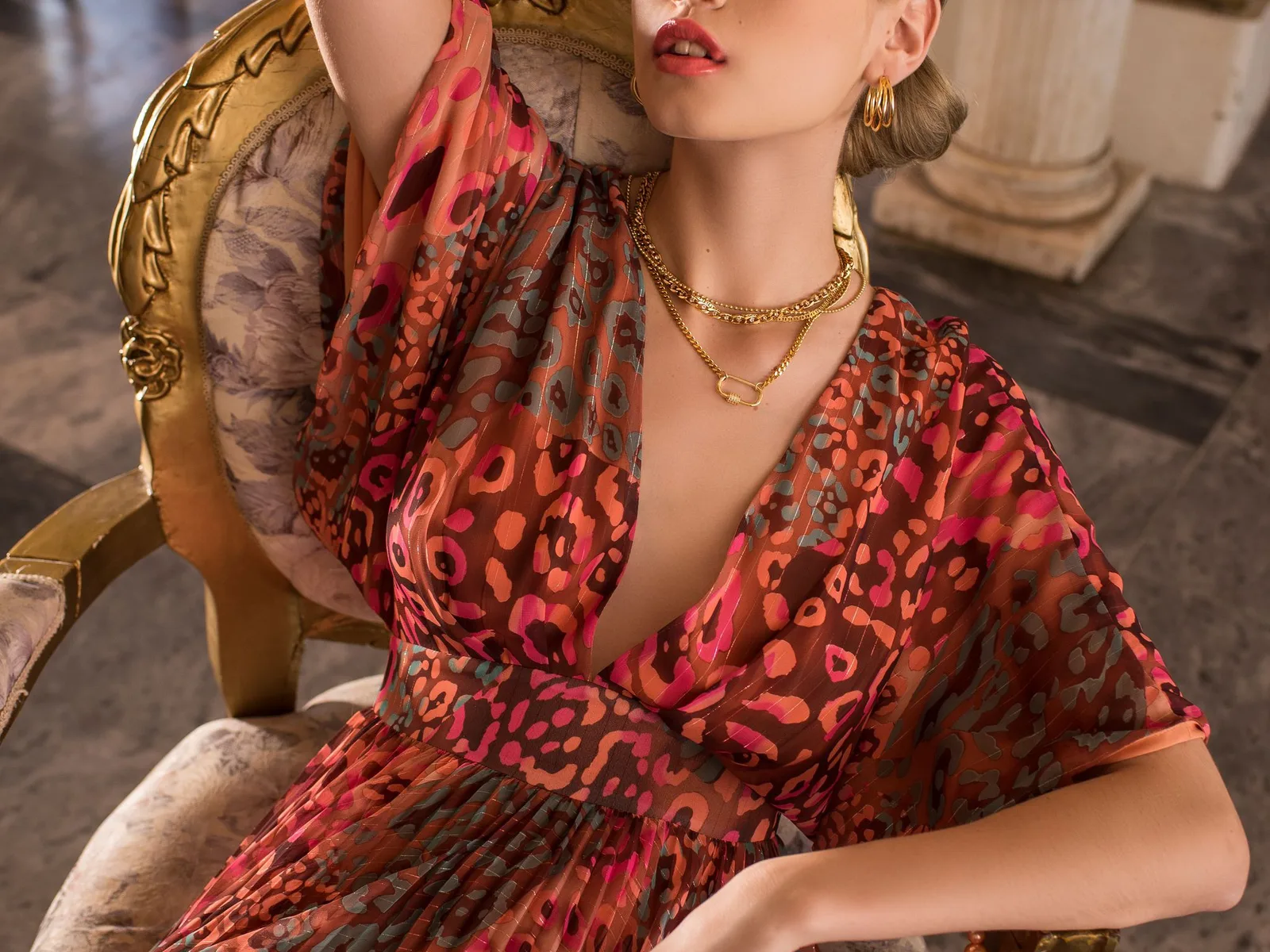
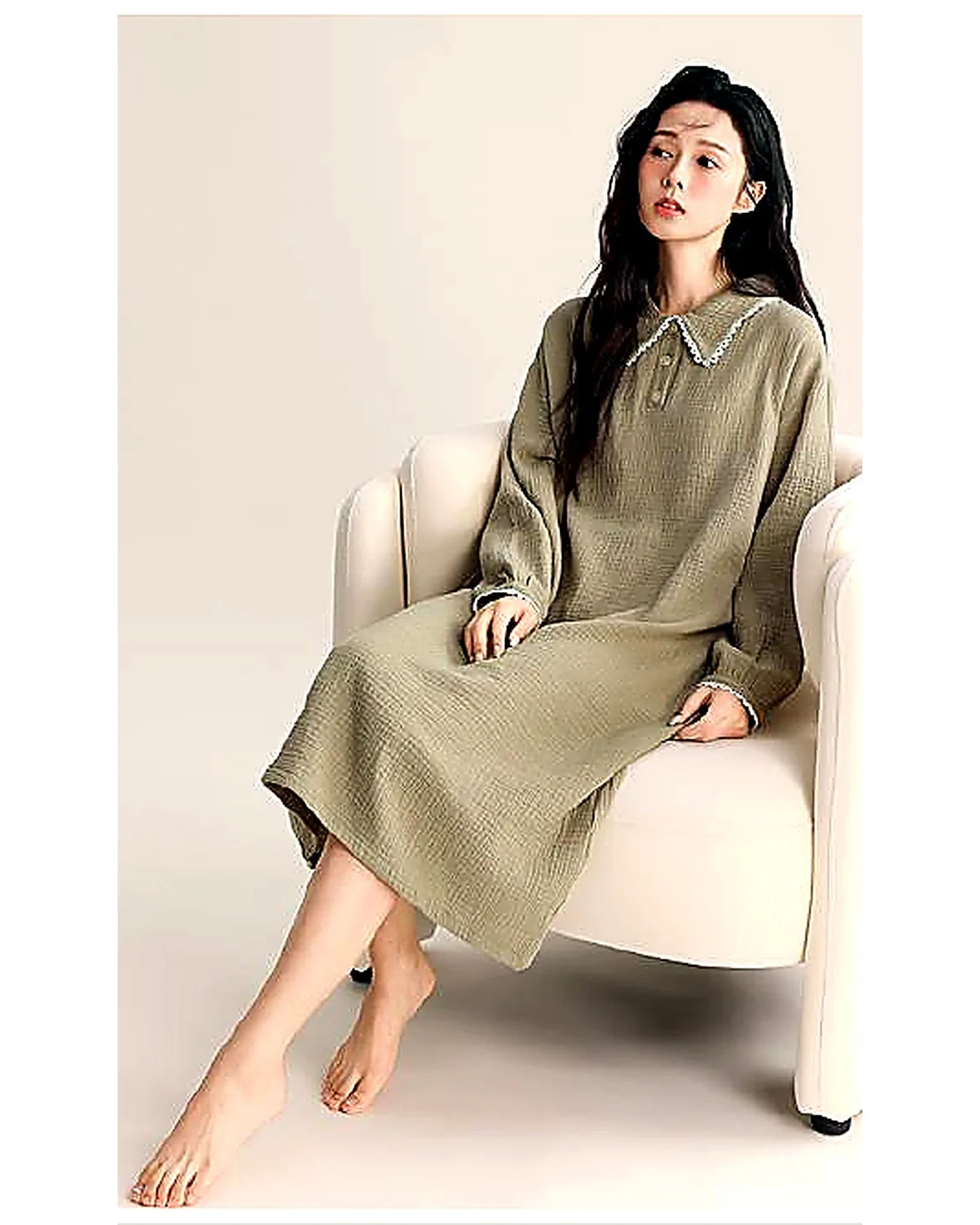
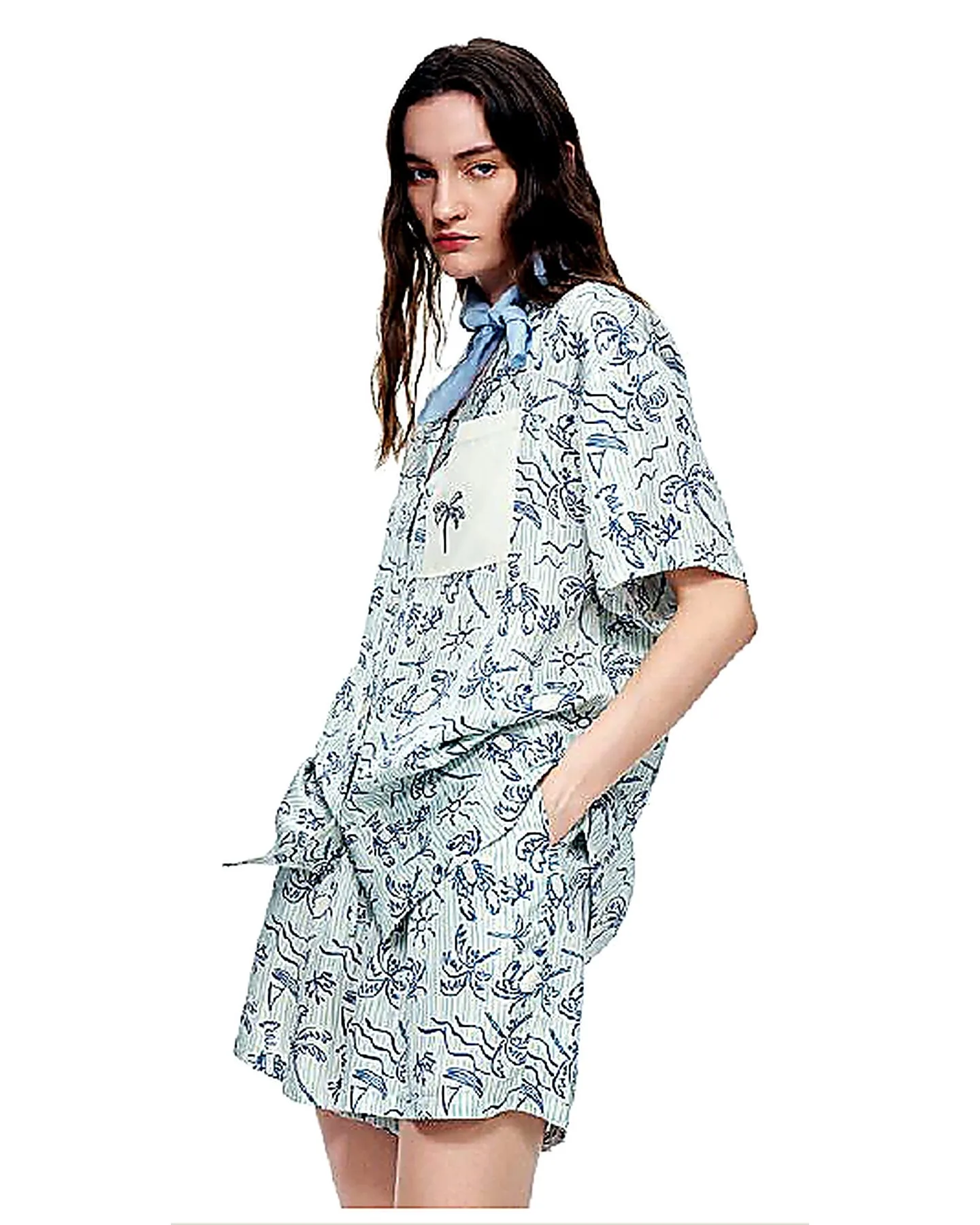
The Casual Fashion product programme can help a boutique identify category direction across shirts, blouses, dresses, T-shirts, trousers, and co-ordinated daywear. These are product-development references. They help the buyer point to relevant silhouettes and details; they do not imply that every item is held as ready stock.
What should buyers check about audit the assortment gap before contacting suppliers?
The best sourcing brief begins with the current sales floor, not the supplier catalogue. Review the boutique’s existing products, price architecture, customer feedback, size demand, colour performance, return reasons, and upcoming calendar. Identify the gap the new item must fill. This reduces the risk of buying an attractive garment that repeats an existing product without solving a commercial need.
Separate core, seasonal, and experimental styles. A core product is expected to earn repeat space and needs reliable records. A seasonal product may depend on a particular colour, print, or event. An experiment should have a clear learning objective, such as testing a new length, fabrication, or category. The sourcing route can then match the role. A ready-stock test may suit a short trend window; a custom programme may suit a signature product the buyer expects to develop over several orders.
Check how the new style works with the rest of the range. A boutique does not need every garment to share a fabric, but related colours, outfits, and price points help the buyer build displays and customer baskets. Custom development can coordinate several products around a controlled palette or material story. Ready-stock buying can also create a coherent range, but the buyer must edit across what is available rather than assume future continuity.
Make inventory constraints visible. Record the open-to-buy budget, delivery window, storage, online content needs, floor space, planned markdown period, and the quantity the boutique can present well. These are buyer decisions. A factory can explain order structure and production conditions, but it cannot determine how many units the boutique’s customers will purchase.
Use sales data where it exists, but do not invent precision where it does not. A previous dress may inform size ratios without proving demand for a new silhouette. A strong colour in knitwear may not behave the same way in a blouse. Mark each assumption and decide what the first order should teach the buying team.
What should buyers check about turn the assortment gap into a supplier-ready product brief?
A ready-stock enquiry still benefits from a clear brief. State the product category, customer, price position, colour direction, size range, quantity range, required delivery period, and any non-negotiable label or packing need. The wholesaler can then show relevant available goods instead of sending an undifferentiated catalogue.
A custom brief needs more product detail. Include front, back, and close-up references; intended fit; target sample size; size range; fabric behaviour; colourways; construction; trims; decoration; labels; packing; quantity by style and colour; destination market; sample purpose; and delivery objective. Identify which features are fixed and which are open for factory advice.
Reference images should be annotated. “Use this sleeve volume, not the neckline” is more useful than a folder of unmarked pictures. If a physical sample is supplied, state which features should be retained and which should change. A boutique clothing wholesale supplier cannot know whether “similar” refers to colour, silhouette, fabric, construction, finish, or retail position.
Fit language should be practical. Describe the product as relaxed, tailored, oversized, body-skimming, straight, fluid, cropped, layered, or full-length, then add measurements or a base chart where available. Note the areas that affect customer experience: shoulder, armhole, bust ease, waist position, rise, length, sleeve, neckline, or movement. The manufacturer can identify what needs a pattern decision or sample review.
The brief should also name the commercial unknowns. If the final fabric is open, describe handfeel, weight, drape, opacity, stretch, surface, care, colour, season, and target price direction. If quantity is provisional, provide two scenarios. A clear unknown invites a useful proposal; a missing field can become an invisible assumption.
How should buyers compare ready-stock wholesale and custom production on the same decision areas?
Unit price is only one part of the comparison. Ready stock and custom production include different work and transfer different risks to the buyer. A stock quote may describe a finished item that can ship after confirmation. A custom estimate may depend on final fabric, pattern, sample, decoration, labels, packing, quantity split, and commercial terms. Treating them as the same offer creates a misleading comparison.
Compare product control. Ready stock limits the buyer to what exists, although minor relabelling or packing changes may be possible. Custom production can give the boutique more influence over product and presentation, but each choice needs approval. More control is useful only when the buyer can make decisions on time.
Compare speed carefully. Ready stock may offer a shorter route if the goods and required size packs are genuinely available. Confirm whether the supplier is showing live inventory, an incoming order, or a previous collection. Custom timing depends on the product, materials, sample revisions, component approvals, quantities, production planning, packing, and delivery route. Do not treat an early target date as unconditional.
Compare inventory risk. A stock order can reduce development cost and allow smaller tests, yet the boutique may have less exclusivity and uncertain restock. A custom order may require a more concentrated commitment, but can create a product that fits the boutique’s brand and a record for future orders. The decision table below helps a buyer compare the full route rather than only the visible unit.
How should buyers plan quantities by style, colour, size, and sales channel?
The total quantity does not show how difficult an order is to source or produce. A boutique needs to split units by style and colour, then add the size range or ratio. Ten styles in several colours with separate trims and labels create a different route from a focused capsule using two materials and one presentation system.
For ready stock, ask how size packs are sold. Some suppliers allow the buyer to select individual sizes; others sell pre-packed ratios. Confirm whether colours and sizes are available in the requested quantities, whether substitutions are allowed, and whether the restock will follow the same product and pack. A product page or line sheet is not proof that every variant is currently available.
For custom production, discuss MOQ through the actual variables. Fabric availability, dyeing or print, colour count, trim and label quantities, decoration setup, cutting efficiency, size range, packing, and line planning can all affect the workable order. Provide a preferred scenario and a consolidated option, then ask which decision creates the main constraint.
A useful consolidated scenario may reduce colourways, share a fabric across related styles, use one label system, simplify packing, or focus the first order on the most important products. It should not remove the feature that gives the collection its reason to exist. The goal is to reduce unnecessary fragmentation while protecting customer value.
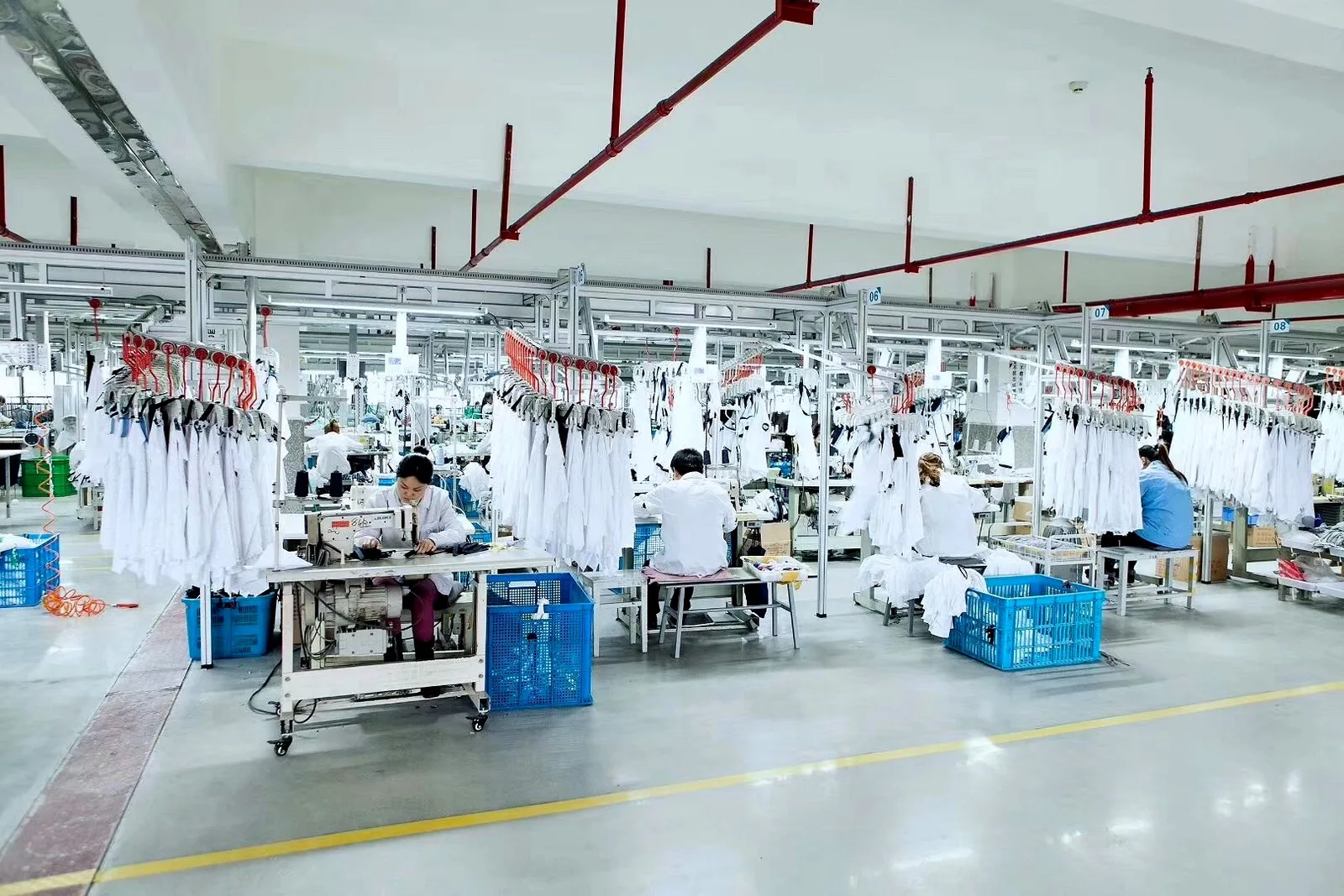
The factory image above represents a production route, not a stock warehouse. Once a custom product is approved, the product standard, quantity split, materials, trims, labels, quality points, packing, and delivery instructions need to reach the teams that execute the order. A boutique comparing suppliers should ask how that handover is controlled.
How should buyers use samples to test the product and the operating model?
A ready-stock sample should represent the goods the boutique expects to receive. Ask whether it comes from current stock, whether bulk units use the same fabric, colour, construction, labels, and finishing, and how variation is handled. Review fit, measurements, material, stitching, closure, surface, care information, and presentation. If the supplier cannot connect the sample with the saleable stock, the sample has limited value.
A custom sample has a different role. It can test silhouette, fit, fabric behaviour, construction, trim compatibility, decoration, labels, or packing. Name what each version is intended to prove. A first shape sample made in substitute material should not be treated as approval of final colour, handfeel, care, or bulk packing.
Record comments by location and effect. “Reduce sleeve volume while keeping the shoulder and body length” is actionable. “Make it more premium” is not. Ask the manufacturer whether a requested change affects the pattern, fabric, construction, consumption, component, price direction, or timing. Keep the sample version, measurements, material reference, comments, and next action in one file.
The Blouse Collection 2026 can help a boutique discuss sleeve, collar, placket, drape, opacity, surface, and movement. The Dress Collection 2026 can help define length, waist position, lining, closure, pocket, print scale, and hem behaviour. Use these references to make decisions visible, not to assume ready inventory.
Approval ownership matters. A boutique founder, buyer, designer, e-commerce team, and operations contact may all review the garment. Consolidate their comments before sending them to the supplier. A clean decision record is part of quality control and gives the boutique clothing wholesale supplier a better basis for the next sample or bulk release.
What should buyers check about verify the supplier’s operating model and quotation basis?
Ask direct questions before comparing offers. Does the supplier own or control the stock? Is it acting as a manufacturer, wholesaler, sourcing agent, or trading company? Which work is completed internally and which is placed with other parties? The answer does not automatically make one model better, but it shows who controls product information, material, production, quality, packing, and communication.
For ready stock, request the current style code, colour and size availability, pack ratio, unit identification, stock location, sample relationship, product information, packing, shipping basis, and restock policy. Ask how the supplier handles a shortage between order confirmation and allocation. The buyer should understand when stock is reserved and what happens if a variant becomes unavailable.
For custom production, request a quotation that lists the product and material basis, quantities by style and colour, sample scope, pattern or development work, trims, decoration, labels, packing, quality plan, commercial terms, and open assumptions. Early estimates can support planning, but the factory should state what must be confirmed before the price and schedule are final.
Compare like with like. If one supplier uses an available stock fabric and another assumes a custom colour, the offers describe different products. If one quote includes private labels, barcodes, folding, and cartons while another covers the garment only, record the gap. A boutique clothing wholesale supplier should make exclusions visible.
Communication is part of the operating model. Ask who owns the project, how versions are identified, how sample comments reach the relevant team, what becomes the approved reference, and how changes are documented. Speed is useful, but an immediate answer without clear assumptions can create expensive ambiguity.
How should buyers connect private labels and retail packing to the buying decision?
Private label is not simply a logo added at the end. The garment, label files, product information, hangtags, barcode, size sticker, folding, individual packing, and cartons need to describe the same product. A boutique should decide which elements are essential for its customer and sales channel before approving bulk.
For ready stock, ask what branding changes are allowed without changing the garment or violating existing label information. Confirm whether original labels can be removed, whether care and fibre content remain accurate, who provides final artwork, and whether component minimums or additional handling apply. A relabelled stock item is still based on the original product.
For custom production, integrate the brand system into the sample and approval plan. Main labels, size labels, care information, hangtags, logo placement, barcode data, folding, tissue, bags or boxes, and carton marks each need a file, location, quantity, and owner. The private-label programme provides a practical route for organising these components.
The destination market and sales channel influence the information needed. The factory can coordinate approved files and placement, but the buyer remains responsible for confirming current fibre, care, origin, responsible-party, language, claim, importer, retailer, marketplace, and packaging requirements with the relevant internal or external owner.
Create a packing master for each style. Include the fold, tissue or insert, bag or box, label and barcode positions, size sticker, individual identification, carton quantity, size assortment, carton marks, and special retailer instructions. The master should be simple enough for packing and final inspection teams to use.
How should buyers protect quality across a mixed boutique assortment?
Boutique orders often contain several visually different products. A single generic inspection statement is not enough. Define the quality priorities for each style and the shared points across the assortment. A blouse may need checks on transparency, seam finish, placket, buttons, and pressing. A dress may depend on drape, lining, closure, length, print placement, and hem balance.
Connect quality checks to the approved reference. For custom production, the factory should have the current sample, measurements, material and colour, construction, trims, decoration, labels, packing, and change record. For stock buying, the boutique should identify the approved or inspected sample, current stock code, expected variation, and any final selection standard.
Use staged checks where relevant. Material and colour review happen before cutting. Construction and measurements can be checked during production. Labels, appearance, pressing, folding, barcodes, size assortment, and cartons need review before release. The manufacturing process explains how production planning, in-line checks, finishing, packing, and delivery preparation connect.
The buyer should define what happens when a point is outside the agreed standard. Some issues can be corrected before packing. Others may need a documented decision. Keep correction and approval records with the order. A boutique clothing wholesale supplier should not treat quality as a claim detached from the product standard.
Quality also includes consistency between units and variants. The boutique needs the correct style, colour, size, label, barcode, and packing relationship. A well-made garment with the wrong size sticker or carton assortment can still fail at the warehouse or sales floor.
How should buyers build a reorder route before the first products reach the sales floor?
Ready-stock replenishment depends on availability. Ask whether the supplier expects to continue the style, fabric, colour, and size pack, but do not treat an intention as guaranteed inventory. Record the supplier style code, product information, sample, colour, size pack, labels, and packing so the buying team can verify whether a later offer is truly the same.
Custom reorders depend on records. Keep the approved sample identity, current measurements, fabric and colour references, construction, trims, decoration, label files, packing master, quality notes, final quantity split, and every accepted change. Add boutique sales data after launch: sell-through, return reasons, fit feedback, colour response, size demand, damages, and customer questions.
State what is unchanged and what is new when requesting a repeat. A new colour may need material and colour approval. A different size ratio changes cutting and packing. A revised label or new market can change files and requirements. Fabric or trim availability may need reconfirmation. “Repeat the same” is not enough when the previous standard is not identified.
Reorder planning should affect the original sourcing decision. A boutique may accept limited continuity for a short seasonal test. A core product needs stronger product memory. The buyer should know whether it is purchasing a one-time stock opportunity, developing a repeatable private-label item, or testing a product that may move from stock buying to custom production after demand is clearer.
The sample-to-bulk workflow helps connect development, production, QC, packing, and repeat-order preparation. Use it to identify which records the boutique should retain rather than assume the supplier will reconstruct the order from an old photograph.
What a boutique buyer should send to a supplier?
- Boutique and customer context: sales channel, destination market, target customer, price position, assortment gap, launch date, and whether the style is core, seasonal, or experimental.
- Required sourcing model: immediate ready stock, limited relabelling, custom product development, or a private-label bulk programme; mark which route is preferred and which is still being compared.
- Product direction: category, style code, front and back references, details, intended fit, target sample size, size range, colourways, fabric behaviour, construction, trims, and decoration.
- Quantity structure: units by style and colour, desired size selection or ratio, alternative consolidated scenario, stock test quantity where relevant, and possible reorder logic.
- Sample and approval needs: sample purpose, current stock relationship or custom version, measurements, comment owner, decision dates, approval standard, and unresolved points.
- Brand presentation: main and size labels, care information, logo, hangtags, barcode, size sticker, folding, individual packing, cartons, retailer instructions, and final artwork owner.
- Commercial and delivery context: requested delivery window, destination, shipping or delivery basis to discuss, quotation comparison fields, and the assumptions that must be stated separately.
- Quality and reorder record: style-specific quality priorities, inspection or approval points, product identity, records to retain, sales information to collect, and the changes that would require a new approval.
Yinshan Fashion can review this input for a custom or private-label boutique programme. Send product references or a tech pack, intended fit, material and colour direction, quantity by style and colour, size plan, labels, packing, market, sample purpose, and delivery objective through the contact page. If the project requires immediate finished stock, state that clearly so the sourcing model can be identified before the buyer treats a manufacturing reference as a stock offer.
Boutique assortment sourcing
Three checks that separate a stock offer from a custom boutique programme
A useful supplier comparison starts before price. Confirm whether the offer is live stock or made to order, how each style is developed, and what records will support branded delivery and repeat buying.
Operating model
Ask what is physically available now, what is only a reference sample, and what must be developed after specifications, materials, and quantities are confirmed.
Order structure
Compare the complete style-colour-size mix instead of one headline quantity. A workable programme needs a clear basis for sampling, production, and replenishment.
Retail and reorder record
Record labels, packing, market requirements, and approved product details so the first delivery can become a controlled repeat order instead of a fresh negotiation.
Boutique supplier comparison checklist
Use the same five headings for every supplier. The answers reveal whether two quotations describe comparable offers.
| Decision area | What the buyer should prepare | What to ask the factory |
|---|---|---|
| Sourcing model and live availability | State whether you need ready stock, custom manufacture, or a clearly separated combination. Ask for a dated view of what can actually be ordered. | Which items are live stock, which are development references, and which must be sampled and manufactured after approval? |
| Product, fit, and material basis | Provide the product category, customer, fit direction, material intent, colour direction, and any non-negotiable garment details. | What approved reference will control fit, fabric, trims, construction, and colour before bulk production? |
| Style-colour-size quantities | Build the order by style, colour, and size instead of sharing only one total-unit number. | Which combination of styles, colours, sizes, and shared materials creates a workable custom programme? |
| Labels, packing, and destination market | List main labels, care labels, hangtags, folding, polybags, cartons, destination, and any retailer or market inputs. | Which brand and packing files must be approved, and when do they enter the production schedule? |
| Quality and reorder record | Agree how comments, approvals, measurements, material references, packing details, and delivery feedback will be retained. | What record will be used to reproduce an approved style or diagnose a change on the next order? |
Continue the production conversation
Boutique clothing sourcing: ready stock versus custom production
| Decision area | Ready-stock route | Custom or private-label route |
|---|---|---|
| Product selection | Buyer selects from finished goods, current colours, available sizes, and the supplier’s pack structure. | Buyer and factory align product direction, fit, fabric, construction, colours, trims, labels, and packing before bulk. |
| Speed and approvals | Can be shorter when genuine stock is available; buyer confirms the sample, live inventory, product information, packing, and allocation. | Depends on product, materials, sample revisions, component approvals, quantities, production planning, packing, and delivery route. |
| Quantity structure | May support a smaller test, but sizes can be sold in fixed packs and replenishment may be uncertain. | MOQ is discussed through style, colour, fabric, size ratio, trims, decoration, labels, packing, cutting, and production conditions. |
| Brand control | Product is already defined; limited relabelling or packing changes may be possible and must remain accurate for the goods. | More control over the garment and retail presentation, with buyer-owned files and approval decisions before production. |
| Reorder route | Depends on whether the same stock, colour, size pack, and product remain available. | Uses the approved sample and records, while new colours, materials, sizes, labels, markets, or packing require reconfirmation. |
Buyer FAQs
What is a boutique clothing wholesale supplier?
The term can describe a ready-stock wholesaler selling finished garments or a supplier supporting custom and private-label bulk production. Ask whether the goods already exist, which colours and sizes are currently available, what can be changed, and whether product development and sampling are required. The operating model determines how the boutique should compare speed, quantities, control, packing, and reorder continuity.
Should a boutique buy ready stock or develop private-label clothing?
Ready stock can suit a fast seasonal fill-in or a smaller demand test when the buyer is comfortable with available products and uncertain continuity. Private-label manufacturing can suit a signature or repeatable product that needs control over fit, fabric, colour, labels, packing, and records. Compare the assortment objective, included work, inventory risk, approval capacity, and reorder plan rather than unit price alone.
Can a boutique start with ready stock and move to custom production later?
Yes, but treat them as separate product routes. Sales from a stock item can inform category, colour, and size demand, while a custom version still needs its own brief, pattern or fit, fabric, construction, sample, labels, packing, quantities, and approvals. Do not assume the stock supplier’s product files or materials can be transferred unchanged to a factory.
What quantities should a boutique send when requesting a custom quote?
Provide units by style and colour, the size range or proposed ratio, a preferred order scenario, and a consolidated alternative. Add materials, trims, decoration, labels, packing, market, and delivery objective. The factory can then explain which element affects the workable MOQ or quotation basis instead of giving a universal number disconnected from the product.
How can a boutique verify that a wholesale supplier really has stock?
Request current style codes, live colour and size availability, pack ratios, stock location, reservation terms, sample relationship, product information, packing, shipping basis, and restock policy. Confirm when the stock is allocated and how shortages or substitutions are handled. A catalogue image or previous sample alone is not proof that every variant is currently available.
Does Yinshan Fashion sell ready-stock boutique clothing?
Yinshan Fashion focuses on custom and private-label fashion manufacturing. Product collections can support a boutique development conversation, but the final product, materials, colours, quantities, sizes, labels, packing, production timing, and delivery requirements need to be confirmed against the buyer’s brief and approved samples rather than treated as unrestricted ready inventory.