Article
What should buyers know first?
Short answer: A buyer and factory guide to print references, production checkpoints, sampling decisions and documented bulk release.
Apparel print quality control starts before the first production roll or garment is inspected. Buyers and factories need an approved reference, a clear description of what that reference covers, and a way to connect it to the actual material, artwork and order. Yinshan Fashion supports custom and private-label bulk programmes rather than unrestricted ready-stock wholesale; each project's print route, inspection responsibilities and acceptance requirements must be agreed.
Direct answer: use the approved file, material and physical sample as linked references; check the relevant work before cutting, during garment production and at the agreed final review; and record exceptions with the affected lot, owner and decision. A sample inspection reduces uncertainty but does not guarantee that every unit is defect-free or establish an unperformed laboratory test.
What is apparel print quality control?
Apparel print quality control is the planned review of print-related characteristics against agreed project requirements. Depending on the garment, those characteristics may include the correct artwork and colourway, visual appearance, orientation, motif position, continuity at selected seams and the relationship between printed and unprinted components. The plan also needs a response when a finding is outside the agreed limits.
Quality control is not the same as a promise that every result will be perfect. A buyer may approve a design file, a fabric strike-off and a sewn sample at different times. Each reference answers a different question, and none automatically covers a later fabric change or every size. The print sample approval checklist helps define those boundaries before the bulk team starts.
The most useful quality plan identifies the people who will actually make decisions. Name the brand approver, garment factory contact, print provider when applicable and inspection owner. Agree who can stop an affected lot, who can authorise a correction and how the final decision is documented. A statement such as “standard quality” leaves those responsibilities unresolved.
Which documents should travel from approval to production?
Create a controlled record linking the style number, purchase order, artwork revision, colourway, material reference, print method as described by the supplier and approved sample identifiers. Include the pattern or measurement revision when placement depends on garment construction. Record any limitations: a development proof may use a substitute base, while a final garment sample may not cover another colourway.
Keep the physical reference available when colour, scale or surface appearance is important. A photograph is helpful for locating a motif or identifying a sample, but a screen image can be affected by lighting and display settings. If a brand requires a physical standard, agree where it will be held, who can use it and how the reference will be protected from mix-ups.
The artwork approval guide explains the file handover. Before bulk, check that the production file is the one connected to the approval and that any resizing, mirroring or conversion has been reviewed. A file with a familiar name is not sufficient evidence if several versions are circulating.
How should inspection points reflect the garment?
Start with a drawing or physical sample and identify the surfaces a customer will notice. For a T-shirt programme, a placed graphic may be judged against the centre front, neckline and agreed measurement points. A print that is acceptable on a relaxed body may be obscured or distorted by a pocket, seam or different size.
For a style in the dress collection, the relevant issue may be the relationship of a motif to a waist seam, front opening or skirt panel. Do not assume every seam must match. Specify which alignments are essential and which may vary within an agreed range, using a drawing and approved garment where useful.
Stretch products introduce other questions. The yoga and jogging activewear collection provides garment references for discussing panels, waistbands and movement. Review the intended print on the actual base and representative garment; product photographs are not evidence of a new order's print process, colourfastness or inspection outcome.
What needs checking before bulk printing?
Confirm that the material, ground colour, artwork file and colourway match the order record. The print provider should be able to identify the relevant proof and any production adaptations. If a new material batch or finishing route has been introduced since the sample, decide whether the approval still applies or whether another representative proof is needed.
Ask for a production-intent check at an agreed stage. It may help identify a file error, incorrect scale or unexpected colour relationship before a large quantity has moved to the next operation. The actual timing and size of this check depend on the method and project. A first acceptable piece should be identified and retained only when the parties have agreed what it represents and who approved it.
Clarify how the process will be monitored after that initial decision. A printed fabric roll and individual garment transfers have different handling and traceability needs. The buyer can request a practical description of how the provider identifies affected material, records adjustments and communicates a problem. Do not imply that one method or machine is available for every order.
How can a team review colour consistently?
Identify the approved physical colour reference, viewing conditions and the person responsible for the decision. Present the reference and production material in a consistent orientation and consider the ground, texture and finish. A pattern with several colours can require separate decisions about background, individual motifs and the relationship between them.
Datacolor's textile colour guidance notes that visual appearance can be influenced by lighting and material properties. Instrumental measurements can assist when agreed, but an instrument setting or numerical tolerance should not be invented after the order has started. Agree the reference, procedure, sample presentation and decision rule with the relevant specialists.
Make the colour decision traceable to the material actually reviewed. If a photo is used to report an issue, include its location and context without treating it as conclusive colour evidence. A replacement panel made on a different base may not visually match the original even if the digital artwork is unchanged. Identify who will compare the replacement with the retained reference.
What should be reviewed on printed fabric?
Before cutting, identify the roll or lot, fabric face, orientation and relevant approved repeat. Review visible print characteristics and material condition against the agreed standard. Look for issues that would affect planned garment pieces, including obvious missing areas, unintended marks or an orientation that conflicts with the pattern. Record the location rather than describing an entire roll as simply “bad.”
The fabric development and sourcing solution is relevant when base, finish or availability needs to be reviewed with the print. A sample on a different fabric can be useful for preliminary artwork discussion, but it does not establish that the production fabric will behave identically. Distinguish material approval from a print-appearance decision.
Agree how the cutting team will use the fabric review. If a visible issue is found at a repeat interval, a cutter may be able to avoid it, but avoiding it can affect yield or panel matching. The production team and buyer should decide how the issue is recorded and what additional material or approval is required. Do not conceal a recurring fault through isolated panel selection.
How should placement be checked on a garment?
Use the current pattern, a defined reference size and measurable points such as the centre front or a specified distance from a neckline. The method must allow an inspector to reproduce the measurement. State whether the artwork is measured before or after a particular construction step and how curved seams or stretch affect presentation.
For an all-over design, map the panels and mark the seam priorities. A small abstract repeat can reasonably vary from piece to piece if the brand accepts that outcome. A prominent directional motif may require more control. The all-over print activewear guide discusses repeat, grading and cutting decisions without implying that every seam can be matched.
Inspect representative sizes when the pattern grades or the design position changes. A sample in one size does not automatically establish the result in the full range. Agree which sizes require a physical comparison and which can be reviewed using a reliable layout. Record the acceptance boundary before bulk rather than deciding it only after a disagreement.
What can go wrong between cutting and sewing?
Correctly printed material can still be paired or assembled incorrectly. Identify how left and right pieces, colourways and sizes are kept separate. For directional prints, mark the intended orientation in the cutting and sewing instructions. If a replacement panel is needed, identify its material and colourway and check whether the matching priority remains achievable.
Record the effect of a change to a panel, seam, waistband or pocket. A fit correction may move an approved motif relative to the body, and a new trim can obscure part of a design. Send the revised pattern and placement information to the people who need it. The responsible brand contact should decide whether the change is within the original approval.
A useful handover includes a visual reference, a short description of the required check and a way to report exceptions. It does not need to be an elaborate manual for a straightforward style. It does need to distinguish a required alignment from a preference, identify the governing revision and name the person who can resolve a conflict.
Consider a hypothetical two-colour dress order. The cutting team discovers that one printed roll has a noticeably different ground from the approved proof. Cutting one colourway first and separating the remaining roll by its identity can make the extent of the question easier to establish. The buyer and provider can compare the retained reference, check the material and print records, and decide whether additional evidence or a different disposition is required. This is an illustrative workflow, not a claim about a Yinshan order.
The same principle applies to a placed T-shirt graphic. If the design appears lower on one size, first check the approved size-specific placement and the garment measurement points. A size grade may be intentional, an outdated instruction may have reached one station, or the observed piece may be an isolated exception. Keep the item and its identifiers available until the responsible parties agree what happened and what should be reviewed next.
How should an inspection sample be selected?
Agree the lot definition and the inspection approach before the review. A lot might be separated by style, colourway, size distribution, print batch or other meaningful production boundary. Explain who selects the items, when they are selected, what is examined and how the results are recorded. A selection made only from easy-to-reach cartons can miss variation across a shipment.
If an acceptance-sampling standard or customer's plan applies, the parties should agree the applicable edition, inspection level, sample size, defect classification and acceptance rules. The ASQ explanation of attribute and variable sampling distinguishes counting nonconforming characteristics from measuring a variable. It does not prescribe a universal plan for every apparel order.
Sampling is a decision method, not proof that every uninspected garment is conforming. ASQ's discussion of inspection alternatives notes that sampled lots still carry risk and that inspection does not replace process monitoring. Do not claim a fixed AQL, zero defects or a guaranteed outcome unless the actual agreement and evidence support it.
What should an inspector record?
Record the order, style, colourway, size, lot and the reference used for each review. For each finding, note the characteristic, location, observed condition, quantity affected, date and reviewer. A photograph with a ruler or panel marker can help identify the issue; keep it linked to the actual item and the inspection conditions.
Describe observations before assigning a cause. “A pale line appears near the side seam” is more useful initially than assuming a machine setting caused it. The print provider, fabric supplier and garment team may need to compare retained material and production records. Keep the investigation separate from the acceptance decision, and avoid changing the agreed defect classification without authorisation.
Separate what was examined from what was not. A report can state the selected units and visual checks without implying that the entire lot was inspected or that laboratory performance has been proven. If an inspection is interrupted or a sample is unavailable, record the limitation and the exact next action rather than marking the order as passed.
The report should also distinguish a finding from its disposition. For instance, a reviewer might note a misoriented panel in one sampled garment and place the related bundle on hold. The supplier may later inspect additional items, replace affected panels and request a recheck. Record each step with a time and responsible party. If the initial sample result is retained but the additional review is not described, the brand cannot tell whether the final decision applies to one piece or the entire bundle.
Where multiple teams handle the order, agree a simple format before production. A shared table or form can contain the order reference, characteristic, sample quantity, findings and release decision. Include links to relevant photographs and test reports, but avoid using a photo as the only description. The goal is a record that another person can follow without reconstructing a long chain of messages.
How are test reports different from visual checks?
Visual assessment addresses what the reviewer can observe under stated conditions. It does not by itself establish colourfastness to laundering, rubbing, perspiration or another exposure. AATCC's colorfastness training overview describes separate categories of methods for different exposures. A test must match the buyer's use and the agreed specimen and criteria.
Before ordering a test, specify the method and edition, material or garment to be tested, colourway, laboratory, sample preparation, acceptance criteria and decision owner. The brand and relevant advisers remain responsible for market and customer requirements. A supplier's suggestion can help frame a question, but a generic method number does not establish legal compliance or replace a required report.
Link the result to the actual order reference and state whether it is pending, completed or not requested. If the material, ink or finish changes, review whether the earlier evidence remains applicable. Do not present a visual pass, a supplier statement or a previous programme's report as a completed test for the current lot.
What happens when a lot is placed on hold?
Identify and separate the potentially affected items so that they are not accidentally mixed with released goods. Record the reason for the hold, scope, time and decision owner. The scope may initially be uncertain; distinguish the material known to be affected from the material that still needs review. Tell each party what evidence is needed to define the boundary.
Agree whether the proposed response is additional inspection, rework, replacement, concession or rejection. Each choice has practical consequences. A replacement panel may alter matching, while a reworked print may need a new visual or performance assessment. The people responsible should document the proposal and its effect rather than making an unrecorded change to meet a dispatch date.
After an authorised action, state how the affected material will be rechecked and who can release it. Preserve the original finding and the final decision together. A closed issue should show what changed, what evidence was reviewed and whether any limits remain. A verbal assurance alone is difficult for the next shipment or reorder team to interpret.
How should a buyer distinguish a concession from a new standard?
A concession is a decision about a defined exception under agreed authority. It might apply to a specified quantity, position or batch; it should not silently replace the original approved sample for future orders. Record the scope, reason, date, approver and any customer or packing consequence.
If the brand wants the changed appearance to become the new standard, create and approve a revised reference instead. Update the order instructions and identify which future lots use it. A photo of an accepted exception may be useful evidence, but it should be labelled so an operator does not mistake it for the governing sample.
For a small programme, these records can be concise. The small-batch manufacturing solution helps frame a practical discussion of style, quantity and production coordination. Small batches still need clear approval boundaries; they do not automatically eliminate print setup, test or supplier constraints.
What belongs in the final bulk review?
Bring together the approved reference, the current order and any agreed inspection or test results. Confirm the reviewed lot, sample selection, characteristics examined, findings and open exceptions. The final decision may be acceptance, conditional acceptance, further review or rejection according to the parties' agreement. Avoid reporting “passed” when an essential result or authorised decision remains pending.
Check that labels, colourway and size identification correspond to the garments being packed, and that affected or held pieces cannot enter a released carton unnoticed. If the customer requires an independent inspection or particular documentation, agree access and timing in advance. The existence of a factory review should not be described as an independent audit unless it was one.
Finally, retain a copy of the approved reference and decision for the next order. A repeated design on a different base, a new colourway or an altered printing route may need a fresh assessment. The record should help the next team understand why the prior decision was made, not imply that an old approval covers every future version.
What should a brand send to start the discussion?
Provide the garment category, artwork file or preview, intended size and placement, fabric direction, colourways and estimated quantities. Share the approved sample if one exists, its limitations and the intended market or customer requirements. List any required tests, inspection plan or delivery documents, and distinguish a contractual requirement from a preference still being discussed.
Name the person who can approve samples, accept a concession or resolve a hold. If several suppliers are involved, identify the expected handover between printer and garment maker. Ask for a project-specific quality plan that matches the actual process, rather than assuming a single checklist covers every print route.
Send the print quality brief to Yinshan Fashion with the current artwork, reference and order scope. The team can discuss fabric, sample and production coordination for the actual project without promising an unverified test result, minimum, price or lead time.
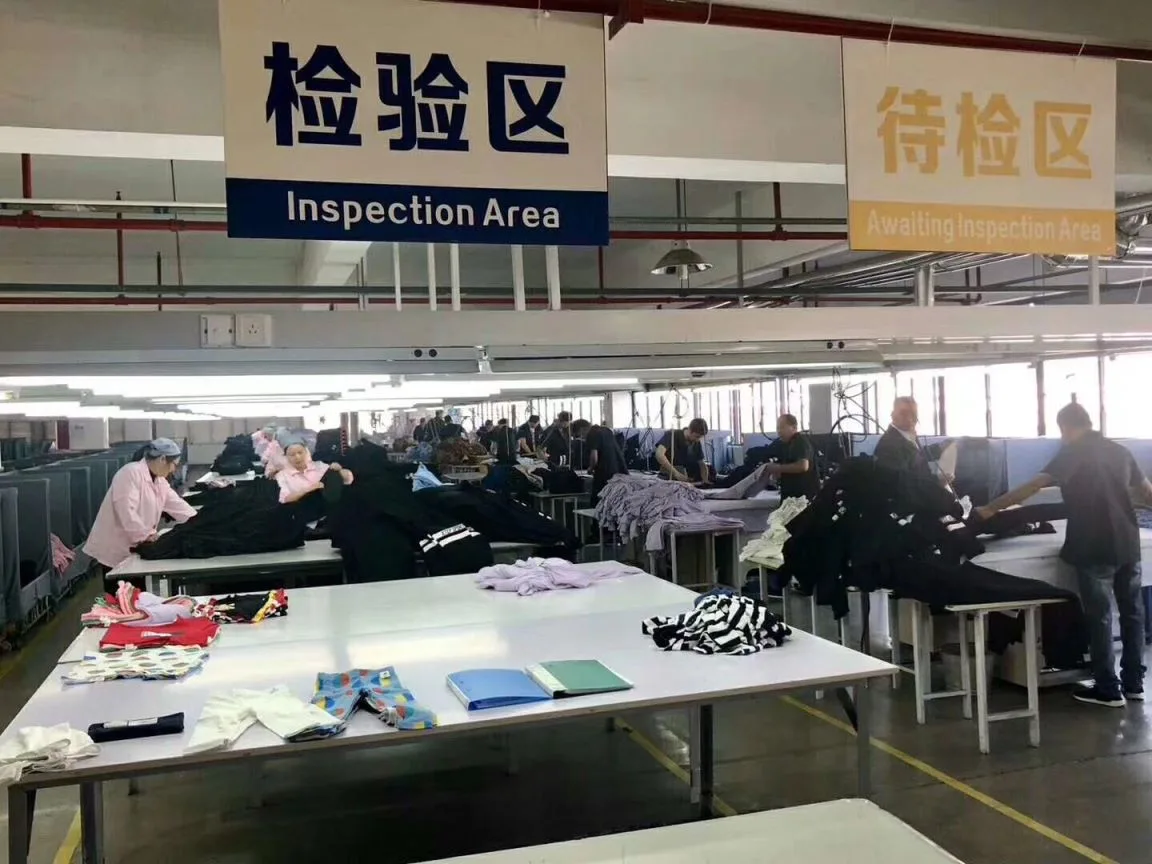
Print quality handover
Three checks before a bulk lot is released
Link the approved reference to the actual production lot, the inspection scope and the decision owner.
Identify the reference
Match the file, colourway, base and sample to the order and revision.
Define the review
Agree lot boundaries, inspection points and any separate test requirements.
Record the decision
Keep findings, holds, authorised exceptions and release evidence together.
Buyer inputs and factory confirmations
Use this handover for each relevant style, colourway and production lot.
| Decision area | What the buyer should prepare | What to ask the factory |
|---|---|---|
| Approval | Provide the current file and approved physical references. | Does the bulk record identify their revisions and limits? |
| Material | Confirm the base and any customer requirements. | Does the material match the reference or need another decision? |
| Placement | Mark critical positions and seam priorities. | How will the agreed sizes and panels be checked? |
| Inspection | Agree lot boundaries and sampling rules. | Who selects units and records findings? |
| Testing | Specify method, specimen, criteria and owner if required. | Which reports are complete, pending or not requested? |
| Release | Name the person authorised to resolve exceptions. | How are held pieces separated and rechecked? |
Continue the production conversation
Connect each checkpoint to a usable record
| Checkpoint | Reference | Decision | Do not assume |
|---|---|---|---|
| Artwork release | Approved file and revision | Correct design, scale and colourway | Printed appearance is approved |
| Printed material | Production-intent physical proof | Appearance, orientation and usable areas | Fit or garment placement is approved |
| Cut and sewing | Pattern and marked sample | Panel identity and stated matching priorities | All sizes are identical |
| Final review | Order and inspection plan | Disposition of the defined lot | Every unit has been inspected |
| Performance test | Agreed report and specimen | Result against the agreed criteria | Unrelated tests or compliance passed |
Buyer FAQs
What is apparel print quality control?
It is a planned set of checks against agreed print, material and garment references, with documented actions for findings and release.
Does an approved print sample guarantee every bulk item?
No. The sample is a reference for the characteristics and conditions it covers. Bulk monitoring and an agreed inspection remain separate.
Does an inspection sample mean the entire lot is defect-free?
No. Sampling informs a decision about a defined lot and retains risk for uninspected items. Agree the inspection method and acceptance rules.
Does a visual print check prove colourfastness?
No. Any required performance claim needs its own agreed test method, specimen, criteria and result.
What happens if an approved fabric or artwork changes?
Record the change and ask the authorised parties to assess whether another proof, garment sample or test is needed before release.