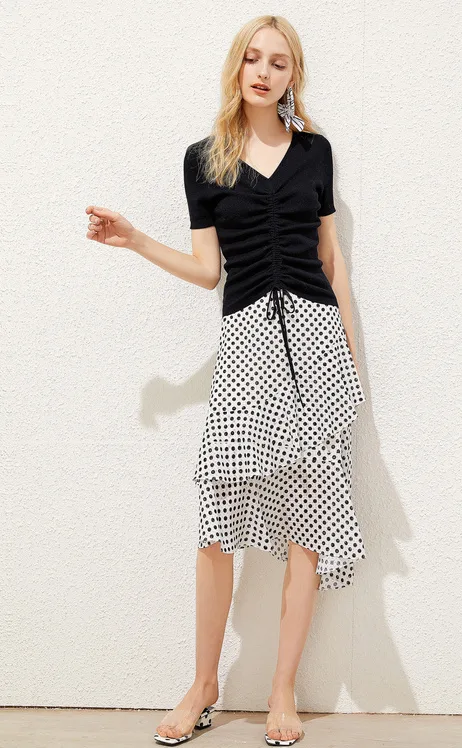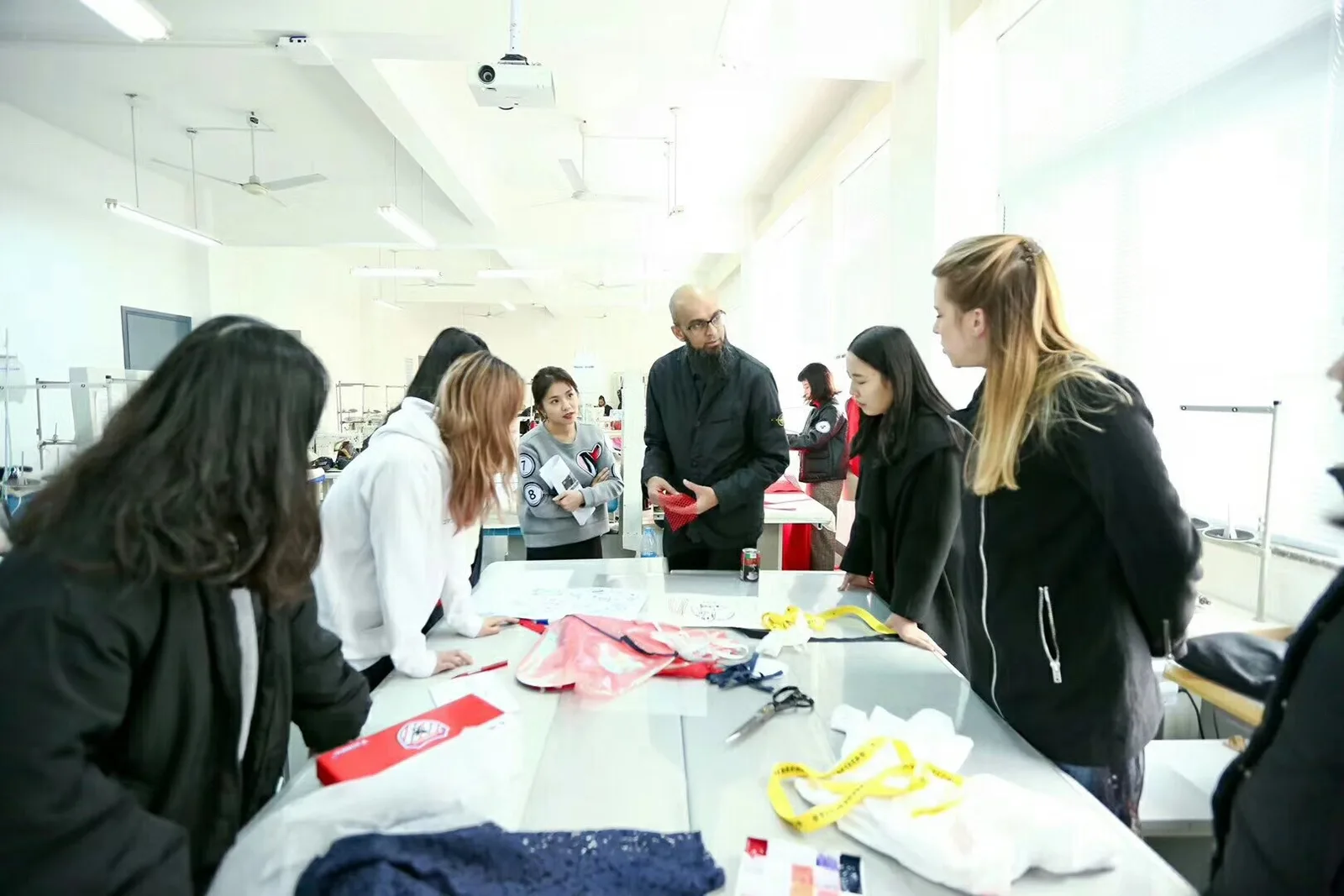
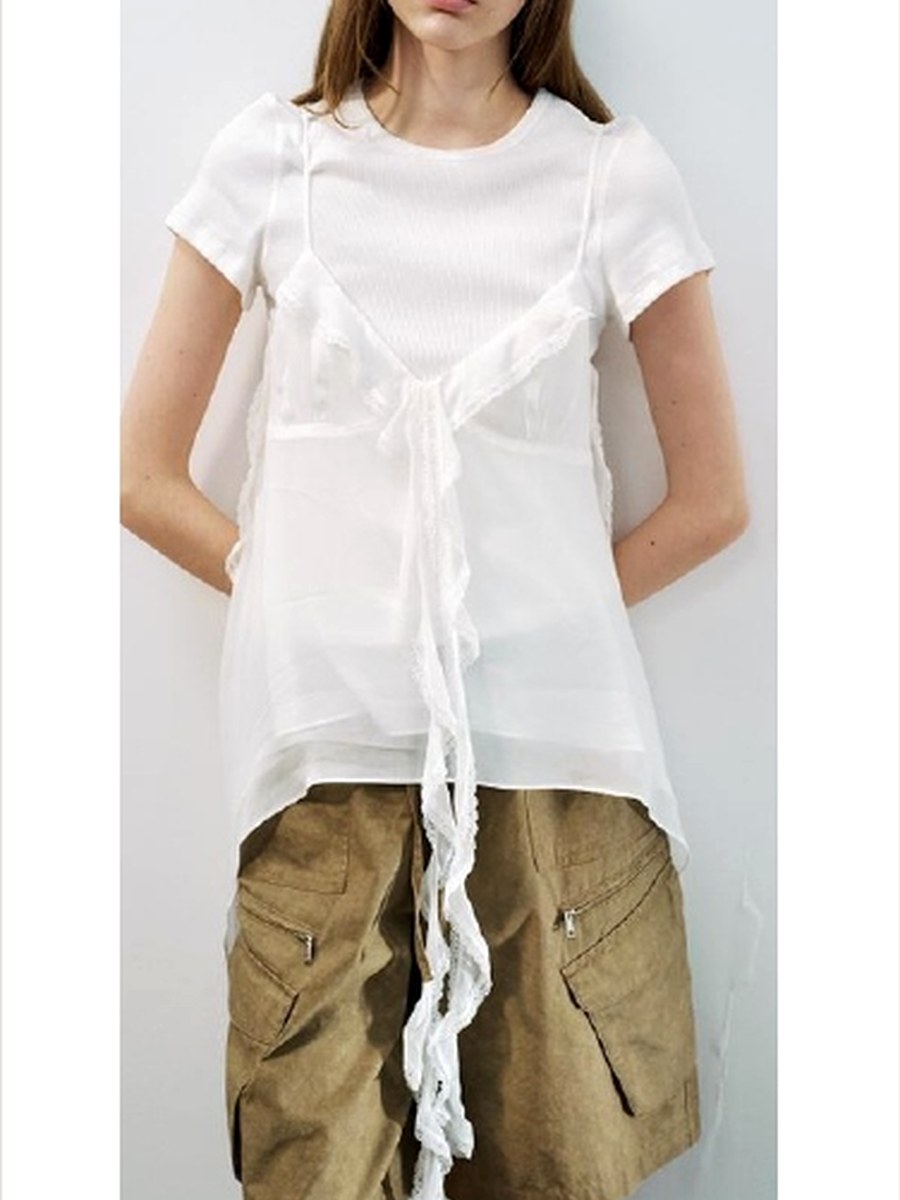
Article
What should buyers know first?
Short answer: A private label women's tops supplier guide for online stores: define fit, colourways, product data, packing and reorder controls before a custom-production launch.
A private label women's tops supplier should help an online brand turn a merchandising idea into a product record that can be sampled, photographed, listed, received and reviewed after sale. A loose blouse, compact T-shirt and knit top may all sit in one online collection, yet each creates different questions about fit, colourways, material behaviour, size communication, garment information and repeat ordering. Yinshan Fashion supports custom and private-label bulk programmes rather than unrestricted ready-stock wholesale. The starting point is therefore a defined product and channel question, not a promise that every style, colour or delivery outcome is already available.
What should a private label women's tops supplier help an online store decide?
An ecommerce buyer needs to decide more than whether a top looks right in a flat image. The brand needs a target customer, intended use, top category, fit direction, colour plan, size range, material route, sample purpose, listing information, packing direction and a commercial owner who can approve the final launch scope. A factory can help translate the defined garment questions into a sample and production conversation. It cannot decide whether a proposed price will be accepted by customers, whether a discount will work in a named channel or whether one early sales period proves future demand.
Start with one record for each style-colour route. Include the current style name or code, intended wearer, channel, base size, proposed fabric reference, visible details, labels, packing requirements, sample version and known open decisions. This stops a top from being photographed as one version, listed with another fabric description and received under a third identifier. It also gives a small brand a practical way to separate a customer-facing promise from the current evidence held for the garment.
For an online business, the product owner should write down which decision the first order is meant to support. It could be testing a new blouse silhouette, extending an established T-shirt block, offering a private-label knit layer or building a category around a known customer need. Those routes require different evidence. A clear first-order role is more useful than calling every top a core item before any version has been evaluated in the intended sales context.
Which women's-top category should an online brand brief first?
Category labels are useful only when they lead to a specific garment description. A blouse can be fluid, sheer, structured, gathered or fitted. A T-shirt may be close to the body, boxy, longline, cropped or shaped by a particular neckline and sleeve. A knit top may be a cut-and-sew jersey style or a sweater-knitting proposal. Each route changes the relevant material, construction and fit questions. A buyer should name the body shape, shoulder position, neckline, sleeve, body length, hem, intended ease and styling purpose before asking for a sample or quotation.
The Blouse Collection can help a buyer isolate visible choices such as collar treatment, sleeve volume, placket, transparency and body drape. It is a design reference, not proof that a specific fabric, component, price, quantity or timing applies to a new programme. Record which characteristic is being used as the reference and which details must be developed independently.
Do not turn an online range into a list of unrelated mood-board images. Give each proposed top a merchandising role. For example, a brand may want a soft blouse as an occasion layer, a simple jersey T-shirt as a daily entry style and a knit top for a cooler-season outfit. The role makes it easier to set the sample question and later distinguish an item being evaluated from one ready for repeat ordering.
How should a brand define the customer, fit and size plan for tops?
Words such as flattering, relaxed or premium do not tell a pattern team where the neckline should sit, what body length is intended or how much ease is expected. Translate the commercial idea into reviewable questions. Does the shoulder seam align with the intended body point? Does a sleeve opening allow the intended movement? Does the neckline stay in position when the wearer reaches? Does the hem work tucked, untucked or layered? Is the body supposed to skim the customer or fall away from it? These questions keep fit feedback connected to observable garment behaviour.
Identify the base size and the sizes the brand intends to offer. Then name the points that carry the greatest risk for the style: chest, body length, shoulder, armhole, sleeve, neckline, hem or a stretch-sensitive area. A completed size chart does not prove that every size has been physically assessed. Conversely, a brand does not need to treat every size as a separate design when the known evidence supports a defined grading plan. The useful step is to decide which sizes or measurements require an applied review and why.
The online-store size-chart handover guide explains how approved measurements, methods and ownership can stay connected to shopper-facing information. Apply that discipline to the current top. If the intended fit changes after a sample, review whether product copy, measurements, photography or size notes also need to change. Do not let a letter size become the only statement of fit.
How should an online store choose colourways without creating an uncontrolled first order?
Colour is not only a creative selection. It affects the product page, material approval, opacity, trim matching, photography, size-colour matrix, warehouse identification and repeat-order discussion. Begin with the role of each colourway. A core neutral, a seasonal accent and a print may all have different reasons for entering the range. Record that reason so the brand can later evaluate the right evidence rather than treating every colour as an identical commercial test.
For light colours or translucent constructions, identify whether the sample needs an opacity, lining or styling review. For dark colours, check that the intended garment details remain visible in the planned photography. If a colour requires a different fabric route, print, dye treatment, contrast trim or component, it may be a different development decision from the same pattern in a simple solid. The buyer should not assume that a photograph of one colour proves every alternative.
Set the style-colour-size matrix in a format that the product, purchasing and warehouse teams can all read. The matrix should distinguish proposed variants from approved variants and show who owns the next decision. A wide matrix may look commercially ambitious but can leave the brand unable to photograph, describe, receive or learn from each route. A smaller first-order structure can still be useful when it tests a defined assortment hypothesis.
What should a private label women's tops supplier review about fabric and construction?
Start with the job the material must do on the finished top. A blouse may need soft drape, controlled transparency or a stable collar. A fashion T-shirt may need a particular handfeel, neckline recovery and sleeve balance. A knit layer may need an agreed construction route and review of how the body, cuffs or neckline behave in the intended wearing state. A fibre name alone does not establish those outcomes. Keep the fabric reference, construction description, colour condition, intended use and sample version together.
The Women's T-shirt Collection gives useful category references for neckline, sleeve and body-shape discussions. It does not replace a review of the actual candidate fabric or sample. A compact jersey and a loose jersey can place different demands on binding, seams and finished measurements even when the front view appears similar.
Review construction where the shopper will notice it: neckline, shoulder, armhole, placket, cuff, side seam, hem and any visible interior finish. For a lightweight blouse, a seam allowance or gathering method can affect the front appearance. For a T-shirt, the relation between body fabric and neck binding matters. For a top with an adjustable tie, gather or wrap detail, record the setting used during fitting so that reviewers are not comparing different arrangements of the same garment.
If a material, trim or finish changes, mark which earlier conclusions must be reopened. The aim is not to create needless delay. It is to prevent an approval for one material combination from being silently applied to another that could change drape, coverage, dimensions, product copy or customer expectation.
How should knit tops be separated from blouse and T-shirt decisions?
The term knit top can describe several product routes. A cut-and-sew top made from knit fabric and a sweater-knitting style do not automatically share machinery, components, construction sequence or sample evidence. Ask the supplier to identify the route under discussion. Then name the parts of the garment that need to be reviewed, such as neckline, rib, cuff, body proportion, sleeve shape, recovery, panel construction or decorative detail.
The Women's Knitwear Collection can help a buyer discuss fitted, gathered and layered top directions. Use it to frame a question about an actual proposed design, not as a commitment that a similar product will have the same material, finish or production availability. Confirm those details for the current programme.
Fit language needs extra care when the material has stretch or recovery characteristics. “Fits all body types” or “always keeps its shape” are not useful product instructions. Identify the intended wearing relationship, sample condition and key measurement points. If the brand plans to describe stretch, recovery or comfort to shoppers, the wording should be tied to the current garment evidence and approved by the appropriate brand owner.
What must a photography sample prove before a top goes live?
A photography sample has a visual role. It does not automatically prove that every bulk, fit, material or packing decision is complete. State what the sample is meant to answer: front silhouette, neck depth, sleeve proportion, transparency, close-up fabric view, branded detail, styling compatibility or an approved product-page image. If the sample also supports a fit or production decision, name the separate evidence and owner for that purpose.
Plan views that remove a shopper question. A front image may not explain a back neckline, side seam, hem length, sleeve volume, texture or the effect of layering. A close image can show a fabric surface or component but should not create an unsupported performance claim. Where styling uses pins, tucks, underlayers or accessories, identify whether they are part of the actual product. Customer-facing photography should not make a temporary styling adjustment appear to be a built-in garment feature.
Before publishing a listing, compare the photography sample with the current product record, measurements, colour name, material information and size communication. If the garment changes after photography, ask which assets and descriptions need review. The ecommerce apparel product data pack gives a useful ownership model for keeping these connected.
How should an online brand prepare product data, labels and packing for tops?
Every style-colour-size route needs an identifier that travels through the product page, label, packing and receiving record. The product team should decide the customer-facing name, variant naming, measurements, material information, care wording, image set and channel fields. The factory can review the supplied garment, label and packing inputs against the current production scope. The commercial owner remains responsible for the final list price, promotion, payment route, marketplace requirements and launch decision.
Labels and packing instructions should refer to the approved version. State the label placement, orientation, relevant market information, barcode or other identifiers, folding or hanger route, protective materials and receiving requirements that apply to this product. A generic instruction from an earlier collection is not proof that it applies to this style, channel or destination. If a top is a set, layer or coordinated item, make the sale unit and packing unit clear.
Avoid hiding an unresolved question inside an attractive listing. If the fabric description, colour, care wording or size guidance is still conditional, assign an owner and a next review before the route goes live. This is more useful than filling the page with broad claims that the present product record cannot support.
How should customer-service and return signals be read for women's tops?
A return reason, rating or customer-service message can show a question worth investigating. It does not by itself prove a factory cause or establish a fixed future rate. A comment about sleeve length, colour, transparency, neckline or fit can be affected by the sold version, intended fit, listing language, image styling, size guidance, channel expectation, fulfilment history or an observed garment issue. Start with the product version and evidence rather than a dashboard total.
Create a concise review record: the style-colour-size route, customer signal, channel, product-page version, evidence checked, owner and next decision. Possible actions might include reviewing copy, clarifying a size chart, comparing a returned garment with the approved record, checking an identified material or construction point, or deciding that the evidence does not support a product change. The apparel return-reason analysis guide offers the wider decision discipline.
This approach protects both the buyer and supplier. It prevents a commercial result from becoming an automatic technical conclusion, while still giving the product team a way to improve a future brief when the evidence warrants it.
How should a brand plan a repeat order for a private-label top?
Begin with the exact version that was sold. Confirm the style, colourway, size range, material and trim references, approved sample or bulk reference, labels, packing, listing evidence and any allowed exceptions. Then identify what has changed: a new colour, different material, revised neckline, added size, updated packaging, channel change, customer feedback or commercial plan. A repeat title or old product image does not prove that the next route is identical.
Separate a reorder of the approved scope from a revised programme. A repeat may need only a current confirmation of the product record. A revised route may reopen fit, material, image, label, packing or channel questions. Timing, capacity, materials, logistics and commercial terms remain programme-specific and must be discussed against the actual order. The ecommerce fashion reorder-planning guide can help a brand set a change list and decision gate without treating a forecast as a guarantee.
The brand decides whether the commercial evidence supports the next order. Yinshan Fashion can help discuss the garment, sample, pattern, fabric, labels, packing and production-record questions that the defined repeat raises. Keep those roles separate so a factory conversation remains precise and the commercial owner can make a documented decision.
How should ecommerce, merchandising and factory owners divide the work?
An online top programme often crosses people who hold different evidence. Merchandising may own the collection role, colour story and proposed price position. Ecommerce may own listing fields, imagery, variant setup, channel rules and customer communication. Product development may own the current brief, sample comments and version control. The factory can respond to the defined garment, material, pattern, decoration, label, packing and production questions. Customer-service or warehouse teams may hold the evidence that explains a return or receiving issue. A practical record names these owners instead of making a generic team responsible for everything.
Use one decision log with a clear distinction between a fact, a proposal and a required approval. For example, the current sample may show an observed neckline measurement; the brand may propose a new colour; the ecommerce owner may need to approve its product-page description; and the commercial owner may decide whether the complete route is ready for launch. These are different states. When they are mixed in one conversation, an unconfirmed suggestion can look like a production release or a customer-facing claim.
The factory should receive consolidated questions, not a stream of unfiltered channel feedback. If a marketplace field, buyer comment or product-page test creates a new request, the brand should identify the exact style-colour-size version, the reason for the question and the decision it needs to inform. In turn, a factory proposal for an alternate material, trim or construction should identify the change and the physical reference it affects. The brand can then decide whether the change also affects imagery, fit guidance, price assumptions, labels or packing.
This division of work helps small teams move without pretending that one spreadsheet or one supplier message approves a launch. It makes handovers faster because each owner can see what is current, what is conditional and which next action belongs to them. It also gives Yinshan Fashion a focused private-label question to review when the brand is ready to turn a tops concept into a defined programme.
What should a buyer send before requesting samples or a quotation?
Send the strongest available brief: reference images or a retained garment, intended customer and channel, top category, target silhouette, fit direction, base size and planned size range, fabric and colour direction, details that must not change, logo or label requirements, packing direction, quantity context, target market, sample purpose and known open questions. A brief does not need to be perfect before a first conversation. It needs to make uncertainty visible enough that the supplier can identify the next useful proof.
If the business is deciding between two routes, write the difference directly. For example: compare a relaxed blouse and fitted T-shirt as separate product roles, or identify which colourway still requires a material review. This is more actionable than asking for a generic women's-top catalogue. It also makes quotations more comparable because each supplier is considering the same defined scope.
Include the decision owner and desired next action. The next step might be a material discussion, initial sample, size review, logo placement proof, product-data review or a complete quotation request. Do not expect one reference image to provide all of these answers.
How should a brand decide whether a women's-top launch is ready, conditional or on hold?
Use a named commercial approver and a written scope. “Ready” means the stated style, colours, sizes, product information, packing direction and channel route have the evidence required for the brand's current decision. “Conditional” means a defined proof, approval or record is still open. “On hold” means the available information does not support the planned action. A spreadsheet number, factory message or successful photo sample cannot make that decision alone.
Compare the same current style-colour-size record across sample, product-page draft, size information, image set, labels and packing instruction. Name anything that is proposed, unreviewed or owned by another party. This small check can stop a brand from launching a product image from one version, a size chart from another and a receiving instruction from a third.
Yinshan Fashion can use a defined brief to discuss custom design, material options, pattern and sample questions, private-label details and production coordination. Bring the current product record, evidence held and decision still required to that conversation. The goal is not to promise that a top will solve every commercial risk. It is to create a controlled, buyer-useful basis for deciding the next step.
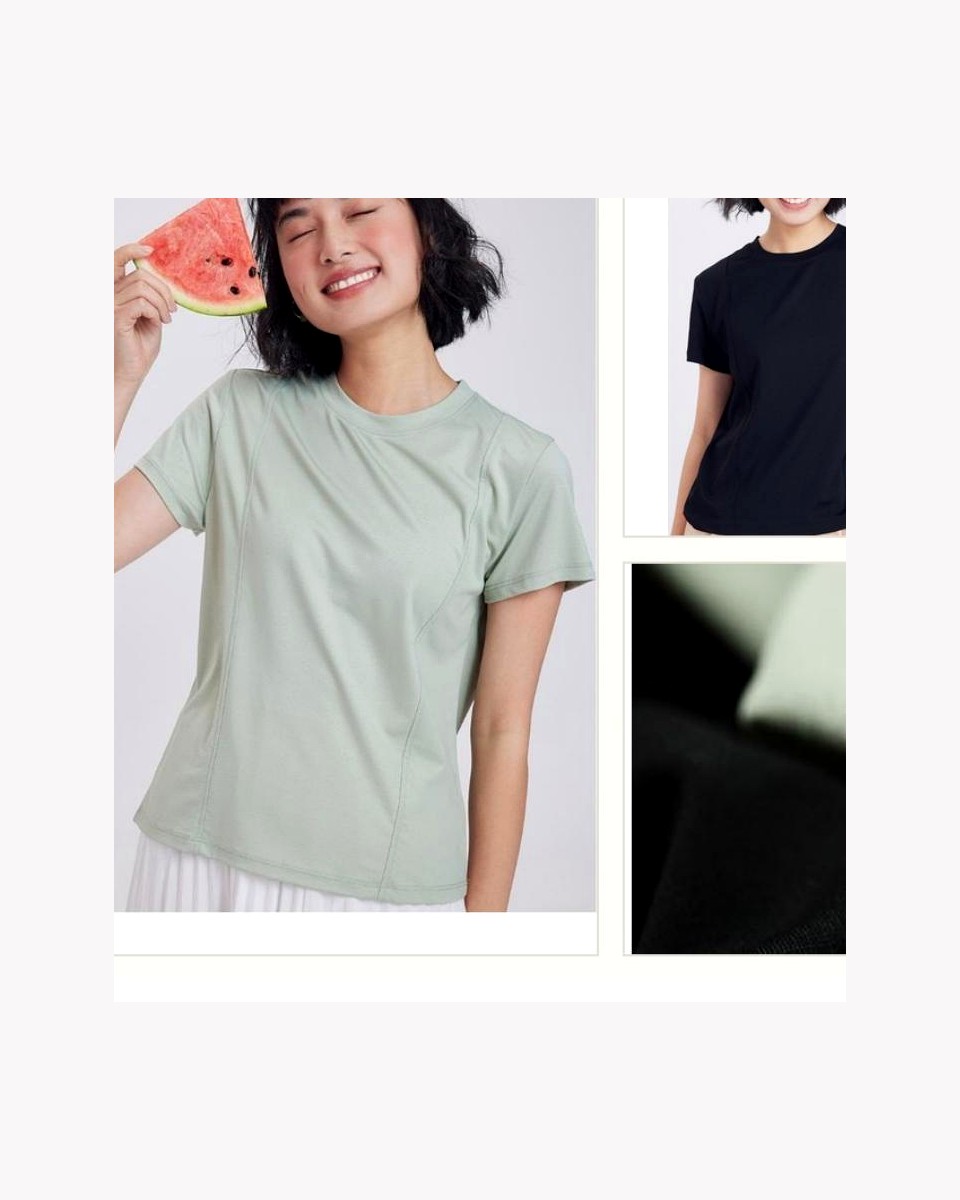
Online women's tops control kit
Three controls before a women's top becomes a live ecommerce variant
Keep the customer promise, current garment evidence and channel record tied to the same style-colour-size route.
Give each top one role
Name the customer, use occasion, silhouette and reason the style belongs in the first online assortment.
Release evidence by version
Connect the current sample, size information, images, labels and packing instructions before a route becomes customer-facing.
Make changes visible
Use a change list for colour, fabric, fit, label, packing and channel differences before treating a repeat as the same product.
Buyer inputs and factory questions for private-label women's tops
Pricing, promotions, channel rules, customer communication and final commercial approval remain with the brand and named service providers.
| Decision area | What the buyer should prepare | What to ask the factory |
|---|---|---|
| Assortment role | Provide the intended customer, channel, top category, silhouette, colour plan and product role. | Which style record and sample purpose define the current development scope? |
| Fit and material | Name base size, key measurements, intended ease, material direction and the open product question. | Which fit or material proof can the current sample answer? |
| Listing and handover | Set images, product facts, identifiers, labels, packing and receiving requirements for the selected route. | Which supplied label and packing instructions apply to this version? |
| Repeat decision | Provide the sold version, change list, customer signals, commercial context and named decision owner. | Which approved record or proposed change needs review before the next route is discussed? |
Continue the production conversation
Private-label women's tops: the record to review before an online-store decision
| Decision area | Buyer evidence | Factory input | Brand decision |
|---|---|---|---|
| Category and customer | Top role, wearer, channel, silhouette and visual reference | Which product record and sample purpose control this style? | Confirm the product role and current scope |
| Fit and size | Base size, range, key measurements, ease and open fit question | Which sample or size review can answer the stated question? | Approve, condition or hold the size plan |
| Colour and material | Colourway matrix, fabric reference, lining or trim direction and target image | Which current material combination can the sample evidence support? | Select the route or request a defined comparison |
| Product data and packing | Listing facts, identifiers, labels, channel fields and receiving instructions | Which supplied label and packing inputs apply to this top route? | Release the current customer and warehouse record |
| Reorder and feedback | Sold version, customer signal, channel context, change list and owner | What physical record can be checked before assigning a production action? | Repeat, revise, investigate or hold |
Buyer FAQs
What should a private label women's tops supplier review before sampling?
Review the customer, top category, silhouette, base size, size range, material direction, colourways, visible details, label and packing inputs, sales channel and the exact question the sample must answer.
How many colours should an online store launch for a women's top?
Choose the colour matrix from the product role, customer evidence, photography and operating capacity. A colour should not be added merely because it appears in a mood board; each route may need its own material, imagery or opacity review.
Can product photography approve a women's-top production route?
No. Photography can support visual communication, but it does not by itself prove the final fabric, fit, measurements, construction, labels, packing or production scope.
Do returns prove that a women's tops supplier caused the issue?
No. Review the product version, listing, customer reason, channel and observed evidence before attributing a return signal to a factory cause or using it as a fixed forecast.
What should an online brand send for a private-label top reorder?
Provide the current style-colour-size record, material and trim direction, approved sample or bulk reference, labels, packing, listing information, changes requested and the commercial decision the brand needs to make.