Article
What should buyers know first?
Short answer: A custom women's tops manufacturer should review the top type, intended wearer, fabric behaviour, fit, neckline, sleeve, branding and approval evidence together. Compare blouse, shirt, T-shirt, knit-top and camisole requirements before requesting samples. Yinshan Fashion supports custom and private-label bulk programmes; material availability, order terms and the sample route are confirmed for each project.
A custom women's tops manufacturer should help a brand connect the intended silhouette with fabric behaviour, fit, construction and branded details before sampling. Start by separating blouse, shirt, T-shirt, knit-top and camisole requirements, then define what each sample must demonstrate. Yinshan Fashion supports custom and private-label bulk programmes; the references discussed here are development starting points, not a promise of ready-stock availability.
What should a custom women's tops manufacturer review first?
Begin with the job the top must do in the collection. A fitted layering camisole, a soft blouse and a structured overshirt may share a colour palette, but they do not share one useful sample specification. Describe the wearer, intended fit, coverage, sales channel and expected care. Tell the supplier whether the piece is a repeatable core style, a seasonal design or an exploratory sample. Those distinctions affect which decisions deserve attention first.
A reference photograph is useful for discussing proportion. It cannot reliably establish fabric weight, fibre composition, inside construction or finished measurements. Mark the features you want to retain and the ones you want to change. A buyer might like a blouse's sleeve volume but need a higher neckline and a less transparent body. Sending that explanation is more useful than asking for an exact copy of an unidentified product.
Designer decision: identify the few features that carry the design. These might be a curved hem, a shoulder line, a fluid sleeve or a narrow contrast binding. Separate them from negotiable details. If every feature is labelled essential, the supplier has no clear basis for proposing alternatives when the first fabric is unavailable or the original construction conflicts with the target price.
Buyer and factory confirmation: agree the purpose of the first sample, the information already available and the questions still open. A development sample made in substitute fabric may establish proportion, but it cannot settle the final fabric's appearance or care behaviour. Record that limitation before the sample is made so its arrival does not trigger an inappropriate bulk approval.
Approve a top as a connected garment: body fabric, construction, fit and brand details. A correct logo or attractive swatch cannot resolve an unsuitable neckline, sleeve or closure.
How do blouse, shirt, T-shirt, knit-top and camisole briefs differ?
Use category names as a starting point, then describe the actual garment. A blouse often puts the emphasis on drape, neckline treatment, gathering and coverage. A shirt brief may give greater weight to collar shape, placket alignment, cuffs and a controlled shoulder line. Neither label specifies one fibre or construction. A relaxed shirt can be fluid, while a blouse can deliberately hold a sculptural shape.
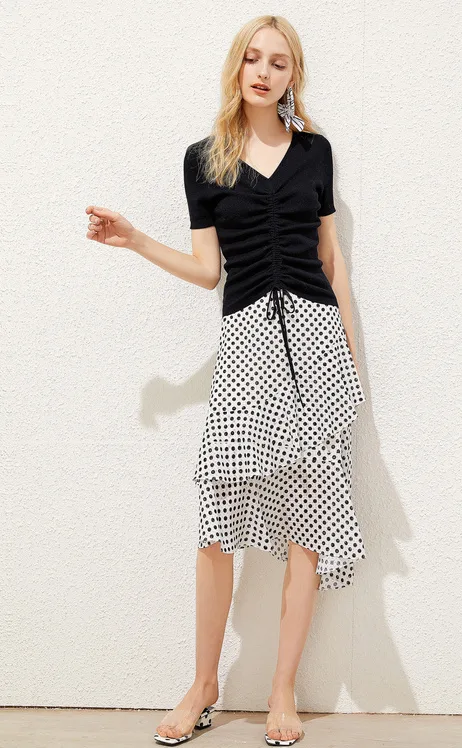
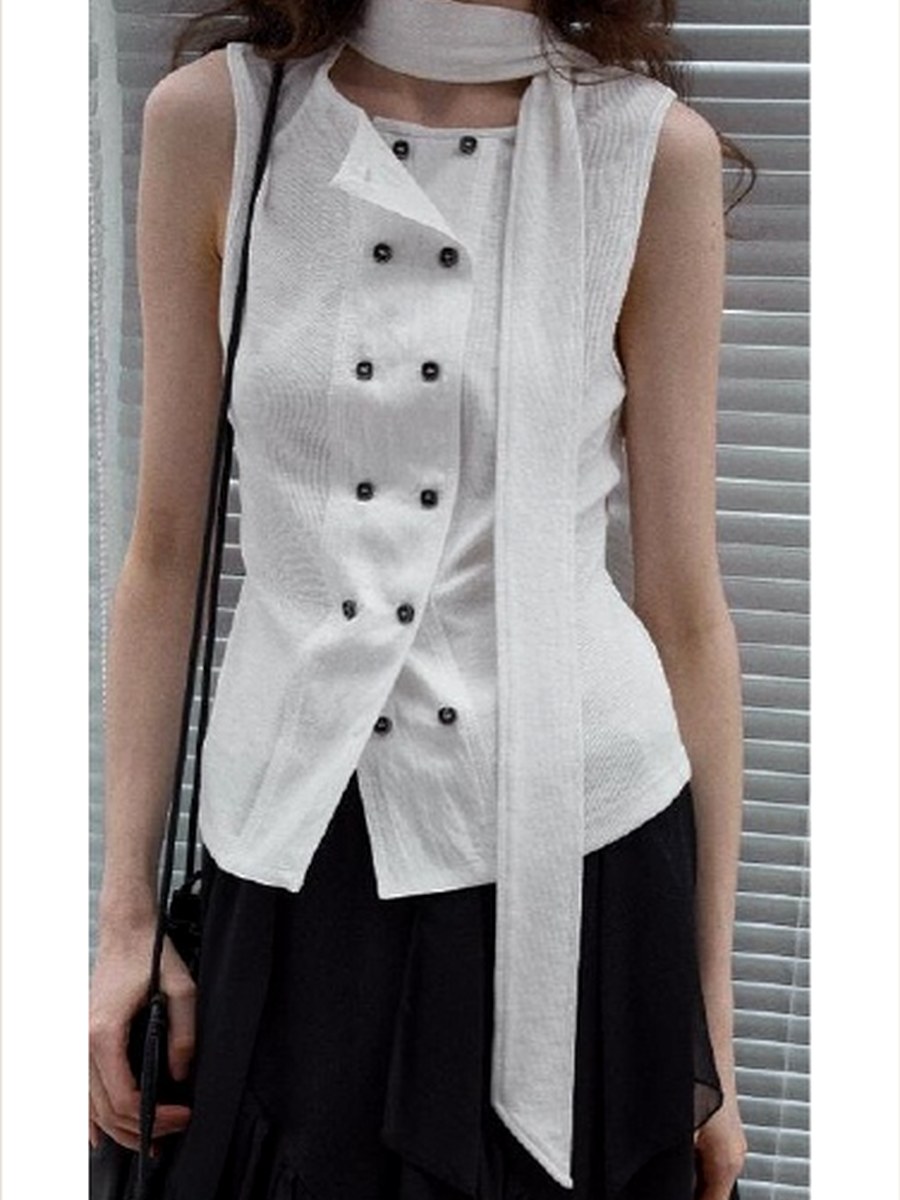
Review the Blouse Collection development references when discussing silhouette and detail options. Choose one or two relevant references rather than sending the entire collection as an instruction. Identify whether the intended change concerns the body, sleeve, neckline, length or decoration. This keeps a private-label blouse manufacturer discussion tied to the product you want to develop.
Fashion T-shirts need an equally specific brief. A compact fitted tee and a loose boxy tee can require different material behaviour, neckline proportions and sleeve balance. For knit tops, clarify whether the proposal is a cut-and-sew garment made from knitted fabric or a sweater-knitting route. The words knit top alone do not settle equipment, construction or sampling requirements. Ask the supplier to identify the route being quoted.
Camisoles place particular demands on the relationship between straps, neckline, armhole and body. Decide whether the design is intended as an underlayer or a stand-alone top. That affects coverage review, inside finishing and the need to discuss lining. Keep these requirements visible when comparing suppliers. Otherwise, two quotations for a camisole may describe different products even if their front sketches look similar.
Which fabric properties belong in the sampling brief?
Describe the fabric through observable requirements before deciding that one fibre name is sufficient. Useful inputs include composition where known, fabric construction, weight direction, surface, drape, stretch direction, recovery and opacity. Add a physical reference when possible. Explain which qualities matter most and which can change. A lighter alternative may look suitable on a hanger yet behave differently at the neckline or after the garment is tucked in.
For a blouse, compare how candidate fabrics fall from a gathered seam and whether seam allowances show through the face. For a shirt, consider the balance between body fabric and the supported collar or cuff. For a T-shirt, compare the body and neckline materials together. A ribbed knit top needs review in both a relaxed state and its intended worn state; a fabric description does not tell the buyer how the whole garment will sit.
The Women's Knit Jersey Collection offers useful design references for fitted shapes, gathered details and camisole directions. It is not a substitute for confirming the composition, construction and availability of the material proposed for an order. Match the chosen reference to a named swatch and a dated specification before transferring a comment from one sample to another.
Ask how a proposed finish changes the sampling route. A washed appearance, brushed surface or custom colour may need a different review from an available standard fabric. For custom print development, identify whether the requirement is a repeating textile design or a placed garment graphic. Do not treat either as a purely visual addition: pattern scale, panel orientation and the base fabric can change the final result.
How should fit be defined before the first pattern is made?
Name the target wearer and the reference used to establish fit. A fit block is the agreed starting shape for the intended body and product type; it is not simply the letter on a size label. If the brand has an approved block or a reliable reference garment, provide it with the relevant measurements. If it does not, identify the base size and discuss how the first fit reference will be established.
Distinguish body measurements from finished garment measurements. Ease is the difference used to achieve the intended relationship between the garment and the body, but the correct amount depends on the design and material. Do not apply a woven shirt's measurement allowance to a close-fitting stretch top without review. A size chart that looks complete can still describe the wrong fit if its measuring method or intended wearing state is unclear.
Mark points of measure, often abbreviated to POM, on a simple technical sketch. State where each measurement starts and ends, whether the garment is flat and relaxed, and how closures or adjustable features should be set. Chest width, body length and sleeve length matter, but so do neckline depth, armhole shape and shoulder placement. Identify which measurements protect the design and which need special attention during sample review.
Evaluate the sample on the agreed fit reference, not only on a hanger. Review front, side and back balance, then check relevant everyday movement. Ask the wearer to sit, reach and move their arms where appropriate. Record what happens at the placket, neckline, sleeve and hem. Photos should support a specific comment, such as a sleeve restricting reach, rather than an instruction to make the garment generally more comfortable.
Which construction details change the appearance of a top?
On a shirt, the collar and cuff are small components with a large visual effect. Review their shape, thickness and relationship with the body fabric. If an interlining is proposed, ask to see the assembled result and how it behaves under the intended care route. A crisp appearance in an unwashed sample does not settle whether the component combination is suitable for the final garment.
For blouse development, examine seam placement and finishing where fabric is light, fluid or translucent. Inspect the garment from the reverse as well as the outside. Check whether gathers are distributed as intended and whether the chosen finish produces unwanted bulk at a narrow neckline or cuff. The buyer does not need to prescribe every machine setting, but should make the required appearance and unacceptable defects clear enough for a useful technical discussion.
For a fashion T-shirt, review the neck opening, binding or rib, shoulder seam and hem as one system. If the neckline stretches during dressing or a hem looks wavy, ask for the underlying material and construction issue to be reviewed. Do not resolve every problem by changing a measurement. A correction that changes only the paper specification may leave the same behaviour in the next sample.
For a camisole, compare strap width, attachment, adjustment and the support available at the neckline. Small changes in strap setting can change apparent body length and coverage. Record the setting used during fitting. For an asymmetric or gathered knit top, specify how the garment should be arranged before measuring. This avoids rejecting a correct sample because two reviewers have positioned an adjustable feature differently.
How do logo, print, embroidery and labels affect the design?
Branding can be prominent, discreet or largely inside the garment. Decide the role before selecting a method. A chest graphic may be central to a fashion tee, while a blouse may rely on a small cuff detail, branded button or neck label. Clothing with your own logo does not require the same visible mark on every product. The brand should define a consistent identity without forcing an unsuitable application onto a delicate or highly textured surface.
Give the supplier the artwork, intended finished size, colour reference and placement drawing. Distinguish a measurement from a visual mock-up. A logo centred on a screen may not sit where expected once the fabric drapes around a body or the garment is tucked into a waistband. Decide whether the placement follows a fixed seam reference, a proportion or another agreed rule, and review that rule across the size range.
Print and embroidery proposals need assessment on the intended substrate. Inspect the visible surface, reverse, surrounding fabric and wearing feel. Discuss whether an application changes the drape of a light blouse or the stretch of a close-fitting top. For a custom fabric pattern, review repeat scale and direction separately from garment logo placement. The print, embroidery and heat-transfer comparison provides the method discussion; the present task is to define what the top's sample must show.
Labels also belong in the sample review. State attachment position, orientation, size and any skin-contact concern. Keep brand artwork separate from composition, care and market-specific information, which require their own confirmed inputs. Do not infer a care instruction from a fibre name alone. Branded labels, hangtags and packaging should refer to the approved style and version so a late artwork revision does not silently change an otherwise accepted garment.
What should a useful sample sequence demonstrate?
Give each sample stage a decision. An initial development sample can explore proportion and construction. A fit sample can resolve specific balance and measurement questions. A material or decoration proof can focus on a smaller component. A pre-production sample should represent the agreed production specification to the extent defined with the supplier. Sample names vary between businesses, so agree what the label means for this programme rather than relying on the name alone.
Keep a short difference list beside every sample. Note substitute fabric, temporary trims, unapproved labels and any decoration that is not final. The review can then separate an accepted design choice from a remaining material question. This is particularly important when an attractive sample is used internally for merchandising or photography before all production decisions have been settled. Circulating it does not automatically make it the manufacturing reference.
Review comments should be specific enough to act on and trace. Identify the sample version, garment area, observation, requested change and decision owner. If the designer changes a sleeve while the buyer changes the target price, bring both requests into one revision brief. Otherwise, the factory may improve the silhouette using a construction that is no longer acceptable commercially. A revised sample should show which comments were incorporated and which require further discussion.
Use an approval record that separates accepted, conditional and unresolved items. For example, the body fit may be accepted while the neck label remains pending; that does not authorize every remaining component. Decide which open items prevent the next activity. The sample-to-production workflow is a useful framework for agreeing those handovers with Yinshan Fashion before materials or production commitments are made.
How should care, colour and size changes be checked?
Choose care and appearance checks around the intended garment and its proposed instructions. Compare measurements and visible details before and after the agreed procedure. The observation might concern body length, sleeve shape, neckline appearance, seam alignment or the interaction between fabric and trim. Record the procedure and sample identity. A casual wash at an unknown setting cannot serve as a reproducible approval standard for a bulk order.
CottonWorks explains dimensional change and skewing as issues that can affect fit and the relationship between garment components. The practical buying implication is to review the assembled top as well as its fabric. A body panel, binding and reinforcing component can behave differently. This reference explains a general risk; it does not provide a test result or an acceptance limit for any Yinshan Fashion style.
Set acceptance criteria with the responsible technical team. The appropriate method, sample quantity, laboratory involvement and limits depend on the product and buyer's requirements. Do not copy a percentage from an unrelated fabric or turn one satisfactory sample into a universal performance claim. Where a retailer or destination market requires a particular test, identify the requirement and evidence needed before the factory plans the approval stage.
Colour and size changes can reopen earlier decisions. A pale colour may need a fresh opacity review; a different colour route may need confirmation of appearance and material availability. For grading, inspect how shoulder, neckline, sleeve and body proportions change, rather than adding the same increment everywhere. Identify the sizes that need physical review and explain why. Keep logo placement, label position and any adjustable-feature settings connected to that size review.
What makes quotations and production plans comparable?
Compare quotations against the same product definition. List the top type, fabric reference or development route, colourways, size range, quantity breakdown, construction, decoration, labels, packing and sample requirements. State the target market and delivery window. If one supplier quotes an available base fabric and another quotes custom material development, the apparent price difference may be describing a scope difference rather than a better manufacturing offer.
Break a collection total into useful order information. A total quantity across several tops does not reveal the quantity for each style and colour. Ask how the proposed split interacts with material purchasing, dyeing or printing, trim orders and production planning. MOQ and timing should be confirmed against that actual route. Do not assume that using one factory makes every small colour or custom component equally practical to procure.
Identify what the quotation includes and what remains to be confirmed. Sampling, special development, testing, packaging or shipping arrangements may need separate clarification. Keep the target price and its scope clear. If the initial direction is outside the budget, request alternatives that preserve the essential design features identified at the start. A change to fabric, finishing or a branded component should remain visible in the revised brief.
Build the schedule around decisions as well as dates. Material selection, sample comments, final artwork and packing instructions can each affect what is ready for production. Ask which inputs are required before the next commitment and what would require the plan to be reviewed. For a repeat order, confirm the current fabric and trim route instead of assuming that the previous season's availability or commercial terms still apply.
How can Yinshan Fashion help connect these decisions?
One common buyer problem is fragmented approval: the designer chooses the shape, sourcing selects a fabric, and branding arrives after the fit sample. Each choice may look reasonable on its own, yet the combination can fail to deliver the intended top. Yinshan Fashion's custom womenswear development support connects style review, fabric and construction discussion, sample comments and pre-production records. The value is a clearer basis for deciding which combination to approve.
Consider an illustrative blouse brief that asks for a fluid sleeve, a discreet embroidered mark and a clean inside finish. The buyer can bring the reference, material direction and artwork into the same discussion. Reviewing these together makes it easier to identify questions for the sample: does the chosen material create the intended volume, does the application alter the surrounding surface, and is the reverse acceptable? This is a proposed review method, not a claim about a completed customer order.
Yinshan Fashion also describes fabric and trim selection support and manufacturing checkpoints. Buyers can use those services to connect the agreed swatch, trims, measurements, labels and packing requirements to the production handover. Retaining a clear accepted reference gives subsequent inspections and reorder discussions something specific to compare against. It does not remove the need for project-specific testing, buyer approval or confirmation of supply conditions.
The brand still needs a decision owner. A factory can clarify construction options and document a sample change, but it cannot decide the brand's preferred fit, acceptable visual difference or final customer claim without direction. Assign one person to consolidate comments and another technical reviewer where needed. That arrangement helps a small team give coherent feedback without pretending that every creative or commercial decision has a single universally correct answer.
What should you send for the next sampling discussion?
Prepare one current brief for each top and a short collection summary. Include reference images with annotations, a sketch or tech pack if available, the intended wearer and fit reference, base size, size range and key measurements. Add the fabric construction and composition direction, desired handfeel, drape, stretch and opacity. Mark the neckline, sleeve, closure and finishing details that must remain in the design and the alternatives you are willing to discuss.
Include logo and print files, the intended finished dimensions and placement references. Specify labels, hangtags, barcodes and packing requirements separately. Provide quantities by style, colour and size, the target market, sample objective, cost direction and desired arrival window. Identify the final approver and distinguish inspiration images from production instructions. If you do not yet know a requirement, mark it as an open question instead of presenting a guess as an approved specification.
Before sending, check that the files agree. A sketch with a revised sleeve, an older measurement chart and an unchanged material reference can produce an avoidable round of questions. Put the style code and revision date on the key documents. List changes since the previous discussion and retain the superseded files separately. This simple discipline matters more than the number of pages in the pack.
Use the shirt-series references or T-Shirt Collection to identify a relevant starting direction, then send your womenswear brief to Yinshan Fashion. The next useful decision is which material, construction and sample route should be reviewed first. That gives both teams a concrete starting point for a custom women's tops manufacturer discussion without treating an early concept as a finished production promise.
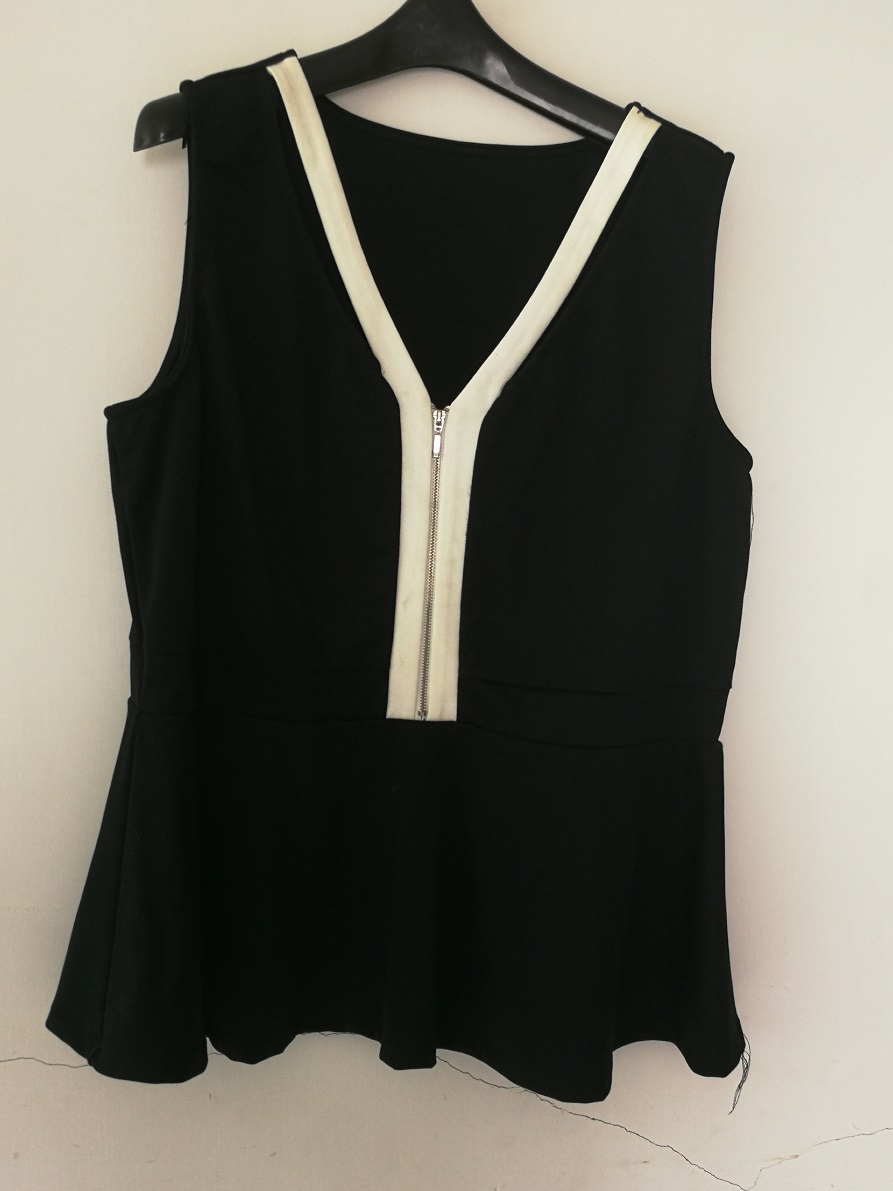
Women’s tops sample review
Three actions before the first sample
Keep creative decisions and production confirmations connected to the same current top specification.
Define the design priorities
Mark the silhouette, coverage and details that must remain, then identify acceptable alternatives.
Review the assembled garment
Check the proposed fabric with neckline, sleeve, closure, decoration and inside finishing.
Release a named version
Consolidate accepted details, conditional items and final approver before the next commitment.
Buyer actions and factory confirmations
Use the same style code and revision across the sketch, measurements, material and sample comments.
| Decision area | What the buyer should prepare | What to ask the factory |
|---|---|---|
| Product and wearer | Name top type, target wearer, channel and intended wearing fit. | What reference and garment route are being developed? |
| Material | Provide a swatch or composition, construction, drape, stretch and opacity requirements. | Which material is proposed, and what is substituted in the sample? |
| Fit and construction | Define base size, POM method, ease, neckline, sleeve and closure priorities. | Which sample views and size checks establish acceptance? |
| Brand details | Supply artwork, finished size, placement, labels and packing inputs. | What must be checked on the actual fabric and garment? |
| Care and quality | Agree care expectations, appearance criteria and any required tests. | Which procedure and evidence apply to this sample and order? |
| Bulk handover | Confirm quantity split, current approvals, unresolved items and decision owner. | Which changes require renewed buyer approval? |
Continue the production conversation
Choose the sample evidence for each women’s top
| Top type | Fabric and fit question | Construction / branding focus | Evidence to approve |
|---|---|---|---|
| Blouse | Drape, coverage, sleeve volume and body balance | Gathering, neckline finish, discreet logo or label | Actual-fabric garment, reverse-side view and approved fit comments |
| Shirt | Body structure, shoulder, placket and arm movement | Collar/cuff support, buttons and label position | Assembled collar/cuff, closed-placket fit and care review |
| Fashion T-shirt | Body shape, fabric behaviour and neckline balance | Rib or binding, hems and print placement | Complete sample with proposed neck trim and applied decoration |
| Knit top | Confirm cut-and-sew or sweater route; relaxed and worn shape | Texture, recovery, seams and branding on the actual surface | Named material, construction sample and size-review record |
| Camisole | Coverage, strap setting, neckline and body relationship | Strap attachment, adjustment, lining and skin-contact labels | Worn sample at recorded strap setting and internal-finish check |
Buyer FAQs
What should I send to a custom women's tops manufacturer before sampling?
Send the top type, annotated references or tech pack, target wearer, fit block or reference, base size, measurements, fabric direction, neckline and sleeve details, branding files, quantity split, target market and sample objective. Mark unknown requirements as open questions.
Can one private-label programme include blouses, shirts and knit tops?
It can be discussed as one collection, but each style needs its own material, fit and construction review. Confirm the manufacturing route, quantities and approval evidence for each product rather than assuming all tops share one specification.
Is a reference photograph enough to quote a custom top?
A photograph can start a discussion about silhouette and detail. It does not confirm composition, weight, internal construction or measurements. A preliminary quotation should identify assumptions and the inputs needed to refine it.
Should the logo be approved before or after the fit sample?
Discuss branding early, then review the application on the intended fabric and garment. A graphic file alone does not establish its effect on drape, stretch, wearing feel or position across sizes. Coordinate decoration and fit approvals.
Does a successful base-size sample approve the whole size range?
No. Agree grading rules and identify which sizes need review. Neckline, shoulder, armhole, sleeve, straps and logo positions may need different checks rather than an identical measurement increment.
Does Yinshan Fashion offer a fixed MOQ and lead time for every top?
No universal figure is stated here. Fabric availability, colourways, construction, custom components, quantity split, sample requirements and packing affect the programme. Request confirmation against the current brief.