Article
What should buyers know first?
Short answer: A private-label streetwear buyer guide covering the decisions that turn a reference into a controlled sample and bulk-production brief.
Editorial source: Yinshan Fashion’s product-development team. Material, wash, artwork, packing, timing, and market requirements are confirmed by project.
A strong streetwear reference can start a factory conversation, but it cannot tell the floor how to make the garment. A streetwear manufacturer needs the brand to turn the intended silhouette, fabric, construction, graphic, wash, labels, packing, colourways, size mix, and sample status into decisions that can be checked before bulk. The right route depends on the product rather than a generic streetwear formula.
Editorial source: Yinshan Fashion’s product-development team. The article is a private-label planning framework; material, wash, artwork, packing, timing, and market requirements are confirmed by project.
How should buyers start with a product brief, not a mood board alone?
Streetwear collections often begin with references: a silhouette, archive garment, graphic language, fabric feeling, or styling direction. Those references are useful, but a factory cannot turn them into a production plan without more detail. A good brief explains what the buyer wants the garment to do, what must remain fixed, and what can be discussed for feasibility.
Describe the product type first. Is it a tee, pullover, hoodie, overshirt, trouser, jacket, set, or a related accessory? Then describe the intended customer, retail position, fit direction, key construction features, and the parts of the reference that matter most. A buyer may be fixed on an oversized shoulder, a cropped body, a graphic placement, or a garment wash character while remaining open to a fabric or trim route. That distinction makes the factory conversation more practical.
A production-ready brief does not need to begin as a perfect technical package. It should, however, separate confirmed decisions from open questions. Attach reference images, drawings, a physical sample if available, current measurements, target colourways, logo or artwork files, label direction, packing needs, desired quantity split, target market, sample needs, and target delivery window. When something is unknown, say that it is unknown instead of allowing it to become a hidden assumption.
Define the streetwear manufacturer’s role in your programme
A brand should be clear whether it needs a ready-made product, minor logo adaptation, or a custom/private-label bulk programme. These routes require different information and produce different decisions. Yinshan Fashion’s focus is a project-based custom and private-label programme, not an unconditional ready-stock retail inventory model. A buyer should explain the development scope before asking a factory to judge material, sample, or production feasibility.
In a custom programme, the streetwear manufacturer may need to coordinate fabric or trims, pattern and sample development, print or embroidery discussions, labels, packing, QC, and export preparation. The exact scope depends on the style. A clean heavyweight tee with a focused print may have a different route from a washed hoodie with multiple panels, special seams, patches, and retail packing. Do not treat the word “streetwear” as a complete technical description.
Buyers can review Yinshan Fashion’s streetwear product direction before the first discussion. The category page provides a product context; the project brief should add the specific fit, material, construction, graphic, and presentation decisions that make the brand’s garment distinct.
How should buyers choose fabric for the finished garment, not only the first hand feel?
Fabric strongly influences the way a streetwear product hangs, feels, wears, prints, washes, and returns to shape. It can also influence sewing behaviour, rib or trim compatibility, measurement control, and the way a finish appears. A buyer should describe the intended result—such as structure, softness, surface character, drape, opacity, stretch, recovery, or weight direction—rather than rely only on a fibre name or a photo.
For a tee or pullover, a brand may care about body, shoulder line, neck shape, print surface, and the way the garment changes after an intended finish. For trousers or outer layers, it may care more about shape retention, panel structure, pocket support, or the relationship between body fabric and hardware. The appropriate fabric reference depends on the actual style and should be confirmed through the sample route.
Ask the factory what material evidence is needed before bulk. It may include a fabric reference, colour direction, relevant finish note, and a sample garment. If a buyer changes the material after fit approval, review what else changes: pattern balance, sewing method, decoration placement, wash behaviour, label instructions, care direction, and the finished hand feel. A similar-looking fabric is not automatically an interchangeable production decision.
The fabric discussion should also identify the state in which the garment will be judged. A body fabric can be reviewed before cutting, after relaxation, after sewing, or after a planned finish; these stages may not show the same dimensions or surface. The buyer does not need to prescribe a universal test method. The buyer should state the finished result that matters commercially and ask which sample or material reference should control that decision before bulk.
For collections with several colourways, confirm whether the same material and finish assumptions apply to every colour. A dark body, pale body, contrast rib, printed panel, or pigment direction can need a separate review even if the style name is unchanged. A clear material record prevents a colour decision from being mistaken for approval of every other component in the collection.
What should buyers check about turn oversized and relaxed fit into measurable instructions?
Words such as oversized, boxy, dropped shoulder, cropped, wide leg, longline, or relaxed communicate a direction but not a final pattern. A streetwear manufacturer needs a buyer to identify the base size, the body and sleeve proportions, key length relationships, neckline or waistband treatment, and the measurement points that define the look. A measurement point is a specific place where the garment is laid and checked, not only a general label such as “chest.”
Fit should be reviewed as a complete balance. A broad chest with a narrow hem can create a different silhouette from a broad chest with a matching hem. A dropped shoulder affects sleeve shape and armhole balance. A garment that appears oversized in one fabric may behave differently after a material or wash route changes. Use the reference garment or sample to explain the relationship the brand wants, then turn the decision into a current specification.
If a size range is planned, confirm how the approved base size relates to grading. The buyer does not need to prescribe a generic grade rule without product knowledge. The buyer should confirm that the factory understands which fit features must remain consistent across sizes and that any relevant pattern or measurement change is reflected in the current approved version.
Fit feedback is strongest when it describes the result rather than only a preference. “Make it less oversized” leaves the factory to interpret the amount and location of the change. A useful comment identifies the garment, base size, measurement point or visible relationship, proposed adjustment, and whether the change affects every size. If a reference sample and current sample differ, note which one controls the next version. This keeps the pattern discussion connected to the brand’s intended silhouette.
For trousers, jackets, layered pieces, or sets, review how the parts work together. A top may look correct alone but appear too short against the intended trouser rise; a hood may sit differently after the neckline is adjusted; a cuff may change the sleeve’s visual length. The approved sample should reflect the product use and styling relationship that the brand plans to sell, while the specification records the measurable points that production can check.
How should buyers review construction details that shape the product identity?
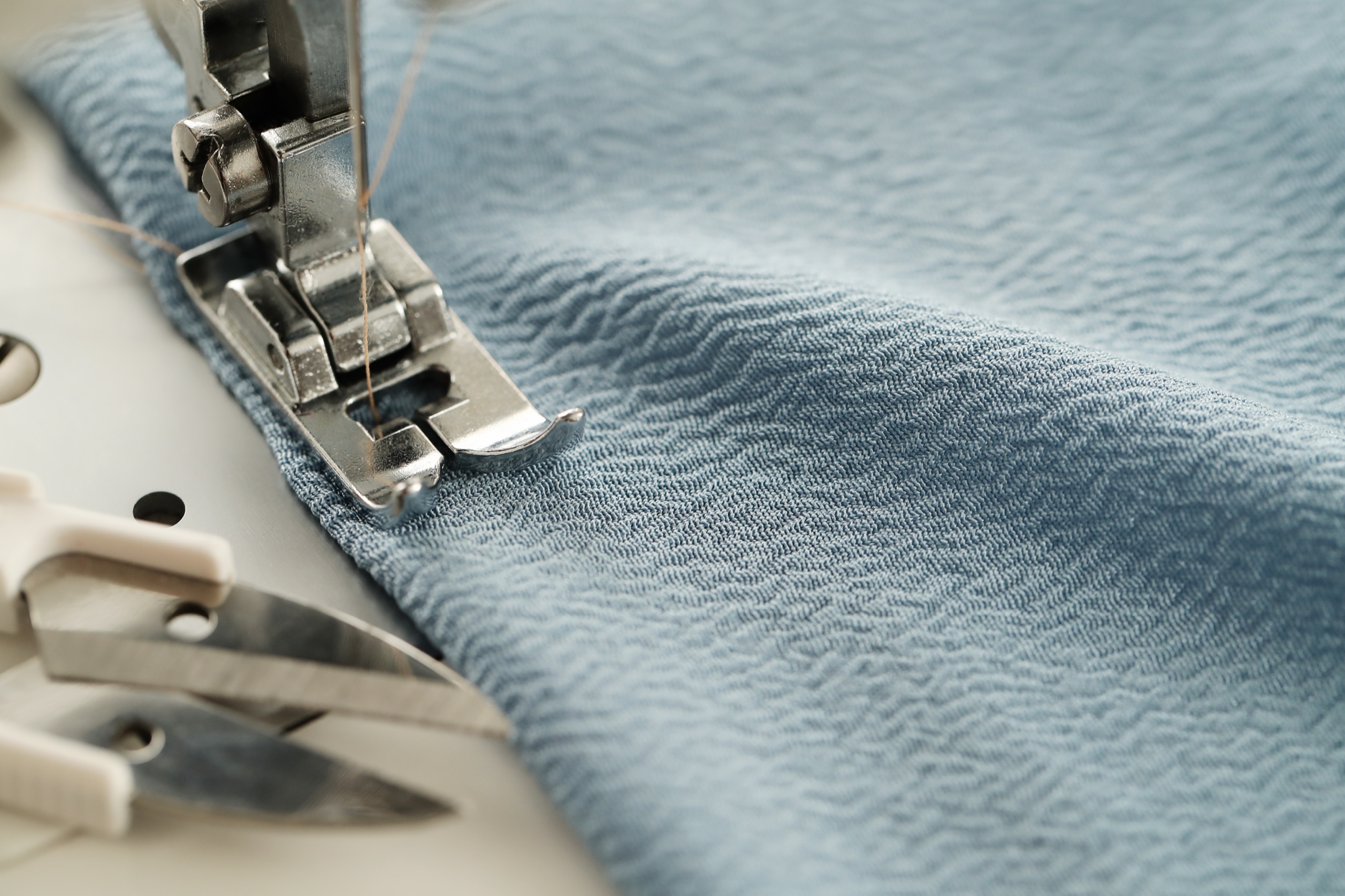
Streetwear identity can come from details that a flat reference image does not fully show: rib, collar construction, panel shape, seam position, pocket design, raw edge, cover stitch, topstitching, cuffs, elastic, drawcords, zippers, patches, lining, labels, or a particular finishing treatment. These details may affect the sample route and production controls even when the overall silhouette looks simple.
List the construction features in priority order. Mark which feature is essential to the product and which can be reviewed for feasibility. For a visible seam or rib finish, a buyer may need a close photo, a reference sample, or an approved construction note. For a pocket or patch, placement should be defined from a seam or measurement point. “Same as image” is weak where the original image hides the internal construction or reverse side of a detail.
Construction also connects to quality review. A buyer should ask what the approved sample establishes about appearance, seam consistency, trim placement, and finishing. The answer should reflect the style’s real risks and remain conditional where material, process, or buyer requirements are not yet confirmed.
What should buyers check about treat graphics, embroidery, and patches as production components?
Graphic work is not only a design file. It has a placement, scale, colour route, surface, and relationship to the garment. The buyer should provide the current artwork file, identify the intended decoration method where known, and define placement from a stable garment point. If a graphic crosses a seam, wraps a side, aligns with a pocket, or sits on a washed surface, the sample should show the result rather than relying only on a screen image.
For embroidery, patches, transfers, and other additions, the buyer should consider hand feel, backing, density, edge finish, placement, and the effect on the fabric. The appropriate method depends on the artwork, material, garment use, and desired appearance. Do not assume that a technique used on another product will produce the same result on a new fabric or construction.
Keep artwork versions controlled. State the file name or revision, colour direction, scale, and placement reference. When an artwork or placement changes, identify whether the change affects all sizes and colourways. This gives the sample room and production team one current instruction instead of a set of competing attachments.
The buyer should decide where variation is acceptable and where it is not. A vintage-inspired finish may allow a project-specific range in surface character, while a logo’s legibility, a patch position, or a size label location may require a more exact reference. Marking this distinction early makes sample comments more useful. It helps the factory focus inspection on the features that carry the brand identity instead of trying to apply the same approval logic to every visual element.
Before final artwork approval, compare the graphic with the intended finished garment rather than only the digital board. Check the relationship to neckline, pocket, seam, hem, panel, and the garment’s actual scale. If the artwork has alternate placements by size, write those rules into the current record. The finished sample is the place to resolve a visual decision; bulk is not the place to discover that an otherwise correct file creates the wrong proportion on the product.
How should buyers plan wash, dye, and finish effects before the sample is approved?
Many streetwear directions depend on surface character: a faded appearance, softened hand feel, pigment effect, brushed surface, spray detail, or other garment treatment. These are not merely post-production decorations. They can affect colour, dimensions, hand feel, seam appearance, print compatibility, trim behaviour, and the finished garment reference.
Describe the intended look with references, but confirm the sample route before bulk. The buyer should identify whether the final appearance is a fixed requirement, a direction to be explored, or a controlled variation that needs an approved range. The appropriate process and evidence depend on the material, colour, construction, decoration, and project requirements. Avoid promising an identical effect from a visual reference without a physical sample or project-specific review.
When a finish follows sewing, check the finished garment—not only the pre-finish sample—for measurements, proportions, artwork, labels, and overall appearance. If the result changes a fit-critical point, the buyer and factory should record the decision before cutting bulk. This is especially important when a product’s character depends on both a specific silhouette and a visible surface treatment.
How should buyers align colourways, panels, and collection logic?
Streetwear drops often use colour to create a collection rather than a single garment. A colour plan can affect fabric availability, decoration, contrast panels, thread, rib, labels, packaging, and the quantity split by size. Buyers should state the intended colourways early and identify whether each colour uses the same fabric and finish route or requires individual confirmation.
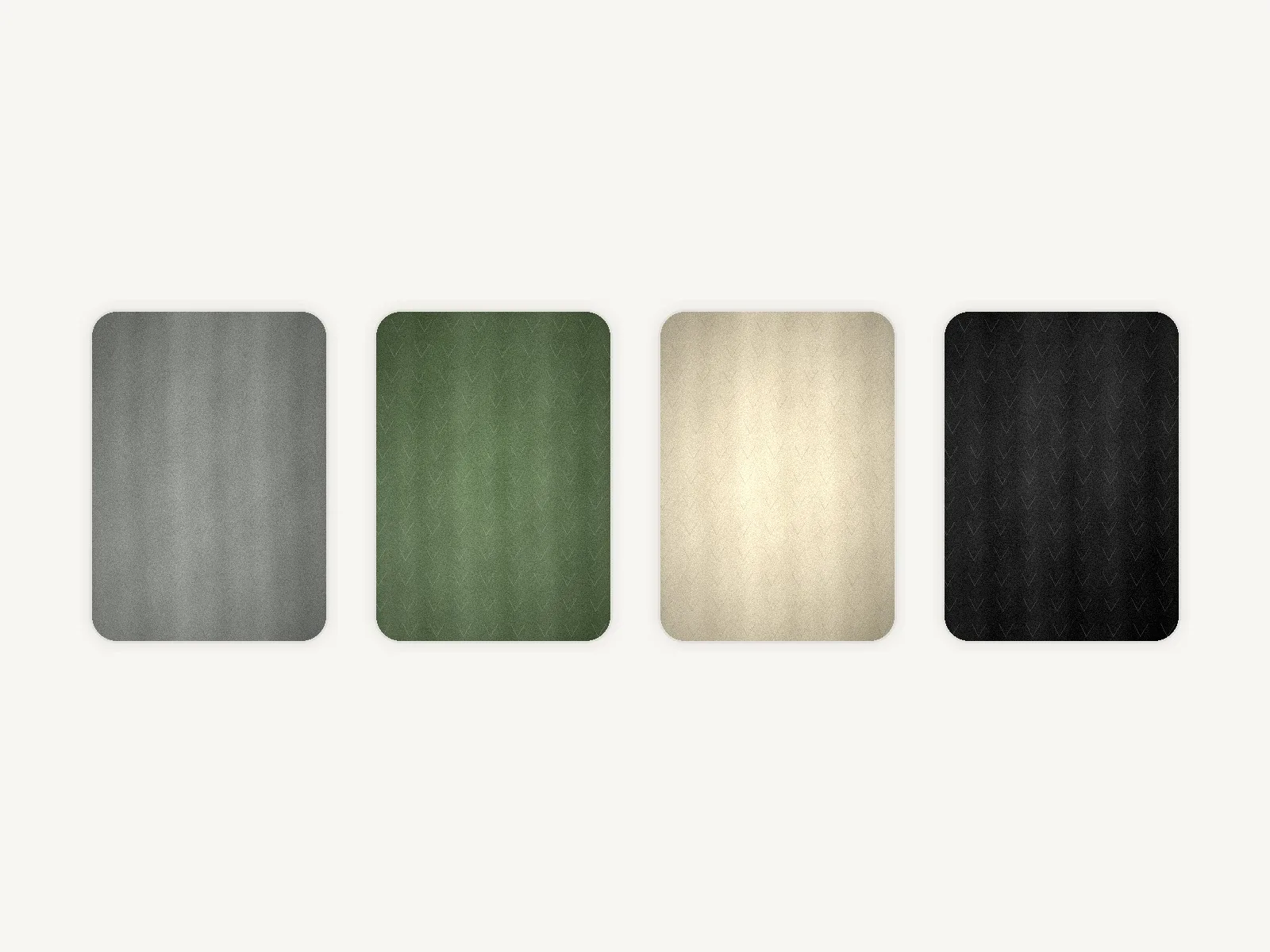
For contrast garments, define which component controls the colour relationship. A body, rib, panel, print, lining, zipper tape, patch, and label can all be part of the visual result. A factory can discuss practical options, but the buyer should retain one current colour and trim record rather than approving details separately in scattered messages.
Collection logic also helps reduce unnecessary complexity. A first drop may benefit from a focused set of fabrics, colours, and decoration methods while the brand proves fit and product demand. This is not a fixed rule: the appropriate approach depends on the creative direction and programme. It is a planning question that can make sampling and later repeat-order control more manageable.
How should buyers build a private-label package before packing is discussed?
Private-label details should be developed as a package, not added at the end. The package can include main label, size label, care label, composition information, hangtag, barcode, bag, folding direction, tissue or insert, carton mark, and any brand-specific presentation detail. The exact components depend on the project and destination market, which the buyer should confirm with the responsible internal teams.
Give the factory current artwork, placement, and packing instructions. If the brand is still deciding label language, barcode content, or carton requirements, mark those points as open. A buyer should not assume that a sample made without final labels or packing is a complete bulk reference. The private-label package can affect materials, handling, packing sequence, and the evidence needed for final review.
For custom/private-label development support, a buyer can review the private-label process alongside the style-specific sample discussion. The page is a commercial destination; the article’s purpose is to make the buyer’s inputs clearer before that conversation.
Packing should be reviewed as part of the product experience, not only as a shipping task. A folded heavy tee, a brushed pullover, a garment with a patch, or a piece with a special finish may need a particular protective arrangement to arrive in the intended condition. The buyer should specify what needs protection and presentation, then confirm the route with the factory before bulk packing begins. Do not assume the photo sample demonstrates the final individual packing standard.
Keep market-specific label and packing obligations within the buyer’s responsible review process. The factory can work from confirmed artwork and packing instructions, but the buyer should provide the required content, languages, barcodes, retailer instructions, and known destination requirements. If any of those elements remain open, note them in the approval pack so that a development sample is not mistaken for a fully retail-ready bulk reference.
How should buyers use an approved sample as a controlled bulk reference?
An approved sample is useful only when everyone knows what it represents. It may establish fit, fabric, construction, decoration, wash direction, labels, packing, or a combination of those items. If a component is temporary or pending, document that condition. A sample room can make a convincing one-off garment while bulk production needs a clear instruction that other teams can follow.
Before bulk, identify the controlling reference: physical sample, measurement specification, fabric and trim record, artwork, label files, packing instruction, and approved comment sheet. Each item should have a current version. If a buyer changes an element after approval, record whether the change applies to all units, a colourway, a size, a future order, or a specific exception.
The factory should be able to explain which checkpoints occur before cutting, during production, before finishing, and before packing. The buyer should be able to identify what needs confirmation before those checkpoints begin. This shared record is more protective than a general statement that the sample “looks good.”
Compare quotations through a like-for-like brief
Price, quantity, timing, and material availability depend on the project. A buyer can make quotation comparisons more useful by giving each streetwear manufacturer the same current brief. Include style reference, material direction, construction, wash or finish direction, colours, size range, quantity split, graphic or embroidery method, labels, packing, sample requirements, target market, and requested delivery window.
Ask each supplier to state what is included, what is excluded, and which points remain to be confirmed. A lower unit price can reflect a different material, decoration scope, label package, packing route, or sample assumption. A more complete answer helps the buyer compare the programme rather than a number detached from its production basis.
A useful streetwear quotation follows a shared product brief and identifies the material, sample, graphic, private-label, and packing assumptions that still need approval.
Keep a repeat-order record instead of restarting from images
Once a style has been produced, retain the final sample reference, material and colour notes, measurement specification, construction notes, artwork files, label package, packing standard, QC observations, and records of approved changes. These records give a repeat order a practical starting point; they do not guarantee that every input is still available or unchanged.
At the start of a repeat, compare the new request with the retained record. Check fabric and trim availability, colourways, sizes, quantity split, graphics, labels, packing, target market, and any new finish or fit requirement. If a previously approved element changes, decide whether it needs a new material, sample, or bulk reference review.
This habit is useful for seasonal drops as well. A brand can retain the product decisions that define its identity while reviewing the variables that have changed. The result is a more controlled conversation with the streetwear manufacturer and less reliance on memory, screenshots, or old message threads.
What should buyers check about buyer action and factory confirmation checklist?
Use this checklist before treating a streetwear sample as ready for bulk:
- Provide product references, style type, target customer, and the fit features that are fixed.
- Share the intended fabric, colour, construction, wash or finish, graphics, labels, packing, size range, and quantity split; identify open points.
- Ask which sample stage is being reviewed and which components it does or does not represent.
- Confirm base-size measurements, fit comments, construction details, graphic placement, and relevant finished-garment appearance.
- Consolidate final artwork, labels, packing, and change decisions into one versioned record.
- Ask which production and QC checkpoints will use that record before bulk cutting, during work, and at final packing.
Buyer action: make product priorities and open decisions visible. Factory confirmation: identify the material, sample, decoration, production, and packing details that must be confirmed for the actual style.
What should buyers check about next step: prepare the inputs for a private-label streetwear discussion?
To discuss a custom programme, share your fashion product brief with references or a tech pack, product category and construction, fabric and colour direction, fit reference, graphic files, wash or finish direction, labels, packing, size range, quantity split, target market, sample needs, and target delivery window. Yinshan Fashion can then review the development and production variables that should be confirmed before bulk.
Streetwear bulk brief
Three controls that keep a streetwear reference from becoming an assumption
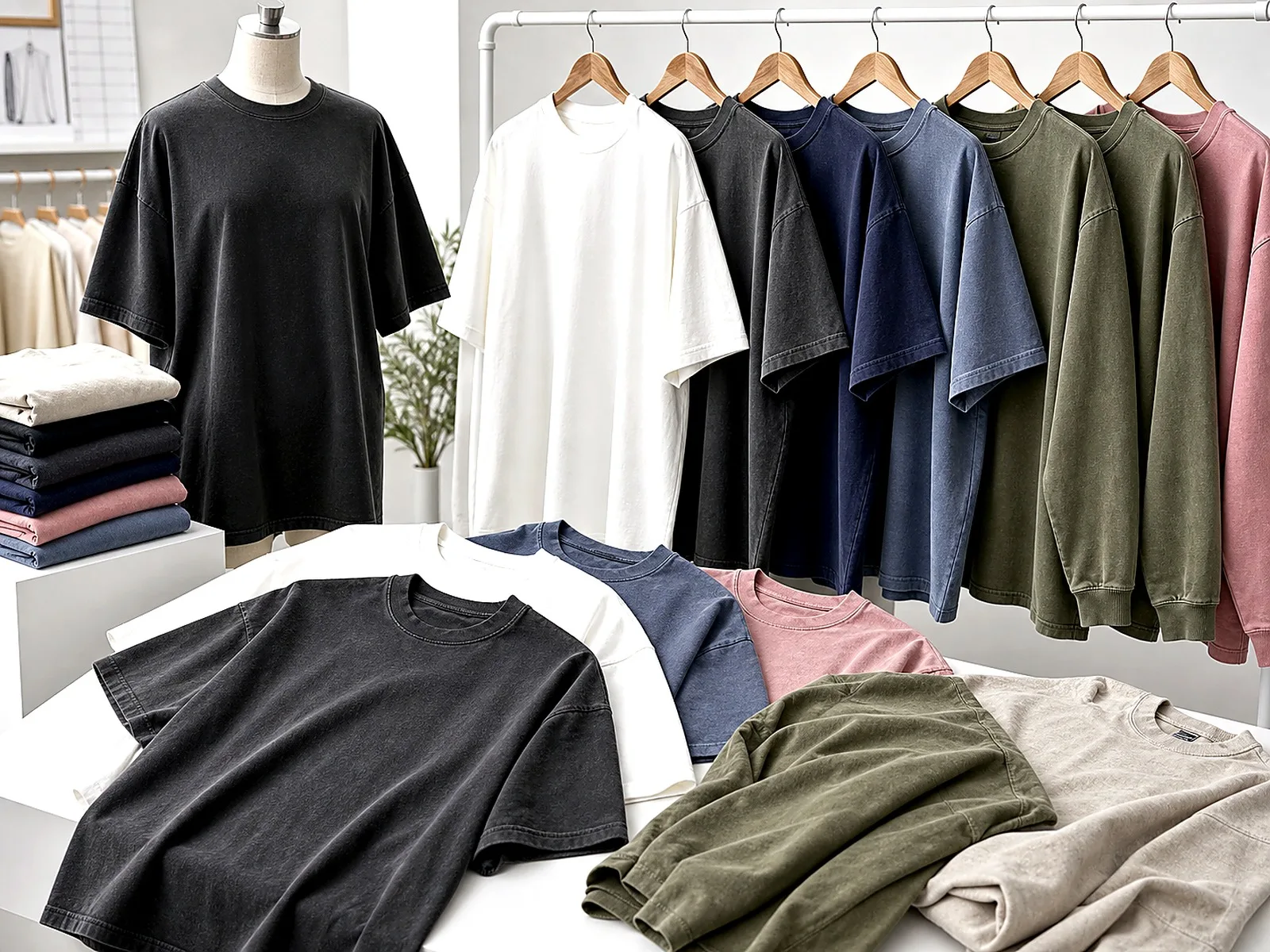
Streetwear relies on visible choices—proportion, material, seams, graphics, wash, trims, and presentation. Those choices need a measured product record before a custom or private-label programme moves from a reference into bulk.
Translate the silhouette
Define the base size, measurement points, shoulder, body, sleeve, hem, pocket, panel, and grade decisions that make an oversized or relaxed fit repeatable.
Approve product-defining details
Connect fabric, surface, wash, construction, graphics, embroidery, patches, hardware, and placement to a sample that shows the finished garment rather than an isolated file.
Close the private-label package
Labels, hangtags, barcode, folding, protective packing, cartons, and colourway rules need the same approval discipline as the garment itself.
Streetwear brief: buyer action and factory confirmation
Use this before bulk. It distinguishes a custom or private-label programme from a generic ready-stock request and keeps style-specific decisions visible.
| Decision area | What the buyer should prepare | What to ask the factory |
|---|---|---|
| Product role and fit | Provide the product type, target customer, reference images, base size, key proportions, measurement points, size range, and fixed versus open decisions. | Which fit, pattern, construction, or grading point must be resolved before the sample can represent the intended silhouette? |
| Fabric and finish | Describe material, colour, hand feel, weight direction, surface, wash or finish intent, and the garment state that must be approved. | Which sample, material, or finish evidence is needed before the style is treated as a bulk reference? |
| Construction and decoration | Send current artwork, method, scale, placement, colourway scope, seams, rib, panels, pockets, patches, hardware, and annotated references. | Which artwork, placement, construction, or finished-garment detail needs approval across the relevant sizes and colourways? |
| Private-label and packing | Provide labels, care information, hangtags, barcode, folding, protective pack, carton marks, assortment, market, and retailer inputs where relevant. | Which label, packing, or carton file must be closed before final inspection and delivery preparation? |
| Bulk release and repeat | Record the approved sample, open conditions, decision owner, QC priorities, and every material, artwork, label, or packing record needed for a repeat. | What is still conditional, and which new fabric, wash, graphic, colour, or packing change would require fresh approval? |
Continue the production conversation
Private-label streetwear: buyer decisions before bulk
| Control area | Buyer should confirm | Risk if it stays vague | Useful evidence |
|---|---|---|---|
| Product and fit | Style type, base size, key proportions, measurement points, grade discussion where needed | The bulk silhouette differs from the intended reference | Approved sample and current measurement specification |
| Fabric and finish | Material reference, colour, surface direction, wash or finish assumptions | Hand feel, shape, shade, or finished appearance changes | Swatch or material reference and finished-sample notes |
| Construction | Seams, rib, pockets, panels, trims, hardware, and visible details | A product-defining detail is interpreted differently | Annotated photos and construction comments |
| Graphics and patches | Current artwork, method, scale, placement, and applicable colourways | Decoration differs across sizes or finished garments | Versioned artwork and approved sample evidence |
| Private-label package | Labels, hangtags, barcode, folding, protective packing, cartons | Retail presentation or packing is incomplete or incorrect | Label files and packing standard |
| Bulk release | Current sample, open items, decision owner, and QC checkpoints | A conditional sample is treated as a complete bulk standard | Versioned approval pack |
Buyer FAQs
What should a brand send to a streetwear manufacturer first?
Send references or a tech pack, product type, fit direction, fabric and colour direction, construction details, graphics, labels, packing needs, size range, quantity split, target market, sample needs, and target delivery window. Mark anything not yet decided so the factory can explain what needs confirmation.
Is a reference image enough to quote a custom streetwear style?
It can start a feasibility conversation, but it is not a complete production specification. Fabric, measurements, construction, decoration, labels, packing, quantity split, and the sample route can change the production basis. Ask the factory to state its assumptions before comparing quotations.
When should graphics and embroidery be approved?
Approve the relevant artwork version, scale, placement, colour direction, and production method before bulk. If the garment uses a wash, special surface, seams, pockets, or multiple sizes, review the decoration on a relevant sample so it can be checked against the finished garment.
Does a garment wash require another sample review?
It may. A wash or finish can affect colour, hand feel, dimensions, artwork, trim behaviour, and appearance. The appropriate sample route depends on the material and product. Confirm what the approved sample represents before bulk is released.
What should be retained for a streetwear repeat order?
Keep the approved sample reference, material and colour notes, measurements, construction details, artwork, labels, packing instructions, QC notes, and records of accepted changes. Compare the new request with those records before assuming the old route still applies.