
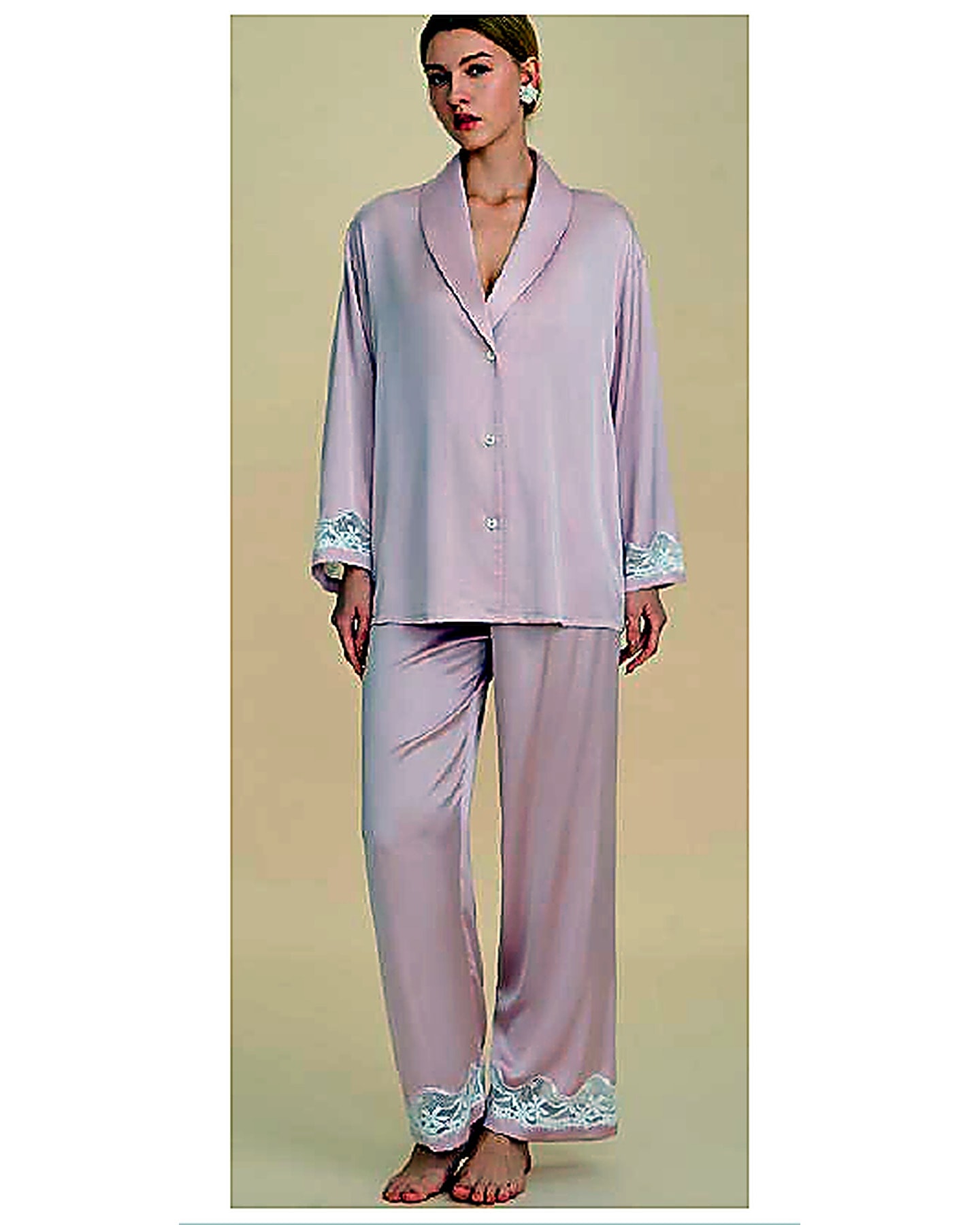
Article
What should buyers know first?
Short answer: A buyer guide to planning private label fashion clothing with a factory: product direction, materials, samples, branding, labels, packing, approvals, and bulk handover.
What should buyers decide before starting private label fashion clothing?
Private label fashion clothing is a product-development programme, not a request to add a logo to a generic garment. A workable programme connects the intended customer, product direction, fit, fabric, construction, brand components, quantity matrix, packing, market, sample purpose, and approval route. When those inputs are visible, a factory can say what can be reviewed now and what needs a material header, a sample, a proof, or a buyer decision.
Yinshan Fashion supports custom and private-label bulk programmes rather than unrestricted ready-stock wholesale. A buyer can start with a sketch, reference garment, mood board, or partial tech pack, but those inputs do not establish a fixed MOQ, price, delivery date, material availability, testing result, or market conclusion. Those points depend on the current garment and the evidence available for it.
The practical aim is not to make every early detail look final. It is to make the product and its open questions readable. That lets a brand compare development routes, sample decisions, and factory quotations without losing track of which version is being discussed.
How should buyers start with the retail decision, not the logo file?
Define what the collection must accomplish before choosing how many styles to make. It may be a first market test, a boutique capsule, a seasonal launch, a replenishment line, or a revised repeat programme. The decision changes the questions that matter. A first test needs a controlled sample and quantity conversation. A seasonal range needs a shared colour and component plan. A repeat needs a clear comparison with the approved previous material, labels, packing, and quality record.
For each style, write a short outcome: intended wearer, use, silhouette, fit, length, fabric behaviour, visible construction, and retail impression. Separate fixed points from flexible ones. A buyer may be fixed on a relaxed woven shape, a brand label, and a retail fold while remaining open to a lining or fastening after sample review. This helps a factory offer practical options without converting a preference into an assumed production instruction.
Create one style code or project reference and repeat it in the brief, image folder, sample comments, fabric headers, artwork files, labels, packing notes, and RFQ. A name alone cannot safely identify a product when a collection has colours, sizes, components, or channel-specific packing variations. The casual-fashion collection can help frame category, fit, fabric, and construction questions, but the dated product brief remains the current source of truth.
How should buyers build a private-label brief that separates evidence from assumptions?
A clear brief can be incomplete. It must distinguish confirmed information, a proposed direction, and an open question. Start with a style code, category, reference image or sample, target wearer, intended use, base size, desired size range, and the features that cannot change. Annotate images when a neckline, seam, pocket, hem, trim, or logo position matters. An inspiration image may show an overall silhouette without supplying every construction decision.
Record fit and construction as product outcomes. Identify the intended ease, body length, shoulder position, sleeve or leg shape, drape, stretch, coverage, and visible finish. If a measurement is unknown, mark it as a sample-review point instead of inventing it. If a buyer does not know a technical construction term, a close-up and a clear description of the desired result give the factory a useful question to answer.
The fashion product brief before sampling provides a practical format for organising references, specifications, materials, quantities, and decisions. Keep the brief current after a fabric, artwork, fit, quantity, or packing change. One changed component can affect the sample, quotation basis, label data, production handover, and repeat record.
What should buyers check about give fabric, colour, and trims a traceable identity?
Fabric is not a background decision. It affects handfeel, drape, opacity, stretch, recovery, weight, care behaviour, construction options, and later commercial discussion. State the garment result first, then record the available material information: source or swatch code, intended component, construction, handfeel, colour reference, and the next evidence needed. A digital picture or a material name is not evidence that a final garment will behave as intended.
Separate a material preference from a consumer-facing claim. A buyer may request a particular fibre direction or an attribute that needs documents. Record the requested route and the approval question. Final label, hangtag, product-page, and campaign wording depend on the actual material, available records, finished garment, and the buyer's market review. It should not be copied from a mood board, a prior product, or a supplier conversation.
Give colours and components the same discipline. List the colour reference, material base, and whether a lab dip, header, or garment review is needed. Give buttons, zips, elastics, linings, drawcords, patches, threads, labels, and decorative parts a code or descriptive identity. The fabrics and trims resource can help structure questions before sampling; the current style record should show what the buyer has supplied and what remains open.
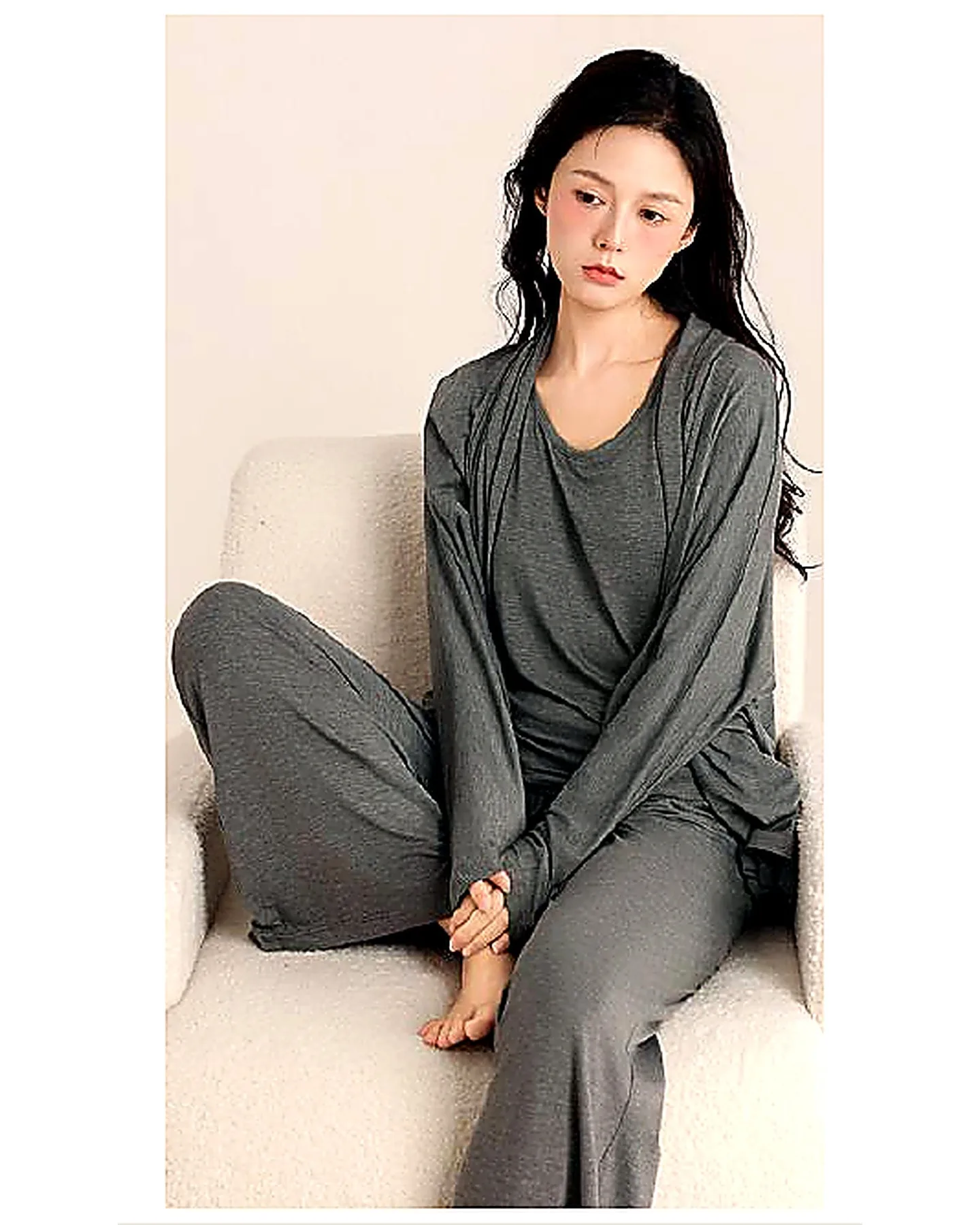
What should buyers check about make branding, labels, and artwork part of the product record?
A neck label, size label, care file, hangtag, barcode, package insert, or carton mark must connect to the style, colour, size, destination, channel, and approval version it serves. Start by recording the purpose of each item. A neck label identifies the brand and garment. A size label maps to a range. A barcode may change by channel. A packing insert can apply only to a particular retail route. Do not assume one file works for every style or market.
Create a small component register with the code, artwork or copy version, placement, material or finish, source, owner, and status. Use confirmed, proposed, open, or not applicable. A digital artwork approval, a loose component proof, an applied garment sample, and a packing sample answer different questions; treating them as the same approval creates avoidable mistakes.
The private-label programme is useful for planning the categories of brand components. The buyer retains responsibility for final customer-facing information and market wording. A factory can coordinate approved files and flag a mismatch between an item and the current product. It should not invent a claim, barcode, label text, or destination requirement from incomplete data.
What should buyers check about show the style-colour-size matrix behind the quotation?
A single total quantity rarely describes a private-label order. Provide the current quantity by style, colour, and size where available, along with the number of fabrics, labels, components, decoration methods, and packing variations. Mark any provisional values and name the next decision date. This does not create an early commitment; it prevents a factory response from being compared with a different product structure than the buyer intends.
Include the current destination, sales channel, target arrival context, and warehouse or retail requirements that may affect the project. A quotation can depend on product construction, material route, colour count, size split, trims, labels, decoration, individual protection, folding, cartons, and development work still open. Ask each supplier to show assumptions, inclusions, exclusions, and questions. A number that silently excludes a sample stage or packing route is not a comparable answer.
Use the fashion apparel RFQ template to send one dated product basis to each supplier. When the product changes, attach the revised version and identify the changed field. Exact terms, availability, and timing remain programme-specific until the real garment and order route have been reviewed.
What should buyers check about give every sample a named decision to answer?
Every sample should have a purpose. A first sample can test silhouette, pattern balance, fabric behaviour, construction, decoration placement, or an early label concept. A later sample can test fit, colour, print, branding, packing, or a release-ready combination. State the question the sample must answer, its version and size, the material and component references, the reviewer, feedback deadline, and what decision follows if the review passes.
Consolidate feedback against the actual sample version. A designer, merchandiser, buyer, and retailer can have different but valid priorities; the brand should resolve conflicting comments before sending the factory one controlled instruction. A flattering sample is not automatically a production reference. It may use temporary fabric, provisional trims, incomplete artwork, an earlier grade, or no retail packing.
The first bulk order production control guide helps connect the approved sample to a later release record. Buyers and factories should be able to identify what is approved for fit only, what remains conditional, and what may be released for a particular production step.
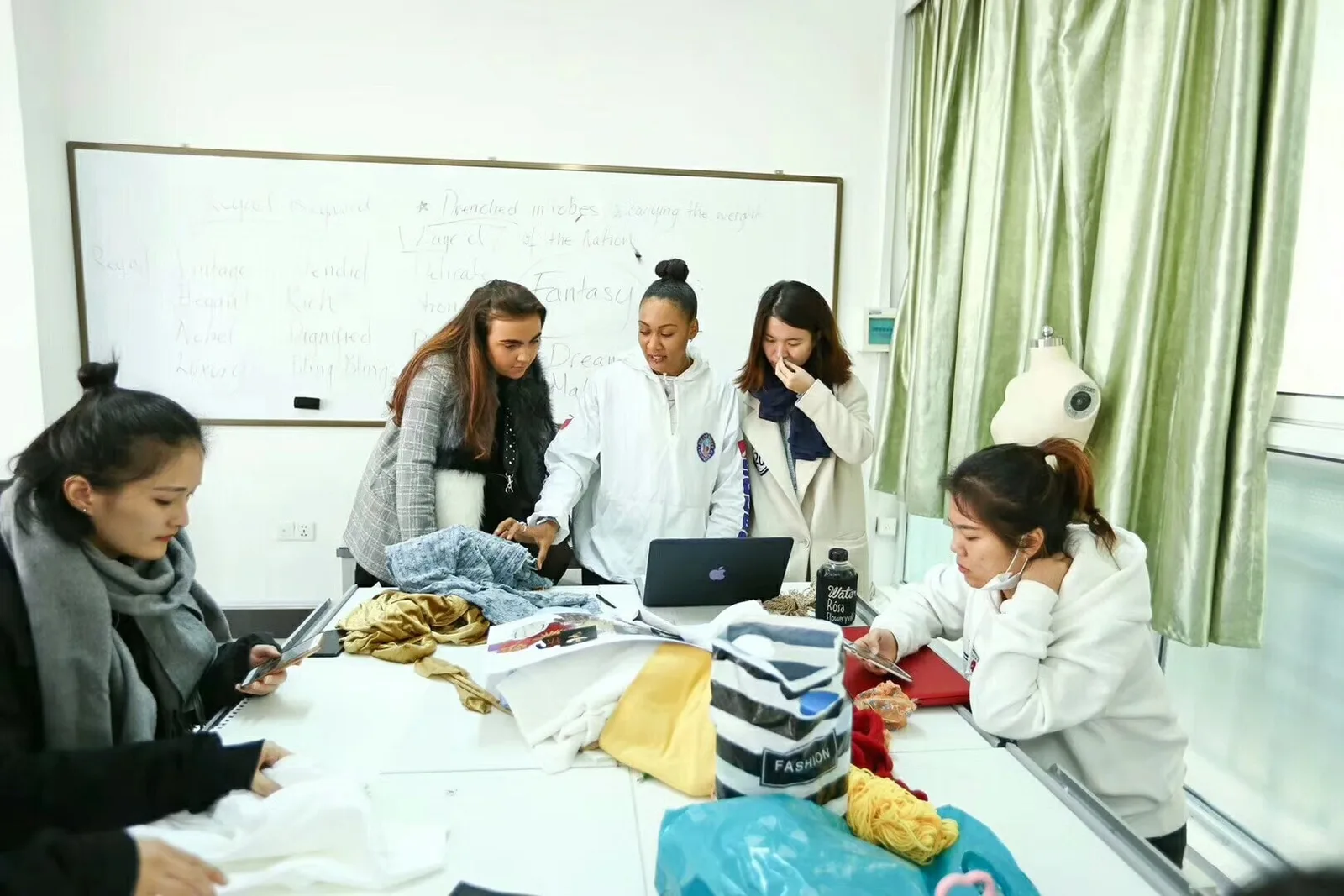
What should buyers check about close packing and market inputs before they become a shipment problem?
Packing is part of the private-label product, not an end-stage accessory. Record folding, individual protection, size sticker, barcode, hangtag, inserts, carton mark, carton configuration, destination, channel, and receiving requirement. Mark which files are supplied, which need buyer approval, and which remain unknown. A garment sample does not prove retail readiness if the label, barcode, protective material, or carton route is not decided.
Do not assume that one language, barcode structure, product statement, carton mark, or packing format works everywhere. The buyer should identify the destination and obtain the appropriate internal, retailer, or professional review. The factory can identify a mismatch between approved files and the product plan, but should not make an unverified market conclusion. The wholesale apparel packing requirements guide provides a useful planning frame for retail and warehouse data.
What should buyers check about turn approvals into a controlled handover?
Before cutting or another irreversible action, make the current product record visible in one handover. Depending on the programme, that may include the approved garment or sample, pattern or measurement basis, material and colour route, construction, components, artwork, labels, packing, quantity matrix, quality priorities, exceptions, and decision log. The purpose is not bureaucracy. It is to let a new merchandiser, production colleague, or QC reviewer identify the current truth without rebuilding it from messages.
Use a version, date, owner, and status for critical points. Approved subject to bulk-fabric confirmation is more useful than an unqualified approved label because it identifies what cannot yet be treated as released. When a material, label, colour, artwork, or packing instruction changes, record its scope: style, colourway, size range, production stage, and order line. The manufacturing route shows how product inputs connect with production, quality checks, finishing, packing, and delivery preparation.
How should buyers keep a comparison record for repeat orders?
A private-label repeat should begin with the last approved record, not a style name and an old photo. Retain the approved sample or visual reference, measurements, material and colour route, trims, artwork, labels, packing, quantity structure, quality notes, exceptions, and approval date. This is a starting point, not an automatic promise that materials, components, quantities, market needs, or timing are unchanged.
Compare the new request against that record: colourways, sizes, quantities, material availability, branding, barcodes, packing, quality priorities, market, and arrival objective. Keep unchanged items visible too. This gives the brand and factory a way to focus new samples or approvals on the actual difference rather than restarting development from memory.
How should buyers use one change log across the programme?
Private-label work often moves through product, material, design, sourcing, production, and retail teams. A brief remains useful only when the group can see what changed. For each material, fit, component, artwork, packing, or order change, record the date, reason, affected style or SKU, current status, decision owner, and next action. Link the change to the relevant evidence such as a fabric header, sample photograph, revised file, or packing proof.
This simple record prevents a proposed alternative from being treated as an approved release. It also protects the buyer from having to reconstruct a decision during a sample review, a bulk handover, or a repeat enquiry. When a change affects the product, ask which connected records require a new check before the team proceeds.
What should buyers check about match product complexity to a realistic development route?
Not every private-label garment needs the same development path. A simple jersey style using a known fabric and a small component package can move through a different review sequence from a tailored woven piece, a washed graphic garment, a stretch active style, or an item with multiple components and retail-specific packing. The buyer should describe the source of complexity instead of applying a generic schedule. It may be fit, fabric behaviour, custom colour, print or embroidery, lining, hardware, labels, packaging, or a destination-specific input.
Ask the factory to name the evidence that reduces each risk. A fabric header may answer a handfeel question. A pattern review may answer a fit question. An applied artwork proof may answer a decoration question. A packing sample may answer a warehouse question. This approach makes a development route easier to manage because every stage has a reason. It also avoids treating a fast first response as an assurance that every later decision is already resolved.
How should buyers review quality priorities before production begins?
Quality starts with the product reference, not a final inspection. Before bulk, identify the visual, fit, construction, component, and packing points that matter most to the buyer. A blouse may need close review of seam appearance, button placement, drape, and collar shape. A casual knit may need attention to neckline recovery, print placement, and measurement after the agreed care route. A branded retail garment may need the label, hangtag, barcode, fold, and carton record read beside the approved product.
Describe the priority and the evidence behind it. The buyer may supply a sample, photograph, measurement point, material header, component proof, or packing instruction. The factory can then explain which checkpoints are practical before cutting, during production, at finishing, and before packing. This is more useful than a broad promise of quality because it connects checks to the actual product and lets both sides see what remains conditional.
How should buyers keep a buyer-owned approval route?
Suppliers can coordinate samples, component proofs, production questions, and packing records, but the brand should identify who can approve product decisions. List the owner for fit, fabric, artwork, labels, packing, exceptions, and final product release. If different colleagues approve different parts of the programme, show that clearly in the brief. A factory should not have to infer which email reply has authority to change a pattern, label, or carton requirement.
An approval should state its scope. Approved for fit does not necessarily mean approved for bulk material, decoration, labels, or packing. Approved subject to a named condition does not authorise a team to ignore that condition. Clear language makes it possible to progress without confusing an early development choice with a finished production instruction. It also gives new team members a practical way to understand the project without relying on oral history.
What should buyers check about make retail presentation visible before it reaches the warehouse?
Retail presentation includes more than the garment's appearance on a hanger. It may include the intended fold, protection, size identification, hangtag, barcode, inserts, carton marking, assortment, and receiving information. Even when a buyer has not finalised every retail detail, it should identify which element is open and who will close it. This helps the factory distinguish a garment-ready sample from a retail-ready release.
Where a channel, destination, or delivery split changes the presentation, connect that variation to the specific style and order line. A general note in an email can be missed during packing. A clear, dated item record can be checked against the product and final packing proof. The result is not a universal packaging rule; it is a visible set of inputs for the current programme.
How should buyers use the first order to build a better repeat record?
The first private-label order provides useful evidence for the next one. Retain the approved sample, material and colour identifiers, component list, artwork, label files, packing data, quantity structure, quality observations, and authorised changes. After delivery, record what the buyer would keep, change, or confirm sooner next time. This turns a shipment into a more useful product record rather than the end of a disconnected project.
A repeat discussion should still confirm present conditions. Materials, components, quantities, market needs, and timing can change. The retained record allows the conversation to begin from a specific product and visible differences, rather than an untested assumption that a previous style can be copied without review.
How should buyers set a practical agenda for the first factory discussion?
The first discussion works best when it has a clear purpose. Tell the factory whether the buyer needs an early feasibility view, material options, a pattern and sample route, a quotation basis, a component review, or a bulk-handover check. Share the product reference, fixed decisions, key open questions, expected quantity structure, target market, and the action the buyer wants to take next. This gives the factory enough context to ask useful questions without presenting a general capability statement as a product commitment.
Ask for a written summary of the current assumptions and next inputs. The useful output may be a request for a swatch, a revised artwork file, a size matrix, a sample purpose, a packing proof, or an owner for a still-open decision. That record makes the next exchange clearer and helps both sides distinguish an exploratory conversation from an approved route.
What should a buyer send to start the conversation?
Before contacting a factory, check whether a reader can identify the product, target customer, desired outcome, fixed and flexible decisions, material direction, order matrix, brand files, packing, destination, sample purpose, owner, and open questions. An incomplete brief is acceptable when it clearly says what is incomplete and which decision comes next.
Send the product reference or tech pack, category and construction, intended fit, fabric and colour direction, quantities by style-colour-size, logo and label files, packing needs, destination, sample objective, target arrival context, and unresolved questions through the contact page. Yinshan Fashion can then discuss a product-specific route through material review, samples, private-label components, production, quality, packing, and export coordination. A useful brief produces the next practical question; it does not promise a result before the product evidence is ready.
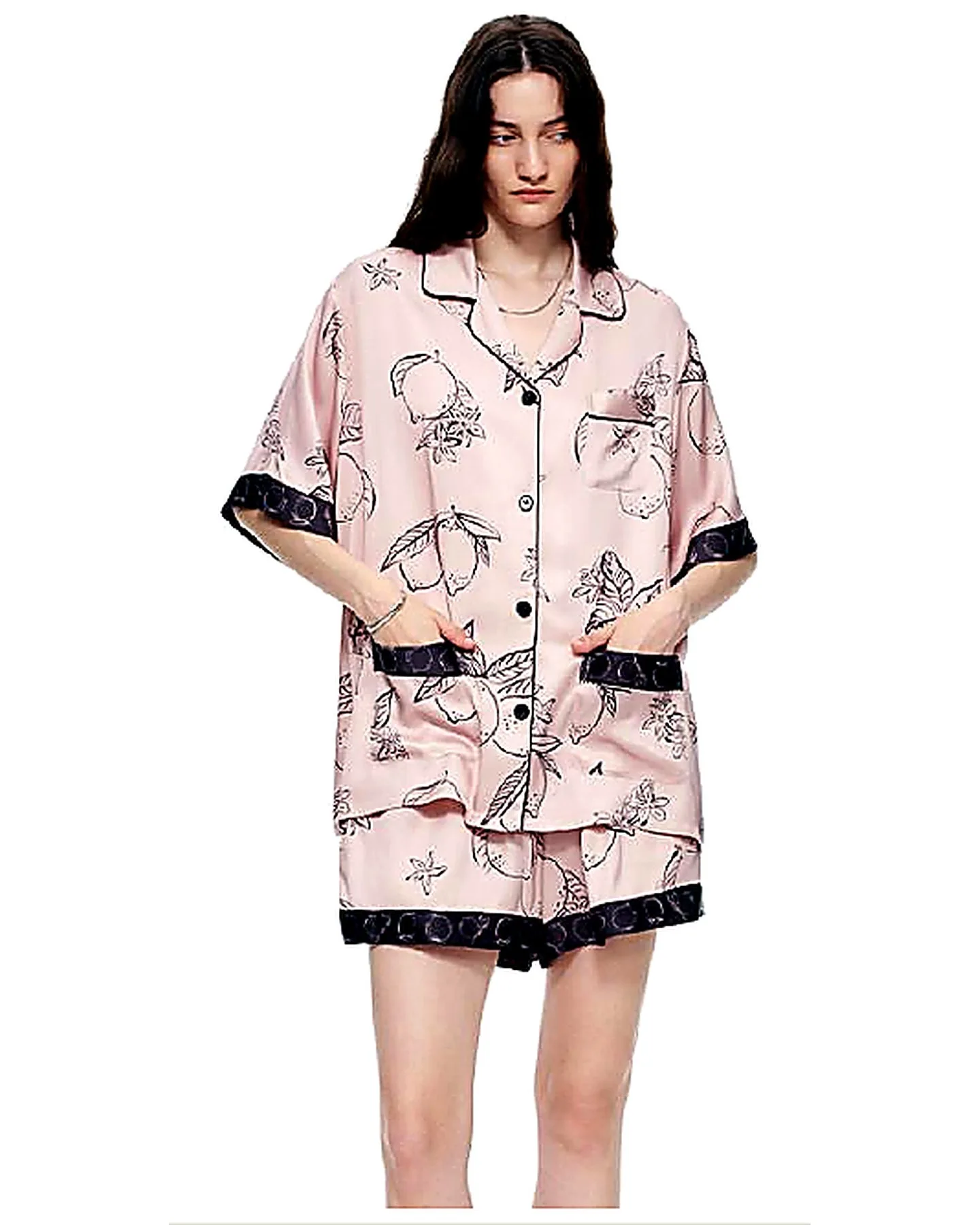
Private-label control kit
Three controls that make a private-label brief usable
A buyer does not need every decision final before speaking with a factory. The useful brief identifies the product, connects each component to the current style, and makes open decisions visible before they become a sample, quote, or bulk risk.
Control the product version
Use one style code, dated brief, and sample reference so product direction, fit, fabric, construction, and approved changes can be reviewed together.
Control component identity
Map labels, artwork, trims, barcodes, and packing to the intended style, colour, size, destination, channel, owner, and approval status.
Control the next gate
State whether the next decision is a sample, quote, component proof, packing review, or production handover and what evidence must be ready.
Buyer action and factory confirmation before private-label release
Use this checklist to make a product, brand-component, and packing route reviewable. Exact materials, quantities, terms, market requirements, and timing stay specific to the current programme.
| Decision area | What the buyer should prepare | What to ask the factory |
|---|---|---|
| Product and sample identity | Provide the style code, category, references, target wearer, fit, construction priorities, sample purpose, current version, and unresolved points. | Which details can be assessed now, and which need pattern work, fabric review, an applied component, or a sample before confirmation? |
| Fabric, colour, and components | Give material and colour direction, swatches or codes, intended garment behaviour, trims, decoration, labels, packing items, and acceptable alternatives. | Which item needs a source, header, proof, sample, document, substitute decision, or buyer approval before it can be treated as current? |
| Quantity and quotation basis | Share the style-colour-size matrix, destination, channel, branding, packing, target arrival objective, and every provisional assumption affecting scope. | What is included, excluded, conditional, or likely to need a revised commercial discussion when the product changes? |
| Artwork, labels, and retail data | Identify the current files, placement, product mapping, barcode, hangtag, care or product information, approver, and market or retailer input. | Which file, proof, applied sample, or approval must be present before branding or retail information is used? |
| Packing and bulk handover | Provide individual protection, folding, stickers, carton rules, quality priorities, exception owner, and the record of released product decisions. | Which packing proof, product record, quality input, or unresolved condition must be closed before the next production stage? |
| Repeat-order comparison | Retain the prior approved product, materials, components, labels, packing, quantity structure, quality notes, and authorised changes. | What remains unchanged, what needs reconfirmation, and which new change should reopen the product route for review? |
Continue the production conversation
Private-label fashion clothing: buyer inputs and factory confirmation
| Decision area | What the buyer should prepare | What the factory should confirm before the next gate |
|---|---|---|
| Product direction | Style code, category, intended wearer, references, fit, construction priorities, fixed decisions, and open questions. | Which points can be assessed now and which need pattern work, material review, or a sample? |
| Material and components | Fabric behaviour, swatches, colour direction, trims, decoration, labels, and acceptable alternatives. | Which item needs a source, header, proof, sample, document, or buyer approval before use? |
| Quantity and quotation | Style-colour-size quantities, destination, channel, branding, packing, target arrival context, and provisional assumptions. | What is included, excluded, conditional, or likely to require a revised project discussion? |
| Sample and approval | Sample purpose, version, reviewer, key measurements, comments, owner, and next decision gate. | How will the current sample connect to the product, components, packing, and a potential bulk reference? |
| Retail packing and release | Labels, barcodes, hangtags, protection, folding, cartons, market inputs, quality priorities, and exception owner. | Which file, proof, packing sample, or market input must be present before the item is treated as ready? |
| Repeat-order record | Approved product references, changes, order matrix, material and component identifiers, and retained quality or packing notes. | Which record is the current basis, and which change reopens the product route for review? |
Buyer FAQs
What should private label fashion clothing include before sampling?
Start with the style identity, references, intended wearer, fit and construction priorities, fabric and colour direction, components, quantities by style-colour-size, branding, labels, packing, destination, sample purpose, timing context, approval owners, and open questions. Mark what is confirmed and what needs a source, proof, sample, or decision.
Can I begin a private label fashion clothing project without a complete tech pack?
Yes. Send the clearest available reference, describe the product outcome, identify fixed decisions and unknowns, and state what the first sample or supplier discussion must answer. Do not present missing measurements, materials, artwork, or market information as final; assign the next decision instead.
When should labels and packaging be finalised for a private label collection?
Plan labels and packing early because they connect to the product, size, destination, channel, quantity, and retail presentation. The final approval route depends on the programme, but the buyer and factory should identify which artwork, product data, proof, sample, and market input must be approved before components or packing are released.
Why should a private-label quote show assumptions?
The product structure can change with fabric, construction, colours, quantities, sizes, decoration, components, labels, packing, destination, and unresolved development work. Visible assumptions let buyers compare supplier responses on the same basis and identify what must be reviewed if the product changes.
What should be retained for a private-label repeat order?
Keep the approved style and sample references, measurement and pattern basis, material and colour route, trims, artwork, labels, packing, quantity structure, quality notes, approvals, and authorised changes. Reconfirm the current material, components, quantities, market, and timing before treating a repeat as unchanged.