Article
What should buyers know first?
Short answer: Define modest activewear development through buyer-specific coverage points, opacity review conditions, fit evidence and intended movement.
Modest activewear development begins with the brand's intended wearer, activity and coverage requirements. The word modest does not define one universal silhouette or measurement chart. A long top, a looser trouser and a layered set can meet different customer preferences while creating different fit and construction questions. Buyers should describe those requirements directly and evaluate them in the actual sample.
For a custom or private-label enquiry with Yinshan Fashion, provide the garment concept, target customer, activity context, size range and material direction. Yinshan Fashion's available development scope, sourcing options, minimum quantities, commercial terms and timing need confirmation for the project. This guide does not claim a particular modest-activewear certification, tested performance level or existing specialist block.
The practical objective is a brief that makes coverage, opacity, fit and movement reviewable. Keep subjective preferences, development observations and formal performance evidence distinct. The buyer can then decide what the sample demonstrates, which questions remain open and what further work is needed before the programme progresses.
Modest activewear development starts with the intended customer
Describe the customer using the brand's actual research, feedback or stated design hypothesis. Identify the activity, wearing environment and preferences relevant to the proposed range. Avoid treating women from a particular country, religion or age group as if they share one set of clothing expectations. The buyer's own intended audience should guide the specification.
Separate established information from assumptions. A brand may have return reasons, fitting feedback or retailer requests from an existing range. A new label may be exploring a concept without that evidence. Both can prepare a useful brief if they state the basis honestly and identify which assumptions the sample review is intended to explore.
Name the person who can resolve customer and design questions. The factory needs a clear source of direction when coverage, silhouette and activity requirements conflict. A development team can assess technical options, but it should not be expected to invent the brand's definition of modesty or make cultural assumptions on the buyer's behalf.
Define the activity and movement context
Identify the intended activities and the movements that matter to the garment. A product proposed for walking, studio exercise or another use should have a review plan relevant to that context. Do not describe it as suitable for every sport unless the brand has established the necessary evidence for that broader claim.
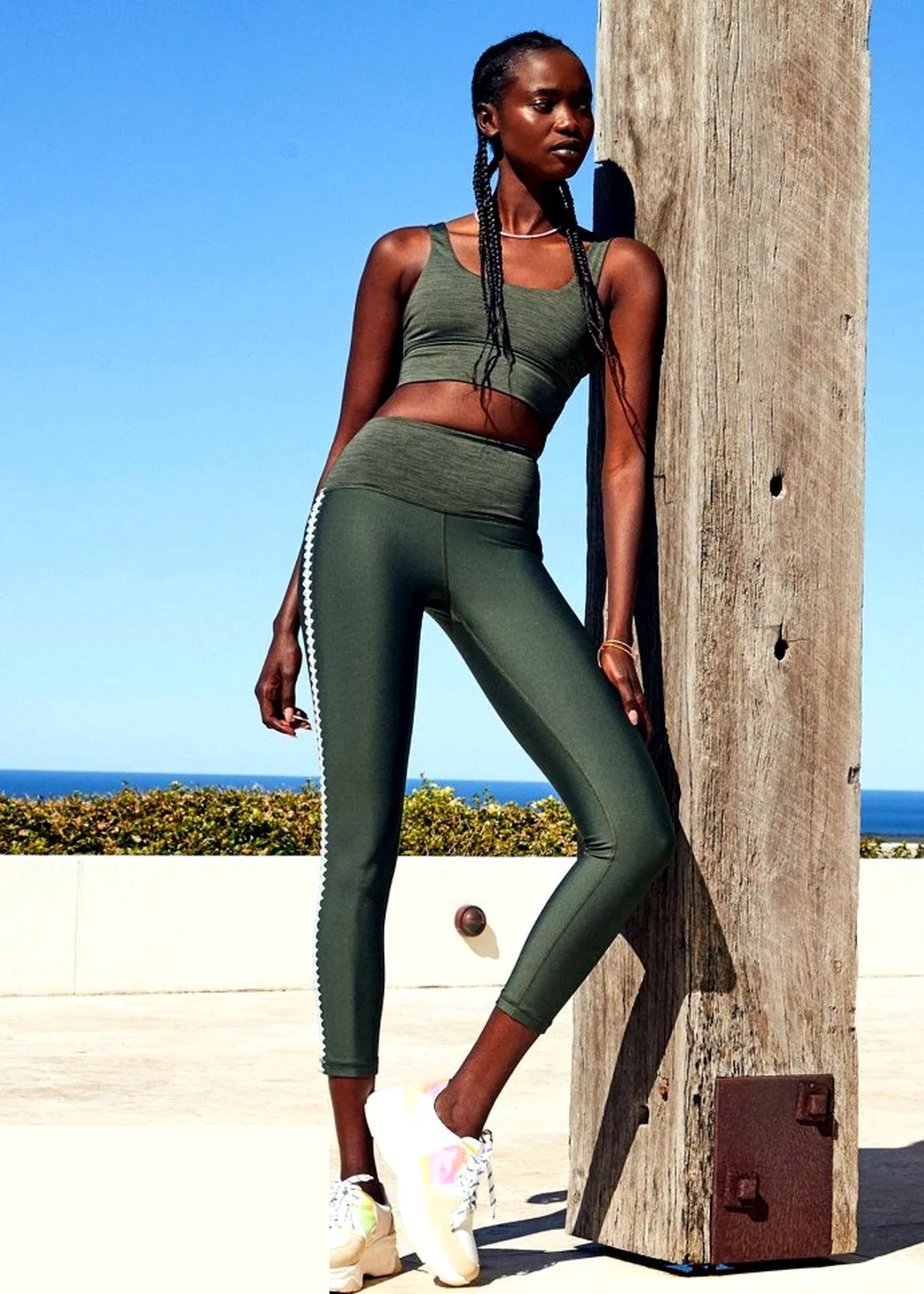
Use the active fashion range as a category reference, then specify the actual garment and intended use. A product image can help explain the shape, but it does not demonstrate coverage during movement or establish performance for the proposed custom style. The sample brief should identify the questions that the image cannot answer.
Record the proposed review activities and ask the technical team to confirm an appropriate sample process. Any participant should understand the purpose and consent to the review and recording. Keep the assessment proportionate to garment development, with specialist testing or safety evaluation handled by qualified parties where required for the product and market.
Translate coverage preferences into garment points
Specify the areas and conditions in which the brand expects coverage. The buyer may need to define neckline position, sleeve length, top length, side openings, waist overlap or another feature. Use the current drawing and measurement references so that the technical team can understand the requirement without interpreting a general request for more coverage.
State whether the requirement concerns a standing pose, a particular movement or the relationship between layered pieces. A top length measured flat does not by itself explain what the buyer expects when the wearer raises her arms or changes posture. The review needs to connect the measurement with the intended wearing condition.
Avoid prescribing a universal coverage measurement for all customers. Agree the brand's size basis and review the relevant samples. If the buyer changes the intended audience or activity, revisit the coverage brief rather than assuming that the previous specification remains appropriate. The result should be a product-specific requirement that can be assessed and discussed clearly.
Distinguish silhouette from size and fit
A looser appearance is a design intention, not a complete fit specification. Identify the intended ease, shape and garment measurements through the brand's technical brief. The buyer should distinguish a deliberately relaxed silhouette from a sample that simply uses the wrong size or has unresolved balance issues.
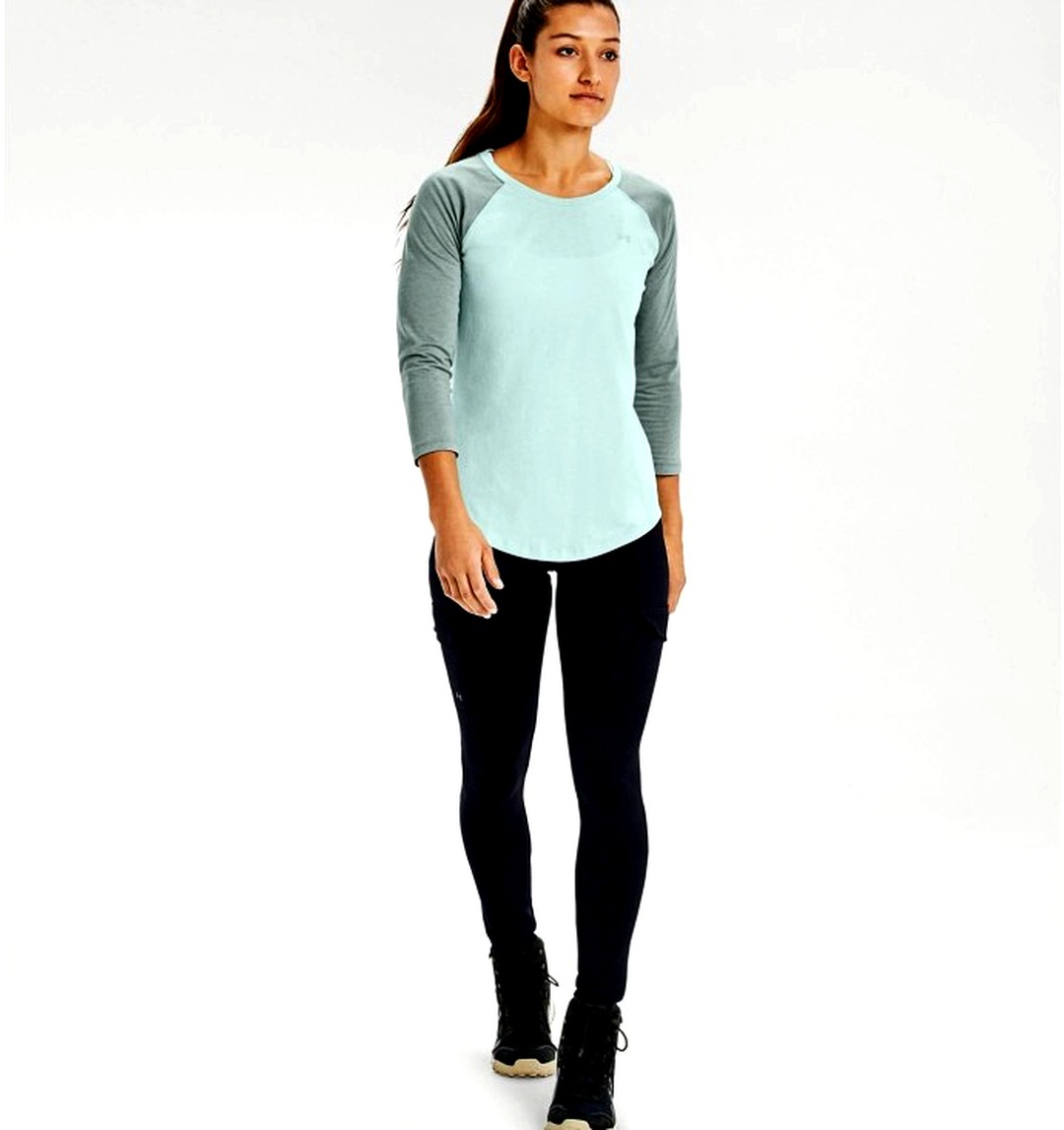
Use the women's trouser collection as a separate silhouette reference where it helps explain a leg shape or waist direction. It does not establish suitability for active use. The actual activewear programme needs its own material, construction and movement review, with any performance requirements assessed on the proposed product.
Record the sample size and intended wearer basis for each fitting. If the sample is reviewed on a different basis for exploratory reasons, make that limitation clear. The technical team can use observations appropriately when it knows the context, while the buyer avoids treating an informal try-on as acceptance of the complete size range.
Define opacity as a review requirement
Describe what the buyer needs to assess about opacity and under which conditions. Identify the garment area, colour, fit, layering and relevant posture or movement. A broad instruction that the fabric must not be see-through is difficult to evaluate unless the team agrees how the observation will be made.
Keep the material reference and sample configuration identifiable. Opacity observations should relate to the actual candidate and garment state being reviewed. A loose swatch held against a background provides different information from a fitted garment in movement. The buyer should know which question each view addresses and avoid extending a limited observation to every use condition.
If a formal method or quantified claim is needed, discuss it with a qualified testing provider and define the applicable scope and criteria. This article provides a development framework, not a standard opacity test or a universal passing result. Record informal observations accurately and request further evidence where the intended claim requires it.
Review colour variants rather than assuming one sample covers all
Identify the colourways proposed for the programme and decide which need physical review for the relevant questions. The buyer should not assume that acceptance of one sample automatically establishes the same result for every colour or material variant. Ask the technical team to assess the actual differences and propose a proportionate review plan.
Keep colour approval and opacity assessment as separate decisions. A colour can match the accepted reference while the garment still needs evaluation for coverage or another requirement. Conversely, an acceptable development observation does not establish that the colour is commercially approved. Record each decision against the relevant sample and material reference.
When photographs are used, state their limitations. Lighting, exposure and background can affect the impression of the garment. Use consistent views for comparison where practical and request physical or specialist assessment when necessary. The purpose is to make the evidence useful, not to choose a camera setup that conceals the question the buyer wanted to investigate.
Treat layered garments as a complete system
If the concept includes a tunic and trouser, a top and underlayer or another combination, identify each piece and its intended relationship with the others. Define overlap, attachment if any, and the conditions in which the pieces will be worn together. A set should be reviewed as a system as well as through its individual garment specifications.
Record which combinations the brand intends to sell or recommend. The buyer may want pieces that work independently or only as part of a defined outfit. That commercial and wearing intention affects the review questions. Do not imply that one successful combination establishes compatibility with every garment the customer might already own.
During sample review, observe whether the pieces maintain the intended relationship through the agreed movements. If an issue appears, identify the location and condition before proposing a correction. The technical team can then assess whether the next trial should change a length, shape, component or other feature of the actual combination.
Evaluate fabric options against the full brief
Give each fabric candidate a current reference with available composition, construction, weight, finish and sourcing information. Mark unconfirmed details. The buyer should compare candidates against the garment's coverage, fit, appearance and intended use requirements rather than choosing from a broad fibre reputation or a marketing description alone.
Keep observations and performance claims separate. A sample that feels comfortable to one reviewer or looks suitable in a photograph does not establish moisture management, cooling, UV protection or other technical outcomes. If the product brief includes such claims, define the intended statement and obtain the relevant evidence through qualified technical and market review.
Record the effect of a proposed material change on the rest of the programme. A new candidate may require a different construction trial, fit review, care assessment or claim check. Ask the factory to identify the development implications for the actual style before accepting the alternative solely because its swatch looks appealing.
Map movement review to specific garment areas
Prepare a short movement-review plan that connects each activity with the feature being assessed. The buyer might observe sleeve and top relationships during an arm movement, waist overlap during a bend or trouser shape during a seated position. These are examples of development questions, not a prescribed exercise protocol or evidence of performance.
Use an identified sample and record the agreed review conditions. Keep observations precise enough for the technical team to locate the issue: garment area, movement, view and relationship to the requirement. A comment that the garment feels restrictive or exposes too much needs further context before it can become a useful pattern or construction instruction.
Respect the participant's comfort and privacy throughout the review. Obtain appropriate consent for photographs or video and share only what is needed for the technical discussion. The buyer can document garment behaviour without distributing unnecessary personal information or treating a participant's body as a public marketing asset.
Review openings, closures and pockets in use
Identify the openings and functional details included in the design, such as a neckline closure, side opening, waistband adjustment or pocket. Explain their intended purpose and the conditions in which the wearer will use them. A functional detail should be assessed in context rather than accepted only because it appears neatly finished in a static image.
Ask the technical team to review the proposed construction and any relevant safety or performance questions for the actual product. This guide does not prescribe hardware suitability or certify a closure for a particular activity. The buyer should provide the intended use and obtain the appropriate assessment before making a claim about the detail's performance.
Record the accepted component and placement references. If a pocket moves, a closure changes or an opening length is revised, identify which sample observations need to be repeated. The aim is a traceable design decision that remains connected to the garment's use, not a collection of attractive details approved independently of one another.
Separate development fitting from performance testing
A development fitting helps the buyer and technical team assess an identified sample against the brief. Formal testing follows a defined method and reporting scope. Neither should be described as the other. Make clear which evidence has been obtained and which requirement, if any, still needs a qualified testing process.
For each proposed performance claim, write the exact statement and identify the product configuration it concerns. Ask the appropriate specialists what evidence and criteria are relevant. Do not assume that a fabric supplier's general report applies to the finished garment, a different colour or a changed construction without review of the actual scope.
Keep the evidence with the sample and material records. If the programme changes after testing or fitting, ask which findings remain applicable. This helps the brand avoid presenting an old result as proof for a materially different product and gives the factory a clear account of the requirements that still need attention.
Plan the size-range review deliberately
Define the brand's measurement basis and intended size range, then ask the technical team to propose the samples needed to assess it. One accepted base-size garment does not automatically demonstrate every size's fit and coverage. The review plan should identify which sizes and features need physical evidence for the proposed programme.
Keep coverage requirements connected to the size rules. If the brand expects a specific relationship between top and trouser across the range, describe that relationship and review how it is implemented. Do not assume that a simple proportional change will resolve every design and fit question without technical assessment.
Record the accepted scope of each size review. The buyer should know which sizes were assessed, which observations were made and which points remain open. A clear size-set record supports the later production discussion and prevents a positive comment about one sample from being read as unrestricted approval of the whole range.
Keep adjacent product categories distinct
A brand may develop activewear alongside casual or lounge pieces with a related visual direction. The loungewear range can help frame that broader collection, but the intended use and evidence requirements should remain clear for each style. A relaxed garment is not automatically an activewear product because it shares a colour or fabric appearance with one.
Create a category and use matrix showing which pieces are intended for which activities or settings. This helps the buyer avoid copying performance language across product pages simply to make the collection sound consistent. Each description should reflect the actual garment and the evidence supporting its stated use.
If a style is intended to serve more than one role, put both roles into the brief and identify the resulting review questions. The factory can then assess a concrete request. The buyer should not add a new use claim after development without considering whether the existing sample and technical evidence cover that use.
Develop care information from the actual assembly
Care instructions should be reviewed for the finished garment and its materials, components and finishes. Ask the responsible technical parties to identify the evaluation needed for the proposed product. A generic instruction copied from another activewear style should not be assumed appropriate without checking the relevant evidence and market requirements.
If care-related evaluation is performed, record the method, sample identity and observations. Keep informal development handling distinct from formal test results. Where appearance, fit or coverage changes are observed, describe them accurately and ask the technical team to assess the next action rather than attributing a cause without evidence.
Connect the accepted care information with the label and product-copy records. If the material or construction changes, ask whether the care review needs updating. The buyer should ensure that the final garment, its label and the website description all refer to the same accepted configuration.
Prepare photography that shows the intended product honestly
Photography should communicate the garment's actual coverage and silhouette without concealing unresolved features. Plan views that show the front, back and relevant side relationships, along with any details the customer needs to understand. If movement images are used, ensure that they represent the intended product and have the necessary permissions.
Keep development images and marketing images distinguishable. A sample may contain a temporary component or a fit issue that has not yet been resolved. Mark its status before it reaches the content team. Do not use styling, pinning or retouching to present a different fit as if it were the product the customer will receive.
Review any text accompanying the images against the evidence record. Statements about opacity, coverage or performance should remain within the assessed scope. A visually convincing image is not a substitute for the evidence required to support a broader technical claim or guarantee.
Link the specification with quantities and production decisions
Provide a style, colour and size matrix that reflects the current programme. Identify shared materials and components, separate variants and open decisions. The factory needs that scope to assess development and production; a general request for modest activewear does not establish the work, quantity basis or commercial terms.
Ask Yinshan Fashion to confirm the feasible sample route, sourcing options, minimum quantities, costs and timing for the actual enquiry. Keep provisional information labelled as provisional. If the buyer has a launch target, identify the decision dependencies and request a project-specific plan rather than treating the target as an already confirmed production commitment.
When the brief changes, ask for the consequences to be assessed before proceeding. A longer top, new lining, additional colour or revised size range may affect several records. Update the technical, material and commercial references together so that the team does not produce one version while quoting or labelling another.
Use a layered-set example to test the brief
Imagine a brand developing a long top and trouser for a defined exercise context. The brief identifies the intended wearer, coverage points, material candidates and the movements to be reviewed. The first sample is assessed for each stated question, with the top and trouser reviewed together as well as against their individual measurement records.
The buyer accepts the standing silhouette but observes that one movement does not maintain the intended overlap. The technical team proposes a focused revision and identifies any related fit checks. The next sample is reviewed under comparable conditions, and the decision record states which requirement has been resolved and which evidence is still outstanding.
This is a development example, not a report of a tested Yinshan Fashion set. It shows how a broad preference becomes an actionable instruction without assuming a universal definition of modesty. The buyer can explain the requirement, assess the sample and approve a defined configuration through the agreed process.
Send Yinshan Fashion a brief with clear review criteria
Before sending the package, read each acceptance statement as if you were the person preparing the next sample. A note that the top is approved should identify whether that means the colour, standing silhouette, measurement record or complete reviewed configuration. If only one aspect is accepted, state that limited scope and list the remaining questions. This prevents a positive fitting discussion from becoming an unintended bulk release.
Keep the next action equally precise. Name the garment area to be revised, the requirement it should meet and the evidence requested for the next review. The technical team can then propose the method rather than interpret an unexplained instruction to make the garment more modest or more suitable for exercise. Clear criteria support constructive development while leaving customer preferences and technical judgements with the people responsible for them.
Prepare the intended customer and activity, garment drawings, coverage requirements, size basis, material direction and quantity context. Add the exact performance or market requirements established by your qualified reviewers, and identify the questions that the next sample should answer. Separate confirmed specifications from assumptions still being explored.
Ask the factory to assess the development scope and propose a suitable sample and evidence plan. Confirm which parts can be reviewed through garment development and which require specialist evaluation. A precise enquiry makes it easier to discuss feasible options without relying on unverified capability or performance claims.
Use the Yinshan Fashion contact page to discuss the custom or private-label programme. The next useful result is a sample brief that connects coverage, opacity, fit and movement to identifiable review conditions, giving the buyer a clear basis for deciding what can progress and what still needs development.
Modest Activewear Development worksheet
Three actions for the next handover
Define modest activewear development through buyer-specific coverage points, opacity review conditions, fit evidence and intended movement.
Define coverage concretely
Translate customer preferences into garment points and review conditions.
Review the complete set
Assess relevant layers, sizes and movements with identified samples.
Separate observations from tests
Keep informal opacity and fitting notes distinct from formal performance results.
Buyer inputs and factory questions
Use this checklist with the current programme. Confirm the actual development scope, commercial terms and evidence needed for each decision.
| Decision area | What the buyer should prepare | What to ask the factory |
|---|---|---|
| Audience | State the intended customer and source of the requirements. | What information is needed to assess the development brief? |
| Coverage | Mark neckline, sleeve, length and overlap priorities. | Which sample views and movements should be reviewed? |
| Material | Identify candidates, colours and layering direction. | Which variants need additional opacity or construction evidence? |
| Range | Provide the size basis and proposed combinations. | Which sizes and set relationships require physical review? |
| Claims | Write the exact intended performance statements. | Which requirements need qualified testing or further evidence? |
Continue the production conversation
Modest Activewear Development: decision worksheet
| Review point | Buyer input | Evidence to review | Decision before progression |
|---|---|---|---|
| Customer | Audience evidence and activity context | Brand brief and labelled assumptions | Whose requirements does the garment serve? |
| Coverage | Garment points and wearing conditions | Drawing, measurements and movement observations | Is the intended coverage maintained in the reviewed scope? |
| Opacity | Material, colour, layers and assessment context | Identified sample and relevant evaluation | What does the observation establish? |
| Fit and range | Wearer basis, size plan and layered combinations | Measurements and agreed fitting evidence | Which sizes and combinations are accepted? |
| Claims | Exact performance and product statements | Relevant product-specific evidence | Which wording is supported before release? |
Buyer FAQs
What makes modest activewear development reviewable?
A specific customer and activity brief with coverage points, fit basis, material identity and agreed observation conditions. The word modest alone does not define a specification.
Does one standing photograph prove coverage during movement?
No. Agree relevant movements and review the identified garment or set under those conditions.
Does a satisfactory visual opacity check establish a formal performance result?
No. Record the observation and its conditions. Use an appropriate qualified method when a quantified or formal claim requires it.
Can one base-size sample approve the entire range?
Do not assume so. Agree a size-review plan and record which sizes, colours and combinations the evidence covers.
Does Yinshan Fashion guarantee a particular modest-activewear capability in this guide?
No. Send the specific design, quantity and evidence requirements for project-level feasibility and commercial confirmation.