Article
What should buyers know first?
Short answer: A practical B2B guide to comparing a fashion clothing manufacturer and a trading company through product ownership, sampling, quotation scope, quality controls, packing, and repeat-order records.
A fashion clothing manufacturer vs trading company decision should start with the buyer's actual product, not with a broad claim that one model is always better. A direct factory may give closer access to product development and production controls. A trading company may be useful when one buyer needs several unrelated categories or one coordination point. The right route depends on who can turn the same brief into a transparent sample, quotation, bulk handover, and delivery record.
Yinshan Fashion supports custom and private-label bulk programmes, rather than an unrestricted ready-stock marketplace. Product category, fabric, colour, construction, quantity, size range, branding, packing, destination market, sample status, and approval needs all change the appropriate supplier setup. Before choosing either model, a buyer should make those conditions visible and ask who owns each decision.
This guide is for founders, sourcing managers, product developers, retailers, buying offices, and private-label teams comparing an apparel factory with a trading partner. It explains what each side should be able to answer, how to compare responses on one basis, and how to avoid a choice that looks efficient during quotation but becomes difficult once the garment reaches sampling, production, or a repeat order.
Direct answer: Choose the supplier model that can give your specific garment a clear decision owner, a documented sample route, a comparable quotation basis, visible quality and packing controls, and a retained record for the next order. A direct factory and a trading company can both contribute to that result, but the buyer should not assume the structure guarantees it.
How should buyers compare a fashion clothing manufacturer vs trading company before choosing a supplier?
“Manufacturer” and “trading company” describe commercial structures, not a reliable level of product control by themselves. One manufacturer may develop, sample, produce, inspect, pack, and coordinate export through an integrated team. Another may focus mainly on sewing while asking the buyer or another partner to manage materials, patterns, labels, or packing. One trading company may simply pass messages between parties, while another may provide disciplined sourcing, product follow-up, inspection coordination, and a useful consolidated record. The buyer needs to identify the working route, not choose from a label alone.
Start by stating what the programme must achieve. A fashion brand launching two related blouse styles may need close control of fabric drape, fit comments, buttons, labels, and retail packing. A retailer building a mixed seasonal assortment across apparel and accessories may value one partner who can coordinate distinct specialist suppliers. A team replenishing an approved garment may need the strongest possible connection to prior material, construction, quality, label, and packing records. These are different decisions, so the same supplier structure will not automatically fit all three.
Write the scope in one sentence before invitations are sent: “We need a partner to develop and produce a private-label woven capsule with sample approval, branded components, folded retail packing, and a controlled repeat-order file.” That sentence gives a prospective supplier something concrete to respond to. It also exposes gaps early. A supplier may be able to quote the garment but not manage the label route, or coordinate the assortment but not own the sample and quality handoff.
The related manufacturer-versus-wholesale discussion answers a different question: whether ready stock, private label, or custom development fits the buyer's purchasing route. This article assumes the buyer needs a custom or private-label programme and compares the two common ways that programme may be coordinated.
What should buyers check about match the product category to the people who will make decisions?
A supplier comparison should begin with category-specific evidence. A generic apparel capability presentation does not establish that a team can interpret a draped blouse, a structured dress, a fleece layer, a stretch active set, or a lounge programme with the buyer's intended result. Ask which people will review pattern, material, construction, decoration, labels, packing, and production questions for the actual category.
For a buyer developing casual pieces, the Casual Fashion product programme can help define whether the product direction involves a shirt, blouse, dress, trouser, T-shirt, sweatshirt, or a related capsule. It is not a ready-stock catalogue or a fixed specification. The buyer should still provide a reference set, target wearer, fit direction, fabric behaviour, construction details, colour plan, and information about what must not change.
Ask for relevant examples without requesting confidential client designs. A prospective partner can explain the type of product decisions it would investigate: for example, how a loose silhouette changes with a different woven base, which construction details require a pattern review, or why a print placement must be measured from a stable garment point. A useful answer identifies the question, the responsible team, the evidence needed, and the next decision. A long list of categories without that reasoning is less valuable.
Where a trading company is proposed, clarify whether it has a dedicated product person who can translate the buyer's brief to the factory and return technical questions accurately. Where a manufacturer is proposed, clarify who will coordinate outside material, trim, decoration, or packing suppliers if they are relevant. The buyer does not need every task performed under one roof; the buyer needs every handoff to be named, traceable, and connected to the approved product.
What should buyers check about send one brief and compare the questions you receive?
An uneven brief produces an uneven comparison. If one party receives an annotated tech pack and another sees only a product photograph, their prices and recommendations will not describe the same work. Use one dated package for every serious candidate. Include the style code and version, product category, reference images, intended wearer, fit direction, fabric and colour requirements, construction, decoration, size range, quantity by style and colour, labels, packing, market, sample objective, target delivery window, and open questions.
The fashion product brief before sampling guide shows how to distinguish fixed requirements, preferences, inspiration, and factory proposals. That distinction matters when comparing a fashion clothing manufacturer vs trading company. A supplier can only be accountable for an assumption if the buyer has made its status clear. Mark items such as fabric composition, print method, special trim, barcode content, or carton assortment as “buyer confirmation pending” when they are genuinely open.
Compare the questions as carefully as the answers. A supplier who asks about an unlined pale fabric, missing size ratio, uncertain decoration size, unclear sample stage, or retailer-specific packing rule may be identifying a real decision that affects cost or risk. Those questions do not prove the supplier is perfect. They do show whether the team is trying to establish a usable product basis before presenting a number.
Keep a single question log. Record the question, affected style, owner, whether a decision is required before sampling or before bulk, and the file version that will change once it is closed. A trading company may be valuable if it makes this log clearer across several factories. A manufacturer may be valuable if it gives product-specific answers without information being lost in an extra layer. The buyer can assess either advantage only with the same brief in circulation.
How should buyers test who owns sampling and product interpretation?
The first sample is a practical test of how the supplier model works. A buyer should know who interprets the reference, prepares or revises the pattern, sources the proposed material and trims, records the sample identity, gathers feedback, and decides which comments require a new version. “The factory will make a sample” is not enough if the buyer cannot identify the current sample, the material used, the open issues, or the route to the next approval.
Ask each candidate to describe a project-specific sample plan. The route may include feasibility review, pattern work, a concept or fit sample, material review, revised sample, size-set review, a pre-production reference, or another agreed stage. The names and number of stages vary. What should remain clear is the purpose of the stage, the input supplied, the output expected, the decision owner, and the question that must be resolved before the next stage begins.
When a trading company manages a factory sample, ask how comments are consolidated and how the factory receives the final instruction. Ask whether the trading team can explain a pattern, fabric, construction, or measurement question directly, or whether it will arrange a technical response. When working directly with a manufacturer, ask who prevents unapproved supplier substitutions or split messages from changing the product. A direct relationship is only useful when the buyer's current files reach the people who need them.
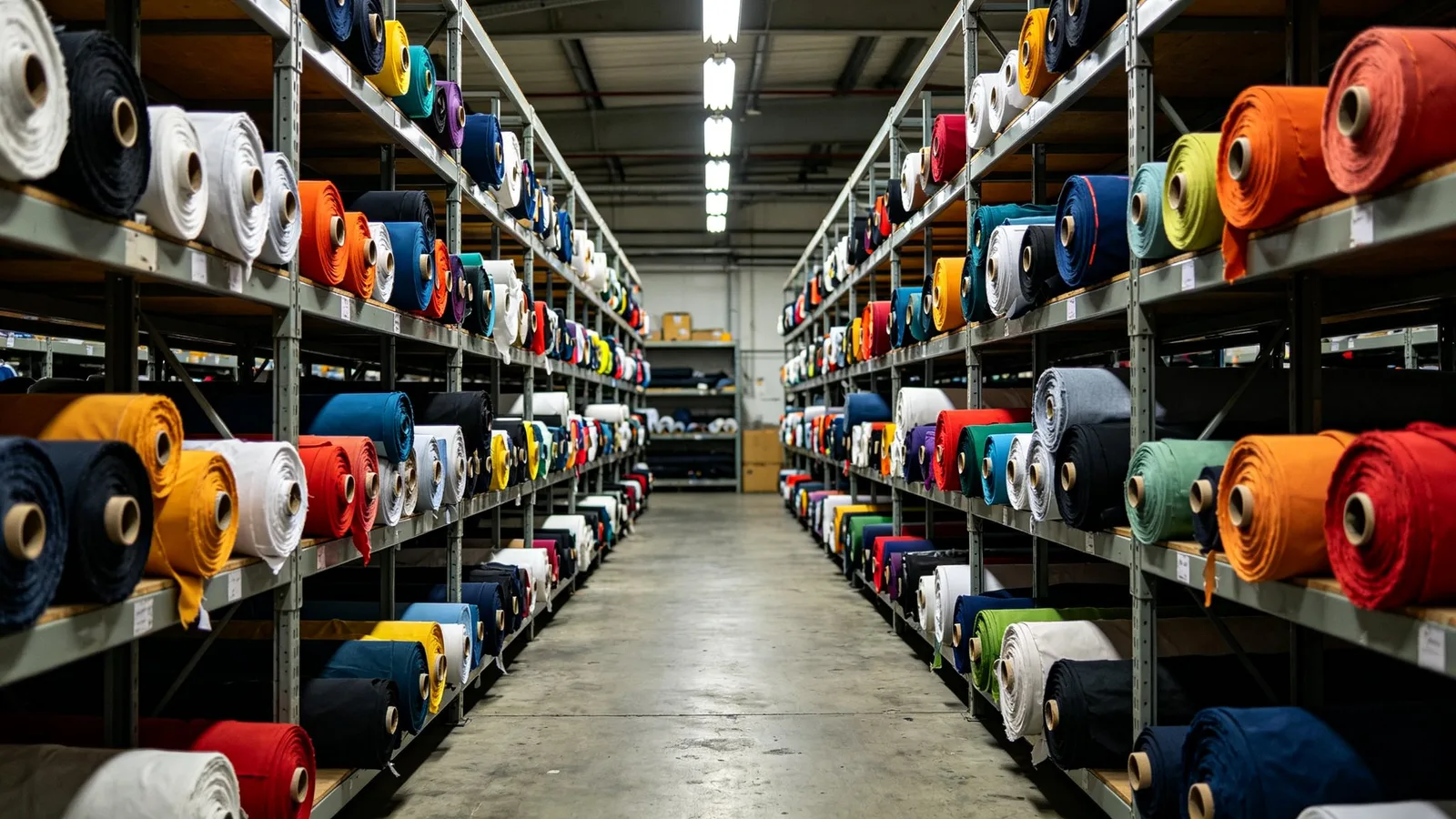
Use one sample comment format. It should show the sample version, style, colour, size, date, current result, requested result, evidence, owner, priority, and whether the comment is open or closed. If a new fabric changes drape or measurement, connect that change to the material record instead of treating it as a separate conversation. The sample becomes a reliable comparison point when every candidate is asked to manage the same type of evidence.
How should buyers compare quotations as defined scopes, not headline prices?
The most useful quotation is a written statement of what the supplier thinks it is making. It should connect to the style version, fabric route, colour count, construction, decoration, trims, labels, individual packing, carton basis, quantity by style and colour, size allocation, delivery basis, and any buyer-supplied component. A figure without these assumptions may be a rough conversation starter, but it is not yet a reliable basis for choosing a partner.
Ask both the manufacturer and the trading company to distinguish included items, allowances, exclusions, and items that must be confirmed after a material or sample decision. This is particularly important when a trading company may be consolidating several supplier quotes. The buyer needs to see whether a service charge, inspection, freight, document, sample, or packing element is included, separate, or still open. A lower displayed number can describe a different garment or a different service scope.
Quantity must be shown as a matrix, not only a total. One total across a focused style and colour plan may have very different material, cutting, label, and packing conditions from the same total divided among several fabrics, colours, sizes, and special components. The fashion clothing MOQ, sample cost, and bulk price guide explains why minimums and price changes should be traced to their driver rather than treated as a universal factory policy.
Do not use an early quotation to force a supplier promise. Ask what would change the current basis: a different fabric, colour route, construction, print, trim, label, packing instruction, quantity split, market requirement, or delivery condition. A transparent conditional answer is more useful than a fixed-looking promise that must be withdrawn after sampling. The commercial comparison should show what each party can own, coordinate, or escalate when the product evolves.
How should buyers check material and component control before a bulk commitment?
Materials, trims, decoration, labels, and packaging can create as much supply risk as the garment itself. A direct manufacturer may source and coordinate many of these items closely. A trading company may be better placed to align separate specialist suppliers. In either case, the buyer should know which organisation owns the current component list and how a substitution becomes visible and approved.
Give each key component an identity. For fabric, record the intended behaviour, material reference, colour direction, relevant finish, sample status, and any evidence or market claim requirement. For trims and decoration, record the code, source or proposal, size, colour, placement, artwork version, product allocation, and approval status. For labels and packaging, include the product-data link: style, colour, size, destination, barcode, language, carton, and channel where relevant.
The fabric and trim development route is useful for turning vague material preferences into reviewable questions. It should not be read as proof that a named material, component, certification, or test is automatically available for every programme. Availability, documentation, sample response, care, market requirements, and commercial conditions remain project specific and should be confirmed before release.
Ask how each partner will record a changed component. A material alternative may change drape, opacity, consumption, care, or colour response. A label change may alter market information and packing files. A different carton may change the assortment and warehouse plan. The comparison should show how the buyer receives a question, who approves the change, and which sample, quotation, and production records are updated afterward.
What should buyers check about follow the quality path from sample to packed goods?
Quality control is not a final-inspection promise. It begins with the approved product reference and continues through material, cutting, sewing, finishing, labels, packing, and release. A buyer should ask each candidate which checkpoints relate to the actual garment, who records an issue, how a correction or exception is approved, and what proof will be available before delivery.
A manufacturer may have direct visibility over internal workstations and in-line controls. A trading company may coordinate factory responses, third-party inspection, or a comparison across multiple suppliers. Neither structure removes the buyer's need to define the product standard. Ask how the sample, measurement points, fabric and colour reference, construction notes, decoration, labels, packing, and known quality priorities become available to the people doing the work.
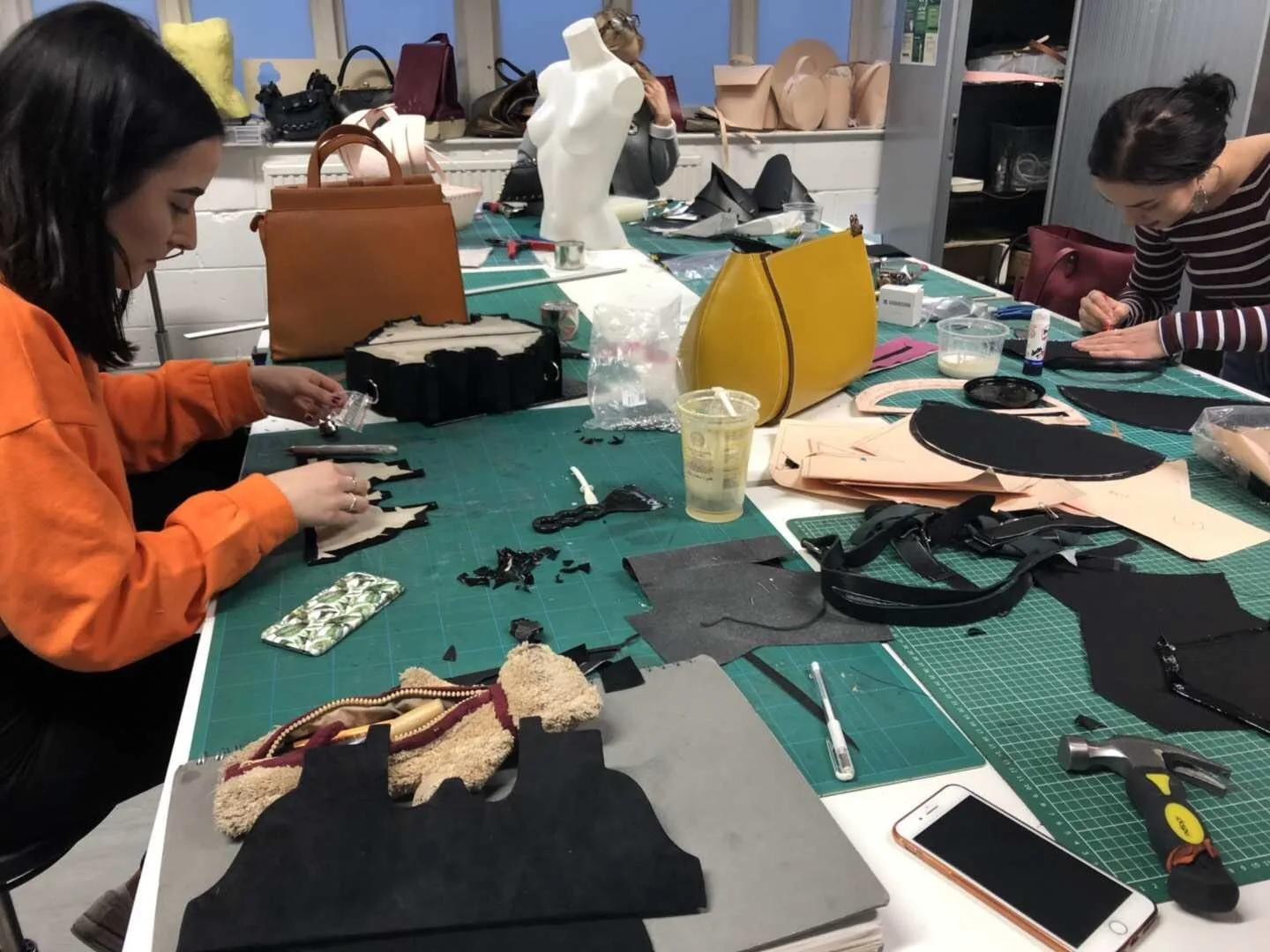
The wholesale fashion quality control guide offers a practical view of the order information that should reach a warehouse-ready review. Use it as a control framework, not as a universal inspection protocol. Acceptance rules, testing, responsibilities, and market obligations need agreement for the specific product and purchase arrangement.
Ask for the exception route. If a measurement, material, trim, label, packing, or workmanship issue appears, who can hold the goods, propose corrective action, obtain a buyer decision, record a concession if one is accepted, and verify the final outcome? The supplier who can describe that path clearly is often more useful than one who merely says quality will be checked.
What should buyers check about treat labels, packing, and market inputs as a shared data problem?
Labels and packing are often delayed because they seem separate from garment development. In reality, they carry product identity into retail, warehouse, and delivery operations. A main label, size label, care copy, hangtag, barcode, sticker, fold instruction, individual protection, carton assortment, and carton mark should identify the same style-colour-size combination. A correct garment in the wrong pack can still create a commercial failure.
The private-label development page can help a buyer map the branding and presentation inputs that need factory coordination. It does not replace the buyer's own legal, importer, retailer, or market review. Fibre content, care information, country-of-origin, language, barcode, packaging, and other requirements must be confirmed for the actual programme and destination.
Ask a direct manufacturer how it will receive the final label and packing files, link them to the approved sample, and prevent old versions from reaching production. Ask a trading company how it will keep a common data set aligned across factory, printer, label supplier, warehouse, and buyer. The desired answer is not a vague assurance. It is a named file owner, version, approval point, and escalation path.
Before bulk release, the buyer should receive a simple product-data checklist: current style version, colour and size plan, fabric and trim status, label and artwork files, packing reference, carton data, market inputs, quality priorities, approved sample identity, open questions, and decision owner. This checklist lets the buyer compare how well each supplier model can move a product beyond the factory floor and into its intended channel.
How should buyers compare communication as a controlled record, not response speed?
Fast replies can feel reassuring, but the more useful test is whether the response becomes a dependable project record. A message should identify the style and version, question, proposed action, owner, required decision, effect on sample or quotation, and date. Without those elements, a quick response may simply add another conflicting instruction to the project.
Ask who has authority to consolidate comments. A brand may have feedback from design, merchandising, operations, retail, and compliance. A manufacturer may have pattern, sourcing, sample-room, production, quality, and packing teams. A trading company may add another coordination layer. One named buyer owner and one named supplier owner should make the current decision set visible before instructions reach the next stage.
The how-it-works page outlines the connected conversation from enquiry through development, production, quality, packing, and delivery preparation. Use it to ask which handoffs the prospective partner manages directly and which it coordinates with others. A supplier does not need to claim every task; it should accurately describe the boundaries and the information that crosses them.
Test communication during a small, realistic decision. For example, ask how a changed fabric direction affects the sample, cost basis, label care content, and delivery objective. Or ask how an approved fit comment should be carried to the next size or colour. The quality of the explanation reveals more than a generic promise of “one-stop service.”
How should buyers protect the repeat order before you choose the first supplier?
A first order creates the evidence that makes a future repeat more controlled. Keep the approved sample identity, pattern or measurement version where relevant, fabric and colour records, trim and artwork status, label and packing files, quality notes, commercial basis, change log, and delivery observations. A manufacturer may retain these within its production records. A trading company may keep a cross-supplier master. The buyer should still hold an accessible version of the record.
Do not treat a previous order as an automatic reproduction promise. Material availability, colour, quantity, labels, packing, market rules, and delivery requirements can change. The retained file should show what was previously approved and what must be reconfirmed. This is particularly important when the buyer is considering changing from a trading company to a direct manufacturer, or the other way around, after a first order.
Ask candidates what record they will retain, in what format, and how a new request is compared with the old product. A useful answer names the reference sample or version, material and component evidence, order matrix, approval notes, quality observations, packing standard, and change route. “We keep everything” is less helpful than a list that the buyer can inspect and use.
The related quick-repeat-order guidance explains the records that prevent a repeat from becoming a fresh development discussion. The supplier model should make those records easier to retain and revisit, not harder to retrieve after the first shipment.
How should buyers use a weighted decision table for your actual programme?
The final choice should be made against the programme's risks rather than a generic ranking. A buyer with a focused, technically specific garment may weight direct product interpretation and sample control heavily. A buyer sourcing many unrelated product groups may weight cross-supplier coordination and a consolidated information system more highly. A retailer with strict packing or market inputs may weight data control and escalation. The scores only help when every candidate is assessed against the same brief.
Use the table below after initial conversations. Do not score a supplier for a capability it has not connected to your product. Record evidence beside each score, such as a clear sample plan, quotation basis, question log, named owner, component list, example packing checklist, or repeat-order record. If an answer is conditional, keep the condition visible rather than lowering or raising the score by instinct.
What should buyers check about send a comparison pack before committing to a supplier route?
Before choosing a fashion clothing manufacturer vs trading company, send a disciplined comparison pack. Include product references or a tech pack, style code and version, category, target wearer, fit, fabric and colour direction, construction, decoration, size range, quantity by style and colour, labels, packing, destination market, sample objective, target delivery window, and the decisions that remain open. Ask every candidate to identify its scope, team, questions, assumptions, and next approval.
Yinshan Fashion combines factory-led apparel development and production with trading-company-style sourcing coordination. For a buyer, that combined model can be useful when one project needs clear ownership of product development, samples, production, quality, labels and packing, while also requiring coordination across material, trim, decoration, or other specialist supply routes. The practical value is not a claim that every task is performed in one location. It is one managed conversation that identifies who owns each part of the current product, which supplier input is still conditional, and how the final decision returns to the buyer for approval.
Yinshan Fashion can review a custom or private-label fashion programme when the buyer is ready to share that pack. Use the contact page to send the product direction, samples or references, material and colour needs, quantities, size plan, branding, packing, market, sample purpose, and target timing. The team can identify which points are ready for a project-specific discussion, which need development evidence, and which factory or sourcing responsibilities should be clarified before a bulk commitment.
Supplier comparison controls
Three controls that make a supplier-model decision useful
A buyer can compare a direct factory and a trading partner without relying on broad claims. Start with one product basis, make every sample and quote traceable, and keep product, quality, packing, and repeat-order evidence connected.
Compare one defined product
Send the same style version, material direction, quantities, branding, packing, market, sample purpose, and open questions to every candidate.
Test the handoffs on a sample
Ask who interprets the brief, controls comments, records material and trim choices, owns approval, and translates the current sample into a production instruction.
Retain the product record
Keep the approved product, material, component, quality, packing, commercial, and change records accessible for any future repeat or supplier change.
Buyer action and factory confirmation for a supplier-model comparison
Use the same working list with each candidate. Exact commercial terms, testing, market requirements, and timing remain specific to the product and programme.
| Decision area | What the buyer should prepare | What to ask the factory |
|---|---|---|
| Product scope and ownership | Provide the category, reference images, target wearer, fit, construction, fixed decisions, open questions, and a current style version. | Who will interpret the brief, return technical questions, and own pattern, material, trim, sample, and production handoffs for this product? |
| Material, components, and sourcing route | Describe the intended fabric behaviour, colour direction, trims, decoration, labels, packing, evidence needs, and acceptable alternatives. | Which materials or components need sourcing, a sample review, documentation, or a buyer decision before they are treated as approved? |
| Sample, comments, and approval | State the sample purpose, current comments, approval owner, measurement priorities, sample version, and the decision needed before the next stage. | How will the current sample, material status, and closed comments reach the responsible factory teams without conflicting instructions? |
| Quotation, quantities, and service scope | Send a style-colour-size quantity matrix plus the intended labels, packing, destination, delivery objective, and every provisional item. | What is included, excluded, or still conditional in the quotation, and which product or service change would require a revised basis? |
| Quality, packing, and exception route | Identify the approved reference, quality priorities, label and packing files, market inputs, exception owner, and release evidence required. | Which checkpoints apply, who can hold or correct an issue, and how will a buyer-approved exception and the final release be recorded? |
| Repeat-order record | Retain the approved sample, product versions, material and colour records, components, quality notes, packing standard, commercial basis, and change log. | Which record will be retained, how can the buyer access it, and which material, quantity, market, or packing change would reopen the route for confirmation? |
Continue the production conversation
Fashion clothing manufacturer vs trading company: buyer comparison table
| Decision area | Buyer should provide | What to verify with the supplier | Risk if unclear |
|---|---|---|---|
| Product ownership | Category, reference, fit, construction, product priorities, and open decisions. | Who interprets the brief, asks technical questions, and owns each product handoff. | A quote is issued for a garment neither side has defined consistently. |
| Sample control | Sample objective, comments, approval owner, material direction, and version method. | How the sample is identified, revised, approved, and translated into production instructions. | An outdated sample or informal comment becomes the bulk reference. |
| Quotation basis | Quantity matrix, sizes, fabric, colours, trims, labels, packing, market, and delivery assumptions. | Inclusions, exclusions, conditional items, supplier roles, and the triggers for a revised quote. | Two prices are compared even though they represent different products or services. |
| Quality and escalation | Approved standard, critical product points, packing needs, and exception owner. | Relevant checkpoints, issue record, corrective-action route, and final approval evidence. | A defect or packing exception has no clear owner or decision trail. |
| Repeat-order record | Prior sample, product versions, change history, commercial basis, and delivery notes. | What material, component, quality, and packing records are retained and reconfirmed. | A repeat order restarts from memory and creates avoidable variation. |
Buyer FAQs
Is a fashion clothing manufacturer always better than a trading company?
No. A direct manufacturer may offer closer access to product development and production controls, while a trading company may be useful for coordinating several specialist suppliers or product categories. Compare the actual team, product ownership, sample route, quotation scope, quality controls, packing data, and repeat-order record against the same brief.
What should I send when comparing a fashion clothing manufacturer vs trading company?
Send the same dated package to each candidate: style code and version, product references, fit, fabric and colour direction, construction, decoration, size range, quantity by style and colour, labels, packing, market, sample purpose, timing objective, and open questions. Ask every party to state its assumptions and next decisions in writing.
How do I compare a factory quote with a trading company quote fairly?
Confirm that both quotations use the same style version, material route, colour count, construction, trims, labels, packing, quantity and size allocation, delivery basis, and service scope. List inclusions, exclusions, allowances, and unresolved items separately. A lower number is not comparable when it describes a different garment or omits coordination work.
Who should manage samples when a trading company works with a factory?
The buyer should know who owns product interpretation, material and trim questions, sample identity, comments, version control, and the instruction delivered to the factory. A trading company can coordinate the route, but the factory still needs one current technical instruction set and the buyer needs a clear path for answers and approvals.
What records matter for a repeat apparel order?
Keep the approved sample identity, product or measurement version where relevant, fabric and colour references, trims, artwork, labels, packing files, quantity matrix, quality notes, commercial basis, change log, and delivery observations. Reconfirm availability, market inputs, quantities, and any requested change before treating the next order as a true repeat.