

Article
What should buyers know first?
Short answer: Plan a capsule collection with a factory: product roles, shared fabrics, colour, trims, quantities, samples, quotes, retail packing, approvals, and repeat records.
What is capsule collection planning for clothing and accessories buyers?
Capsule collection planning is the process of turning a small, connected range into a product record that a factory can develop, quote, sample, and eventually produce. It is not simply choosing a few attractive styles. The buyer needs to show how garments and accessories relate through customer, retail purpose, silhouette, fabric, colour, components, quantities, packing, market, and approval decisions.
For a new brand, boutique edit, seasonal drop, or controlled market test, a capsule can reduce unnecessary variation while still giving customers a coherent choice. For a factory, the same discipline makes it easier to identify which inputs are ready for discussion and which need a swatch, pattern review, sample, proof, or buyer decision. Yinshan Fashion supports custom and private-label bulk programmes rather than unrestricted ready-stock wholesale. Exact MOQ, pricing, material availability, development cost, testing, delivery timing, and market suitability depend on the current programme rather than a generic capsule formula.
The practical goal is a range that looks intentional to a customer and stays traceable to the team that must develop it. A useful capsule brief does not pretend every decision is final. It clearly separates the fixed product direction, the proposed route, and the questions that still need evidence.
How should buyers start capsule collection planning with one retail decision?
Before selecting styles, write down what the range is meant to do. A first ecommerce test, a boutique launch, a showroom appointment, a resort edit, and a repeatable core range have different buying risks. The first may need a controlled sample route and a small number of visible hero pieces. A seasonal range may need a shared colour story and related product photography. A repeatable core programme needs a stronger record of material, component, fit, label, packing, and quality decisions.
Name the intended customer, use occasion, selling channel, destination, target arrival context, and the decision the collection should help make. These inputs do not create a production promise. They help the buyer and factory judge what should be prioritised. A relaxed dress capsule for direct online sales may concentrate on drape, coverage, size communication, and individual presentation. A boutique assortment may put more weight on garment mix, hangtags, barcodes, folding, cartons, and receiving data.
Set one collection reference and a simple version date. Put it on the mood board, product list, sample comments, fabric list, artwork folder, quantity matrix, and request for quotation. This protects the project when references move between a designer, merchandiser, buyer, supplier, and retailer. A style name alone is rarely enough to identify the correct version once colours, sizes, trims, and packing variations appear.
What role should each item have in the capsule?
A capsule looks more focused when every item has a clear role. Start with a hero product that establishes the range's silhouette and visual direction. It might be a dress, overshirt, coordinated set, loungewear piece, active layer, knit top, bag, or another item that explains the customer proposition quickly. Then add supporting products that extend the story without repeating the same job.
Classify each line as a hero, outfit-building piece, entry point, add-on, or operational support item. An entry product may make the range easier to try. A supporting garment may create more outfit combinations. An accessory may carry a colour or branded detail without introducing a full size range. The classification is not a retail verdict; it is a way to ask whether a proposed product earns its extra fabric, trim, sample, photograph, label, packing, and stock complexity.
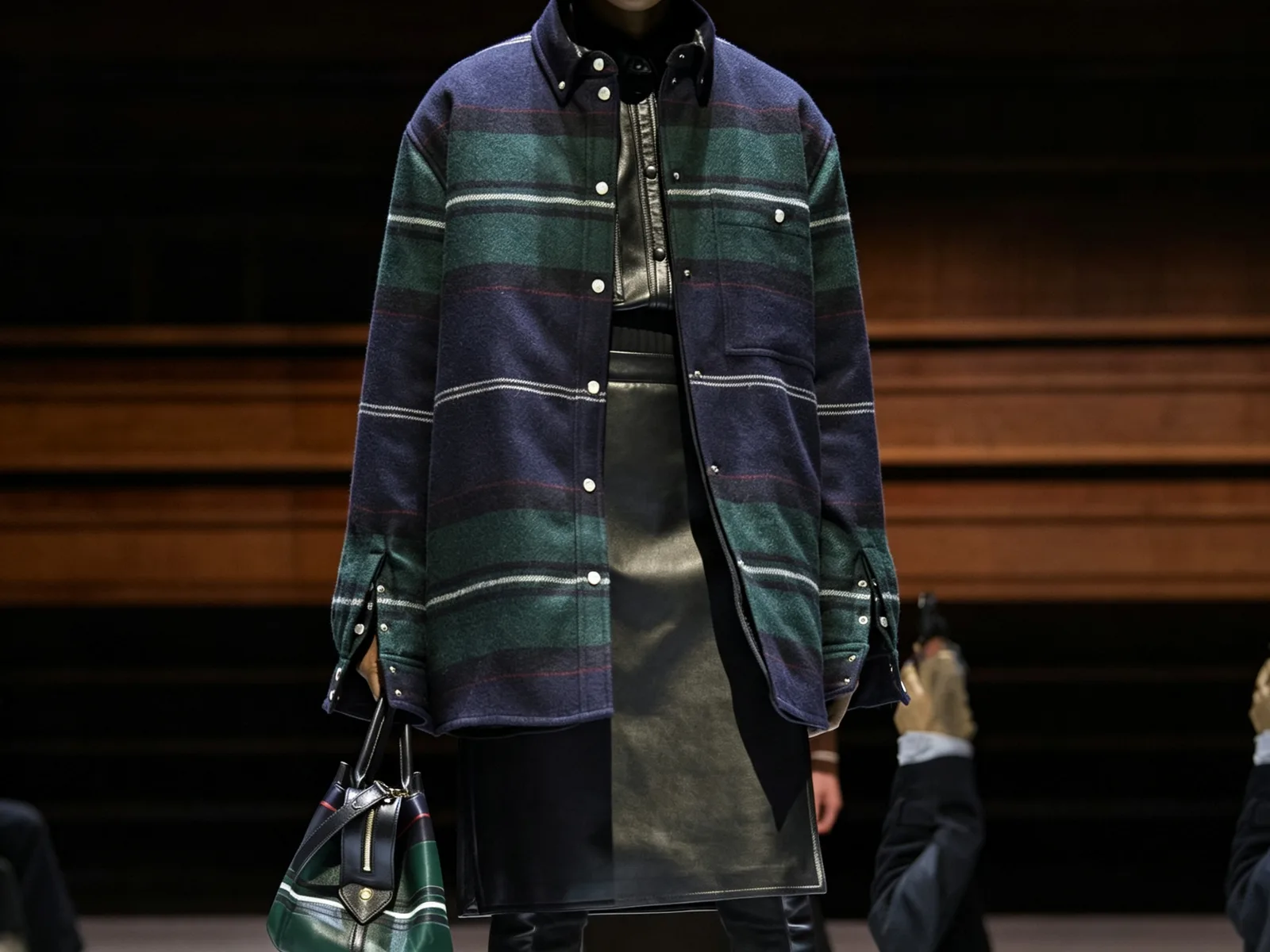
The casual-fashion collection can help a buyer frame category, fit, fabric, and construction questions. The collection brief should still record the actual garment. For every style, list the intended wearer, use, silhouette, fit, key measurements, construction features, fabric behaviour, colour direction, and the details that cannot change. Mark unknown points as sample-review questions instead of treating an inspiration image as a finished technical instruction.
How should buyers build a style architecture before choosing every detail?
Capsule collection planning becomes easier when the product list is visible in one matrix. Create a row for every style and columns for product role, category, fabric family, colour group, trims, decoration, label package, size range, intended channel, sample status, quantity assumption, owner, and open decision. This exposes duplication early. It may show that three garments use unrelated fabrics, two accessories need special hardware, or one colour introduces a separate label or packing route.
Look for useful connections, not forced uniformity. A shirt and dress might share a woven base but require different construction. A knit top and soft accessory might share a colour direction but not a fabric. A branded bag may need no size range yet create a different barcode or carton requirement. The product matrix should make each connection explicit so the factory can judge sourcing, development, and production impacts against the real collection.
Use a style code for each product and a component code for each shared element. Apply those codes in reference images, fabric swatches, sample labels, artwork files, and quantity sheets. This lets a buyer say that a trim applies to three styles, a fabric is proposed for two colourways, or a label is still open for one channel. It also prevents a general comment such as “use the same details” from becoming an instruction that nobody can verify later.
How should buyers share fabric across the range?
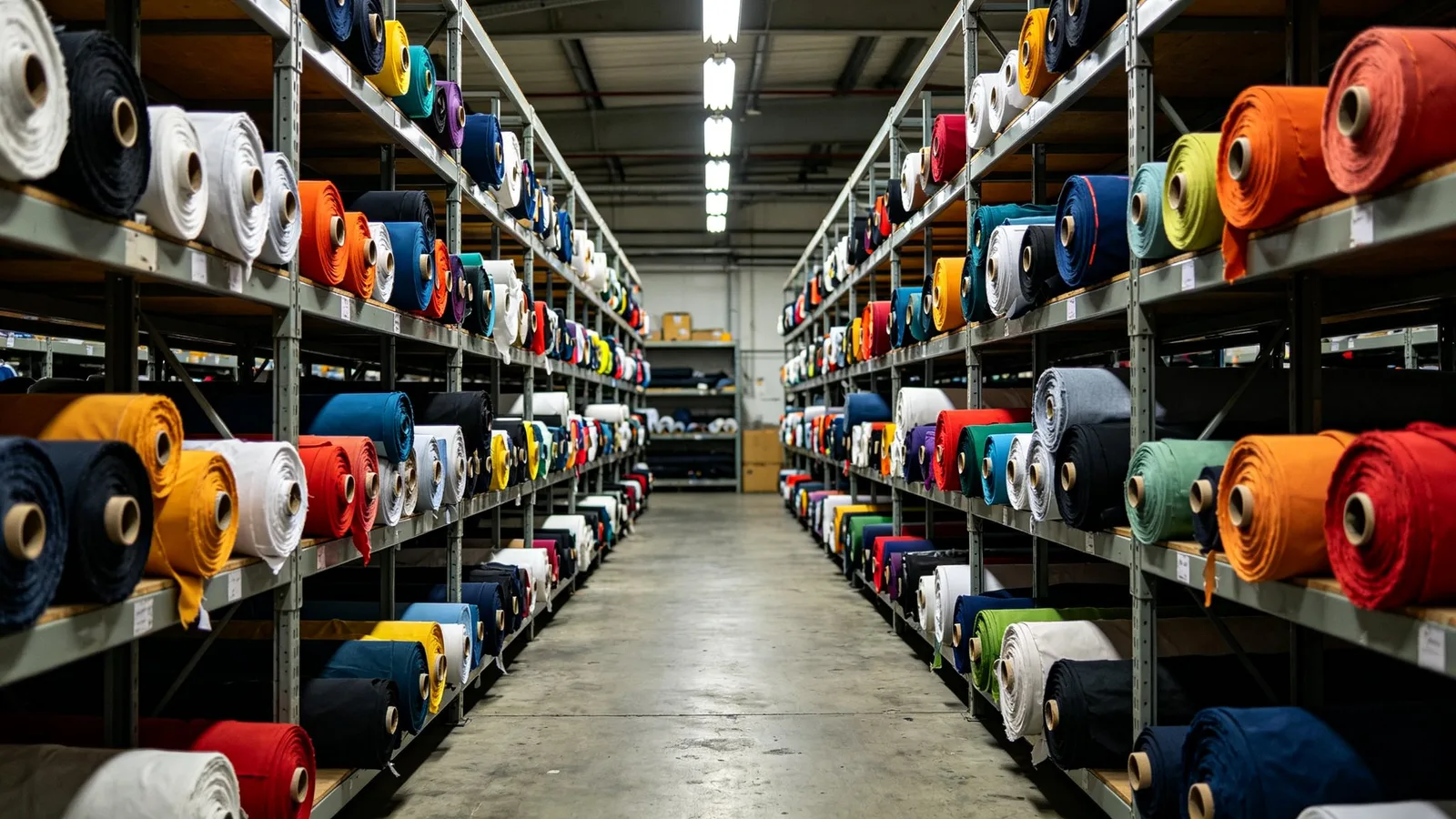
Sharing a fabric can simplify a capsule, but only when the shared material supports the intended garment result. Begin with the garment behaviour: handfeel, drape, opacity, stretch, recovery, weight, surface, care expectation, and construction needs. Then record the available material evidence: swatch or source code, composition information if supplied, colour reference, finish direction, proposed styles, and the next review required.
One fabric may work well for a blouse and dress because both need a similar drape. A jersey may support a top and short but not a structured accessory. Do not assume a material that looks suitable in a roll will behave the same in every silhouette. A sample, header, close-up, or garment review can answer different questions. Keep the question next to the material so the team knows whether it is reviewing colour, handfeel, coverage, stretch, construction, or the complete garment.
The fabrics and trims resource provides a useful way to organise material and component questions before sampling. It should not replace the collection's current material register. Material claims, fibre information, care wording, and customer-facing statements need to be supported by the actual product, available records, and the buyer's market review before use.
How should buyers use colour as a controlled collection variable?
Colour adds range identity, but each extra colour can affect sourcing, approvals, quantity splits, labels, packing, photography, and replenishment records. Start with a limited palette that has named roles: core, seasonal, accent, or accessory colour. Show the reference source, intended fabric base, styles using the colour, and whether a lab dip, header, sample, or final garment review is still needed.
Keep colour decisions connected to fabric. A swatch or digital image is a direction, not proof that one shade will appear the same across different bases, finishes, or components. If a capsule uses one colour across a woven garment, knit garment, lining, and branded trim, list those as distinct review points. The buyer can then decide whether matching closely is essential, whether a tonal relationship is acceptable, or whether one item should use a separate colour route.
Avoid solving an early colour question by multiplying options. A compact palette lets the team see which variations are commercially useful and which only add a development burden. If a buyer needs alternatives, record the preferred colour, acceptable substitute, decision owner, and the evidence that would authorise the change. This makes a proposed option different from an approved one.
How should buyers plan trims, branding, and accessories as a shared system?
Labels, hangtags, buttons, zips, elastic, drawcords, patches, hardware, thread, barcode labels, protective bags, stickers, inserts, and carton marks connect the collection to the buyer's retail route. They should not be added after garment development is assumed to be finished. For each component, record its style use, colour or finish, placement, artwork or copy version, material, supplier or source if known, owner, approval status, and the product or channel it serves.
An accessory can make the capsule more complete, but it still needs the same record. A pouch may use the hero fabric, a branded trim, a different lining, no size range, and a separate packing configuration. If it is treated as an afterthought, the buyer may not see its component, sample, label, barcode, or carton impact until a later stage. If it is in the matrix, the factory can ask the right questions beside the garments.
The custom labels, trims, and packaging guide can help structure the component pack. The buyer remains responsible for final consumer-facing content and market requirements. A factory can flag a mismatch between a file and the current product; it should not invent label text, barcode data, or destination-specific conclusions from incomplete information.
What should a quantity matrix show before an MOQ discussion?
The total collection quantity is only the first number. A factory needs the current quantity by style, colour, and size where relevant, together with fabric count, trim packages, decoration methods, label variations, packing variations, destination, and channel split. Mark provisional quantities and identify the next decision date. This does not lock the buyer into an order. It gives both sides a truthful basis for discussing the current product route.
Small capsules become complex when every style has a different fabric, colour, trim, label, and packing requirement. A useful quantity review can reveal a simpler path: share a fabric across compatible styles, reduce colourways, align a trim package, postpone a low-priority variation, or keep one accessory out of the first sample round. The point is not to remove creativity. It is to see the trade-off before the buyer compares quotations or approves work.
Ask suppliers to show assumptions, inclusions, exclusions, and questions rather than relying on one unexplained collection number. Sample and commercial terms are programme-specific and may depend on pattern work, material route, construction, components, quantity structure, and approval needs. The fashion clothing MOQ, sample cost, and bulk price guide explains why a comparable discussion needs the same current product basis.
How should buyers sequence capsule samples?
Do not sample every product blindly at the same time. Begin with the item or shared input that answers the largest collection question. That may be the hero garment's fit, a shared fabric's drape, a custom colour, a print or embroidery placement, a special closure, an applied label, or a packing format. State what the sample is intended to answer, its version, size, material and component references, reviewer, feedback deadline, and next decision if the review passes.
One sample may be approved for silhouette while another confirms fabric or component appearance. A garment that looks right without final trims or packing is not automatically ready for bulk. Consolidate buyer feedback against the actual sample version and resolve conflicting comments before sending the factory one controlled instruction. A sample comment log should state which detail changes, which detail remains open, who approves the next version, and what connected record must be updated.
The fashion product brief before sampling offers a practical input structure for this work. Keep the brief current as styles, materials, colours, components, quantities, or packing change. A shared fabric choice might change the hero garment, support garment, accessory, quotation basis, label plan, and retail imagery at once.
How should buyers use one consistent RFQ for the whole capsule?
A quote is useful only when the factories are responding to the same collection version. Send a dated product matrix, reference images or tech packs, fabric and colour direction, construction and trim notes, branding, labels, packing, quantities, destination, target arrival context, sample purpose, and open decisions. Ask each factory to name the assumptions it has used and the inputs that could change the scope.
Separate a useful early feasibility response from a confirmed commercial route. A supplier may be able to identify likely questions from a partial brief, but missing materials, measurements, components, quantities, artwork, packing, or market data still matter. Request clarity on what is currently included, what requires another review, and which product change would require a new discussion. This is more actionable than treating a fast answer as final pricing or timing.
The fashion apparel RFQ template helps buyers issue the same basis to each supplier. Keep a change log after sending it. When the collection shifts, identify the affected style codes, fields, decision owner, evidence, and next approval. This protects the buyer from comparing one factory's update with another factory's earlier assumption.
How should labels, packing, and market inputs be planned?
A capsule is not retail-ready merely because the garments are approved. The launch record may need labels, care or product information, hangtags, barcode sources, individual protection, folding, size stickers, inserts, carton marks, carton assortment, warehouse data, and channel-specific presentation. Note which item applies to each style, colour, size, destination, and sales channel. Mark the owner for every file and the evidence needed before it is used.
Avoid assuming that the same customer-facing information, barcode structure, language, carton mark, or packaging works in every market. The buyer should provide the destination and arrange the appropriate internal, retailer, or professional review. The factory can use approved files and point out a visible mismatch with the product or packing plan. It cannot make a universal market statement for an unfinished range.
The wholesale apparel packing requirements guide is a useful planning reference when the capsule will move through retail or warehouse receiving. It helps keep the product, SKU identity, individual presentation, cartons, and release records connected before the collection is packed.
How should buyers convert approvals into a collection handover?
Before a bulk step or another irreversible action, create one current handover. It may include the approved garment and sample record, pattern or measurement basis, material and colour route, construction, components, artwork, labels, packing, quantity matrix, quality priorities, exceptions, open points, and decision log. The handover's value is practical: a new team member should be able to identify the current truth without reconstructing the collection from email threads.
Use a version, date, owner, and status for critical items. “Approved for fit subject to final fabric review” is more useful than an unqualified “approved” because it shows what cannot yet be released. When a material, trim, colour, artwork, label, or packing instruction changes, record its scope: style, colourway, size range, channel, destination, production stage, and affected order line.
The manufacturing route shows how product inputs connect to material handling, production, quality checks, finishing, packing, and delivery preparation. Exact quality checks, testing, quantities, commercial terms, and production timing remain specific to the product and current programme.
How should buyers keep a buyer-owned decision log across the collection?
Capsule collection planning often involves people who see only one part of the range: a designer sees a silhouette, a sourcing colleague sees material options, a product developer sees fit and construction, a retail colleague sees barcodes and launch presentation, and a factory team sees the current instruction. A short decision log gives them a shared view. For every material, colour, component, fit, artwork, packing, quantity, or launch change, record the date, reason, affected style code, current status, decision owner, evidence, and next action.
The log is especially valuable when an early choice is conditional. A note such as “use the preferred colour pending fabric review” preserves the direction without letting a later team assume it has been approved for every garment and component. “Hero sample approved for fit; labels and packing remain open” has the same value. It creates a visible boundary between what the buyer has decided and what the programme still needs to prove.
When one shared input changes, check the connected styles deliberately. A fabric adjustment may reopen colour, lining, construction, sample, quotation, care, and product-image questions. A barcode or label change may affect only one channel, but still need to be read alongside the relevant style, size, packing, and carton record. A decision log helps the buyer send a factory one current route instead of asking the team to infer whether an old email applies.
Give the log one owner but make it usable for both buyer and factory. The factory can raise a question, suggest an alternative, or identify the next proof. The buyer should decide which proposal becomes current and make the approved scope clear. This makes the handover more resilient when a sample comment, supplier response, or retail requirement changes the original plan.
How should buyers keep the first capsule useful for the repeat discussion?
The first order creates a useful record for the next collection or replenishment conversation. Retain the approved product references, measurements, material and colour identifiers, components, artwork, labels, packing instructions, quantity structure, quality observations, exceptions, and authorised changes. After delivery, ask which detail the buyer would keep, change, or confirm sooner next time.
That record does not mean a repeat is automatic. Materials, components, quantities, channels, market needs, and timing can change. It lets the buyer begin with an identified product and a visible difference list instead of an old image and a style name. For a capsule with shared components, this is especially useful because one change can affect several garments and accessories.
What should a buyer send to begin a capsule collection discussion?
Send the collection purpose, target customer, channel, destination, mood board, product list and style roles, hero-product references, fit and construction direction, fabric and colour ideas, trim and accessory direction, style-colour-size quantity matrix, brand files, labels, packing plan, sample purpose, target arrival context, decision owners, and current open questions. If a tech pack is incomplete, say what is fixed, what is proposed, and what the first factory conversation needs to resolve.
Yinshan Fashion can use that pack to discuss a custom or private-label capsule route. The most helpful next step is a specific consultation based on the current collection, not an assumption that every style, material, price, minimum, sample route, or launch date is already confirmed. A clear first brief makes it easier to decide what to sample, what to quote, what to simplify, and what needs buyer approval before the range moves forward.
Capsule control kit
Three controls that turn a small range into a usable factory programme
A capsule stays manageable when each item has a role, shared inputs are visible, and every sample or approval has a defined decision to answer. These controls connect the collection story with the record needed for development and bulk handover.
Control the collection architecture
Give every garment and accessory a style code, product role, customer purpose, material route, component plan, quantity assumption, owner, and visible open question.
Control shared inputs
Map shared fabrics, colours, trims, labels, packing, and approvals to the exact styles they serve; do not let a general direction become an untested instruction.
Control the next evidence gate
State whether the next decision needs a swatch, pattern review, sample, component proof, quote revision, packing check, or collection handover.
Buyer action and factory confirmation before capsule collection release
Use one dated checklist to connect garments, accessories, and their shared inputs. Exact MOQ, commercial terms, material availability, testing, approval route, and timing remain specific to the current programme.
| Decision area | What the buyer should prepare | What to ask the factory |
|---|---|---|
| Collection purpose and product roles | Provide the target customer, channel, destination, collection purpose, hero item, supporting styles, accessory role, and the product points that cannot change. | Does the current list explain each item's function and the shared product decisions that need review before development? |
| Style, fit, and construction record | Give style codes, references, intended wearer, fit direction, key measurements, construction priorities, size range, sample purpose, and unresolved points. | Which details can be assessed now and which need pattern work, material review, an applied component, or a sample? |
| Fabric, colour, and components | Share garment behaviour, swatches or codes, colour references, trims, decoration, labels, accessories, packing items, and acceptable alternatives. | Which shared item needs a source, header, proof, sample, document, substitute decision, or buyer approval before use? |
| Quantity and quotation basis | Issue the current style-colour-size matrix, fabric count, branding, packing, destination, channel, target arrival context, and provisional assumptions. | What is included, excluded, conditional, or likely to need a revised commercial discussion when a collection variable changes? |
| Sample and comment control | Name the priority risk, sample version, material and component references, reviewer, comments, approval owner, and the next decision gate. | What question does this sample answer, what remains open, and which connected style or record needs updating after the review? |
| Retail release and repeat record | Provide labels, barcodes, hangtags, individual presentation, cartons, quality priorities, product data, approval evidence, authorised changes, and retained references. | Which product, packing, market, and release records are current, and what future change should reopen the route for review? |
Continue the production conversation
Capsule collection planning: buyer inputs and factory confirmation
| Collection decision | What the buyer should prepare | What the factory should confirm before the next gate |
|---|---|---|
| Collection purpose and product roles | Target customer, channel, market, retail objective, hero item, supporting styles, accessories, and fixed versus open decisions. | Which styles and shared inputs create the actual collection route, and what needs a clearer brief before review? |
| Fabric, colour, and construction | Desired garment behaviour, swatches or sources, colour references, construction priorities, proposed style use, and acceptable alternatives. | Which material or colour needs a header, sample, proof, document, or buyer approval before it can be treated as current? |
| Trims, branding, and accessories | Component codes, artwork, placement, labels, hangtags, hardware, barcodes, style mapping, channel use, and approval owner. | Which component can be shared, which has its own route, and which file or applied proof is needed before use? |
| Quantity and quotation basis | Style-colour-size quantities, fabric count, packing variations, destination, channel, sample purpose, target arrival context, and provisional assumptions. | What is included, excluded, conditional, or likely to require a revised project discussion when the collection changes? |
| Sample and approval sequence | Priority risks, sample version, material and component references, comments, reviewer, decision owner, and the next evidence required. | Which sample answers fit, fabric, colour, component, or packing questions, and what does not yet authorise a bulk step? |
| Retail release and repeat record | Labels, packing, product data, quality priorities, approved product record, changes, and retained order references. | Which product, packing, market, and release records must be complete now, and which future change reopens the route? |
Buyer FAQs
What is the first step in capsule collection planning?
Start with the retail purpose and target customer, then identify a hero product, supporting styles, accessory role, intended channel, market, and the decision the first range must help you make. This gives the factory a useful frame before every material, colour, or component is final.
How many styles should a capsule collection include?
There is no universal number. Choose only the styles needed for the collection purpose, then review the fabric, colour, trim, size, sample, quantity, packing, and approval complexity created by each one. A smaller connected range is often easier to develop and assess than many unrelated styles.
Can clothing and accessories share the same fabric or trims?
They can when the shared fabric or component supports the intended use, construction, appearance, and packing of each item. Record the exact styles, colourways, source references, and evidence still needed. A shared direction should be tested or reviewed where the items behave differently.
When should samples be made for a capsule collection?
Sample the product or shared input that answers the largest current risk first. It may be the hero garment's fit, a shared fabric, custom colour, component, decoration, or packing format. State the sample purpose and which later decision its approval does or does not support.
What should a factory receive to quote a capsule collection?
Send a dated collection matrix, style references or tech packs, fabric and colour direction, construction and component notes, quantities by style-colour-size, branding, labels, packing, destination, sample purpose, target arrival context, and open questions. Ask the factory to state assumptions, inclusions, exclusions, and next inputs.