Article
What should buyers know first?
Short answer: Brief a yoga wear manufacturer with clear use scenarios, fabric priorities, fit references, coverage checks, support expectations, and a structured sampling plan.
This guide focuses on the yoga range as a coordinated project. It covers the role of tops, leggings, and support pieces, the fabric information worth comparing, and the observations a structured sample review should collect. The aim is to give the factory a brief it can evaluate without assuming that one blend, one size, or one attractive sample automatically meets every requirement of the planned collection.
What should buyers consider about tell the yoga wear manufacturer which wearing scenario matters?
Describe the intended wearing scenario in plain language. The brand may be developing pieces for a particular studio concept, a movement-focused capsule, or clothing that transitions between an activity and casual use. Identify the environments and activities the product brief is meant to address. These are design inputs to confirm with the brand, not assumptions the factory should make from the word yoga alone.
State the product's boundaries as well as its priorities. If a piece is intended for a defined studio use, do not automatically describe it as suitable for every sport or intensity. If the collection includes a support garment, specify the intended use and the assessment needed to substantiate its description. The factory can then identify which features and evidence require attention during development.
Use a short scenario card for each main garment. Include the wearer profile chosen by the brand, intended activity context, desired coverage, preferred feel, and any required performance claims. Keep uncertain points marked for discussion. This gives the sampling team a practical starting point and prevents broad lifestyle language from becoming an undefined production promise.
How should buyers give each piece a distinct role in the capsule?
Decide what each style contributes to the range before adding colourways or decorative variants. A top, a legging, and a support piece should each have a clear purpose and a defined relationship to the others. The buyer may want them sold separately, as a fixed set, or as coordinated options. That decision affects fit discussion, colour approval, size allocation, and packing.
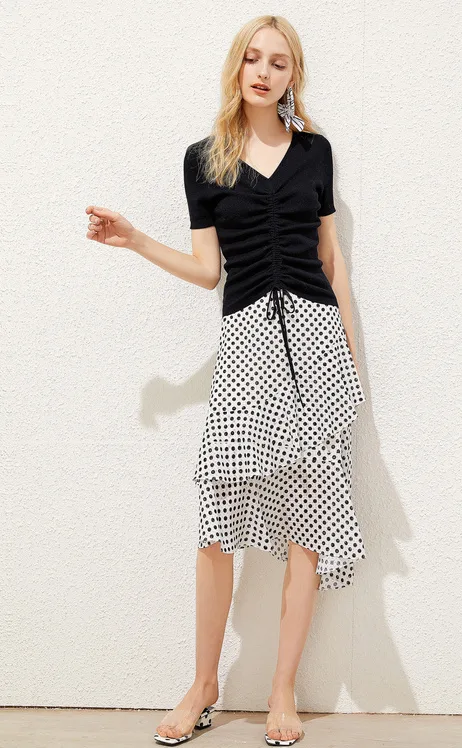
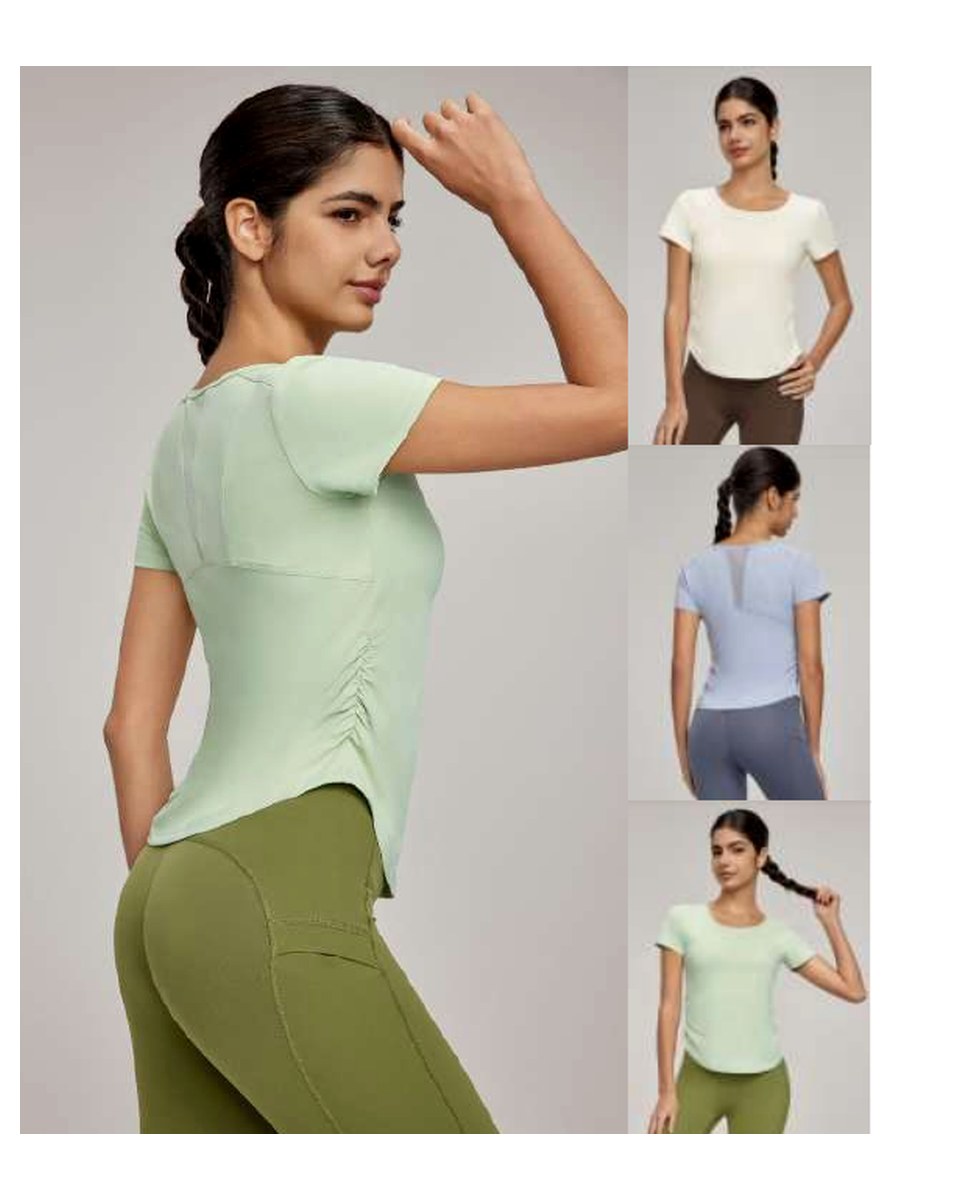
A yoga top programme can provide a starting point for discussing silhouette, length, neckline, and coverage. Use the programme as a product category reference, then supply the actual requirements for the proposed style. The factory still needs to know whether the top is fitted or relaxed, layered over another piece, and intended to cover particular areas during the brand's chosen movements.
Avoid making several styles different only through cosmetic details before the base product has been reviewed. A focused initial capsule can make sample feedback easier to interpret because each piece has a defined job. The appropriate number of styles remains a commercial decision for the brand and a feasibility discussion with the factory; no fixed range size is assumed here.
How should buyers translate fabric preferences into comparison criteria?
Words such as soft, supportive, smooth, or substantial express preferences but need a shared reference. Bring physical swatches or identified sample garments where possible and explain which aspect matters. A buyer might prefer the surface feel of one reference and the appearance of another. Record those priorities separately instead of asking the factory to copy an entire fabric impression that has not been described clearly.
Ask for the proposed fabric's identity, composition, construction information, weight where relevant, colour options, and available supporting evidence. Treat the description as a starting point for comparison. Two materials with similar headline composition can still need separate review against the product requirements. The buyer should assess the actual material and garment rather than selecting solely from a fibre percentage.
Create a comparison sheet with the same fields for each candidate. Include the intended role, visible appearance, handling observations, proposed assessments, sourcing status, and open questions. Mark which observations are subjective and which come from a defined measurement or test. This allows the brand to make a more informed choice and gives the factory a record of why a candidate was selected for sampling.
What should buyers consider about discuss stretch and recovery as specified requirements?
Tell the factory what movement and shape expectations the garment must meet, then ask how the proposed material and construction will be assessed. Stretch and recovery need a defined method and context when used as technical requirements. Avoid relying on a hand demonstration alone to establish a quantified claim or assuming that a fabric's ability to extend proves the finished garment will behave as intended.
For a leggings programme, the brief should connect fabric assessment with waistband design, panel shape, seams, and fit. The sample review can then identify where movement or appearance differs from the brand's intended result. The factory's technical team should propose the appropriate development checks using the actual material and construction, with specialist testing arranged where required.
Keep the record specific to the assessed version. If the fabric, colour, finishing, or construction changes, ask whether earlier evidence still applies. A test or sample result from one candidate should not be carried into another without review. The buyer needs a traceable link between the evidence used to select the material and the version eventually approved for the range.
How should buyers define coverage under the conditions the brand will assess?
Coverage is a product requirement that should be described with more precision than a marketing phrase. Identify the garment areas, size range, intended fit, movements, and viewing conditions that the brand wants to review. The sample assessment should use the actual garment and a clear record of those conditions. A folded swatch or flat product photograph cannot answer every question about coverage during wear.
Ask the factory which colourways and material variations need separate attention. The buyer should not assume that evidence from one dark sample establishes the result for every planned colour. Record the assessed variant, sample size, fit reference, and observation. Where a defined laboratory method is appropriate for a claim, arrange it with the qualified provider and keep it separate from the wear-review notes.
Use accurate wording in the approval record and later product content. A successful review under identified conditions supports that observation; it is not an unlimited promise about every wearer and environment. The brand should decide the evidence needed for its intended claim before writing the claim into the brief. This helps sampling focus on a requirement that can actually be reviewed.
How should buyers separate moisture-related words before requesting performance?
A buyer may want to describe a product as wicking, quick drying, or breathable, but those words should not be treated as interchangeable instructions. Identify the actual property and the evidence the brand needs. A fabric's feel during a brief handling session does not establish a quantified moisture-management claim, and a supplier's general product description may not match the brand's intended wording.
The AATCC standards directory lists separate methods for liquid moisture management, vertical and horizontal wicking, drying, and water-vapour transmission. That distinction is useful when preparing the brief: ask the testing provider to select the relevant current method for the property and intended claim. Do not assume that a result from one assessment establishes all the others.
Record the tested material or garment version, method, conditions, result, and agreed requirement where testing is part of the project. The buyer should also identify who reviews the evidence before a marketing statement is approved. This keeps the development decision and the eventual product description connected, while leaving unsupported claims out of the production instruction.
How should buyers describe support expectations for the actual garment?
If the capsule includes a support piece, identify its intended use, size approach, construction preferences, and evidence requirements. Support should not be inferred solely from a tight appearance, a thick fabric, or a label such as yoga bra. The brand needs a defined product brief and an appropriate assessment plan for the description it intends to use.
A sports bra programme provides a relevant category for that discussion. The buyer can specify preferred coverage, strap arrangement, adjustability, cup or lining approach, and the wearing scenarios to review. The technical team should explain which choices need sampling and which claims require additional specialist evidence. No universal support level is promised from the style name alone.
Keep support, comfort observations, and size fit as related but separate review topics. A sample may receive different feedback on each. Record what the wearer experienced under the agreed trial and what further evidence is needed. This produces more useful development comments than a single overall approval and helps the buyer decide which feature should be revised before the next sample.
How should buyers build a fit brief that includes movement?
The fit brief should state the intended silhouette, size range, reference measurements, and garment dimensions alongside the movements the brand wants to assess. Explain how the top and bottom should relate during those movements. The factory needs to know whether the buyer's priority is a particular coverage line, waistband position, garment length, or another defined feature of the wearing experience.
Choose a practical review sequence with the responsible development team. Record the sample identity, fit reference, movement or position observed, and the specific result. The sequence should suit the product and the people conducting the review; this article does not prescribe an exercise programme. The purpose is to collect consistent garment observations that can guide pattern and construction decisions.
Separate a fit finding from a material or styling preference. If a waistband shifts, a hem rises, or a neckline presents differently during the review, describe the observation and conditions before proposing a cause. The technical team can then investigate the relevant features. Avoid changing several unrelated elements at once without recording which issue each change is intended to address.
How should buyers review seams, edges, and component placement during wear?
Identify the seams, edges, elastic areas, closures, and decorative components that need attention in the sample review. Ask the wearer to describe the location and nature of any discomfort or unwanted interaction with movement. Keep the observation specific. A comment that the garment feels wrong gives the technical team less to investigate than an identified area and a description of what occurred.
Compare the sample with the approved construction references and discuss the proposed method with the factory. The buyer should focus on the required result while the technical team evaluates suitable construction options. Avoid prescribing a particular seam or machine setting without considering the actual material and garment. A familiar method name does not automatically establish that it will deliver the intended result in this project.
Review placement of pockets, logos, labels, and other additions in the same wearing context. A detail that looks balanced on a flat garment may present differently during movement or when paired with another piece. Record the observation and decide whether a change is needed. Keep any revised placement dimensions and artwork references synchronized with the next sample instruction.
How should buyers assess tops and bottoms together as well as separately?
A coordinated set should be reviewed as a combination and as individual products. Check how lengths, waistband position, coverage, and colour relationships work together under the intended fit and movement conditions. The buyer may find that each garment seems acceptable alone while the combination creates a gap, overlap, or proportion that differs from the collection concept.
If pieces will be sold separately, define the sizing and merchandising relationship without assuming every customer will buy matching sizes. The brand should decide how it communicates the range and which combinations matter for development review. The factory needs the resulting product requirements and quantity allocation, rather than an informal expectation that one size label makes all pieces a complete fit system.
Keep separate approval records for each style, with a note of the coordinated review. A correction to the top should not silently revise the approved legging or support piece. If a change affects the relationship between garments, identify that dependency and reassess it. This preserves a clear product history while still treating the capsule as a deliberate collection.
How should buyers plan colour approvals across different materials?
A matching colour name does not fully describe the desired relationship between pieces made from different materials or constructions. Identify whether the brand wants a close visual match, a tonal relationship, or a deliberate contrast. Supply the approved reference and agree the comparison process with the factory. Keep the expectation explicit so the team is not asked to resolve an aesthetic decision after materials have been committed.
Review colour and appearance on the relevant components and garments. The buyer may need to compare shell fabric, lining, elastic, thread, print, and labels according to the style. Record which items are approved and which remain pending. A general statement that the colourway is approved can be misleading if it refers only to one swatch while other visible components still need a decision.
Connect colour approval with the planned variant matrix. If a new colour is added after the initial sample, identify which previous observations and assessments need review for that version. The factory should explain the sourcing and approval implications. The buyer can then make a deliberate range decision with current information rather than treating a colour addition as a purely administrative change.
How should buyers include care and appearance after the intended treatment?
The sampling brief should identify the care requirements and any assessment needed to support them. Review the garment as a combination of materials, construction, decoration, and components. A care decision based only on the main fabric may leave other features unaddressed. The buyer should obtain the appropriate technical input and evidence for the actual product and intended market.
Where a treatment assessment is required, record the method, garment identity, conditions, and observations before and after. The review may concern dimensions, appearance, colour, decoration, or other specified characteristics. Do not treat an informal trial as equivalent to a defined test unless it follows the required procedure and supports that description. Keep its useful observations, but name the evidence accurately.
Feed consequential findings back into the sample revision. A change intended to improve one area may affect fit or appearance elsewhere, so the technical team should review the relevant dependencies. The approval record should identify the tested or reviewed version and any conditions still outstanding. This keeps care-related decisions connected to the same garment that the buyer intends to approve for production.
What should buyers consider about turn sample feedback into a controlled revision list?
Use one comment record per sample version, with stable issue identifiers and clear references. For each observation, state the location, condition, evidence, requested outcome, and decision status. Distinguish a departure from the existing brief from a new design preference. The factory can then identify whether it is correcting execution, developing an alternative, or updating the intended product.
Prioritize the changes that determine the base fit and product function before refining less consequential details, while keeping the brand's actual priorities visible. The buyer and factory should agree the revision sequence for the project. If several major changes are made together, record their purpose so the next review can assess whether each intended improvement occurred.
Close comments with evidence rather than deleting them. The next sample should show which issues were addressed and which remain open. Retain the approved result and update the technical pack, measurement chart, material list, and artwork as needed. The related guide to reviewing a womenswear technical pack before sampling provides a useful framework for keeping those instructions aligned.
How should buyers confirm the size range with suitable development evidence?
Define the intended customer size strategy and the garment chart before treating the base sample as a complete range approval. Ask the technical team how the pattern and grading decisions support the planned sizes and what further sample review is appropriate. The buyer should know which sizes have been assessed physically and which decisions rely on other documented evidence.
Review the size relationship across the capsule. A support piece, fitted top, and legging may need different technical attention even when their retail labels use the same naming system. Keep the product requirements clear for each style and avoid assuming that one grading instruction can be transferred unchanged to every item. The factory should identify any questions that require specialist fit input or another development sample.
Record size-specific findings precisely. If a concern appears in one reviewed size, investigate its implications without assuming automatically that every size is affected in the same way. Update the relevant pattern and chart records through the approved process. This produces a stronger range handover and reduces the chance that a late size decision becomes an undocumented production adjustment.
How should buyers review the commercial brief after the product is defined?
Once the main material, construction, size, and variant decisions are clear, ask the factory to assess the project quantities, sourcing requirements, sampling work, and production proposal. Minimum quantities, price, and timing depend on the actual programme and need confirmation. A buyer should not treat a general product category page as a quotation for a specific custom range.
Provide a quantity matrix by style, colour, and size, with any proposed split between sets and individual pieces. Identify which decisions are firm and which are exploratory. The factory can then explain how changes to the range affect the proposal. This is more useful than asking for a single low price while the material, construction, and order structure remain undefined.
Keep cost changes traceable to their cause. A revised fabric, added lining, different trim, extra colour, or new packaging requirement may change the project scope. The buyer should compare proposals against the same specification and understand any differences. The objective is a commercially workable product that preserves the approved priorities, with trade-offs discussed explicitly rather than hidden inside a cheaper-looking quote.
How should buyers prepare the production handover from the approved sample work?
The final handover should identify the approved style references, materials, measurements, construction, colourways, artwork, labels, packing, and required quality evidence. Include the resolved sample comments and any outstanding conditions that affect production release. The factory should be able to distinguish what is approved from what still needs a decision without reconstructing the entire development conversation.
Ask how the first production output will be compared with the approved references and how later changes will be controlled. Identify the relevant checks for the product and the route for a proposed substitution or correction. A sample approval establishes the development reference; the production plan should explain how that reference will be used and verified on the actual order.
Keep marketing approvals connected to the evidence register. If the brand intends to describe support, moisture performance, coverage, or another product characteristic, confirm that the wording matches the evidence obtained for the approved version. The sampling project is complete when the buyer has a coherent product specification, a documented approval basis, and a practical next step for the custom or private-label order.
A yoga wear sample should be reviewed through the movement scenarios that matter to the brand's design, not through an unsupported general performance claim. Name the sample size, fit reference, garment combination and positions to observe, then record what changes during the review. Check whether the waistband, seams and fabric coverage remain consistent with the intended product presentation. If a material or pattern adjustment is proposed, repeat the relevant observation on the revised sample. Keep the buyer's acceptance criteria distinct from a formal test; the evidence should describe exactly what was reviewed and should not imply more than it establishes.
How can buyers discuss next steps with Yinshan Fashion?
Send your yoga capsule references, intended wearing scenarios, fabric priorities, target sizes, and preliminary quantity matrix through Yinshan Fashion's contact page. The team can review the custom or private-label programme and identify the material, fit, and sampling decisions needed to develop the range.
Factory Production buyer guide
Yoga Wear Manufacturer: Fabric, Fit, and Support Decisions Before Sampling
Brief a yoga wear manufacturer with clear use scenarios, fabric priorities, fit references, coverage checks, support expectations, and a structured sampling plan.
Write a wearing-scenario brief
Explain who the brand is designing for, the intended context, coverage priorities, and the product claims that need evidence.
Compare materials on the same basis
Use consistent fields for identity, appearance, feel, proposed assessments, sourcing status, and open questions. Keep observations and test results distinct.
Define the sample review record
Plan how fit, movement, coverage, support, and care-related observations will be recorded and translated into controlled revisions.
Buyer and factory handover checklist for yoga wear manufacturer
Use these prompts to make the current product decision reviewable. Confirm market requirements and commercial details for the specific programme.
| Decision area | What the buyer should prepare | What to ask the factory |
|---|---|---|
| Approval point 1 | supply the collection concept, style roles, intended use, size strategy, and required claims. | assess proposed materials, construction options, development work, and project feasibility. |
| Approval point 2 | provide clear visual and fit references, quantity assumptions, and approval authority. | identify the evidence and approvals needed before production can proceed. |
| Release and repeat | Record the current requirement, reference and approval owner for this product decision. | Which proof or record should confirm the decision before the next stage? |
Continue the production conversation
Decision table: what to define before yoga sampling
| Brief area | Buyer decision | Evidence or factory response needed |
|---|---|---|
| Wearing scenario | Intended use and product boundaries | Style-specific development questions |
| Capsule roles | Separate pieces, sets, and coordination | Product and quantity matrix |
| Fabric | Appearance, feel, and specified properties | Identified candidates and assessment plan |
| Coverage | Garment areas and review conditions | Variant-specific observations and required tests |
| Support | Intended use and construction preferences | Appropriate fit and support assessment |
| Movement fit | Silhouette, dimensions, and observations | Controlled sample review and revision record |
| Colour | Matching, tonal, or contrast relationship | Approved references across components |
| Production | Final specification and release conditions | Current handover pack and checking plan |
Buyer FAQs
What does a yoga wear manufacturer need before sampling?
Provide the intended use, style references, material priorities, fit and size requirements, quantity assumptions, and the evidence needed for planned product claims.
Can one fabric blend guarantee the desired result?
No. Review the actual material, garment construction, fit, and relevant evidence. A headline composition is only part of the specification.
Does a dark sample establish coverage for every colour?
It establishes observations for the assessed version and conditions. Review which additional variants need their own evidence before approving the range.
Are wicking and quick drying the same requirement?
They describe different properties. Define the intended claim and ask the qualified testing provider to select the relevant current assessment method.
Can one approved size release the complete range automatically?
The approval should state its scope. Confirm the grading and additional size evidence needed for the actual product before treating the range as ready for production.