Article
What should buyers know first?
Short answer: A practical guide for boutique brands choosing a women’s fashion clothing manufacturer for blouses, dresses, shirts, and seasonal capsules before the first sample is made.
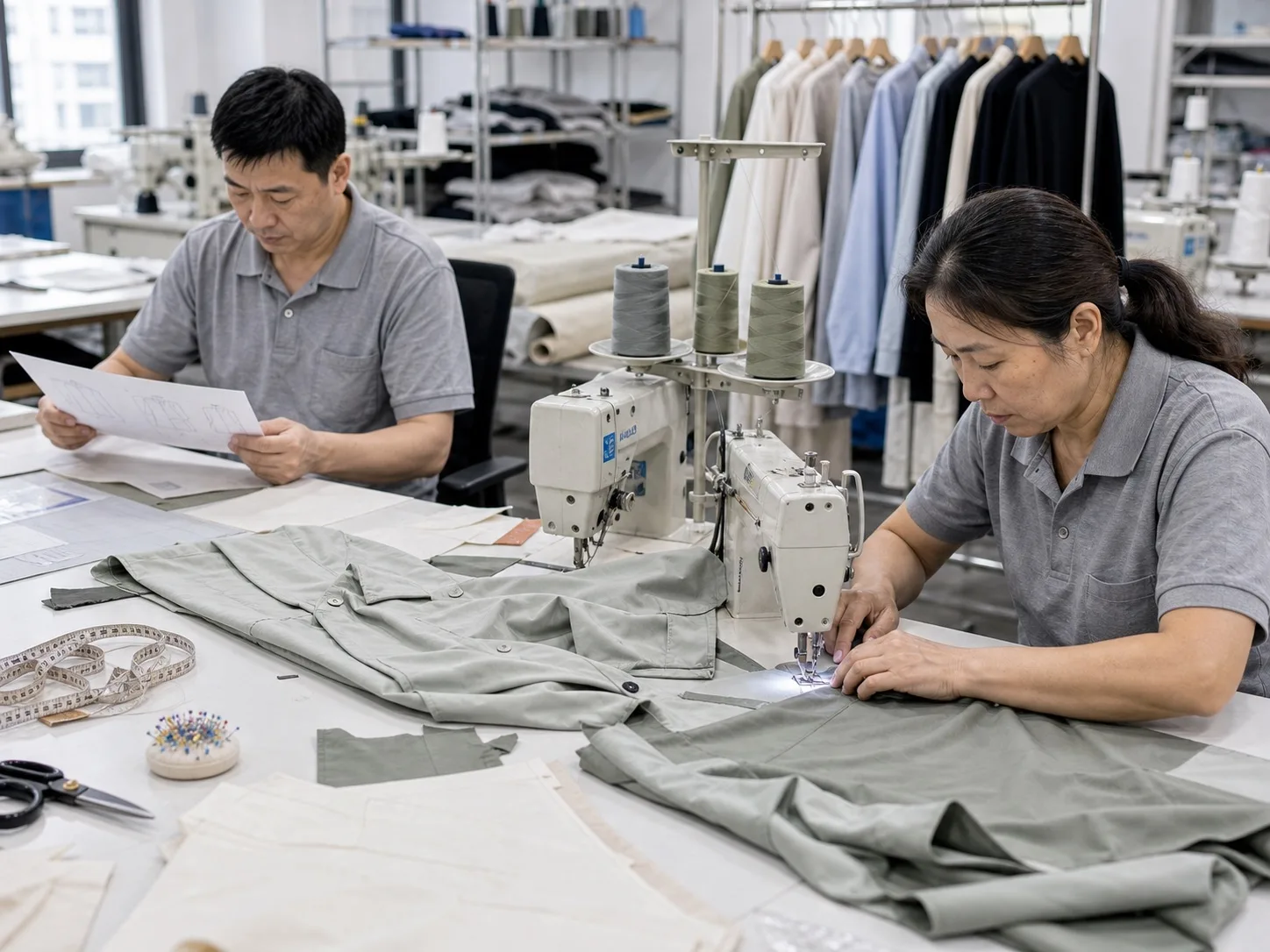
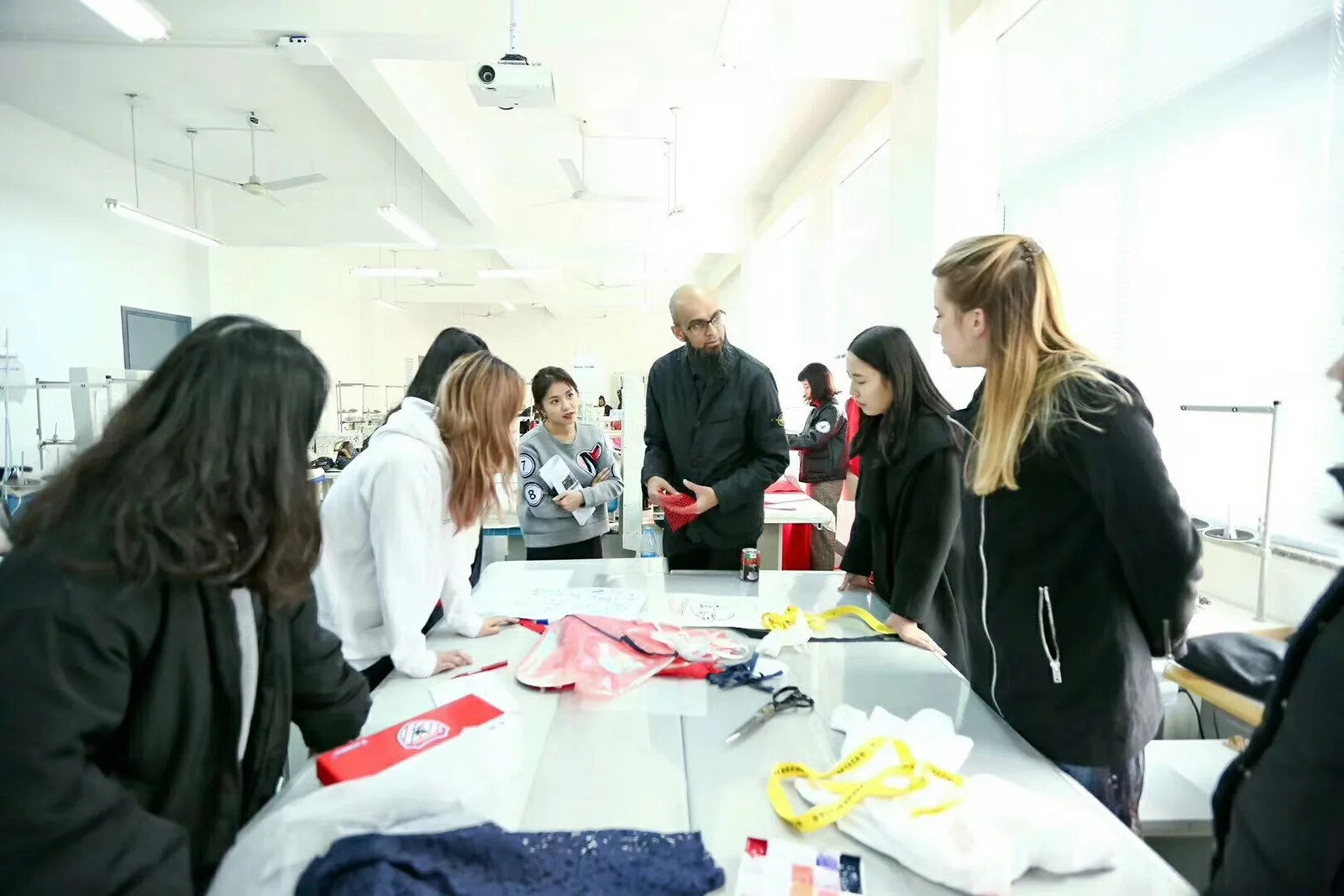
A women’s fashion clothing manufacturer should be assessed against the garment you plan to develop, not a generic factory introduction. Before sampling, check whether the supplier can discuss the category, turn references into a workable pattern, compare suitable fabrics, explain the sample route, and preserve approved decisions for bulk production. A fluid blouse, lined dress, tailored shirt, or seasonal capsule each creates different fit, material, construction, and finishing questions.
For Yinshan Fashion, this is a custom or private-label development conversation, not a promise of ready stock. The practical route depends on the style, fabric, colours, quantities, size plan, labels, packing, market, and target delivery window. A brand does not need every answer before it contacts a factory. It does need to make clear which parts of the product are fixed, which are references, and which decisions need factory advice.
Key takeaway: Choose a womenswear manufacturer by testing its ability to reason through your actual garment and approval path. A capable answer connects silhouette, fabric, fit, construction, sample purpose, branding, quality checks, and the records needed before bulk.
How to assess a women’s fashion clothing manufacturer before sampling?
The phrase women’s fashion clothing manufacturer covers a wide range of work. A polished woven shirt, a soft blouse, a gathered dress, a jersey co-ordinate, a tailored trouser, and a lightweight overshirt can all sit in a womenswear collection, yet they do not ask the factory to solve the same problem. The relevant experience is not just “making women’s clothing.” It is understanding the product behaviour that makes the buyer’s version succeed.
Begin by naming the role of the garment. Is it a repeatable core blouse, a seasonal printed dress, an elevated work shirt, a relaxed resort layer, or one style inside a limited capsule? That role affects what should be prioritised in development. A hero dress may require more time on drape, lining, closure, and visual balance. A core shirt may depend on collar shape, placket accuracy, opacity, wash behaviour, and a reliable repeat record. A boutique should expect the factory to ask category-specific questions rather than give the same answer for every item.
The Casual Fashion collection is a useful starting point when a buyer is planning a daywear range. It helps turn a vague request for “women’s styles” into a more useful conversation about shirts, blouses, dresses, T-shirts, trousers, and easy co-ordinates. Use the references to show the direction of the product. They are not an instruction to copy an existing style.
Ask the factory which parts of the category it needs to see before it can propose a route. For a woven blouse, that may include neckline, sleeve volume, shoulder position, transparency, placket, button choice, and inside finish. For a dress, it may include body length, waist position, lining, drape, closure, pocket placement, print scale, and the way the hem moves. A practical answer makes the buyer’s unknowns visible. It does not pretend that all fabrics and all shapes behave the same way.
How should buyers define what a manufacturer is being asked to do before requesting a sample?
Some enquiries describe an existing product that needs a new label. Others describe a reference garment with a changed fit, fabric, or construction. Others begin with a mood board and a rough silhouette. These are different development tasks. A buyer should say which one it is, because the sample route, information required, and commercial assumptions can change significantly.
A useful distinction is between a reference and an approval standard. A reference image can communicate mood, proportion, colour, or a detail. It rarely contains the full technical information needed to make the garment. An approval standard is the record the team will work from: the agreed sample, measurement points, fabric direction, construction details, trim list, label file, packing direction, and any open point that must be closed before bulk. A women’s fashion clothing manufacturer should help the buyer move from the first to the second without quietly changing the design intent.
State the purpose of the first sample. It might be a silhouette sample, a fit sample, a material trial, a sales sample, or a pre-production approval sample. Each has a different job. If the purpose is only to review volume and proportion, the buyer may not need every private-label component immediately. If the purpose is to approve the actual retail product, fabric, trims, labels, and packing directions may need to be much further along. The factory should explain what can be learned from each stage and what still needs confirmation.
This is also where a brand should identify its non-negotiables. They may be the line of the shoulder, the opacity of a pale fabric, the fall of a sleeve, a particular closure, a small branded detail, or a price position that the product must support. Mark the remaining areas as open for advice. Clear boundaries give a women’s fashion clothing manufacturer room to propose a workable alternative without treating a convenience-led change as an approved design decision.
How should buyers ask how pattern work and fit comments become a usable sample?
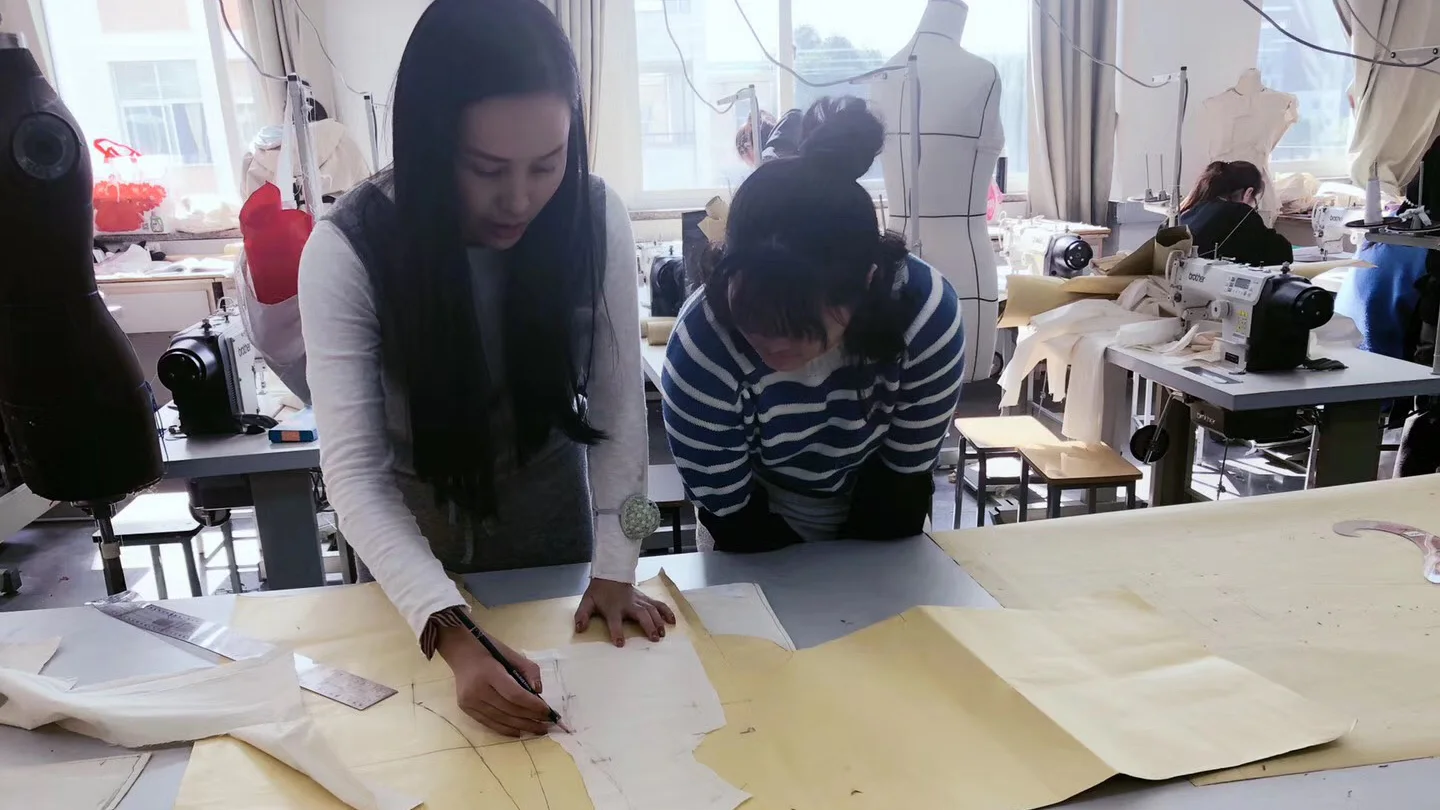
Fit is one of the quickest ways to see whether a factory conversation is real. A women’s fashion clothing manufacturer should be able to ask what the garment needs to do on the body, not only request a generic size chart. For a blouse, the buyer may need the shoulder to sit cleanly while the body remains loose. For a dress, the waist may need to skim rather than grip. For a shirt, the collar, armhole, sleeve length, and placket can decide whether the finished item feels relaxed, sharp, or simply wrong.
Give the target sample size and any known measurements. Then describe the intended fit in plain language: relaxed, tailored, oversized, body-skimming, straight, fluid, cropped, full-length, or layered. Reference images are more useful when the buyer marks what matters. A front image alone may not reveal the back length, ease, sleeve pitch, armhole depth, hem shape, lining, or hidden closure. A basic tech pack is helpful, but it is not the only valid starting point. Annotated photographs, a shop-bought sample, or a well-organised set of images can also begin the discussion.
Ask how comments will be recorded after the first sample. The strongest feedback is specific and located. “Make it better” does not tell a pattern team what to change. “Raise the armhole slightly, reduce the cuff volume, keep the body length, and test the next sample in a less transparent woven” gives the team a usable set of actions. The factory should then identify whether the requested adjustment affects the pattern, material consumption, construction, cost direction, or sample timing.
Keep a version record. The buyer should be able to identify the sample date, pattern or style version, material reference, measurements, comments, decisions, and next action. This becomes important when a buyer is reviewing several styles at once or when the brand’s designer, buyer, and operations contact do not all see the same sample. A manufacturer that can make the record readable is easier to work with than one that relies on scattered messages and memory.
How should buyers review fabric in the intended silhouette, not as an isolated swatch?
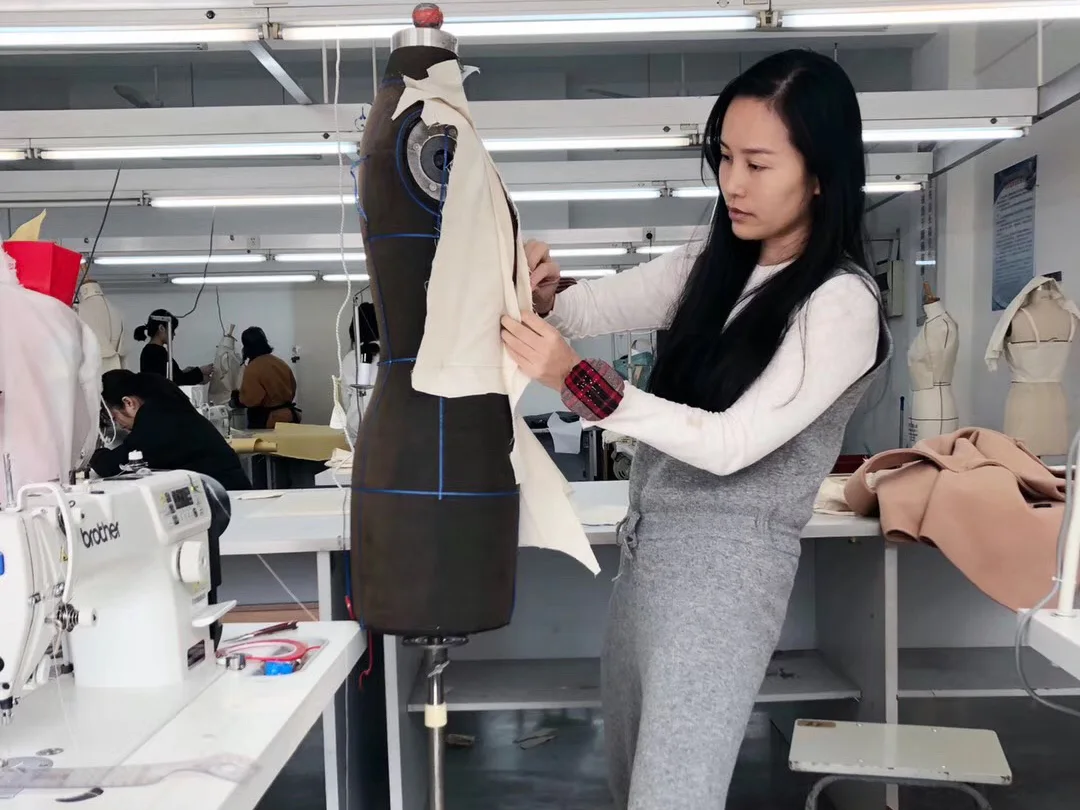
Fabric should be assessed as part of the garment. A swatch may feel soft in the hand but make a sleeve too limp, a pale blouse too transparent, a dress too heavy at the hem, or a shirt collar too unstable. The right question for a women’s fashion clothing manufacturer is not “Do you have this composition?” It is “What material route supports the look, wear, care, and price direction of this style?”
Explain the product behaviour you want. A shirt may need a clean shape, a neat collar, enough opacity, and practical care. A blouse may need a light hand and fluid drape without becoming see-through. A dress may need movement, colour depth, lining compatibility, and a surface that works with the planned print or finish. Give the factory the desired handfeel, weight direction, texture, stretch where relevant, season, target customer, and any concern about opacity, creasing, shrinkage, colour, or wash.
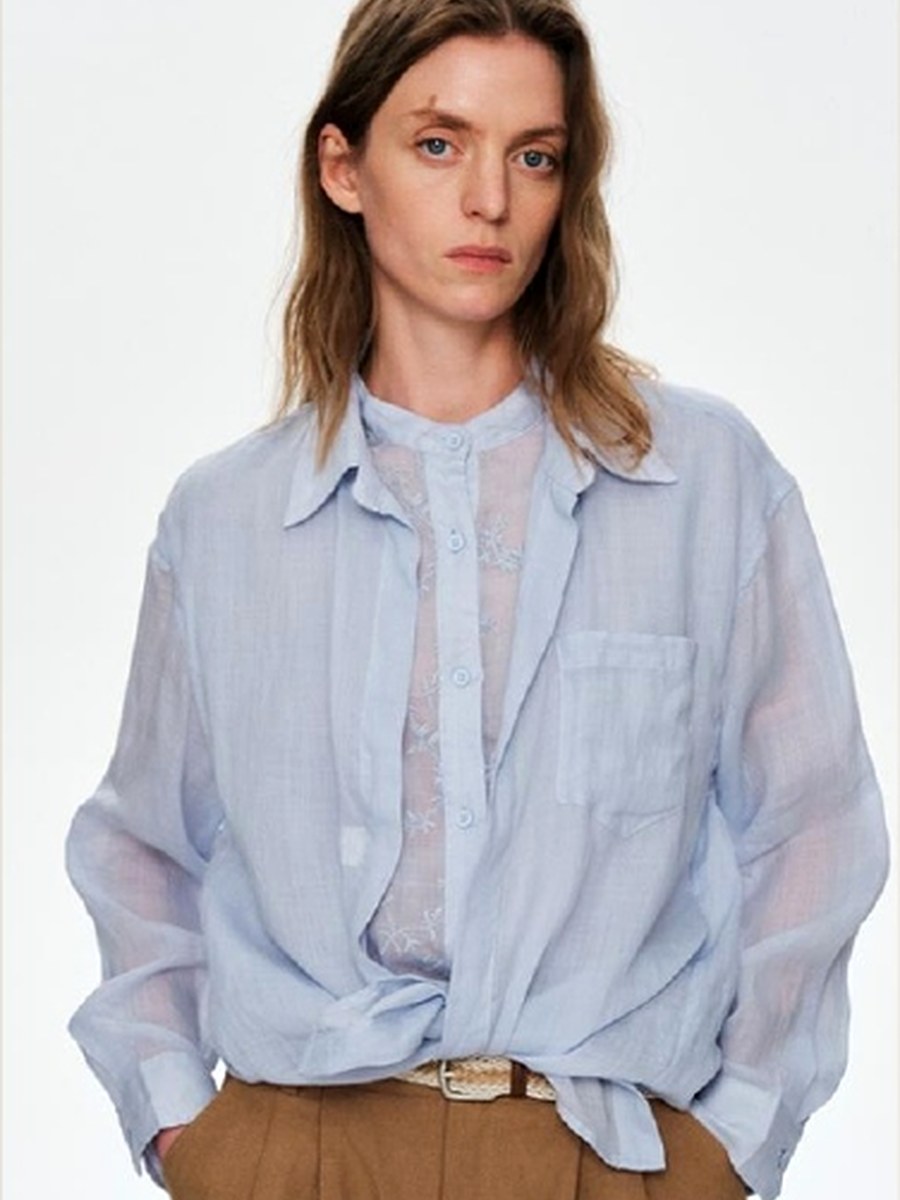
This is why a boutique should ask to review the material in the sample shape. A fluid reference blouse made in a more structured base can lose the intended movement. A fabric that looks opaque when folded can change under daylight or when worn. A strong colour can read differently on poplin, satin, textured woven fabric, jersey, or rib. The manufacturer does not need to give universal promises about performance. It should identify what needs a fabric header, a first sample, a wash review, a lab dip, or an approval on the finished garment.
The fabric and trim support page gives buyers a broader way to frame that conversation. It is helpful to arrive with a small number of product-relevant questions rather than a long list of unrelated fibre names. Ask which materials suit the garment, what information is known about them, what must be verified in a sample, and which material choice might affect the first-order plan.
How should buyers check construction and finishing details that change the customer experience?
Womenswear can look simple from a distance while requiring careful decisions at close range. A placket needs to sit flat. A collar needs the right balance of shape and softness. A gathered seam may need the right fabric weight to avoid bulk. A lined garment needs a clean relationship between shell, lining, closure, and hem. A lightweight blouse may need a chosen seam finish so that the inside does not distract from the product’s retail value.
Do not ask a supplier only whether it can make the style. Ask what the design will require in practice. Which construction points need a close-up reference? Does the garment need lining, fusible support, a particular seam finish, concealed elastic, a stabilised neckline, a different button route, or a small closure test? Which details change the number of operations, material consumption, handfeel, fit, or appearance after pressing? These are development questions, not reasons to make the brief overly technical.
The buyer should distinguish visual preference from function. A cuff shape can be a visible signature. A hidden tape can be required for stability. A slightly different seam allowance may be invisible to the customer but useful for the material. A qualified manufacturer should explain the trade-off in product terms, then invite an approval rather than making a silent substitution. This is particularly valuable for early boutique collections, where every style may have a strong design point but the first quantities still need a sensible production route.
Finishing belongs in the same discussion. Ask how the actual fabric and construction will be reviewed for thread ends, seam appearance, pressing, surface marks, shape, labels, and presentation before packing. Quality control is not just an end-of-line claim. It starts when the product standard is defined. If a sample needs a special visual check, note it early so the approval record can carry that point forward.
What should buyers check about make the sample route visible before discussing a bulk order?
Sampling should reduce uncertainty. It is not merely a stage to complete before production begins. A buyer should ask a women’s fashion clothing manufacturer what each sample is intended to prove and which decisions need to be closed before the next stage. That may include pattern and fit, fabric behaviour, colour direction, construction feasibility, trim compatibility, label placement, or the first retail-packing idea.
Ask the factory to outline the route in the language of the actual project. It may begin with a reference review and feasibility discussion, followed by fabric options, a first sample, documented comments, a revised sample, material and trim confirmation, then an approved pre-production reference before bulk. Some projects will need fewer stages. Others will need more. The important point is not a fixed timetable. It is that the buyer understands the purpose and owner of each approval.
Avoid treating photographs as a complete substitute for handling the garment. Images can help a team discuss silhouette, colour direction, placement, and obvious construction points. They do not always answer how fabric hangs, whether a collar keeps its intended shape, whether a pale colour needs a different base, or whether the garment feels right at the relevant retail level. Where the project calls for it, review the physical sample and record the comments against the actual item.
Before a revised sample is made, confirm what has changed. Use a short change log: item, reason, requested action, owner, and whether it affects fit, fabric, trims, labels, packing, cost direction, quantity, or bulk readiness. This protects the brand and the factory. It also stops the next sample from being assessed against an earlier version of the brief.
How should buyers compare a manufacturer’s answers with a decision matrix, not a sales deck?
A polished company profile can be useful context. It cannot show whether a supplier understands the product in front of it. Compare prospective partners using the same short set of questions, then read the quality of the replies. Does the factory restate the garment correctly? Does it identify missing information? Does it explain which detail needs a sample, material check, or approval? Does it state what is assumed rather than presenting an early estimate as final?
Use the table below to keep the evaluation of each women’s fashion clothing manufacturer grounded in decisions a buyer can actually verify.
The best reply may contain questions. That is not a weakness when the questions are tied to the product. A factory that asks about the transparency of a pale blouse, the lining of a dress, the target fit of a shirt, or the private-label pack is showing where the project still needs a decision. A fast, simple answer can still be useful, but it should not be taken as proof that the hard parts have already been understood.
Compare like with like. If one supplier is pricing an available fabric and another assumes a custom-developed colour, the numbers do not describe the same route. If one quotation includes labels and folding and another covers the garment only, record that difference. The purpose of the matrix is to help the brand choose an approval path it can manage, not simply to find the first number that appears lowest.
How should buyers connect private-label details to the sample instead of leaving them for packing?
For a boutique label, the garment and the brand presentation should be developed as one product system. Main labels, size labels, care information, hangtags, logo application, barcode direction, individual bags, tissue, and carton marks may not all be required in the first fit sample. They should still be visible in the plan early enough for the women’s fashion clothing manufacturer to identify files, components, placements, and later approval points.
The private-label clothing programme is relevant when a buyer is turning a base garment into a branded selling unit. It can help the brand organise which elements are fixed and which are still open. A woven main label may require approved artwork and placement. A care label needs final content from the responsible owner. A hangtag needs an attachment position that does not damage the garment. A barcode or size sticker has to match the product identity and sales channel. Each decision is small on its own; together, they shape the route to final packed goods.
Ask who owns each file and when it becomes final. Keep the product version, label artwork, placement instruction, packing reference, and market or retailer requirement in one clear record. The factory can then state what it needs before components are made or bulk packing begins. The buyer should confirm any final market, importer, retailer, or compliance obligation with the responsible team rather than assume the factory has determined it from a reference image.
Private-label planning is also a chance to keep the first order focused. A collection can feel recognisable through well-resolved fit, fabric, colour, labels, and a consistent presentation. It does not need unnecessary components simply because a competitor used them. Fewer clearly approved details are often easier to sample, check, pack, and repeat than a decorative system with no agreed owner or revision control.
How should buyers use product collections to make the womenswear brief more concrete?
Product links work best when they help a buyer name a decision. A brand developing fluid layers can use the Blouse Collection 2026 to discuss sleeve volume, collar shape, placket direction, surface, transparency, and movement. A brand planning a more structured seasonal item can use the Shirt Series Collection 2026 to talk about proportion, collar, pockets, buttons, and fabric body. A dress programme can use the Fashion Dress Collection 2026 to make length, waist, lining, closure, and silhouette questions visible.
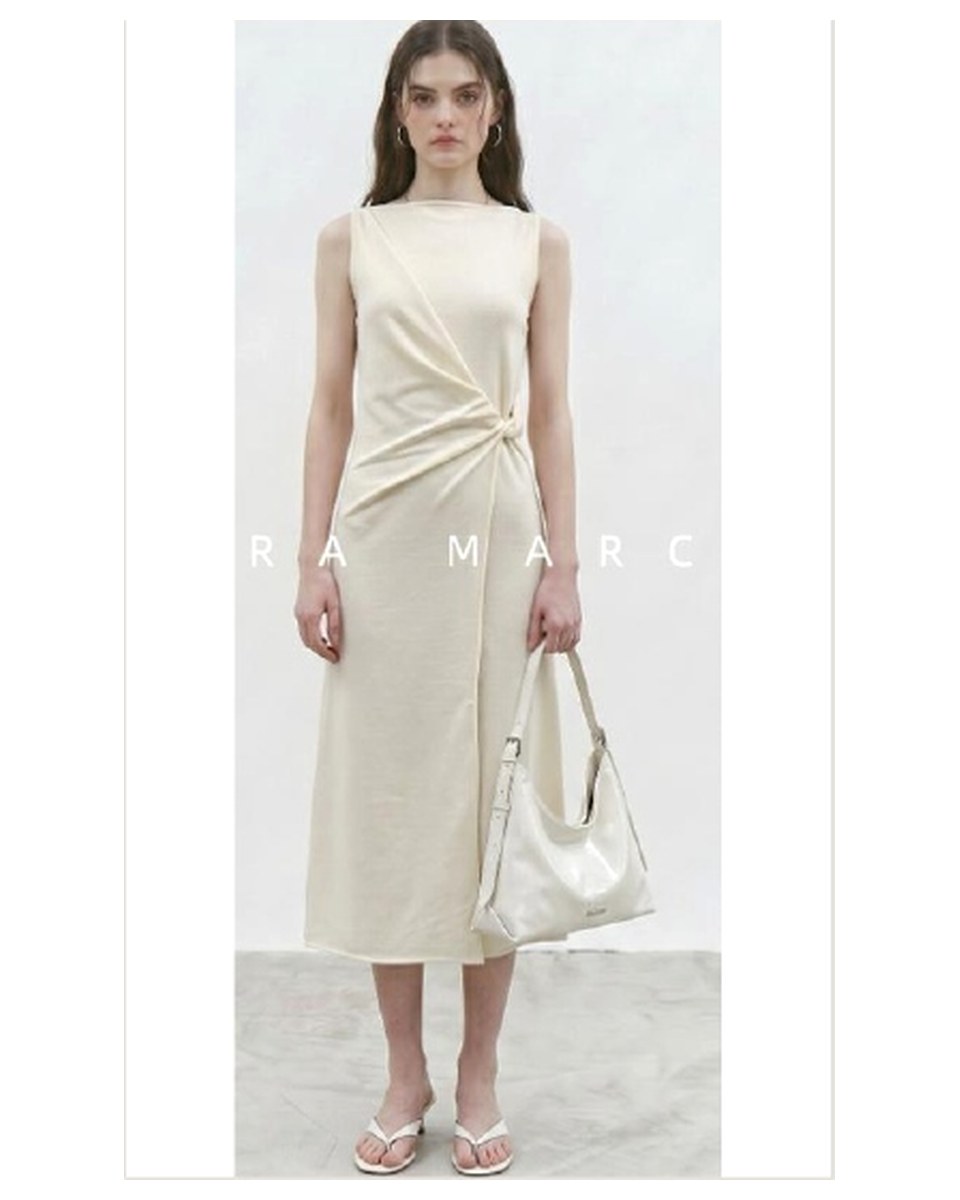
These collections are a discussion aid. They do not replace a tech pack, approve a duplicate, or create a promise that every shown detail is suitable for a different project. A buyer should point to the features that matter: a relaxed shoulder, a clean placket, an easy waist, a fluid hem, a particular surface, or a practical private-label presentation. The factory can then tell the buyer which information is still needed to make a product-specific sample.
This is more useful than asking a women’s fashion clothing manufacturer to “make something similar.” Similar can mean colour to one person, silhouette to another, and construction to a third. A short, annotated product direction gives the factory a common starting point and makes the first response easier to compare.
How should buyers decide how sample approval will become a bulk-production standard?
An approved sample is valuable only when the team knows what it approves. Before bulk, a buyer should make sure that the selected version connects the actual product, material, colour, measurements, construction, trims, labels, packing, and quality priorities. A women’s fashion clothing manufacturer should be able to show how that record reaches development, production, QC, and packing. If something remains open, name it. Leaving a point unrecorded is not the same as leaving it flexible.
Ask what reference will be used on the production floor. It may be a pre-production sample together with a current measurement sheet, fabric reference, trim list, label artwork, packing master, and written sample comments. The format will vary by project. The goal is consistent: design, development, production, QC, and packing teams should not be working from different versions of the garment.
The fashion apparel production process shows the broader route from enquiry through development, production, quality control, packing, and delivery. For a boutique buyer, it is a reminder that sampling is the handover point between a design decision and a repeatable manufacturing record. The clearer that handover is, the easier it is to identify whether a later issue comes from a changed fabric, an updated label, a revised fit, a new colour, or a different packing route.
Reorders deserve the same discipline. A reorder can begin from the approved record, but it should state what is unchanged and what is new. A different colour, fabric availability issue, updated size ratio, new label, altered carton rule, or different market may each require a fresh check. The most dependable repeat product is one where the brand and manufacturer can identify the previous approval rather than reconstruct it from old images and emails.
What a boutique should send to a women’s fashion clothing manufacturer?
- A short description of the product role, target customer, sales channel, destination market, and the question the first sample needs to answer.
- Reference images, a tech pack, a sample garment, or annotated photos showing front, back, details, and what is essential versus open for advice.
- Target sample size, known measurements, intended fit, size range or draft size plan, and the key body or proportion points that cannot change.
- Fabric direction: handfeel, weight, drape, opacity, stretch, surface, colour, print or finish, care expectation, season, and target price direction.
- Construction and trim details: collar, placket, seams, lining, pockets, closure, buttons, zips, elastic, embroidery, print, and any quality-sensitive feature.
- Quantity scenario by style and colour, expected first-order scale, repeat-order intention, delivery objective, and information that is still provisional.
- Private-label and packing direction: labels, care content, hangtags, logo, barcode, size sticker, fold, bag or box, carton marks, and the owner of final approvals.
Yinshan Fashion can review these inputs for a womenswear development project. Send your product references or tech pack, category, fit direction, material and colour ideas, quantity by style and colour, size plan, brand components, packing direction, target market, sample purpose, and desired delivery window through the contact page. The team can identify the next practical decision before sampling begins.
Boutique womenswear development
Five pre-sampling decisions that reveal whether the factory fits the product
A useful manufacturer conversation turns a blouse, dress, or shirt reference into visible decisions on fit, fabric, construction, sample purpose, approval ownership, and the record that will guide bulk production.
Category judgement
Ask what the factory needs to review for your specific blouse, dress, shirt, or capsule. A relevant answer names product behaviour, not a generic capability claim.
Sample ownership
Define the purpose of the first sample, the target size, the fit points under review, the comment format, and which decision must be closed before the next stage.
Bulk-ready record
Connect the approved sample with material, colour, construction, trims, labels, packing, quality priorities, and any remaining open point before production is released.
Womenswear manufacturer pre-sampling checklist
Use this when comparing factories for a boutique blouse, dress, shirt, or seasonal capsule. It helps make the product and approval path clear; commercial terms and market requirements remain project-specific.
| Decision area | What the buyer should prepare | What to ask the factory |
|---|---|---|
| Product category and reference | Provide the garment role, target customer, front and back references, detail images, required visual features, and the points that are references rather than fixed instructions. | Which category-specific fit, fabric, construction, finishing, or sampling decisions are needed before a viable sample route can be proposed? |
| Fit and pattern direction | State the target sample size, intended silhouette, known measurements, size range, body or proportion priorities, and how fit comments will be documented. | What information is needed for the first pattern or sample, which adjustment affects the product route, and how will versions be identified after comments? |
| Material in the finished garment | Describe handfeel, weight, drape, opacity, stretch, surface, colour, print or finish, care expectation, season, and target price direction. | Which materials suit the garment, and what should be reviewed through headers, lab dips, a sewn sample, a wash review, or the approved finished product? |
| Construction, trims, and brand presentation | Show collar, placket, seams, lining, closure, pockets, buttons, labels, logo, hangtags, barcode, individual packing, carton direction, and any quality-sensitive feature. | Which detail affects feasibility, component availability, sample steps, appearance, quality control, packing, or the order assumption before bulk? |
| First-order and repeat record | Share quantity by style and colour, size plan, market, sales channel, sample purpose, delivery objective, and any likely repeat-order requirement. | Which approved sample, documents, components, quality controls, and packing files must be retained so a future reorder can identify what is unchanged and what needs a new confirmation? |
Continue the production conversation
Women’s fashion clothing manufacturer: pre-sampling evaluation table
| Decision area | Buyer should provide | Factory should confirm |
|---|---|---|
| Product category and role | Style type, reference images, target customer, retail position, and the visual details that make the garment recognisably yours. | Which fit, fabric, construction, and finishing questions are specific to the blouse, dress, shirt, or seasonal capsule. |
| Pattern and fit | Target sample size, intended silhouette, known measurements, size range, and clear sample comments by location. | What is needed to make the first pattern or sample, how revisions are recorded, and which change affects the product route. |
| Fabric and colour | Handfeel, weight, drape, opacity, stretch, season, care, colour or print direction, and target price direction. | Which material options suit the product, and what needs a header, lab dip, sewn sample, wash review, or final approval. |
| Construction and components | Collar, placket, seams, lining, closure, pockets, buttons, labels, logo details, and quality-sensitive points. | Which elements affect feasibility, operations, material use, appearance, sample steps, or bulk-production controls. |
| Bulk handover | Quantity by style and colour, size plan, label and packing files, target market, delivery objective, and repeat-order expectation. | Which approved sample, records, components, quality checks, and packing instructions must be in place before bulk release. |
Buyer FAQs
What should I ask a women’s fashion clothing manufacturer before sampling?
Ask how the factory would approach your actual category, what it needs to make a first pattern or sample, which fabric and construction decisions must be checked on the garment, how fit comments are recorded, and what becomes the approved bulk reference. Also share quantities, labels, packing, market, and sample purpose so the factory can state what is known and what remains project-specific.
Can a boutique brand start without a full tech pack?
Yes. A useful starting package can include annotated references, a sample garment, front and back photos, fit notes, material direction, target size, quantity scenario, and a clear list of fixed versus open decisions. A tech pack can make the process more precise, but the manufacturer still needs to review whether the selected fabric, construction, trims, labels, and packing suit the proposed product.
How do I compare two womenswear manufacturers fairly?
Give both factories the same product brief and compare their assumptions before comparing any commercial figure. Check whether each response describes the same category, material route, sample scope, construction, labels, packing, quantity, and delivery basis. A relevant question from the factory can be useful evidence that it has identified a real decision; record the answer alongside the other supplier’s response.
What should be approved before a womenswear style moves to bulk production?
The bulk record should connect the approved product version, material and colour direction, measurements, fit, construction, trims, labels, packing, quality priorities, quantity plan, and any unresolved point with an owner. The exact documents depend on the programme, but the factory floor and QC team should not need to infer which earlier photo, comment, or file is the current standard.
Does Yinshan Fashion offer ready-stock wholesale womenswear?
Yinshan Fashion focuses on custom and private-label bulk programmes. A project can begin from collection references, but actual product development, material choice, quantities, labels, packing, production timing, and delivery requirements should be confirmed against the buyer’s brief, approved samples, and order plan.