Article
What should buyers know first?
Short answer: Plan a salesman sample fashion programme for showrooms, buyer meetings, line sheets, and photography while keeping production approval separate.
The practical challenge is that sales and development work can overlap. A brand may need to show a collection while final fit, colour, or packaging decisions are still being closed. That overlap can be managed if the sample’s identity, status, and limitations remain visible. This guide explains how to choose useful samples, prepare accurate supporting information, capture buyer feedback, and keep commercial interest connected to a controlled product brief.
How should buyers define the salesman sample fashion presentation needs?
Start by naming the decision the sample should support. A boutique buyer choosing a range needs to understand silhouette, coordination, material direction, and the proposed commercial offer. A photographer needs to know which features are final and how the garment may be shown. A sales representative needs reliable identifiers and an explanation of any provisional detail. One garment can support several uses, but the information accompanying it should reflect each use clearly.
Identify who will handle the sample and where it will travel. A showroom collection, a travelling representative’s kit, and a garment sent for a remote buyer review have different practical requirements. Consider how the sample will be packed, identified, recorded, and returned. The objective is to preserve a useful reference through ordinary handling, not to assume it will remain in the same condition as the moment it leaves the sample room.
For a casual collection, the shirt series range can help frame which product characteristics need to be shown. Use the sales sample to explain the actual proposed style and its available decisions. Do not let an attractive collection reference imply that every illustrated fabric, colour, or construction is already approved for the buyer’s custom programme.
How should buyers distinguish a sales reference from a production reference?
Agree what the sales sample represents technically. It may use the intended fabric and construction, or it may include temporary details for a defined presentation purpose. The important point is to identify the status rather than rely on the sample category name. A sales garment can be highly developed, but its use in a showroom does not by itself establish that all production requirements have been reviewed and accepted.
Keep production approvals in their own controlled record. Fit, size grading, material combinations, trim references, artwork, labels, packaging, and commercial version alignment may require evidence beyond the sales sample. If some of that evidence is already complete, link it. If it is not, state what remains open and who will decide. The sales team should not be expected to infer the technical status from the sample’s appearance.
The factory sampling guide provides related context on connecting development evidence with a production standard. Use the distinction when briefing internal teams: the garment shown to buyers and the reference used to release production may overlap, but their roles and approval authority must be explicit. This prevents a positive sales meeting from being mistaken for technical acceptance.
How should buyers choose the sample assortment around buyer questions?
Decide which styles need physical representation and why. A new silhouette, unusual material combination, or coordinated outfit may benefit from being handled and viewed directly. Other options may be explainable through approved material references, sketches, or other suitable assets. The selection should follow the questions the buyer needs to answer, rather than automatically producing the same number of samples for every style and colour.
Build a sample matrix showing style, size, colour, intended use, required status, and destination. Separate physical garments from supporting references. If one sample will stand for several colourways, identify the evidence that explains the alternatives and any limitations. A colour card can communicate a palette, but it does not necessarily demonstrate how each complete garment combination will look or behave.
For a soft lounge set programme, decide whether buyers need the complete outfit or selected components. If the commercial offer allows tops and bottoms to be purchased separately, the presentation should explain that clearly. If the product is sold as a fixed set, show the intended pairing and sale unit rather than leaving the buyer to infer the arrangement from two garments on a rail.
What should buyers consider about pick sample sizes for the presentation purpose?
State why each sample size is being requested. A garment intended for photography may need to suit the selected model, while a showroom sample may be chosen for another reason. Confirm the actual size and measurements rather than treating “sample size” as a universal standard. If the garment has been altered for styling, identify those alterations so the presented fit is not confused with the unmodified proposed product.
A single sales size does not demonstrate the whole range. Provide the current sizing information with its approval status and explain which size-set work remains to be completed. Buyers may ask how the style will fit across their customer base; the sales team needs an accurate answer based on the development record, not an assumption that a successful presentation sample proves every size.
When a buyer requests a different sample size, confirm the scope and timing with the development team. The request may be straightforward, or it may raise unresolved grading questions. Do not promise a representative sample before understanding what work is required. The commercial conversation is stronger when the brand can explain the actual next step and the evidence needed to support it.
How should buyers make material substitutions visible?
List every temporary fabric, trim, lining, label, or decoration detail that differs from the intended product. Explain the effect on the presentation. A substitute button may be easy to describe, while a substitute fabric can affect drape, feel, opacity, or fit. The sales team should know which observations are reliable and which require confirmation in the final material combination.
Attach approved material references where they help the buyer understand the proposal. Identify them with the same codes used in the product file. Do not place several attractive swatches beside a garment without explaining whether they are alternatives, approved options, or inspiration only. Clear status helps the buyer compare a concrete offer instead of constructing an imagined product from unrelated references.
If a temporary detail is visually prominent, decide whether the garment should be used for photography or public product presentation before it is resolved. An internal buying discussion can accommodate a clearly explained provisional element more easily than an image presented without context. The brand should control which assets can be used for each purpose and update them when the approved product changes.
How should buyers coordinate colour evidence with the physical sample?
Identify the approved or proposed colour reference for the sample and each offered alternative. Explain whether the actual materials have been reviewed in those colours or whether the palette is still being developed. A colour name on a line sheet should map to an identifiable reference, not merely to the nearest word a sales representative chooses during a meeting.
For coordinated garments, show the intended relationship between pieces. Matching names across different materials do not automatically create an exact visual match. If the presentation uses a tonal relationship or a deliberate contrast, describe it. Where close matching matters, use appropriate physical evidence and the agreed approval process rather than relying entirely on screens viewed under different lighting conditions.
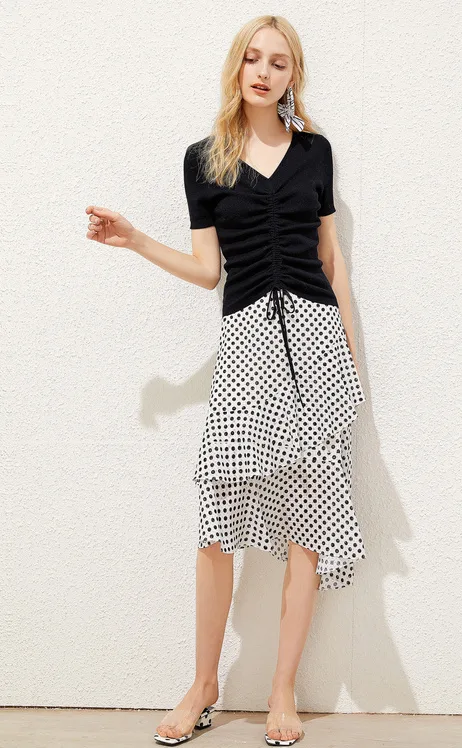
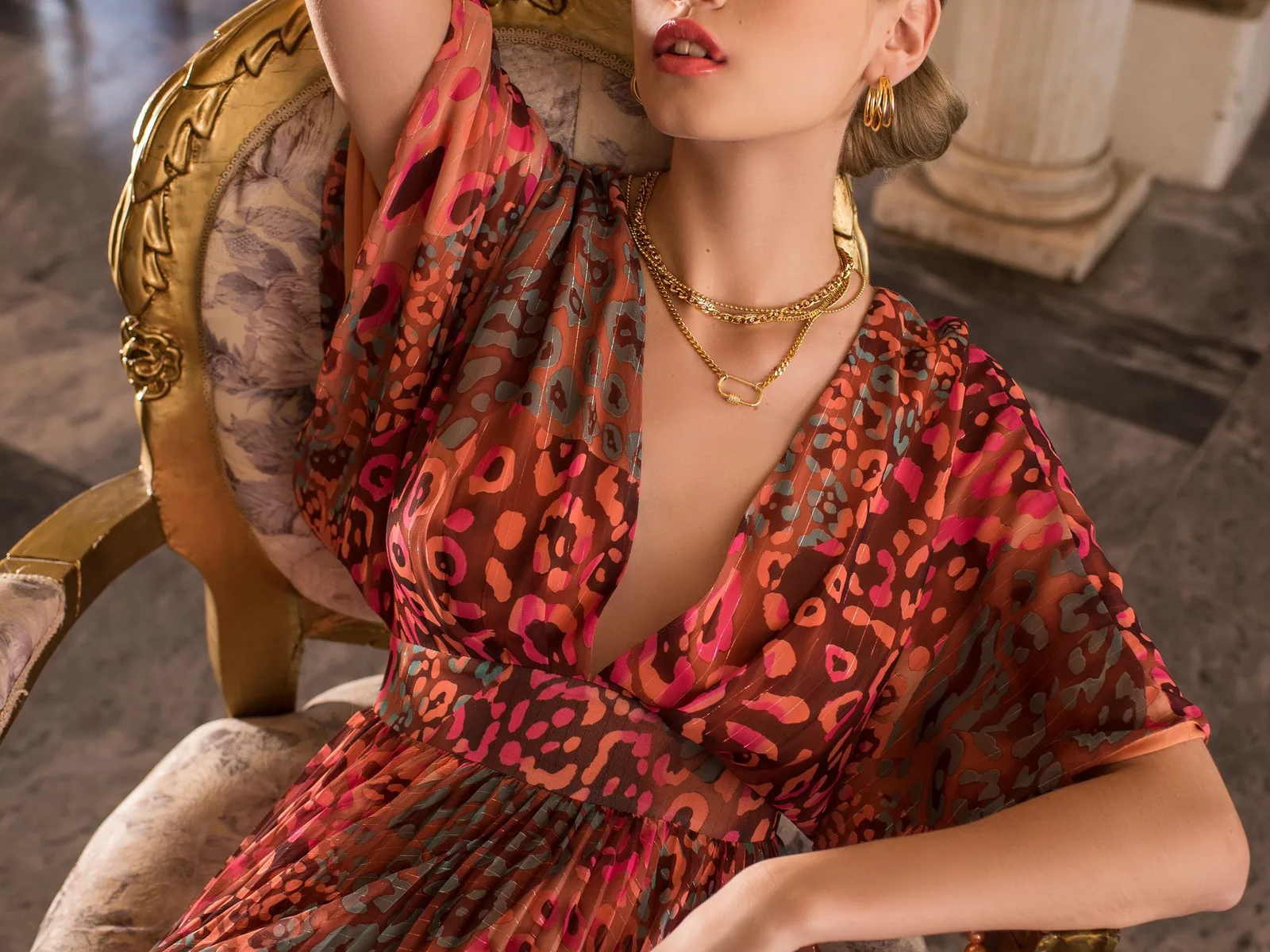
For a dress collection, a dark sales sample may explain the silhouette while leaving questions about a pale version’s opacity or lining appearance. Keep those distinctions visible in the offer. A buyer should not discover after ordering that the displayed colour was the only combination whose appearance had actually been considered.
How should buyers prepare a line sheet that matches the sample?
The line sheet should identify the style, image or reference, colour options, size range, material description, sale unit, and the commercial information authorised for the discussion. Mark provisional fields clearly. Avoid filling gaps with invented values merely to make the sheet look complete. An honest pending field with a defined follow-up is more useful than an apparently firm specification that the development or sourcing team has not confirmed.
Check the physical garment against the line sheet before the meeting. Confirm the code, colour, component count, and visible details. If the sample differs, attach a concise explanation. Buyers often retain the sheet after the garment has moved elsewhere, so it should describe the actual proposed offer rather than a mixture of earlier and later versions.
Control the document version and date. If pricing, colour availability, or design details change, replace the active sheet and identify which buyers received the earlier information. The aim is a traceable commercial conversation. A sales sample becomes less useful when different representatives use different descriptions for the same style or when the order team cannot determine which proposal the buyer accepted.
How should buyers separate proposed dates from confirmed commitments?
Sales meetings often require a delivery discussion before every development detail is closed. Provide the current proposal and the assumptions behind it. Identify approvals, materials, order confirmation, and other inputs that control the schedule. Do not present an early target as a guaranteed delivery promise simply because it appears on a collection calendar.
Ask the factory to confirm the actual sample and production sequence for the proposed programme. A change in fabric, custom component, quantity allocation, or design can affect that sequence. The sales team should know when a buyer request requires a revised feasibility discussion. This avoids accepting an apparently minor modification that later creates work absent from the original plan.
Record what was communicated to the buyer and what remains subject to confirmation. When the relevant decisions are closed, update the commercial record. Clear scheduling language helps preserve trust because the buyer can understand what is established and what depends on outstanding actions. It also prevents development staff from being surprised by a deadline promised without their input.
What should buyers consider about capture feedback as evidence, not automatic instructions?
Use a structured note for each meeting: buyer type, style discussed, observed reaction, specific concern, requested variation, and next action. Avoid interpreting every enthusiastic comment as a firm order or every isolated preference as a reason to redesign the collection. The brand needs to distinguish commercial interest, product questions, and actual commitments before making development decisions.
Ask follow-up questions that clarify the concern without leading the buyer towards a preferred answer. If a buyer says a dress is too long, establish the intended customer, styling, and selling context behind that view. The brand may decide to offer another length, revise the style, or retain the existing direction for a different customer. The useful input is the reason and context, not just the adjective recorded beside the sample code.
Consolidate feedback before issuing factory changes. Several buyers may request incompatible versions of the same garment. The brand should choose a defined product direction or establish separate variants with their own commercial and technical implications. Sending every comment directly to the sample room creates a moving target and can make the displayed collection drift away from its original offer.
How should buyers keep presentation styling separate from product features?
Record any clips, pins, temporary tucks, borrowed accessories, or other styling used to show the sample. These techniques may help communicate a concept, but they should not imply that the unaltered garment has the same fit or includes the same accessories. The sales team needs to explain what is part of the proposed product and what is only part of the presentation.
For photography, provide the current product status and identify details that should not be represented as final. Review the resulting images against the actual offer before they are used in buyer materials or retail content. A photograph can become a powerful reference in later discussions, so the brand should know whether it depicts the approved garment or an earlier development version.
If the final product changes meaningfully, decide which presentation assets need replacement. A revised neckline, visible trim, or component arrangement may make an older image misleading. Keep the image library linked to the relevant style revision and intended use. This practical discipline reduces the chance that sales, ecommerce, and production describe different versions of a product under one shared name.
How should buyers use digital assets with a defined evidence boundary?
Digital references can help explain a collection, especially where several options need to be compared. For example, Browzwear describes virtual showrooms and digital collection presentation as uses of its platform. That demonstrates a presentation approach, not a claim that Yinshan uses a particular software system or that a digital image alone proves the physical product’s fit, material, or production readiness.
Whatever asset format is used, identify its source and status. A concept rendering, a photograph of a physical sample, and an image of an approved final garment are different kinds of evidence. The buyer should be able to tell which one is being shown. Do not let visual polish conceal missing information about materials, dimensions, or the actual component combination.
Connect digital assets with the same style and revision identifiers used for physical samples. If an image shows an alternative colour or detail, label it accordingly and state what has been confirmed. This allows the sales team to use visual tools effectively while keeping the commercial discussion grounded in the actual development record and the decisions still required.
How should buyers manage sample handling and condition?
Maintain a simple checkout record showing sample identity, destination, responsible person, dispatch date, and expected return or next use. Note the condition before and after significant handling. A garment used repeatedly for fittings, travel, and photography may change in appearance or acquire damage. That condition should not be confused with a newly produced reference when another buyer later reviews it.
Pack the sample according to its material and construction needs, using an agreed method appropriate to its presentation purpose. Include identifiers and status information in a form that remains connected to the garment. If removable accessories or components are part of the offer, list them and verify that they travel with the sample. A missing belt or separate piece can change the buyer’s understanding of the product.
Establish who may alter or clean the garment and under what instructions. Do not allow an informal repair or unrecorded styling alteration to become part of the sample’s apparent specification. If a sample is no longer suitable for its intended presentation, record that and arrange the appropriate response. The sales reference should remain trustworthy, even when the collection moves through several hands.
How should buyers translate an accepted order into controlled development work?
When a buyer selects a style, reconcile the accepted commercial proposal with the current technical status. Identify the chosen colours, sizes, quantities, component arrangement, branding, and packing requirements. Record any agreed changes from the sales sample. The order team should know whether the buyer accepted the displayed garment exactly or selected a defined variation that still requires development evidence.
Send one consolidated instruction set to the factory and confirm the next approval steps. A sales order does not erase open fit or material decisions. The programme still needs a clear route to an approved production reference, with responsibility for closing each condition. Avoid treating commercial urgency as a substitute for the information required to make the product consistently.
Keep the sales sample in the history of the style while identifying the reference that controls production. If the final version differs, update the buyer’s information and the relevant presentation assets. This connects the original selling conversation with the actual order and reduces the chance that expectations remain attached to a garment that was intentionally changed during development.
What should buyers consider about example: a showroom dress with two unfinished decisions?
Imagine a brand showing a fluid dress to boutique buyers before the final button and pale colourway have been approved. The dark sales sample demonstrates the silhouette and the proposed fabric direction. Its status card identifies the temporary button and explains that the pale material combination remains under review. The line sheet shows the proposed options without presenting those unresolved details as final commitments.
One buyer likes the shape but asks for a different length and a coordinating top. The sales team records the intended customer and quantity direction, then returns the request to merchandising and development. The brand decides whether these are separate variants or changes to the main offer. The factory receives the selected brief, not a collection of unfiltered meeting notes.
Before the order is released, the chosen length, final button, approved colour combination, and any additional style are connected to their own current specifications and sample evidence. The earlier showroom garment remains a useful sales reference, but it is not allowed to overrule the later approved product. This is the central value of a controlled sales-sample programme: commercial momentum and technical clarity can progress together.
What should buyers consider about budget the sample programme as a separate work package?
Count the actual garments and supporting items required for the proposed presentations. One style may need several physical copies if different sales teams or photographers need it at the same time. Another may need only one garment and clearly identified material references. Show the destination and purpose of each request so the factory can discuss the work accurately. A request for “one collection of samples” is too vague when the team has not agreed how many styles, colours, sizes, or duplicate garments that collection contains.
Confirm the charges and responsibilities that apply to the programme. Ask which development work, materials, custom components, packing, and dispatch are included, and how additional copies or revisions are handled. Do not assume that a sample charge is automatically credited against a future order or that duplicate garments follow the same terms as an initial development sample. The relevant arrangement should be recorded for the actual project before the work is authorised.
Consider the calendar as well as the number of pieces. If a sample must serve a photography session and then a buyer meeting, allow for transfer and condition checks between those uses. If both events happen at once, the brand must choose another presentation arrangement or request an additional copy under confirmed terms. This planning prevents last-minute pressure from turning a useful sample programme into a series of urgent, poorly specified requests.
After the selling period, compare the sample plan with its actual use. Identify which garments answered meaningful buyer questions, which were repeatedly requested, and which were rarely used. Treat that information as input for the next collection’s presentation plan rather than as proof that one sample format will work for every future range. The aim is to spend development effort on evidence that helps buyers make informed decisions.
A salesman sample is a communication tool with a defined purpose, so label it with the style, season or collection reference and sample status. Tell recipients which features represent the current proposal and which remain provisional, especially when fabric, colour, trims or measurements may change before production. Collect feedback against the same version rather than mixing comments from several samples. If the sample is used to show a range, note which variations are illustrative and which have been approved for quotation or order planning. This keeps sales presentation useful without implying that an unapproved sample is ready for bulk production.
How can buyers discuss next steps with Yinshan Fashion?
Prepare the sample matrix, status cards, current line sheet, and a list of open technical decisions. Contact Yinshan Fashion to discuss the sales samples and development evidence needed for your custom collection programme.
Factory Production buyer guide
Salesman Sample Fashion Guide: Uses and Approval Limits for Brands
Plan a salesman sample fashion programme for showrooms, buyer meetings, line sheets, and photography while keeping production approval separate.
Attach a status card
Identify the sample, revision, size, material status, intended use, and any temporary detail that could affect the buyer’s interpretation.
Reconcile the sales information
Check the garment, line sheet, images, identifiers, and authorised commercial assumptions against one current proposal.
Define the feedback route
Record buyer observations with context, consolidate them internally, and send only agreed development instructions to the factory.
Buyer and factory handover checklist for salesman sample fashion
Use these prompts to make the current product decision reviewable. Confirm market requirements and commercial details for the specific programme.
| Decision area | What the buyer should prepare | What to ask the factory |
|---|---|---|
| Approval point 1 | Define presentation purpose, audience, sample assortment, and authorised selling information. | Identify sample materials, construction, revision, substitutions, and approval limitations. |
| Approval point 2 | Control styling, sample handling, line-sheet versions, and feedback consolidation. | Confirm the scope and commercial terms for requested sales samples or variants. |
| Approval point 3 | Reconcile accepted orders with the current technical status and required approvals. | Explain the evidence needed to turn selected styles into an approved production programme. |
Continue the production conversation
Decision table: what each sales asset can explain
| Asset | Useful for | Confirm separately where required |
|---|---|---|
| Physical sales garment | Silhouette, handling, visible details | Production status and unresolved substitutions |
| Material reference | Proposed colour, surface, or feel | Assembled garment behaviour |
| Line sheet | Identifiers and authorised commercial offer | Pending fields and later revisions |
| Styled photograph | Outfit direction and visual presentation | Unaltered fit and included components |
| Digital rendering | Defined concept or option comparison | Actual physical product evidence |
| Buyer feedback record | Understanding commercial questions | Selected design changes and firm commitments |
Buyer FAQs
What is the purpose of a salesman sample fashion programme?
It supports defined commercial presentations such as showroom reviews, buyer meetings, and collection photography. The actual sample scope and status should be agreed for the programme.
Does buyer interest in a sales sample approve bulk production?
No. Commercial interest and technical approval are separate decisions. The selected product still needs the programme’s required materials, fit, construction, information, and production-release evidence.
Can a sales sample use temporary components?
It may be useful for a defined purpose if every substitution and its limitation is clear. Prominent provisional details need particular care when preparing images or selling information.
Must every offered colour have a physical sales garment?
Decide from the buyer’s questions and the available evidence. If alternatives are shown through other references, explain what those references demonstrate and what remains to be confirmed.
How should buyer feedback reach the factory?
Collect it with context, resolve competing requests within the brand, and issue one selected development brief with clear changes, owners, and required approval steps.