Article
What should buyers know first?
Short answer: Build a final garment inspection checklist covering approved references, appearance, measurements, components, labels, packing, evidence, and release decisions.
The approved sample is an important reference, but it is rarely the entire approval record. A measurement chart, revised artwork, material approval, or written exception may define details that the sample does not show accurately. This guide explains how to assemble a useful final checklist, resolve reference conflicts, review the report, and keep the shipment decision separate from the simple fact that an inspection has taken place.
How should buyers define the scope of the final garment inspection checklist?
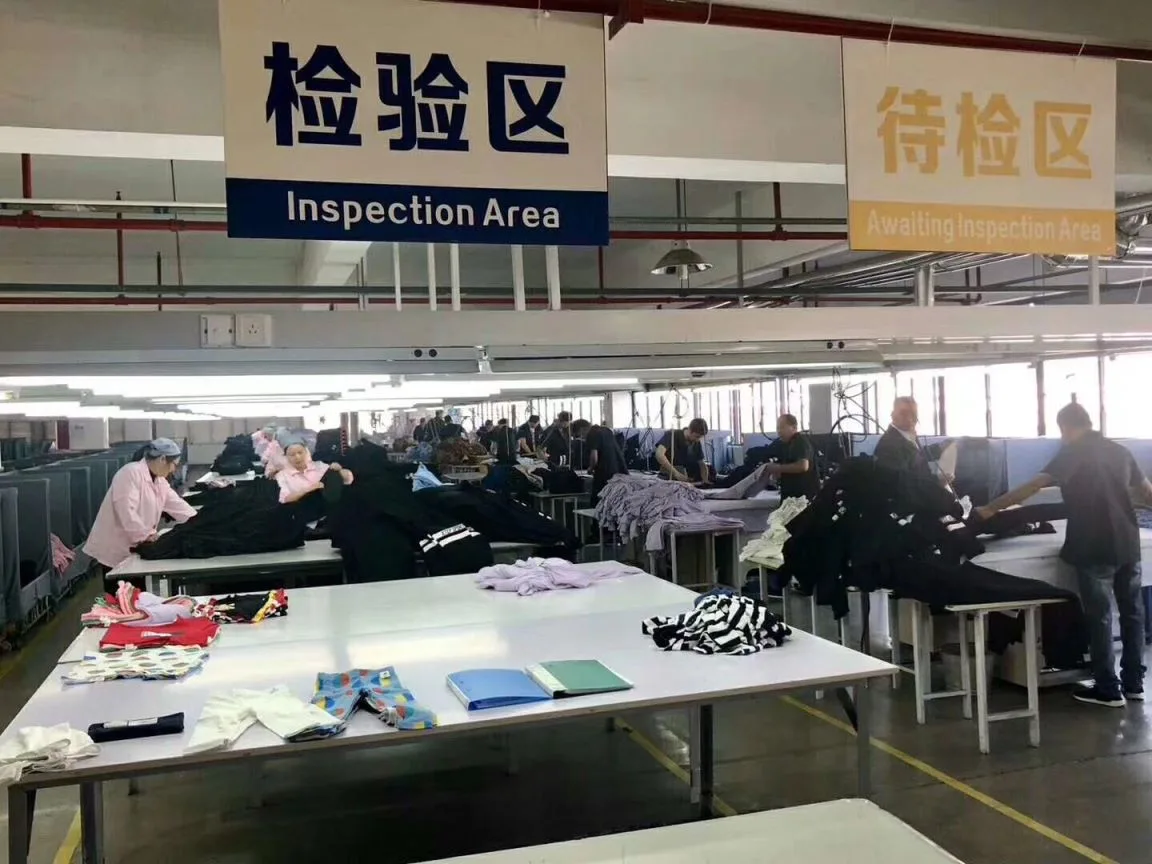
Start by identifying the order, styles, variants, quantities, location, and product stage covered by the inspection. Record the goods actually available and any work still outside the presented population. A checklist cannot establish readiness for garments that were never included in its scope. The buyer should understand what the inspector will examine before relying on the resulting report.
Identify the agreed inspection procedure and selection method separately from the product checklist. The checklist defines what characteristics to assess; the procedure defines how the inspection is conducted and how the observations support a decision. If a sampling scheme is used, have the qualified provider confirm its application. Do not let a long list of checks create the impression that every unit in the shipment will necessarily be examined.
State the reporting and release authority. An inspector may report against agreed criteria while the buyer retains the final decision after reviewing other outstanding requirements. That arrangement should be explicit. The report should identify limitations, unresolved observations, and incomplete checks so the release authority can evaluate them instead of assuming that the appointment itself has closed the order.
What should buyers consider about assemble the approval record before the goods are opened?
Create a reference register containing the approved sample, technical pack, measurement chart, material and colour approvals, artwork, labels, packing instructions, and authorized exceptions. Give each item an identifier and approval status. The inspector should be able to find the current reference quickly without searching through an entire development conversation or guessing which attachment superseded another.
Check the sample's scope. Record its style, size, colour, material identity, and any features that differ from the final instruction. A sample may have been approved for shape while its label remained provisional. If that distinction is not written down, the inspector may reasonably compare production with the wrong detail. Make exceptions visible beside the sample reference, not buried in an unrelated message.
The related guide to fashion sampling and production standards explains why a controlled development handover matters. For final inspection, reduce that history to the references that define the shipment. Keep the history available for investigation, but give the inspector a concise current pack that supports consistent checks and a clear report.
How should buyers establish a rule for conflicting references?
Do not assume that one reference automatically controls every feature. A physical sample, a technical drawing, and an approved artwork file can each define a different part of the product. If they disagree, the buyer should resolve the conflict before inspection where possible. Record the controlling reference for the feature and the person who authorized that decision.
Consider a hypothetical dress sample with an earlier strap detail while the final technical pack contains an approved revision. The inspector should compare the production strap with the revised requirement, while other features may still use the sample as their visual reference. A broad instruction to match the sample would be misleading in that case. The checklist needs the specific exception and its evidence.
If a previously unknown conflict appears during inspection, preserve the observation and escalate it. Do not ask the inspector to invent the design intent or choose whichever interpretation produces a favourable result. The buyer may clarify the requirement, request more evidence, or hold the affected decision. Record that sequence so the report remains an accurate account of both the goods and the instructions used.
How should buyers review overall appearance before isolated details?
Begin the product comparison with the complete garment in the agreed presentation condition. Look at silhouette, balance, visible alignment, colour relationships, and the design features that define the style. The objective is to recognize a broad mismatch that might be missed if the checker starts with small details and never returns to the whole garment. Document the comparison against the actual approved reference.
For an evening-oriented design in the dress collection, the overall review may focus on neckline presentation, skirt shape, strap arrangement, and the relationship between shell and lining. These are prompts for the style-specific checklist. They do not establish universal acceptance limits; the buyer must define the intended result using the product's approved sample and specifications.
Use photographs that explain the finding. A full view can show proportion or alignment, while a close view can show the detail responsible for the difference. Identify the garment and viewing condition so the images can be interpreted later. Avoid relying on an unlabelled beauty photograph as inspection evidence, particularly when posing, folding, or styling conceals the feature being assessed.
How should buyers compare visible materials and colour with the right references?
Confirm the material and component identities recorded for production, then assess the visible characteristics covered by the inspection scope. The inspector should know which reference represents fabric appearance, colour, lining, and trim. A style name or broad fibre description is not enough to explain the exact material the buyer approved. Keep supporting material records available when visual identification alone cannot establish the requirement.
Separate visual comparison from claims that require testing or other documentation. CottonWorks' quality testing overview discusses construction, care and appearance, colourfastness, and dimensional stability as different assessment areas. An appearance check should therefore be described as an appearance check. It should not be presented as evidence for performance characteristics that were not assessed through the required method.
Record any limitations in the comparison. Missing physical colour references, uncertain component identity, or inconsistent viewing conditions may require clarification before the buyer can decide. The report should state the limitation and the additional evidence requested. A confident conclusion based on an unsuitable reference is less useful than a precise observation that makes the remaining decision visible.
How should buyers check construction against the approved feature details?
Work through the construction areas that matter for the garment. Identify the required seam presentation, alignment, component attachment, edge treatment, and finishing details from the technical pack and sample. The checklist should help the inspector recognize the approved outcome. It does not need to become a generic encyclopedia of every construction method used in apparel manufacturing.
For a blouse collection project, the inspection may include the collar, placket, cuffs, sleeve details, pocket placement, and hem presentation. Select the relevant features and define them clearly. If a feature has a special approval or a known development concern, flag it in the checklist and provide the reference that resolves the question.
Inspect accessible internal details within the agreed scope as well as the exterior. The buyer should know which checks are practical on completed goods and which rely on earlier production records or another method. Record a limitation when the required feature cannot be assessed as planned. Do not imply that a finished-garment visual inspection has verified every concealed construction detail.
How should buyers measure using the specified condition and method?
The measurement section should identify each point of measure, nominal value, tolerance, units, garment condition, and method. Include the relevant size and the scope of measurement checks agreed with the inspection provider. A number without its method may be difficult to compare with the specification, especially when the garment includes stretch, gathering, adjustable components, or curved reference points.
For a casual pants programme, the buyer should specify how waistband, rise, length, and other relevant dimensions are assessed. A relaxed reading should not be compared casually with a stretched requirement. If the chart is unclear, resolve it before the inspection rather than allowing different methods to produce apparently conflicting results on the same garment.
Record actual readings where required and identify any repeated measurement used to investigate a discrepancy. Preserve the original observation and explain a corrected entry instead of silently replacing it. If the issue is the method rather than the garment, update the instruction through the authorized process. This gives the buyer and factory a common basis for discussing whether the product meets the approved dimensions.
How should buyers confirm functional observations without overstating their meaning?
Identify the practical operations that the inspection will observe, such as opening and closing a specified fastening or checking an adjustable feature against the approved arrangement. Describe the method and intended result in the checklist. A functional observation should answer a defined question, not rely on the inspector's assumption about how the garment is supposed to work.
Distinguish a simple operation check from durability or performance testing. Demonstrating that a closure operates on the inspected garment does not establish every aspect of its long-term performance. If the product brief requires additional testing, list the relevant evidence separately and confirm its status. The final reviewer should be able to see which requirements were observed during inspection and which depend on other records.
When an observation raises a concern, describe it precisely and request the appropriate review. A component that behaves differently from the approved reference may require a technical explanation, correction, or further assessment. The inspector should not diagnose a cause beyond the available evidence. Keep the factual finding, the proposed interpretation, and the buyer's disposition decision distinct in the report.
How should buyers match decoration and branding to the approved files?
Compare artwork content, dimensions, placement, orientation, and colour references with the final authorized files and physical approvals. The checklist should identify which file controls each decorated area and whether the approval was made on the actual production material. A correct logo file does not, by itself, establish that the finished application matches the approved garment presentation.
Check variant-specific details carefully. A design may change by colourway, size group, or destination, and the inspection pack needs the matching rule. The inspector should not infer the correct version from a retail photograph that represents only one variant. Use the order matrix and approved artwork references to identify the required combination, then record observations against that combination.
If the decoration appears different from the reference, describe the difference and its location. Avoid a broad statement that the print is wrong without showing whether the concern involves content, placement, appearance, or another characteristic. The buyer can then decide what additional evidence or correction is needed. Preserve any approved exception as a separate record so the original finding remains understandable.
How should buyers verify label content and attachment separately?
The label review should cover the correct label version, product identity, size information, approved content, location, and attachment. These are related but distinct checks. A label can contain the correct text while being attached to the wrong variant, or it can be placed correctly while carrying an obsolete artwork revision. The checklist should make those possibilities visible.
Use buyer-approved market content as the inspection reference. The inspector's comparison does not automatically establish that the content satisfies every applicable requirement. If the buyer needs a legal or specialist review, arrange it through the appropriate process and keep its status in the release pack. Do not treat a successful match to supplied artwork as broader evidence than that comparison supports.
Check the relationship between sewn labels, hangtags, individual pack labels, and order data. Conflicting size or style identifiers can create receiving and selling problems even when each component looks neatly finished. Record the variant examined and the identifiers observed. Where scanning is part of the agreed scope, identify the code and expected result so the report explains what was verified.
How should buyers assess cleanliness and finishing in the intended presentation?
Specify the finishing condition in which the garment should be inspected. Review the presentation for visible marks, loose material, unwanted creases, handling damage, and other issues defined by the approved criteria. The buyer should distinguish a finishing concern from an intentional design effect, using the sample and written references where the appearance could otherwise be misunderstood.
Consider how inspection handling and repacking will be managed. Garments may need to be opened, measured, and refolded during the appointment. The factory should have arrangements to return examined items to the agreed presentation or segregate items needing attention. The report should identify any goods removed from normal packing because of findings or further assessment requirements.
A final appearance review should occur at a stage relevant to shipment readiness. If the goods will undergo additional finishing after the inspection, record that fact and discuss what later evidence is required. The buyer needs to know whether the inspected condition is the condition being shipped. An attractive inspection sample should not conceal a remaining operation that could change the appearance of the order.
How should buyers inspect the packing arrangement as part of the product handover?
Check the saleable unit, folding or hanging arrangement, protective components, individual packaging, identification labels, and carton packing against the approved instructions. The packing section should also identify assortment or destination requirements where they apply. A garment that meets the product specification can still be difficult to receive if the packing identity or allocation is wrong.
Compare a packed example with the approved presentation and confirm that the necessary information remains accessible. The inspector should know which labels belong on the garment, which belong on the individual pack, and which belong on the outer carton. If a fulfilment partner adds later components, state that boundary so the factory is not assessed against a requirement outside its agreed scope.
Record quantity and allocation checks with their actual coverage. Do not describe a sampled carton review as a complete count of every carton unless that work was performed. Show carton identifiers and the observed contents where the procedure requires them. The receiving team should be able to connect the inspection evidence with the packing list and shipment records without relying on informal explanations.
What should buyers consider about bring previous corrective actions into the final review?
Include relevant production issues and their closure records in the inspection pack. Identify the original observation, affected work, correction, verification evidence, and any requirement for a later check. The final inspector should understand which features deserve attention because of the order's actual history. This is more useful than adding a generic warning to check everything carefully.
Confirm the identity of repaired or replacement goods. A correction can affect quantities, component versions, or packing allocation, so the product and shipment records should remain aligned. If the factory has completed work that still needs buyer review, mark it pending. Do not let the inspection appointment turn an unapproved correction into an assumed acceptance simply because the garment is now packed.
Preserve the difference between closure of the production issue and the final inspection result. One concerns the action taken on an identified problem; the other concerns the goods assessed under the final procedure. The buyer should review both in context. A clear history helps explain the current product and supports a better decision when a similar observation appears again.
What should buyers consider about read incomplete checks and limitations as decision inputs?
An incomplete check is not a satisfactory result. The report should distinguish work performed with no issue found, work performed with findings, and work that could not be completed. Reasons might include missing references, inaccessible goods, unavailable equipment, or a scope change. Whatever the reason, the limitation should be visible to the person deciding release.
Ask how each limitation affects the intended conclusion. Some gaps may be resolved by obtaining a missing document; others may require an additional visit, a different assessment, or a narrower decision. The buyer should choose the response based on the actual requirement and available evidence. Do not ask for a clean report by removing the limitation from the summary.
Keep clarifications traceable. If the provider issues a revised report, retain the relationship to the original and explain what changed. A factual correction to an identifier is different from additional inspection work or a changed buyer disposition. The release pack should make those differences apparent so later teams can understand which evidence supported the shipment decision.
How should buyers review findings before interpreting the result label?
Read the scope, references, observations, and limitations before relying on the report's overall result. Confirm that the agreed procedure was used and that the product requirements were applied consistently. Where a finding is disputed, identify whether the disagreement concerns the observed fact, the requirement, the classification, or the commercial response. Each type of disagreement needs a different resolution.
For example, an incorrect size label is an observation about identity, while a disputed hem appearance may require clarification of the approved visual limit. A missing test report is an evidence gap rather than a visible garment defect. Keeping these issues separate prevents the discussion from becoming a single argument over whether the order is good or bad.
Ask for focused clarification when necessary. The provider may need to supply an additional image, explain a measurement method, or correct a transcription. The factory may need to identify affected goods or propose a correction. The buyer should preserve the original evidence and record the resulting decision. This creates a useful quality record instead of a report edited merely to match the desired shipping outcome.
How should buyers make release a documented decision about identified goods?
The release authority should review the inspection result together with outstanding approvals, required testing, documents, quantity records, and corrective actions. State whether the identified goods are released, held, or subject to a defined next action. If the decision applies only to part of the order, describe that scope clearly and make sure the packing and shipment records reflect it.
Document any concession through the appropriate approval route. Identify the deviation, affected goods, decision-maker, and agreed conditions. Requirements that cannot be waived need the appropriate handling. A commercial acceptance of a defined issue should not be represented as evidence that the issue was absent, and it should not quietly revise the specification for future orders.
Send the release record to the people arranging shipment and receiving. They need to know which goods are authorized and whether any special instructions remain. The final checklist has served its purpose when it supports that clear handover: a known product, assessed against known requirements, with observations and decisions that remain traceable after the cartons leave the factory.
How should buyers keep the approved reference useful for repeat orders?
After the shipment decision, retain the current sample identity and the documents that actually defined the delivered product. Mark any order-specific concession separately from a permanent specification change. A repeat order should start from the approved current requirements, not from an unlabelled returned garment or a photograph that happens to be easiest to find.
Review the checklist itself with the factory and inspection provider. Remove ambiguous descriptions, add references that resolved recurring questions, and improve the evidence fields that made decisions difficult. Keep the scope proportionate to the product. A better checklist is not necessarily a longer one; it is one that enables a competent reviewer to recognize the requirement, record the observation, and route the decision correctly.
The buyer can then use the final inspection history constructively. It becomes a record of what was approved, what was observed, what was corrected, and what the organization learned for the next production run. That continuity is particularly helpful when staff, inspection providers, or sourcing contacts change between orders and cannot rely on personal memory of the earlier development discussion.
An inspection comparison is meaningful only when the approved reference is identifiable and the product under review belongs to the same style, colour and version. Set out which measurements, construction details, components and appearance points are critical for the order, then record the result against that agreed scope. If a difference is found, identify whether it concerns an isolated piece, a group or a repeated condition before deciding what action follows. Preserve the sample, comments and approved exceptions together. A final check should make the buyer's release criteria visible; it should not silently create a new standard after production is complete.
How can buyers discuss next steps with Yinshan Fashion?
Share your approved sample references, technical pack, quantity matrix, packing instructions, and final inspection requirements through Yinshan Fashion's contact page. The team can review the custom or private-label project and help clarify the product records needed for the production-to-shipment handover.
Factory Production buyer guide
Final Garment Inspection Checklist: What Should Match the Approved Sample?
Build a final garment inspection checklist covering approved references, appearance, measurements, components, labels, packing, evidence, and release decisions.
Resolve the reference conflicts
List every known difference between the sample and final documents. Identify the approved requirement for each affected feature.
Make pending evidence visible
Separate product checks from missing approvals, test records, and corrective-action verification. Name the owner of each open item.
Prepare the release handover
Define who reviews the report, what other conditions must be satisfied, and how the authorized goods will be identified for shipment.
Buyer and factory handover checklist for final garment inspection checklist
Use these prompts to make the current product decision reviewable. Confirm market requirements and commercial details for the specific programme.
| Decision area | What the buyer should prepare | What to ask the factory |
|---|---|---|
| Approval point 1 | provide current approvals, inspection requirements, and a clear release authority. | confirm the available goods, access, product identity, and remaining work. |
| Approval point 2 | identify market-content approvals and separate testing or documentation required for the order. | supply correction records and packing information that match the presented goods. |
| Release and repeat | Record the current requirement, reference and approval owner for this product decision. | Which proof or record should confirm the decision before the next stage? |
Continue the production conversation
Decision table: build the final inspection pack
| Check area | Approved reference | Evidence or decision needed |
|---|---|---|
| Scope and identity | Order and available-goods record | Identified population and procedure |
| Appearance and construction | Sample, technical pack, exceptions | Feature observations and limitations |
| Measurements | Current chart and method | Actual readings within agreed scope |
| Materials and performance | Material approvals and required assessments | Visual findings plus separate evidence status |
| Branding and labels | Final artwork and variant matrix | Correct content, placement, and identity |
| Packing | Approved pack and allocation instructions | Observed presentation and carton records |
| Release | Inspection and outstanding-action records | Authorized disposition of identified goods |
Buyer FAQs
Does a final garment inspection checklist replace the approved sample?
No. It organizes the checks and identifies the references. The sample remains one part of the approval record, alongside the current documents and written exceptions.
Should every detail match the physical sample exactly?
Use the approved requirement for each feature. A later authorized revision may supersede a detail on the sample, and that exception should be documented clearly.
Does a passing appearance check prove product performance?
No. Performance requirements need the appropriate assessment and evidence. Keep those records distinct from visual observations.
What should happen when a check cannot be completed?
Record the limitation and its reason. The release authority should decide what additional evidence or action is needed rather than treating the blank result as satisfactory.
Who decides whether the goods can ship?
The party with the agreed release authority decides after reviewing the inspection and other required evidence. The inspection report should make its own scope and authority clear.