Article
What should buyers know first?
Short answer: Plan womenswear capsule collection development through garment roles, shared materials, fit relationships and a focused first-sample sequence.
Womenswear capsule collection development works best when every dress, skirt and blouse has a clear role before sampling begins. A small range can still become difficult to develop if its styles use unrelated fabrics, conflicting fit references and different versions of the same trim. The buyer should decide what connects the collection, what makes each garment useful and which sample will establish the most important unresolved choice.
For Yinshan Fashion, a useful first enquiry is a current collection brief with identifiable styles, intended customers, material direction, quantity context and sample objectives. Yinshan Fashion handles custom and private-label bulk programmes. Category references can help frame the discussion, while the actual development scope, material options, minimum quantities, commercial basis and timing need confirmation for the proposed range.
This guide concentrates on coordinating three garment categories before the first sample round. It does not prescribe a fixed number of styles or claim that a particular capsule will sell. The objective is a range that the buyer can explain, evaluate and hand over without losing the relationship between the collection idea and the product records.
Womenswear capsule collection development starts with one use context
Define the customer and the situations the range is intended to serve. A work-focused edit, a holiday capsule and a collection for occasion dressing may include the same garment categories while requiring different fit, material and presentation decisions. The buyer should make that context explicit before choosing silhouettes from a large reference folder.
Write the collection purpose in one practical sentence. Identify the wearer, intended use, channel and the relationship between the pieces. Avoid relying only on a mood word such as modern or feminine. Those words can support creative direction, but they do not tell the factory why the skirt must work with the blouse or which dress feature is essential.
Separate evidence from assumptions. A brand may have customer feedback, retailer requests or information from previous ranges. Another may be testing a new idea. Record the source and limits of each input. A development plan can accommodate uncertainty, but it should not disguise a hypothesis as proven demand or a reference image as an approved specification.
Name the collection owner who resolves conflicts between design, technical and commercial priorities. That person can coordinate decisions without making every specialist judgement. The important point is that the factory receives one current direction. A small capsule loses its advantages quickly when several stakeholders send incompatible requests for the same style.
Give each dress, skirt and blouse a distinct product role
Assign a role to each proposed style before discussing every detail. One garment may carry the main visual idea, another may provide an easier pairing and a third may extend the range into a different wearing occasion. The role should explain why the piece belongs in the capsule and what makes it different from the other styles.
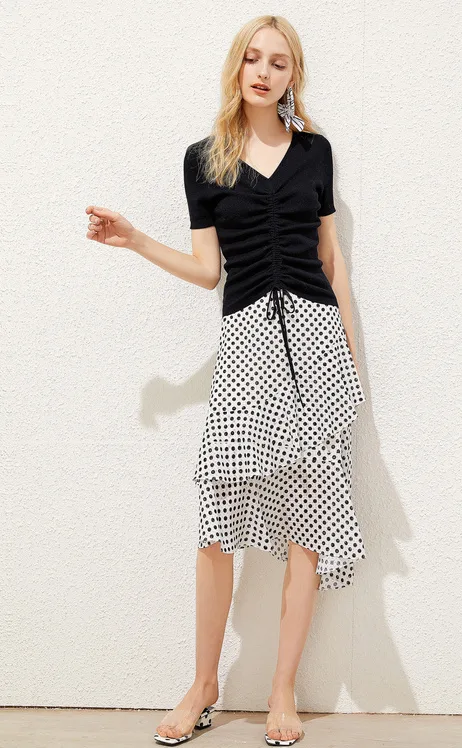
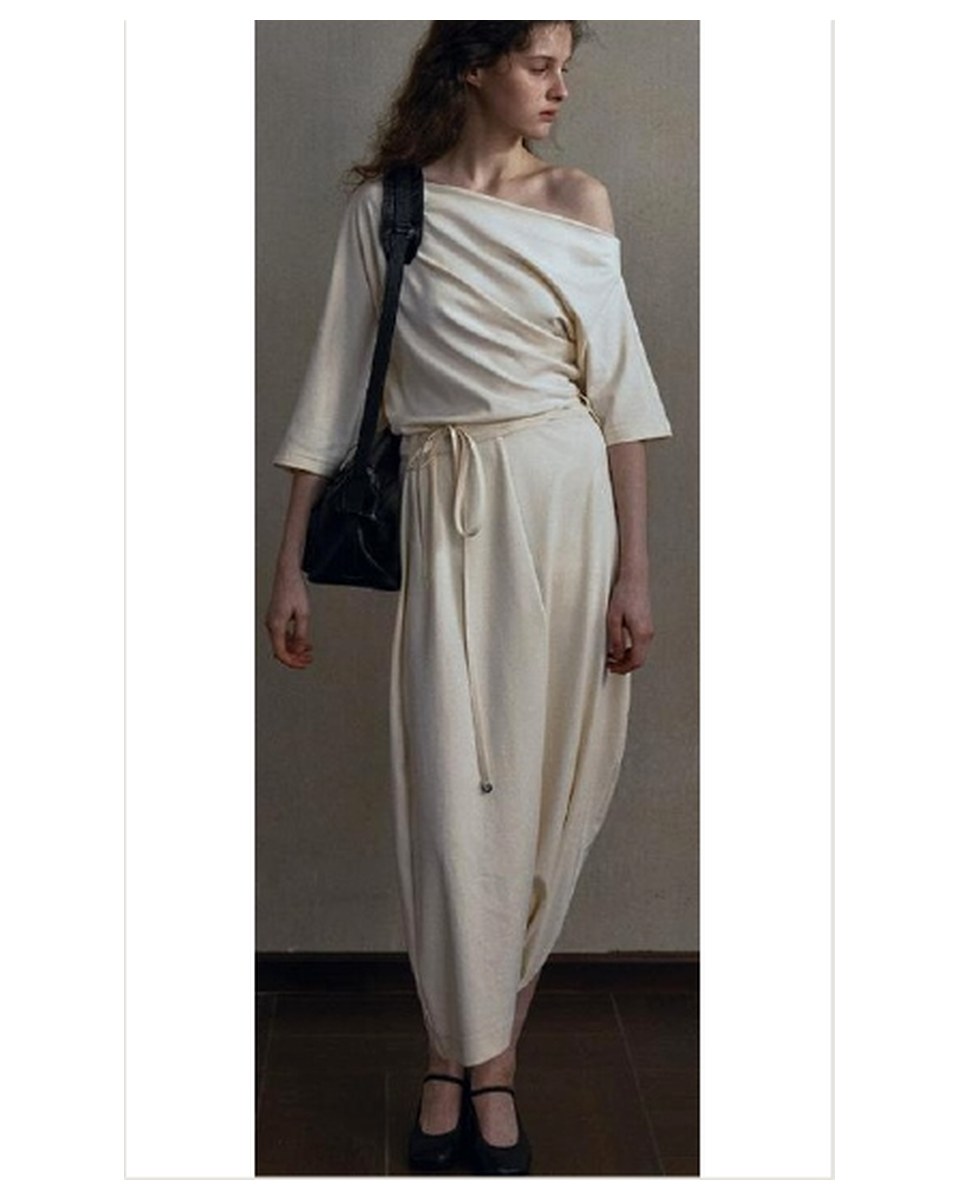
The dress collection can help the buyer describe a hero silhouette or a more restrained supporting dress. Identify the relevant shape, length, neckline and construction features. A product photograph provides category context; it does not establish the proposed material, size range or availability for a new custom programme.
For skirts, explain the intended relationship with the tops. State the waistband position, length direction and silhouette, together with any pocket or closure priorities. The skirt should not be selected only because it shares a colour with the blouse. Its proportions and wearing function need to support the collection's actual use context.
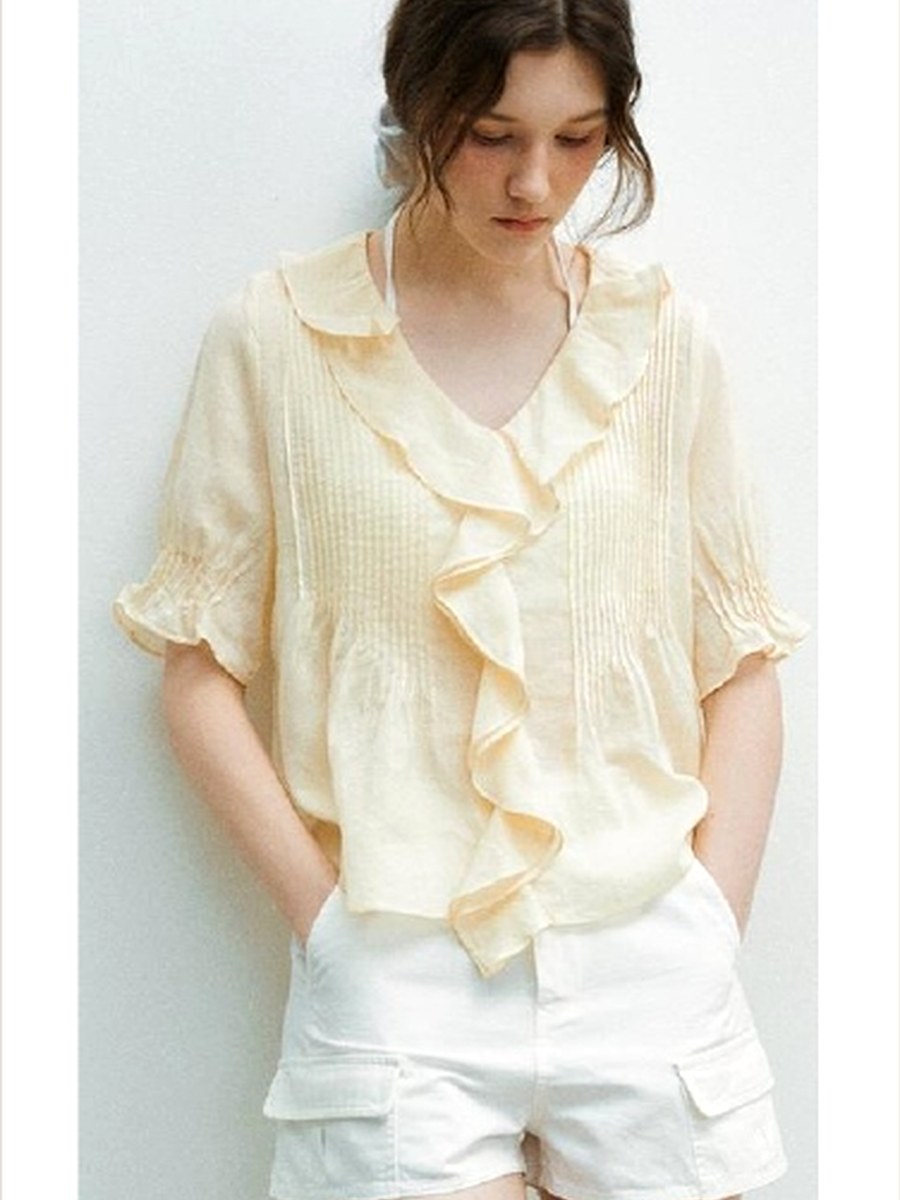
For blouses, identify whether the garment is intended to be worn tucked, untucked, layered or in more than one way. Those intentions can affect the design and fitting questions. A useful role description connects the visual idea with the sample task, allowing the team to decide which detail must be demonstrated before the style earns a place in the range.
Build a style matrix before creating a sample list
Use one row per proposed style and list its role, silhouette, material direction, colourways, size range, key components and unresolved decisions. Keep the matrix concise enough to compare the range at a glance. Detailed specifications can sit in separate style records, linked by a clear identifier and revision.
Look for accidental duplication. Two dresses may occupy the same role without offering a meaningful difference to the customer. Two blouses may require different development work despite appearing similar in a mood board. The matrix helps the buyer distinguish useful variety from additional complexity that has not been justified by the collection plan.
Mark each style as confirmed for development, under consideration or deferred. An inspiration image should not become a sample request merely because it appears in the shared folder. The factory needs to know which garments belong to the current scope and which are still internal options. That distinction also makes commercial discussions more accurate.
Add a decision owner and next action for every open point. A blank material or size field can remain provisional if the team knows how it will be resolved. A matrix filled with assumed answers is less useful than an honest record that identifies the few decisions preventing a meaningful first sample.
Decide which materials can genuinely be shared
A shared fabric can create visual continuity, but the buyer should assess its role in each garment. A cloth that suits a skirt's shape may raise different questions at a blouse collar or dress neckline. Record what the material must achieve in each style rather than approving it for the entire range from one attractive swatch.
Compare the shell, lining and contrast-material requirements separately. Some styles may share a base while using different lining or reinforcement arrangements. Make those differences explicit in the material map. The factory should be able to identify which inputs are common and which belong only to a particular garment.
The blouse collection provides concrete context for collar, placket, sleeve and seam questions. Use those details to test whether the proposed shared material supports the blouse's role. Keep the buyer's current specification in control rather than assuming a fabric recommendation for a dress transfers unchanged to every top.
Discuss the supply route and quantity basis with the actual range in view. Sharing a material does not automatically mean every style or colour can be combined under one commercial commitment. Ask the supplier to explain which quantities can be considered together and which processes or inputs create separate conditions for the programme.
Keep colour coordination separate from material identity
Define the intended colour relationships across the capsule. The buyer may want close coordination, deliberate contrast or a small set of compatible tones. Explain the desired relationship instead of assigning the same colour name to different materials and assuming they will look identical. The physical result needs an appropriate review.
Identify the references used for each material and component. A shell fabric, lining, button and print may require separate submissions even when they support one colour story. Ask how the relevant items will be compared and who will consolidate comments. The approval should name the actual combination reviewed.
Keep provisional colourways visible in the range matrix. A brand can explore several directions while requesting a first sample in one selected colour, provided the scope is clear. Do not let an internal illustration imply that every colourway has been sourced or approved. The factory needs a current instruction for the work being requested.
If a colour decision changes the material or processing route, assess the effect on the sample plan. A new substrate or component may reopen appearance, construction or care questions. Treat the change as a product decision rather than a simple marketing rename. The collection record should show which styles and approvals are affected.
Map fit relationships without forcing one specification on every style
Define the brand's intended fit language across the range. A dress and blouse can share a customer basis while using different ease, shaping and construction. A skirt may need a separate waistband and movement discussion. The buyer should explain the relationship it wants without copying one garment's measurements into another category.
Keep body information and finished-garment specifications distinct. The body reference helps describe the intended wearer, while each garment specification defines its own shape and measurement points. A consistent size label across the capsule should map to a clear technical basis, not conceal several unrelated assumptions about fit.
Review the pieces in the combinations the buyer intends to promote. A blouse length or skirt waistband position can affect the appearance of the outfit, even when each garment is acceptable on its own. Record those coordination observations alongside the individual style comments. The collection needs both levels of review.
The casual-fashion category can help frame the range of separates under discussion. Use it to identify concrete garment types, then define the brand's own current fit requirements. A category page does not provide a universal sizing system or approve the proportions of a new coordinated capsule.
Limit custom details to the choices the range needs
List the trims, decoration, labels and branded elements proposed for each style. Identify which create the collection's recognisable identity and which are optional embellishments. A small range can become difficult to coordinate when every garment receives an unrelated button, label, embroidery and packing treatment without a clear reason.
Look for useful common elements, while respecting garment-specific function. A shared label design may support the brand presentation, but its size or placement may need adjustment by style. A common button appearance may not mean the same component works for every closure. Keep the visual relationship separate from the technical specification.
For decoration, identify the source file, permission status, intended dimensions and placement. Ask which applied proof is needed for each material or garment. A successful result on one style does not automatically approve a different base, position or size range. The buyer should know which parts of the decision are shared and which remain specific.
Keep a component register linked to the style matrix. It can show the current reference, product scope, approval status and next proof. The register should simplify the handover rather than become another conflicting source. When an element changes, update the affected styles and identify any sample decisions that need renewed review.
Choose the first sample by the decision it can unlock
The first sample does not need to represent every option in the collection. Select the garment or proof that addresses a decision with consequences for the rest of the range. It may be the main dress silhouette, a shared material in a demanding construction or a blouse fit basis that informs several related styles.
Explain why that sample comes first. If the result will determine whether a fabric remains in the capsule, record the material question and the affected styles. If it will establish a brand fit direction, identify the intended wearer and measurement basis. A sample sequence is more useful when its dependencies are visible.
Distinguish a focused trial from a complete garment approval. An applied seam or decoration proof can answer a narrow question efficiently, while a constructed sample may be required for fit or drape. Use the least ambiguous evidence for the actual decision. Do not ask a small trial to demonstrate a relationship it cannot show.
Agree what can proceed while the first result is under review. Some drawings or component enquiries may continue, while another commitment depends on the outcome. The apparel production calendar helps organise those dependencies. The schedule should follow the product decisions rather than force unresolved assumptions into a release.
Consolidate comments at both style and collection level
Keep detailed fit and construction comments with the relevant style. Each observation should identify the sample, location, evidence, requested outcome and next proof. State accepted details as well as changes so the technical team knows what to retain. A comment such as make it more cohesive is too broad to control a garment revision.
Use a separate short collection note for relationships between styles. It might address the shared colour direction, a repeated detail or the way a blouse and skirt work together. Link the note to the affected style records instead of sending a general message that every sample maker must interpret independently.
Resolve contradictions before issuing the next instruction. A design reviewer may prefer more volume while a commercial reviewer asks for a closer silhouette. The factory needs the buyer's current decision and the technical owner needs to understand its purpose. Passing both comments onward does not transfer responsibility for choosing between them.
Close each sample round with a clear scope. Identify which styles can progress, which need revision and which are deferred. Explain whether a change affects a shared material or component. This makes the next round a controlled continuation of the collection plan rather than a new assortment of disconnected requests.
Compare costs using the actual range architecture
Give the supplier the same current style list, quantity context and material assumptions when asking for a commercial comparison. A price based on one shared fabric and a narrow colour range cannot be evaluated fairly against a proposal containing several custom material routes. The buyer needs to understand what each offer includes.
Ask which inputs drive separate commitments. Fabric, colour processing, components, decoration and packing may have different quantity bases. Do not assume that adding style quantities together resolves every minimum. The response should identify the relevant programme-specific conditions and any assumptions that need confirmation before an order decision.
Consider the effect of removing a style. A garment may share material or components with the rest of the capsule, so cancelling it can change the basis of another commitment. Ask for the impact before revising the matrix. A collection decision should account for the actual sourcing arrangement rather than rely on a generic expectation of savings.
Keep estimates, confirmed terms and exclusions distinct. Early costing can support design choices without pretending that every input is final. Record which change would reopen the comparison and who owns the next decision. The buyer should be able to explain why the selected range structure fits the intended programme.
Prepare labels and product information across the capsule
Create one approved brand-information basis while keeping garment-specific facts separate. Brand artwork may be shared, but composition, care, size and other product information can differ between styles or materials. The pack should make those differences visible rather than copy a label page across the entire collection without review.
Identify the responsible reviewer for each destination or channel requirement. The buyer should provide the product and market context needed for that assessment. This article does not determine legal label obligations or validate a claim for an unidentified garment. It describes the information handover that makes a proper review possible.
Track changes from sampling through final approval. If a dress changes lining or a blouse changes fabric, the related product information may need revision. Keep labels, packing and online copy linked to the current material record. Otherwise, the same capsule can reach different teams with several inconsistent descriptions.
For a coordinated set sold together, clarify how the pieces are identified and what information applies to each. A shared package should not make individual garment facts ambiguous. Confirm the proposed presentation and evidence with the responsible parties before treating an early sample label as the final customer-facing instruction.
Plan photography and retailer samples from the approved scope
Identify which sample versions will be used for photography, sales meetings or retailer evaluation. A development sample may still contain substitute materials or temporary details. Give the receiving team a status note so that it understands what the garment represents. An attractive image should not silently become approval of an unresolved product.
Review the combinations the brand intends to show. Confirm that the blouse, skirt and dress references reflect the current range, including colour and component decisions. If a styling adjustment is made, record it where it affects the product presentation. The customer should not be promised a fit or detail that exists only through an undocumented sample alteration.
Confirm the actual preparation and handover service being requested from Yinshan Fashion. A factory sample enquiry does not automatically include photography, creative production or every presentation task. Name the garment condition, labels, identification and packing needed for the handover, then agree the responsibilities for the remaining work.
If the final product changes after photography, assess whether the existing assets remain representative. A different surface, colour, closure or proportion may need another visual review. Keep that decision linked to the product record so that the range's commercial presentation follows the garments actually approved for production.
Use a capsule change to test the quality of the plan
Consider an illustrative range with a hero dress, a skirt and two blouses sharing a proposed fabric direction. The first dress sample shows the desired surface but does not achieve the intended skirt volume. Before replacing the material across the whole range, identify whether the issue belongs to the dress pattern, construction or the material's suitability for that task.
The buyer may decide to retain the fabric for a blouse while reviewing another route for the dress. That creates a new coordination question rather than a failed collection. Update the material map, colour comparisons and commercial assumptions, then choose the next proof needed to establish the revised relationship between the pieces.
In another scenario, removing one blouse simplifies the range but changes the shared component quantity. Ask the supplier to review the actual effect before assuming the remaining garments keep the same commercial basis. The style matrix and component register make that dependency visible. They help the buyer make a conscious decision rather than discover the consequence late.
These examples are planning exercises, not case studies or promises of a particular outcome. Their purpose is to show how a clear collection record supports changes. A useful capsule can evolve during sampling while retaining an identifiable customer, product logic and set of current instructions.
Send a collection brief with a defined next decision
Before sending the range, ask a colleague who did not attend the design meetings to explain it back from the documents alone. Can that person identify the lead style, the shared material decisions, the intended pairings and the first sample objective? If the explanation depends on information held only in someone's memory, put that information into the relevant record. This is a practical handover check, not a test of whether the colleague shares the designer's taste.
Check one deliberately awkward scenario as well. For example, suppose the blouse colour is deferred after the dress sample has been accepted. The matrix should show whether this changes a shared trim order, a matching set, a photography combination or nothing outside the blouse itself. A collection record that makes this consequence visible helps the buyer change direction without accidentally reopening every approved style. Keep the deferred option in the history, but make the active scope unmistakable to everyone preparing the next sample.
Before contacting Yinshan Fashion, assemble the collection purpose, style matrix, annotated references, material and colour direction, fit basis, component register and sample priorities. Add the quantity and timing context, while marking provisional inputs. The buyer does not need every technical answer, but should identify which decision the next sample must help resolve.
Use the contact page to ask for a project-specific development discussion. Confirm the feasible product scope, information needed, sample sequence and commercial basis. A productive first step names the garment or proof, the current inputs, the review owner and the decision that will follow. That gives the capsule a practical route from a coordinated idea to a set of reviewable products.
Womenswear Capsule Collection Development worksheet
Three actions for the next handover
Plan womenswear capsule collection development through garment roles, shared materials, fit relationships and a focused first-sample sequence.
Give every style a role
Explain the customer use and pairing relationships before requesting samples.
Share decisions deliberately
Connect materials and colours while keeping style-specific fit records.
Sample the uncertainty first
Choose the output that resolves the most consequential open question.
Buyer inputs and factory questions
Use this checklist with the current programme. Confirm the actual development scope, commercial terms and evidence needed for each decision.
| Decision area | What the buyer should prepare | What to ask the factory |
|---|---|---|
| Purpose | State the customer, use context and channel. | Which collection priorities need clarification? |
| Range | List active, optional and deferred styles. | Which proposed garments need separate development work? |
| Materials | Identify shared and style-specific inputs. | Which combinations need physical comparison? |
| Fit | Describe proportions, pairings and measurement bases. | Which samples must be reviewed individually or together? |
| Sequence | Name the first sample objective and decision owner. | What evidence will let the next style or shared decision progress? |
Continue the production conversation
Womenswear Capsule Collection Development: decision worksheet
| Review point | Buyer input | Evidence to review | Decision before progression |
|---|---|---|---|
| Purpose | Customer, occasion and channel | Brand evidence or labelled hypothesis | What should the capsule do for the customer? |
| Style roles | Dress, skirt and blouse functions | Current range matrix | Does each style have a distinct reason to exist? |
| Shared inputs | Materials, colours and components | Identified options and dependencies | Which choices can be shared without forcing unsuitable specifications? |
| Samples | Highest-priority uncertainty and review owners | Targeted trial or garment evidence | Which sample unlocks the next collection decision? |
| Range release | Accepted styles, variants and open changes | Consolidated technical and commercial records | What belongs to the current confirmed scope? |
Buyer FAQs
What makes womenswear capsule collection development coherent?
Each style has a defined customer role, while the range matrix connects materials, colours, fit relationships and development decisions.
Is there a fixed ideal number of capsule styles?
This guide does not prescribe one. Select the scope from the brand’s customer purpose, commercial plan and development capacity.
Should every garment use the same fabric?
Only where the actual material supports each garment’s needs. Shared sourcing should not replace style-specific construction and fit review.
Which style should be sampled first?
Choose the sample that resolves the most important uncertainty, such as a lead silhouette, shared material or construction question, in agreement with the factory.
What should Yinshan Fashion receive for a capsule enquiry?
Send the collection purpose, style matrix, material direction, quantity context, fit references and the next sample decision you want to make.