Article
What should buyers know first?
Short answer: Prepare custom womenswear production for African brands with customer evidence, fit references, material questions and destination-specific handovers.
Custom womenswear production for African brands starts with a specific customer and market brief. Africa is not one retail market, climate, size profile or fashion preference. A brand developing dresses for one city and channel may need a different range from a retailer serving another audience. The buyer should bring those actual requirements into the enquiry instead of asking the factory to design for an undefined regional customer.
For Yinshan Fashion, provide the intended selling countries, customer context, garment categories, quantity plan and development status. Yinshan Fashion works on custom and private-label bulk programmes. Material availability, sample scope, minimum quantities, pricing and timing need confirmation for the actual proposal; a category reference does not imply unrestricted ready-stock supply.
This guide explains how to turn the brand's knowledge of its customers into a useful fit, fabric and production brief. It does not claim continent-wide demand trends or determine import and labelling requirements. Those destination-specific questions should be confirmed through the buyer's appropriate local and professional contacts, then recorded as inputs to the programme.
Custom womenswear production for African brands begins with a defined customer
Identify the customer segment the brand intends to serve and explain the evidence behind that choice. The buyer may have retail feedback, previous sales, fitting notes, customer interviews or a clearly stated new-market hypothesis. Record the source and limits of the information so that the factory can distinguish an established requirement from an idea still being explored.
Describe the relevant use context. Workwear, everyday dressing, occasionwear and other categories can create different product priorities within the same city. Avoid inferring those priorities from nationality or ethnicity. The brief should explain the brand's chosen customer and product role in terms that can guide a garment decision.
Name the person who can resolve customer and design questions. The factory can assess a concrete development request, but it should not be expected to invent the buyer's market positioning. A clear owner helps the team make decisions when visual direction, fit, materials and commercial constraints need to be considered together.
Specify countries, cities and channels separately
List the intended selling countries and the relevant retail or fulfilment locations. Then identify the channels: the brand's own stores, wholesale partners, ecommerce or another defined route. A country name alone does not describe the receiving arrangement or the customer's product experience. Keep those operational and commercial details separate in the brief.
If the programme covers several destinations, identify what is shared and what differs. The same garment may have different approved labels, packing allocations or product presentation requirements. The buyer should obtain current instructions from the relevant partners and qualified advisers rather than assuming one regional arrangement applies to every destination.
Mark provisional destinations clearly. A brand may be considering an additional market without having confirmed its importer or retail partner. That option can remain in the planning record, but it should not silently expand the active production scope. The factory needs to know which requirements belong to the current enquiry and which are future possibilities.
Give each garment a role in the range
Build a concise style matrix showing the garment's purpose, silhouette, intended customer use, material direction and open decisions. This helps the buyer explain why each style belongs in the range and prevents a large inspiration folder from being mistaken for a confirmed sample list. Mark active styles, alternatives and deferred ideas distinctly.
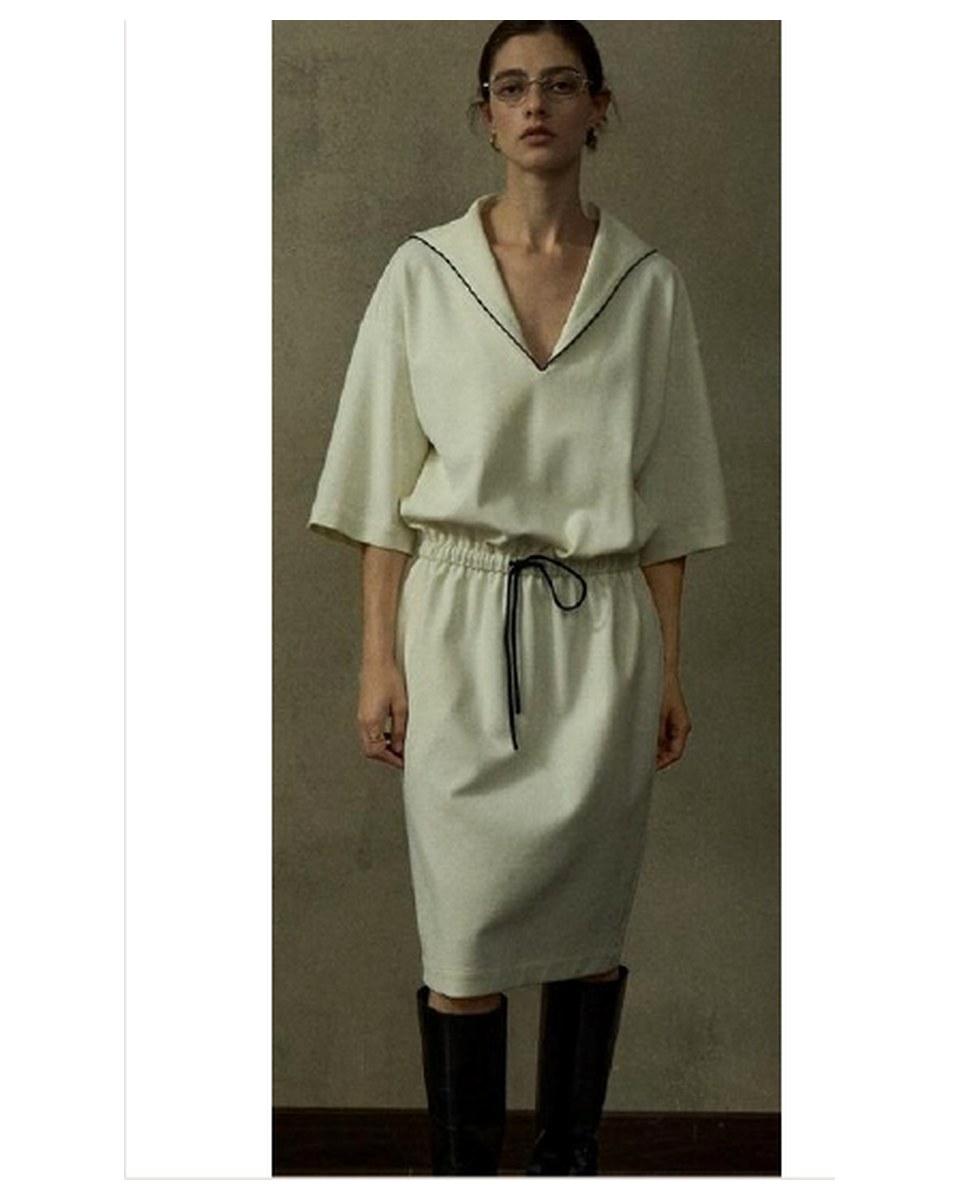
Use the dress collection to communicate a silhouette direction, then provide the actual custom specification. Identify the length, neckline, sleeve, lining and construction features relevant to the brand's customer. A catalogue image is a discussion reference, not evidence that the proposed fabric, size range or commercial terms have already been confirmed.
Look for useful connections across the collection, such as a shared material or coordinated colour. Keep those connections deliberate rather than forcing every garment into the same specification. A range can be visually coherent while its dresses, blouses and trousers need different fit and construction decisions.
Build fit requirements from the brand's own evidence
Provide the brand's body and garment measurement references, the source of each and the intended size range. Distinguish body measurements from finished-garment measurements. A size label by itself does not explain the fit the buyer wants, and there is no single chart that should be assumed appropriate for all African customers.
Use actual feedback carefully. If customers report an issue with a previous style, identify the garment, size, measurement point and circumstances where possible. A general comment that customers prefer more room needs to be translated into a technical question for the relevant area rather than applied indiscriminately to every dimension.
Where the brand lacks an established fit basis, state that clearly and discuss a development route with the technical team. The first sample can help evaluate a defined hypothesis, but it should not be described as proving a broad population fit. Keep the scope of the review connected to the intended customer and sample evidence.
Review proportion and movement at garment level
Before translating customer feedback into a pattern change, check whether the comments refer to the same style and size basis. A complaint about sleeve length on one blouse and a request for more shoulder room on another are separate observations. Preserve that detail in the brief so that the technical team can assess the relevant area without applying an unsupported correction across the whole range.
Use anonymised summaries where individual customer identities are unnecessary. The factory usually needs the garment reference, measurement context and observed issue, rather than the buyer's complete customer account history. Keep any personal information within the brand's appropriate handling process and provide only what is needed for the agreed development task.
If the feedback is mixed, state the disagreement instead of averaging it into a vague instruction. The brand may need to clarify its intended fit position or evaluate more than one option. A sample review can then address a defined choice, with the buyer retaining responsibility for which customer requirement the product is intended to prioritise.
Identify the proportions important to the style: length relationships, waist position, sleeve shape, rise, leg line or another design feature. Use drawings and measurement points that the technical team can interpret. A visual preference should be connected to a garment area and intended wearing condition before it becomes a pattern instruction.
For a programme related to the women's trouser collection, explain the desired waist, rise and leg balance using the brand's actual brief. The catalogue reference does not establish a fit block for the buyer's audience. Ask the technical team to assess the proposed basis and identify the samples needed for review.
Record fitting observations with the sample size, wearer basis and relevant movement. Respect the participant's consent and privacy in photographs or video. The buyer should state what was observed and the requirement it affects, allowing the technical team to assess a correction without relying on assumptions about a regional body type.
Define material needs through actual wearing conditions
Describe the conditions in which the customer is expected to use the garment. The buyer may need to consider indoor and outdoor settings, layering, activity and the intended care routine. Do not reduce the material brief to a blanket assumption that every destination on the continent has the same climate or wearing practice.
Translate the context into review questions. The brand might need to assess coverage, weight, handle, appearance, movement or another product-specific feature. Identify which qualities are preferences and which require defined performance evidence. A material should be selected against the actual garment requirements, not from an unsupported claim that a fibre is universally suitable for the region.
Keep the proposed material identifiable. Record composition, construction, weight, finish, colour and supplier reference where available. Mark missing information and ask the factory to confirm the feasible sourcing options for the enquiry. This gives the buyer a basis for comparing real candidates rather than broad descriptions with no traceable sample behind them.
Compare fabrics in the intended construction
Review material candidates through samples that address the garment's important features. A swatch can help with colour and handle, while a lining assembly, seam trial or garment sample may be needed for other questions. Agree the purpose of each review and avoid treating one attractive swatch as complete approval of the proposed style.
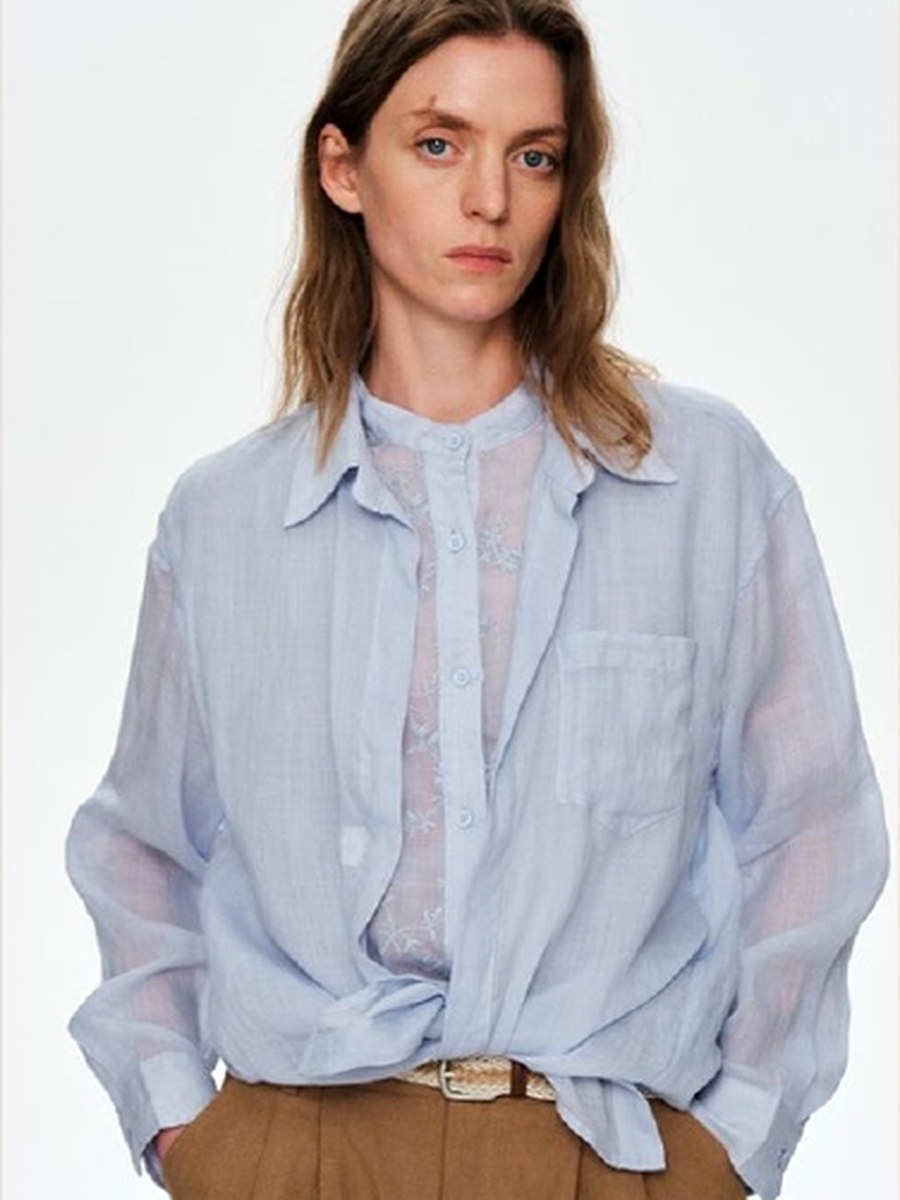
For a style drawing on the blouse collection, identify the collar, sleeve, placket and other construction areas that matter to the design. Ask the technical team to assess the selected material in those configurations. The material's name or a supplier's general description does not establish the finished blouse's suitability.
Record the outcome in specific terms: accepted appearance, required construction revision, further evidence needed or alternative material to assess. Keep the decision linked to the sample and specification. If the material changes later, the buyer can then identify which earlier conclusions need to be revisited.
Set colour and print direction from the actual collection
Provide the brand's approved colour references and explain the role of each colourway. If the choice is based on customer evidence, identify that evidence; if it is a creative proposal, label it as such. Avoid statements that an entire region prefers particular bright, muted or patterned clothing without a relevant basis for the brand's audience.
For prints, provide the artwork source, intended scale, repeat or placement direction and the necessary permissions. A reference textile photograph may explain a visual idea without being artwork the factory is authorised to reproduce. Keep inspiration, brand-owned assets and production-ready files clearly distinguished.
Review the proposed colour and print in the actual material and garment context. Screen images can support discussion but do not replace the agreed physical approval process. Record the accepted references and ask the factory to assess any changes in colour count, scale or placement before assuming that the earlier commercial and sample scope still applies.
Plan the size and colour assortment as a business decision
Build the quantity matrix from the buyer's actual channel and customer plan. Show styles, sizes, colours and destination allocations where relevant. A total quantity alone may conceal a complex distribution of variants. The factory needs that distribution to assess the programme, while the brand needs it to understand the commercial commitment it is considering.
Separate demand estimates from confirmed orders. A retailer request, a preorder and an internal forecast may have different levels of certainty. Record the basis of the allocation and identify who can authorise a change. The production team should not have to infer whether a revised spreadsheet is a new commitment or an exploratory scenario.
If the buyer wants to change the assortment after development or sourcing begins, ask for a project-specific assessment. Moving units between colours or styles may affect the work already arranged. The parties should confirm the consequences rather than assume that an unchanged overall unit count makes every redistribution equivalent.
Confirm the development route before comparing quotations
Describe what the enquiry includes: pattern or fit development, material sourcing, samples, labels, decoration, packing and other agreed work. A quotation is difficult to compare when suppliers are responding to different assumptions. Provide the same current scope to the parties being assessed and ask each to identify exclusions and unresolved inputs.
Keep sample work distinct from bulk production terms. The buyer should understand what a proposed sample charge covers, how revisions are handled and which conditions apply to the later programme. This guide does not state Yinshan Fashion's standard fees or payment schedule; those details must be confirmed in the actual commercial discussion.
Ask for quantities, currency, delivery arrangement and timing assumptions to be made explicit in the proposal. If the brief changes, obtain an updated assessment rather than comparing a new design against an old quotation. A transparent scope helps the buyer evaluate the offer on the product and work actually being considered.
Assign responsibility for destination requirements
Identify the buyer's qualified contacts for import, labelling, product-information and other destination-specific questions. Obtain the current requirements for the actual goods and market through those channels. This guide does not prescribe a single African import or garment-labelling framework, and the factory should not be asked to infer one from a regional description.
Turn confirmed requirements into clear production inputs. Provide approved label text, language needs, document requests and other relevant instructions with their source and review owner. If a requirement remains unresolved, mark it as pending and identify the decision it affects. Do not hide uncertainty inside a general statement that the product must comply with all local rules.
Review changes when the destination or product changes. A new selling country, material or claim may create a new question for the responsible specialist. Keep the answer linked to the relevant style and shipment allocation so that an instruction for one market is not automatically applied to every garment in the programme.
Coordinate labels and brand presentation with the product
Prepare a component map for the brand label, size label, care or composition label, hangtag and packaging elements included in the programme. Identify which are shared and which vary by style, size or destination. The buyer should provide approved content and artwork rather than expect the factory to invent brand or market information.
Arrange qualified language review where needed and assess the physical label through the appropriate sample process. A correct text file does not by itself establish legibility, folding or placement on the garment. Keep wording acceptance, artwork acceptance and application review connected but distinct.
Make sure the product-page copy and sales materials describe the same accepted garment. If a material or care instruction changes during development, update the relevant content records. The brand's presentation should reflect the actual programme, with sourcing and performance claims limited to what the available evidence supports.
Map packing to the receiving channel
Ask each receiving partner for the current packing and identification requirements that apply to its allocation. A retailer, a fulfilment centre and the brand's own warehouse may need different unit or carton arrangements. Record the requirements by destination and channel rather than assuming that one generic export pack fits every buyer.
Define the unit presentation, assortment, carton identification and supporting contents record. The factory needs a current instruction that can be applied and checked. If a split allocation is proposed, ask the relevant parties to confirm feasibility and any commercial or logistics consequences before treating it as accepted.
Review a representative packing arrangement where appropriate for the garment and route. Keep the agreed materials and layout identifiable. The packing record should connect the physical goods with the receiving team's expectations without making unsupported guarantees about every possible handling or transport condition.
Build the calendar from confirmed dependencies
Separate sample deadlines, bulk release, production completion, logistics handover and warehouse receipt. Ask the responsible parties to confirm the plan for the actual route and programme. The apparel production calendar guide can help organise the decisions, but it does not establish a universal lead time for a country or continent.
Identify the inputs that control the sequence: current specifications, material decisions, quantity allocation, labels, commercial agreement and any required specialist reviews. Assign an owner and status to each. A target date is more useful when the team knows what must be resolved for it to remain feasible.
If the buyer has a launch or retailer commitment, explain it early and ask for an assessment. Keep desired dates distinguishable from confirmed commitments. When a dependency changes, request an updated plan instead of assuming that the original timing remains valid for a revised scope.
Use quality criteria that relate to the actual garment
Define the features the buyer needs to review, including measurements, appearance, construction and any required performance or market criteria. Use accepted samples and current specifications as references. Avoid a general instruction that quality should suit the African market; it does not tell the production team what to make or check.
Where formal testing or inspection arrangements are required, agree the scope, method, criteria and responsible parties for the actual product. This guide does not publish test results, certification status or a universal acceptance level. The buyer should understand what each record demonstrates and which questions remain outside its scope.
Document observations and decisions precisely. A report should identify the sample or goods, the issue, the relevant reference and the requested next action. If rework or a substitution is proposed, ask the technical team to assess it and record the follow-up evidence before treating the matter as resolved.
Plan repeats from current evidence rather than memory
For a repeat programme, identify the previous accepted style and the changes intended for the new order. Confirm the material, colours, quantities, destination allocation and current product information. A familiar style number should not hide a revised specification or a different sourcing proposal.
Use the brand's actual feedback from the earlier programme to define improvements. Separate fit comments, quality observations, assortment results and customer preferences so that each can be assessed by the appropriate team. Do not turn a limited group of comments into a general claim about all customers in the region.
Ask Yinshan Fashion to confirm the current sourcing and production basis. Previous availability, pricing or timing does not automatically apply to a new enquiry. A repeat brief is strongest when it combines a traceable accepted reference with clear current requirements and an honest account of what has changed.
Test the brief with a two-channel example
Imagine a brand developing a dress and blouse for its own ecommerce channel and one retail partner. The buyer supplies customer feedback, a current measurement basis and a style matrix. The two channels share the garment specification, while packing and allocation instructions are recorded separately from the beginning.
During sampling, the buyer requests a sleeve revision based on an identified fit observation. The technical team assesses the change and the buyer updates the current brief. The retailer then revises its colour allocation, prompting a separate commercial and packing review. Each decision is linked to the relevant record rather than treated as a general request to adapt the range for Africa.
This is a planning example, not a report of a completed Yinshan Fashion order or a claim about regional demand. It demonstrates how the brand's specific customer and channel knowledge can become a usable manufacturing instruction, with fit, assortment and receiving decisions handled at the level where they actually differ.
Send a focused regional programme brief to Yinshan Fashion
Prepare the intended countries and channels, customer evidence or hypothesis, garment references, fit basis, material direction and quantity matrix. Add the current destination instructions confirmed by the responsible advisers and receiving partners. Mark open questions and identify the next sample or sourcing decision you want to make.
Ask Yinshan Fashion to assess the feasible custom or private-label scope and respond to the actual proposal. Confirm material options, development stages, commercial terms and timing through that discussion. A useful enquiry gives the factory enough information to evaluate the work without asking it to guarantee an undefined market outcome.
Use the contact page to share the current brief. Effective custom womenswear production for African brands is built from the brand's own customer knowledge, identifiable product evidence and destination-specific coordination, giving the buyer a clearer route from a collection idea to a reviewed production programme.
Custom Womenswear Production for African Brands worksheet
Three actions for the next handover
Prepare custom womenswear production for African brands with customer evidence, fit references, material questions and destination-specific handovers.
Specify the customer
Use the brand’s actual audience and evidence rather than regional stereotypes.
Make fit measurable
Connect feedback with named garment areas, sizes and measurement references.
Separate destinations
Keep labels, packing and receiving requirements tied to each allocation.
Buyer inputs and factory questions
Use this checklist with the current programme. Confirm the actual development scope, commercial terms and evidence needed for each decision.
| Decision area | What the buyer should prepare | What to ask the factory |
|---|---|---|
| Audience | Provide the customer context and evidence limits. | What product priorities remain unclear? |
| Fit | Supply the brand’s current body and garment basis. | Which samples will assess the intended range? |
| Fabric | Describe actual wearing conditions and material candidates. | Which construction or care questions need evidence? |
| Channel | Provide country, partner and quantity allocations. | Which packing or component variants need separate instructions? |
| Requirements | Supply destination inputs confirmed by qualified contacts. | What production or document information is needed for the next handover? |
Continue the production conversation
Custom Womenswear Production for African Brands: decision worksheet
| Review point | Buyer input | Evidence to review | Decision before progression |
|---|---|---|---|
| Customer | Specific audience, use and evidence source | Brand research, feedback or labelled hypothesis | Which requirement should the product serve? |
| Fit | Body basis, garment measurements and range | Identified fitting and size evidence | Which proportions need technical assessment? |
| Material | Wearing context and candidate identities | Relevant swatches, trials and garment samples | Does the candidate meet this garment’s actual needs? |
| Allocation | Countries, channels and variant quantities | Current order and receiving matrices | Which instructions are shared or destination-specific? |
| Release | Labels, quality criteria and logistics inputs | Qualified reviews and accepted references | Which scope can progress with current evidence? |
Buyer FAQs
What should custom womenswear production for African brands be based on?
A specific brand customer, garment brief, fit basis, material plan and destination allocation. Africa should not be treated as one size profile or retail market.
Can a generic regional size chart replace the brand’s fit work?
No. Identify the measurement source, intended customer and size range, then agree the sample evidence needed.
How should customer feedback enter the factory brief?
Connect anonymised observations with the actual style, size, measurement point and use context. Separate conflicting feedback instead of turning it into a vague universal correction.
Are import and label requirements the same across all destinations?
Do not assume so. Obtain current instructions for the actual goods and destination from the appropriate qualified contacts.
What should Yinshan Fashion receive for an initial assessment?
Send the markets, channels, garment references, fit basis, material direction, quantity matrix and the next sample or sourcing question.